
 English
 Español
 中文
中文 हिन्दी
 Français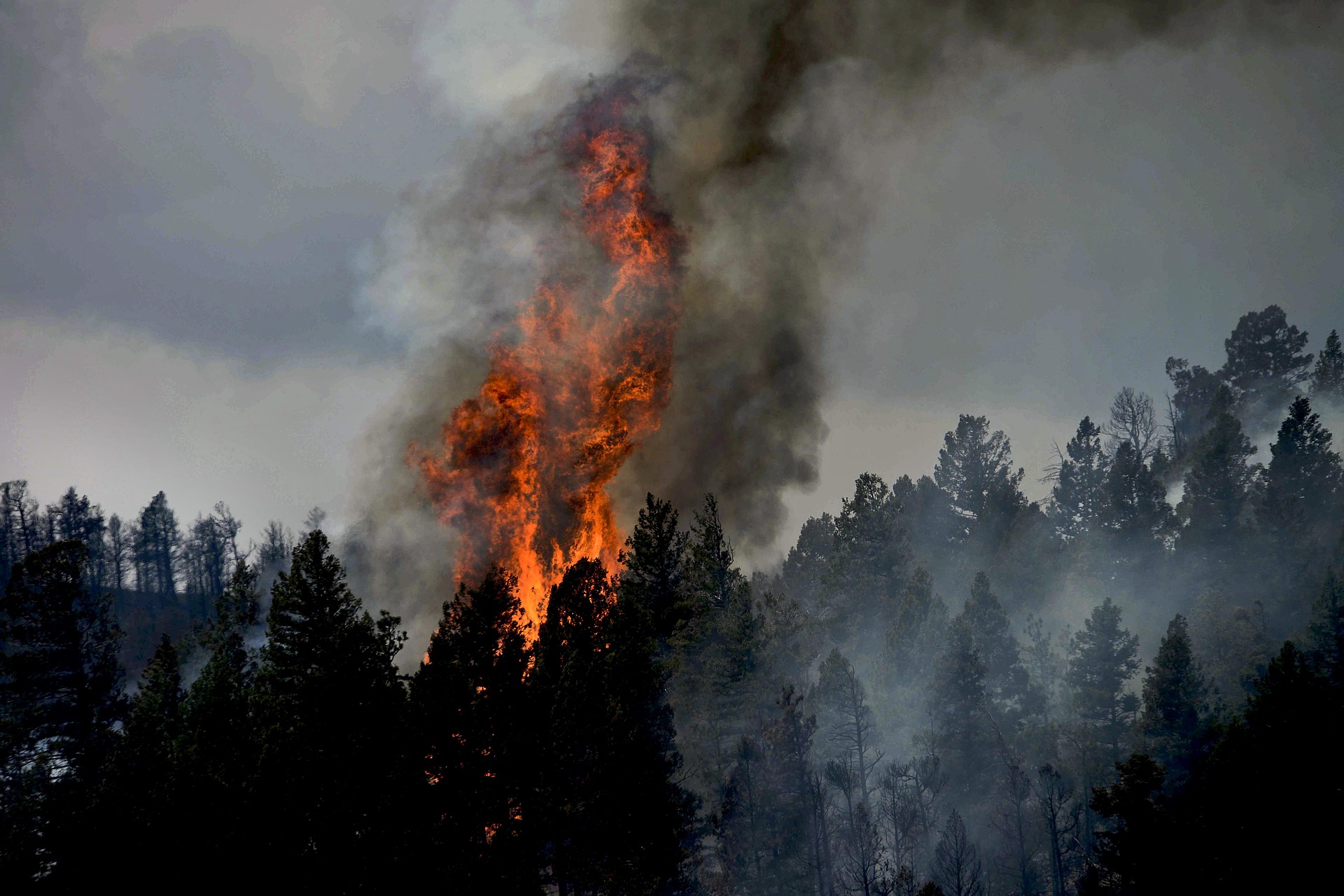
Wildfires Through History
complete history of wildfires and forest fires through human civilization
Introduction: Fire and Human History
Fire is the oldest force in human experience, predating our species by hundreds of millions of years and reshaping the world long before the first hominid stood upright on the African savanna. No other natural phenomenon has so thoroughly defined the arc of civilization, driven the expansion of ecosystems, sculpted entire landscapes, and simultaneously terrified and empowered the creatures who learned to harness it. The complete history of wildfires and forest fires through human civilization is not merely a record of catastrophe. It is a story of ecology and adaptation, of policy triumph and failure, of cultural practice and colonial erasure, and ultimately of a planet whose living systems evolved in intimate partnership with flame.
Ancient myths understood this duality. In Greek tradition, Prometheus stole fire from the gods and delivered it to humanity, suffering eternal punishment for the gift. In Aboriginal Australian cosmology, fire is woven into the Dreamtime itself, a tool of creation wielded by ancestral beings to shape country and call forth life. Norse mythology speaks of Muspelheim, the realm of primordial fire that existed before all else. These stories, separated by oceans and millennia, share a common recognition: fire is not peripheral to the human story. It is central to it.
The relationship between humans and wildfire has never been simple or static. For tens of thousands of years, Indigenous peoples around the world managed fire deliberately, using controlled burning to maintain productive landscapes, promote biodiversity, reduce fuel loads, and communicate with the land itself. Their understanding of fire ecology was sophisticated, empirically grounded, and astonishingly effective. Then came the colonial era, which disrupted these practices, and the industrial era, which introduced the doctrine of total fire suppression — a policy whose catastrophic unintended consequences are still being reckoned with today.
In the twenty-first century, humanity faces a fire crisis of unprecedented proportions. Decades of aggressive suppression have allowed fuels to accumulate across hundreds of millions of acres. Warming temperatures and prolonged droughts have extended fire seasons. Millions of homes have been built in the wildland-urban interface, the fraught boundary zone where civilization meets fire-prone wildlands. The statistics that emerge from this collision are staggering: in 2020, California alone burned more than four million acres in a single fire season, a record that itself was broken within the following years. Australia's 2019-2020 Black Summer season consumed more than nineteen million hectares, killed or displaced an estimated three billion animals, and blanketed the southern hemisphere in smoke that circled the globe.
This article traces the full sweep of that story — from the first lightning-sparked fires that burned ancient forests three hundred million years ago, through the fire traditions of Indigenous cultures on every inhabited continent, through the great catastrophes that defined and redefined how societies understood wildfire, and into the emerging science and policy of fire management in the age of climate change. Understanding how wildfires start and spread through forests, what makes them grow into monsters, what role they play in healthy ecosystems, and what happens when human choices upset the ancient balance between fire and land is not merely an academic exercise. In the decades ahead, it may be one of the most consequential bodies of knowledge our civilization possesses.
The terminology itself deserves brief consideration. What we call wildfires, the Australians call bushfires, the Canadians and British sometimes call forest fires, and the Spanish-speaking world calls incendios forestales. These are not merely linguistic differences; they reflect genuine regional distinctions in the types of fires that are most common, the fuels they burn, and the landscapes they traverse. In the American West, a wildfire may move through chaparral, ponderosa pine forest, and sagebrush steppe in a single event. In eastern Australia, bushfires burn primarily through eucalyptus woodland and heath. In the Canadian boreal, forest fires crown through vast expanses of black spruce. Each of these fire types has its own behavior, its own ecological role, and its own management challenges — but they are all expressions of the same fundamental process: the combustion of terrestrial organic matter, driven by heat and oxygen, spreading across a landscape whose fuel characteristics and weather patterns determine whether the result is a gentle renewal or an apocalyptic catastrophe.
Continue reading with a membership
Every country, every topic, all activities & recipes
✓ Instant access on this device · ✓ No subscription