
 English
 Español
 中文
中文 हिन्दी
 Français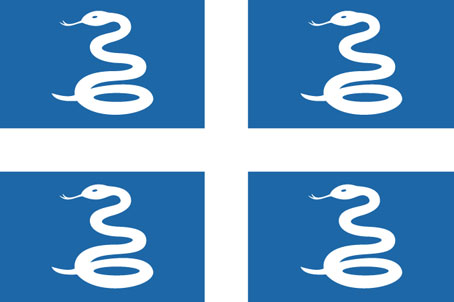
Martinique
Martinique
Declare Your Relationship to Martinique
CountryReports Community
- Studying2
- From Martinique1
- Martinique heritage0
- Visited1
- Want to visit2
Customs and Culture
Customs and Culture
Cultural Attributes
Most people are descendants of African slaves with some being a mix of black and European origin. The island is an administrative district of France and has a French influence in the culture. Tourism is the major economy which also influences the culture. France has provided substantial financial aid to provide for a modest level of prosperity for the people of the island.

Island of Flowers, Rhythm of the Caribbean
Get More Customs and Culture
3 more cultural topics for members
Social Customs & Etiquette · Diet · Dating Customs
Every country, every topic, all activities & recipes
✓ Instant access on this device · ✓ No subscription
Holidays
Bastille Day
7/14Other
Dates of Interest
- July 14th
What foods are common in Martinique?
Martinique is a mountainous island where sugar cane is grown as the primary crop.
Good to know
- Other crops include bananas, cotton, pineapples, and tobacco
What should I know about Martinique's culture before visiting?
Martinique is an administrative district of France with a strong French influence in its culture, and most people are descendants of African slaves, some of mixed black and European origin.
Good to know
- Tourism is the major economy and also influences the culture
- France has provided substantial financial aid supporting a modest level of prosperity
Last updated: 2026-07-12 · Sources: CountryReports
Photos of Martinique
Photos of Martinique
Travel and Tourism
Travel and Tourism
- Currency
- euro (EUR)
- Airports
- 2
Read the full travel guide — health, safety, vaccinations, disease risk, sanitation, and transit details.
View full travel guideHistory
History
Historical Eras
Pre-Columbian Era
130 – 1502
Martinique was successively inhabited by Arawak (Saladoid) peoples and later by the Caribs (Kalinago), who called the island 'Madinina.' These communities sustained themselves through fishing, agriculture, and inter-island trade across the Caribbean. The Caribs were the dominant inhabitants when European contact finally occurred in the late 15th century.
European Contact
1502 – 1635
Christopher Columbus likely sighted and landed on Martinique in 1502, but Spanish colonial interest in the island remained minimal due to the absence of precious metals. The Caribs successfully resisted early European encroachments, leaving Martinique largely unsettled by Europeans for over a century following first contact.
French Colonization
1635 – 1794
French settlers under Pierre Belain d'Esnambuc established a permanent colony in 1635, displacing and ultimately decimating the Carib population despite initial promises of shared territory. Sugar cultivation transformed the island's economy, driving the mass importation of enslaved Africans. Britain made repeated attempts to seize the island during this period, occupying it briefly during the Seven Years' War and the Anglo-French conflicts of the late 18th century.
Abolition & Plantation Era
1794 – 1902
Slavery was definitively abolished in 1848 under Victor Schoelcher's landmark decree, fundamentally reshaping Martinique's labor structure. Tens of thousands of indentured workers subsequently arrived from India to fill the plantation workforce. The era closed catastrophically in 1902 when the eruption of Mount Pelée obliterated the city of Saint-Pierre, killing approximately 30,000 people.
Overseas Department
1902 – 1974
Following the devastation of the Pelée eruption, Fort-de-France rose as the island's new capital. During World War II, Martinique aligned with the Vichy regime until a U.S. naval blockade compelled its transfer to the Free French in 1943. In 1946, Martinique was formally integrated into France as an Overseas Department rather than pursuing independence, granting its inhabitants full French citizenship.
Autonomy & Modern Era
1974 – present
Martinique gained regional status in 1974 and received expanded local political and economic autonomy under President Mitterrand's decentralization reforms of 1982–1983. The island's political landscape has been shaped by parties ranging from Gaullist conservatives to nationalist movements such as the Mouvement Indépendantiste Martiniquais. Martinique continues to navigate its dual identity as an integral part of France and a distinct Caribbean society, balancing economic dependency with cultural sovereignty.
Overview
Prior to the discovery of Martinique by Columbus in 1493, the area was inhabited by Arawak and Carib Indians. Visited by Columbus, probably in 1502, the island was ignored by the Spanish; colonization began in 1635, when the French, who had promised the native Caribs the western half of the island, established a settlement.
Every country, every topic, all activities & recipes
✓ Instant access on this device · ✓ No subscription
Timeline of Key Events
130
http://www.la-martinique.net/Communicator/anglais/history.htm
Appearance of the first inhabitants : Arawaks. They come from the tropical forest
295
http://www.la-martinique.net/Communicator/anglais/history.htm
Disappearance of the Arawak culture, following a eruption of the vulcano ”montagne Peléel“.The island is left during one century
400
http://www.la-martinique.net/Communicator/anglais/history.htm
New arawak arrival.
600
http://www.la-martinique.net/Communicator/anglais/history.htm
Appearance of a new civilization, the Caraïbes. Like the Arawak one, it is from the tropical forest. The Arawaks fear the Caraïbes, because they had strange habits (castration, ...) and confront them during years
600
http://www.la-martinique.net/Communicator/anglais/history.htm
Appearance of a new civilization, the Caraïbes. Like the Arawak one, it is from the tropical forest. The Arawaks fear the Caraïbes, because they had strange habits (castration, ...) and confront them during years. However, the Arawaks are exterminated and they disappear of the island.
1502
http://www.la-martinique.net/Communicator/anglais/history.htm
Christopher Colombus discovers Martinique. He lands where the town called Carbet is now located (in the north of the island, on the Caribbean Sea).
1635
http://www.la-martinique.net/Communicator/anglais/history.htm
Belain d'Esnambuc lands near the Roxelane river with a hundred of settlers. They build a fort to protect the area (origin of the fort of Saint Pierre).
Read the full history profile — narrative overview, defining eras, and the complete timeline in one place.
View expanded historyInteresting Facts
Interesting Facts
The world's deadliest volcanic eruption happened May 8, 1902 at Mount Pelee. There were an estimated 29,025 deaths.
The island was called "Madinina" (Island of Flowers) by the Caribs.
See every fact — trivia, oddities, and curious tidbits gathered from across the country.
View all interesting factsGeography and Environment
Geography and Environment
- Terrain
- mountainous with indented coastline; dormant volcano
- Climate
- tropical; moderated by trade winds; rainy season (June to October); vulnerable to devastating cyclones (hurricanes) every eight years on average; average temperature 17.3 degrees C; humid
- Natural Hazards
- hurricanes, flooding, and volcanic activity (an average of one major natural disaster every five years)
- Current Environmental Issues
- NA
Read the full geography and environment profile — terrain, climate, natural resources, hazards, land use, and international agreements.
View full geographyPeople & Demographics
People & Demographics
Religion
Languages Spoken
French, Creole patois
- Creole patois
- French
Population
- Population
- 360,000
- Nationality Noun
- Martiniquais (singular and plural)
- Ethnic Groups
- African and African-white-Indian mixture 90%, white 5%, East Indian, Chinese less than 5%
Education
- Literacy Definition
- age 15 and over can read and write
Life Expectancy
- Life Expectancy at Birth
- Life expectancy at birth in Martinique is notably high compared to many Caribbean nations and even rivals that of several Western European countries. The island's residents can expect to live, on average, into their early 80s, with overall life expectancy estimated at approximately 81 to 83 years. As is common globally, women in Martinique tend to outlive men by several years, with female life expectancy reaching approximately 85 years, while male life expectancy sits closer to 79 to 80 years. These strong figures are largely a reflection of Martinique's status as an overseas region and department of France. As such, the island benefits directly from the French national healthcare system, giving residents access to high-quality medical services, hospitals, preventive care, and social support programs that are funded in part by the French central government. This integration into the French public health infrastructure distinguishes Martinique from many of its independent Caribbean neighbors, where healthcare access can be more limited. The island's diet, historically rich in fresh fish, tropical fruits, and vegetables, has traditionally supported good cardiovascular health among the population, though modern dietary shifts have brought increasing concerns around obesity, diabetes, and hypertension — chronic conditions that public health officials continue to monitor closely. Despite these emerging challenges, overall health outcomes for Martinique's residents remain strong. Population aging is an important related trend. With high life expectancy and declining birth rates, Martinique has one of the older median populations in the Caribbean region. The island's population has been gradually declining, now estimated at around 360,000, partly due to emigration of younger residents to metropolitan France. This demographic shift places growing pressure on healthcare and pension systems and has contributed to ongoing discussions about sustainable social services on the island. Overall, the combination of French-standard medical infrastructure, a relatively high standard of living, and access to social welfare programs continues to support life expectancy figures that place Martinique among the healthiest populations in the wider Caribbean and Atlantic region.
- Infant Mortality Rate
- Martinique maintains a relatively low infant mortality rate compared to many other regions in the Caribbean and the broader Americas, reflecting the island's strong integration into the French national healthcare system. As an overseas region of France, Martinique benefits from the same public health infrastructure, medical standards, and social support programs available in metropolitan France. Recent estimates place Martinique's infant mortality rate at approximately 6 to 7 deaths per 1,000 live births, a figure that compares favorably with Caribbean neighbors and aligns more closely with Western European averages than with developing-world statistics. This relatively low rate is largely attributed to universal access to prenatal care, skilled attendance at birth, and postnatal follow-up programs supported by the French social security system. The island is served by modern hospitals and maternity wards, including the University Hospital Center of Martinique (CHUM) in Fort-de-France, which provides comprehensive obstetric and neonatal care. High rates of hospital-based deliveries mean that complications during childbirth are more likely to be identified and managed effectively, contributing to positive outcomes for both mothers and newborns. Despite these achievements, health authorities continue to monitor disparities that can arise from socioeconomic inequalities within the island's population. Factors such as poverty, access to transportation in more rural or mountainous areas, and varying levels of health literacy can still influence outcomes for certain segments of the population. Environmental concerns have also drawn attention in recent years. The widespread contamination of soil and water by chlordecone, a pesticide used heavily in banana farming until it was banned in 1993, has prompted ongoing research into its potential effects on reproductive health and child development, including possible links to preterm birth — a key risk factor in infant mortality. Overall, Martinique's infant health indicators reflect a system that has made substantial progress through sustained investment in public health, while ongoing vigilance remains necessary to address persistent inequalities and emerging environmental health challenges.
Read the full people and society profile — demographics, health, education, religion, languages, and notable people.
View full people and societyGovernment & Politics
Government & Politics
Country Identity
- Country Name
- Martinique
- Full Country Name
- Department of Martinique
- Local - Long
- Departement de la Martinique
- Local - Short
- Martinique
Government Structure
- Government Type
- NA
- Legal System
- French legal system
- Executive Branch
- chief of state: President of France Emmanuel MACRON (since 14 May 2017); Prefect Jean-Christophe BOUVIER (since 2021) head of government: President of the Territorial Collectivity Serge LETCHIMY (since December 2021); note - Martinique became a single Territorial Collectivity in December 2015, replacing the former separate General Council and Regional Council cabinet: Executive Council elected by the Territorial Council elections: French president elected by popular vote for a five-year term; prefect appointed by the French president on the advice of the French Ministry of Interior; the president of the Territorial Council is elected by the members of that council
- Legislative Branch
- Martinique's legislative structure underwent a significant reform in 2015, when the previously separate General Council (Conseil Général) and Regional Council (Conseil Régional) were merged into a single body, the Territorial Council (Conseil Territorial de Martinique). This unified assembly has 51 seats and is led by a President elected from among its members. Members of the Territorial Council are elected by popular vote to serve six-year terms. The most recent territorial elections were held in June 2021, resulting in a victory for the Martinican independence-leaning coalition led by Serge Letchimy of the Martinican Progressive Party (PPM), which secured a majority of seats. As an overseas region and department of France, Martinique also sends elected representatives to the French Parliament. Martinique elects four deputies to the French National Assembly, with the most recent elections held in June 2022. Martinique is also represented by two senators in the French Senate, with the most recent senatorial elections held in September 2023. These representatives participate fully in French national legislative affairs, reflecting Martinique's status as an integral part of the French Republic.
- Judicial Branch
- Court of Appeal or Cour d'Appel
- Suffrage
- 18 years of age; universal
- Constitution
- 28 September 1958 (French Constitution)
- Independence
- none (overseas department of France)
- National Holiday
- Bastille Day, 14 July (1789)
Capital City
- Capital Name
- Fort-de-France
Embassy / Diplomatic Mission
U.S. Embassy in Bridgetown
Wildey Business park
Wildey
St. Michael, Barbados
Telephone: (246) 227-4399
Emergency after-hours telephone: (246) 227-4000
Facsimile: (246) 431-0179
Email: BridgetownACS@state.gov
Hours of operation are 8:30 a.m. – 4:30 p.m. Monday through Friday, except Barbadian and U.S. holidays.
Read the full government profile — flag symbolism, national anthem, and other national symbols.
View full government detailsEconomy
Economy
Martinique's economy is based on tourism, services, light industry, agriculture, and a substantial public sector supported by financial transfers from mainland France.
Snapshot
- Currency Name and Code
- Euro (EUR)
- GDP Real Growth Rate
- 0.8%
Every country, every topic, all activities & recipes
✓ Instant access on this device · ✓ No subscription
News & Weather
News & Weather
Current Weather
Latest News
Why Martinique is your ideal French Caribbean escape this winter - Toronto Star
Toronto Star · 11h ago
New French-Caribbean restaurant opens in the French Quarter - WWLTV.com
WWLTV.com · 2h ago
Judge Martinique Parker - TRAC Reports
TRAC Reports · 23d ago
Air quality in Martinique - IQAir
IQAir · 8d ago
2e REG: Martinique in 2026 - French Foreign Legion Information
French Foreign Legion Information · 16d ago
Travel Advisory: Martinique (August 20, 2026) - bb.usembassy.gov
bb.usembassy.gov · 30d ago
Small stays, big impact: Boutique hospitality on Martinique - Travel Weekly
Travel Weekly · 46d ago
Martinique Report Says PM Drew Suffered Stroke, Stabilised and Flown to Miami - thestkittsnevisobserver.com
thestkittsnevisobserver.com · 16d ago
News via Google News
Frequently Asked Questions
Frequently Asked Questions
What is the population of Martinique?
What is the capital of Martinique?
Where is Martinique located?
What religion is practiced in Martinique?
What currency is used in Martinique?
What languages are spoken in Martinique?
What is the geography of Martinique like?
What language and cultural influences shape Martinican identity?
What is Martinique's relationship with France?
Last reviewed 2026