
 English
 Español
 中文
中文 हिन्दी
 Français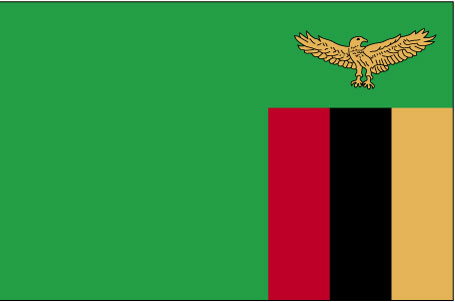
Zambia
Declare Your Relationship to Zambia
CountryReports Community
- Studying3
- From Zambia0
- Zambia heritage0
- Visited1
- Want to visit3
Customs and Culture
Customs and Culture
Cultural Attributes
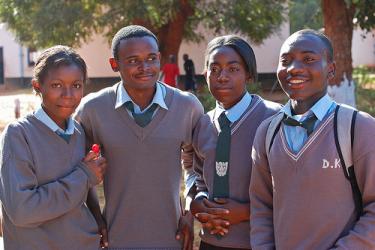
Zambians are known for their friendliness and courtesy.

The Smoke That Thunders
Get More Customs and Culture
5 more cultural topics for members
Social Customs & Etiquette · Diet · Family · Dating Customs · Recreation
Every country, every topic, all activities & recipes
✓ Instant access on this device · ✓ No subscription
Holidays
Independence Day
10/24Independence Day
Dates of Interest
- October 24th
How do people greet each other in Zambia?
Handshaking is common, and traditional greetings vary by region. To show respect, Zambians sometimes support their right hand with their left.
Do
- Use a person's professional name if you know it
- Support your right hand with your left to show respect
Good to know
- In western regions, people clasp and clap hands three times
- In the northern region, people bend one knee while shaking hands
What should I know about food and eating in Zambia?
The staple food is nshima, a thick cornmeal mash that many Zambians feel is essential to a complete meal; rice, potatoes or pasta are seen as substitutes.
Good to know
- Nshima is eaten thinned with water or milk and lightly sweetened for breakfast
- For lunch or supper, nshima is served with fish, meat, peanuts or beans
- Try nshima na nkuku, a popular chicken dish
- Common foods include sorghum, millet, cassava, sweet potatoes, groundnuts, bananas and mangoes
What are the etiquette rules for visiting in Zambia?
Zambians are known for friendliness and courtesy, and gift giving is an important ritual signaling honor, friendship or gratitude.
Do
- Make prior appointments
- Present and receive gifts using both hands
- Always accept a gift that is offered
Don’t
- Don't refuse a gift, as it may offend the giver
- Don't discuss sensitive topics like local politics or economics
Good to know
- Don't be surprised if an engagement is broken without advance notice
- Most Zambians enjoy discussing international politics
How should I dress in Zambia?
Second-hand Western-style clothing is popular in Zambia.
Good to know
- The term salaula (to rummage through a pile) refers to second-hand clothing arriving from other nations
What gestures should I be aware of in Zambia?
When giving or receiving something, use both hands; using only one hand, especially the left, may be considered rude.
Don’t
- Don't hand over or accept gifts with one hand, especially the left
What is family life like in Zambia?
Zambians view children as an investment in the future and tend to have large families. Marriage involves the man paying a lobola (bride price) to the bride's parents.
Good to know
- Lobola is usually paid in cattle, cash or a combination
- Both sets of parents must usually approve a match
- Wedding celebrations can last several days with feasting, singing and dancing
- Homes range from traditional thatched circular houses to brick and cement block houses
What do people do for fun in Zambia?
Soccer is the most popular sport, and both children and adults enjoy the traditional board game isolo.
Good to know
- Isolo is played on an egg-carton-shaped board using stones or dried seeds
- Children make toys like a rag soccer ball (ichimpombwa) or bent-wire cars
- Girls in eastern Zambia play a stone-tossing game called nchuba
Last updated: 2026-07-12 · Sources: CountryReports
Photos of Zambia
Photos of Zambia


Travel and Tourism
Travel and Tourism
- Travel Alert Status
- Level 1: Exercise Normal Precautions
- Currency
- Zambian kwacha (ZMK)
- Time Difference
- UTC+2 (7 hours ahead of Washington, DC, during Standard Time)
- Airports
- 109
Read the full travel guide — health, safety, vaccinations, disease risk, sanitation, and transit details.
View full travel guideRecipes
Recipes
History
History
Historical Eras
Pre-Colonial Era
10000 BCE – 1888
Zambia's earliest inhabitants were hunter-gatherers who were gradually displaced by Bantu-speaking migrants arriving from the 15th century onward, with the largest influx from the Luba and Lunda empires of the Congo basin between the late 17th and early 19th centuries. By the 19th century, distinct peoples including the Bemba, Tonga, and Lozi had established kingdoms across the territory. European penetration began in earnest after 1855, when David Livingstone became the first European to see Victoria Falls on the Zambezi River.
Colonial Rule
1888 – 1953
Cecil Rhodes obtained mineral rights concessions from local chiefs in 1888, bringing Northern Rhodesia under British South Africa Company administration by 1891. The territory was transferred to the British Colonial Office as a formal protectorate in 1924. The discovery and exploitation of vast copper deposits in the 1920s transformed the economy, spurring European immigration and large-scale mining operations while leaving Africans largely excluded from political and economic power.
Federation Period
1953 – 1964
In 1953, Northern Rhodesia was joined with Southern Rhodesia and Nyasaland to form the Federation of Rhodesia and Nyasaland, a politically contentious arrangement dominated by white settler interests. African nationalist movements, most notably Kenneth Kaunda's United National Independence Party founded in 1960, mounted sustained pressure for majority rule and secession. The federation collapsed on December 31, 1963, paving the way for Northern Rhodesia to become the independent Republic of Zambia on October 24, 1964.
First Republic
1964 – 1991
Under President Kenneth Kaunda, Zambia navigated independence with a copper-dependent economy while actively supporting liberation movements in Rhodesia, Angola, and South Africa. In 1972, Kaunda declared Zambia a one-party state under UNIP, consolidating authoritarian rule. The sharp global decline in copper prices beginning in the mid-1970s devastated the economy, producing widespread poverty, debt, and austerity that eroded the government's legitimacy throughout the 1980s.
Multiparty Democracy
1991 – 2001
Popular pressure and economic crisis forced the adoption of a multiparty constitution in 1991, ending nearly two decades of one-party rule. Frederick Chiluba of the Movement for Multi-party Democracy defeated Kaunda in elections that year, marking Zambia's first peaceful transfer of power. Subsequent elections in 1996 were marred by opposition harassment, and the 2001 vote faced legal challenges over irregularities surrounding the election of Levy Mwanawasa.
Modern Zambia
2001 – present
President Levy Mwanawasa launched an aggressive anti-corruption campaign beginning in 2002, resulting in the prosecution of his predecessor Frederick Chiluba and numerous associates. Zambia pursued economic diversification beyond copper, attracted foreign investment, and graduated to lower-middle-income status by 2011. Political competition intensified through the 2010s and 2020s, with successive transfers of power between parties reflecting the consolidation, if still imperfect, of democratic norms.
Overview
The indigenous hunter-gatherer occupants of Zambia began to be displaced or absorbed by more advanced migrating tribes about 2,000 years ago. The major waves of Bantu-speaking immigrants began in the 15th century, with the greatest influx between the late 17th and early 19th centuries. They came primarily from the Luba and Lunda tribes of southern Democratic Republic of Congo and northern Angola but were joined in the 19th century by Ngoni peoples from the south.
Every country, every topic, all activities & recipes
✓ Instant access on this device · ✓ No subscription
Timeline of Key Events
1501 – 1600
Arrival of peoples from Luba and Lunda empires of Zaire to set up small kingdoms.
Arrival of peoples from Luba and Lunda empires of Zaire to set up small kingdoms.
1701
Portuguese explorers visit in the late 18th century.
Portuguese explorers visit in the late 18th century.
1851
British missionary David Livingstone visits.
British missionary David Livingstone visits.
1889
Britain establishes control over Northern Rhodesia.
Britain establishes control over Northern Rhodesia, administering the area using a system of indirect rule which leaves power in the hands of local rulers.
1891
Portugal assigned Barotseland to Britain.
Portugal assigned Barotseland, now in Zambia, to Britain and Nyasaland becomes a British protectorate.
1907
Capital of NW Rhodesia moved from Kalolo to Livingstone.
Capital of NW Rhodesia moved from Kalolo to Livingstone.
1920
Discovery of copper.
Discovery of copper, which later encourages an influx of European technicians and administrators.
Read the full history profile — narrative overview, defining eras, and the complete timeline in one place.
View expanded historyInteresting Facts
Interesting Facts
Zambia is named after the Zambezi River, which flows through the country. Before 1964, the country was called Northern Rhodesia, after Cecil Rhodes.
Zambia has one of the lowest population densities in the world. It also has one of the highest urban populations in sub-Saharan Africa. Half of Zambia's people live in its cities. Close to 2 million people live in Lusaka, the capital.
The African name for Victoria Falls is Mosi-oa-Tunya, “the smoke that thunders.” This World Heritage Site is twice as high as Niagara Falls and one-and-a-half times as wide. It is said to be the longest curtain of water on earth.
Although most of Zambia's rulers and chiefs have been men, at least two women have ruled the Luvale people, who live near the border with Angola. The Luvale's first chief was a woman named Kenga Naweji.
2 more facts for members
Every country, every topic, all activities & recipes
✓ Instant access on this device · ✓ No subscription
Geography and Environment
Geography and Environment
- Terrain
- mostly high plateau with some hills and mountains
- Climate
- Zambia lies between 8 and 18 degrees south of the Equator. The pleasant climate rivals that of Southern California, having three seasons: the warm-wet season (December to April), the cool-dry season (May to August) and the hot-dry season (September to November). Humidity is quite low except during the rainy season, and the temperature rarely exceeds 95°F; it can get into the 40s during the winter months (June and July). Summer clothing is worn from mid-August to mid-May. Light woolens are useful in winter (mid-May to mid-August). Generally, summer evenings are cool, and winter days are sunny and warm. Annual rainfall during the rainy season averages 34 inches. At the season’s beginning and end, showers are brief. During January, however, heavier rains punctuated by thunderstorms often occur. Zambia’s vegetation is mostly savannah, with areas of tropical grassland and woodland. There are 19 national parks and 32 game management areas. The native fauna is classic big game found in Southern Africa (e.g., leopards and lions). Zambia has a great variety of birds, both resident and migrant, totaling more than 700 species.
- Natural Hazards
- periodic drought, tropical storms (November to April)
- Current Environmental Issues
- air pollution and resulting acid rain in the mineral extraction and refining region; chemical runoff into watersheds; poaching seriously threatens rhinoceros, elephant, antelope, and large cat populations; deforestation; soil erosion; desertification; lack of adequate water treatment presents human health risks
Read the full geography and environment profile — terrain, climate, natural resources, hazards, land use, and international agreements.
View full geographyPeople & Demographics
People & Demographics
Religion
Languages Spoken
English (official), - Bemba, Kaonda, Lozi, Lunda, Luvale, Nyanja, Tonga, and about 70 other indigenous languages.
- English
Population
- Population
- 20,569,737
- Population in Major Urban Areas
- LUSAKA (capital) 1.802 million
- Nationality Noun
- Zambian(s)
- Ethnic Groups
- African 98.7%, European 1.1%, other 0.2%
Education
- Literacy Definition
- age 15 and over can read and write English
Health Information
- Major Infectious Diseases — degree of risk
- very high
Life Expectancy
- Life Expectancy at Birth
- Life expectancy at birth in Zambia has shown meaningful improvement over the past two decades, though it remains below the global average. As of the most recent estimates, the average life expectancy at birth in Zambia stands at approximately 64 years, with women generally outliving men by several years — female life expectancy hovering around 66 years compared to roughly 62 years for males. This improvement represents a significant recovery from the sharp declines experienced during the 1990s and early 2000s, when the HIV/AIDS epidemic drove life expectancy down to as low as 44 years. Zambia was among the countries most severely affected by the epidemic, and the toll on the population was devastating. Sustained efforts in HIV prevention, the widespread rollout of antiretroviral therapy (ART), and strengthened public health infrastructure contributed substantially to the rebound seen over subsequent years. Despite this progress, several persistent challenges continue to weigh on overall life expectancy. Malaria remains a leading cause of illness and death, particularly among children under five and pregnant women. Tuberculosis, often compounding HIV infection, also poses an ongoing burden. Maternal and infant mortality rates, while improving, remain elevated compared to global benchmarks, reflecting gaps in access to skilled healthcare providers and adequate medical facilities, especially in rural and remote regions. Zambia's healthcare system continues to face resource constraints, including shortages of trained medical personnel and limited infrastructure outside of major urban centers like Lusaka and the Copperbelt region. Non-communicable diseases such as cardiovascular conditions, diabetes, and hypertension are also increasingly contributing to mortality as the country undergoes epidemiological transition, reflecting broader shifts in diet, urbanization, and lifestyle. International partnerships, government health programs, and NGO initiatives continue to play an important role in extending healthy life years for Zambians. Improvements in nutrition, sanitation, and access to clean water are expected to further support gains in life expectancy over the coming decades, as the country works toward the health targets outlined in its broader national development frameworks, including the Eighth National Development Plan.
- Infant Mortality Rate
- Zambia continues to face significant challenges in reducing its infant mortality rate, though the country has made measurable progress over recent decades. The infant mortality rate in Zambia stands at approximately 40 to 43 deaths per 1,000 live births, meaning that roughly four out of every hundred children born in Zambia do not survive to see their first birthday. This figure, while still high by global standards, represents a substantial improvement from rates exceeding 100 deaths per 1,000 live births recorded in the early 1990s. The leading causes of infant death in Zambia include neonatal complications such as birth asphyxia and prematurity, lower respiratory infections including pneumonia, malaria, diarrheal diseases, and neonatal sepsis. Malnutrition frequently compounds these conditions, weakening immune responses and reducing infants' ability to recover from illness. Geographic and socioeconomic disparities play a significant role in infant survival outcomes. Infants born in rural provinces face considerably higher mortality risks than those born in urban centers such as Lusaka or the Copperbelt, largely due to limited access to skilled birth attendants, emergency obstetric care, and essential medicines. Nationally, only about half of all births are attended by trained health professionals in rural settings, compared to much higher rates in urban hospitals and clinics. The Zambian government, in partnership with international organizations including UNICEF and the World Health Organization, has implemented interventions targeting key causes of infant death. These include expanded immunization campaigns, community-based health worker programs, distribution of insecticide-treated bed nets to reduce malaria transmission, and promotion of exclusive breastfeeding during the first six months of life. Oral rehydration therapy has also been widely promoted to address deaths from diarrheal disease. Despite these efforts, Zambia's infant mortality rate remains well above the global average of approximately 27 deaths per 1,000 live births and continues to be a priority concern within the country's national health strategy. Sustained investment in maternal and child health infrastructure, clean water access, and nutrition programs will be essential to further reduce infant deaths in the years ahead.
Read the full people and society profile — demographics, health, education, religion, languages, and notable people.
View full people and societyGovernment & Politics
Government & Politics
Country Identity
- Country Name
- Zambia
- Full Country Name
- Republic of Zambia
- Former Name
- Northern Rhodesia
Government Structure
- Government Type
- republic
- Legal System
- based on English common law and customary law; judicial review of legislative acts in an ad hoc constitutional council; has not accepted compulsory ICJ jurisdiction
- Executive Branch
- chief of state: President Hakainde HICHILEMA (since 24 August 2021); Vice President Mutale NALUMANGO (since 24 August 2021); note - the president is both the chief of state and head of government head of government: President Hakainde HICHILEMA (since 24 August 2021); Vice President Mutale NALUMANGO (since 24 August 2021); note - the president is both the chief of state and head of government cabinet: Cabinet appointed by the president from among the members of the National Assembly elections: president elected by popular vote for a five-year term; election last held 12 August 2021 (next to be held in 2026); vice president appointed by the president election results: Hakainde HICHILEMA elected president; percent of vote - Hakainde HICHILEMA (UPND) 57.9%, Edgar LUNGU (PF) 37.3%, other 4.8%
- Legislative Branch
- Unicameral National Assembly (167 seats; 156 members are directly elected in single-seat constituencies by simple majority vote, 8 seats are reserved for specially elected members appointed by the president, and 3 ex-officio members including the Speaker; members serve five-year terms) Elections: last held on 12 August 2021 (next to be held in August 2026) Election results: percent of vote by party - UPND 53.7%, PF 37.0%, other 9.3%; seats by party - UPND 82, PF 60, UPND Alliance partners 5, independents 7, other parties 2; specially elected members 8; the UPND, led by Hakainde Hichilema, secured a commanding majority, ending the Patriotic Front's decade-long hold on power
- Judicial Branch
- Supreme Court (the final court of appeal; justices are appointed by the president); High Court (has unlimited jurisdiction to hear civil and criminal cases)
- Suffrage
- 18 years of age; universal
- Constitution
- 2-Aug-91
- Independence
- 24 October 1964 (from UK)
- National Holiday
- Independence Day, 24 October (1964)
Capital City
- Capital Name
- Lusaka
- Capital - geographic coordinate
- 15 25 S, 28 17 E
- Capital Time Difference
- UTC+2 (7 hours ahead of Washington, DC, during Standard Time)
named after a village called Lusaka, located at Manda Hill, near where Zambia's National Assembly building currently stands; the village was named after a headman (chief) LUSAKASA
Military
Branches: Zambian National Defense Force (ZNDF): Zambia Army, Zambia Air Force, National Service (paramilitary youth organization)
Embassy / Diplomatic Mission
The Embassy’s main telephone number for calls, including emergency calls after business hours, is 0211-357-000, or, from the United States, 011-260-211-357-000. If you are unable to get through at the above number and you have an after-hours emergency, please call 0966-877-805 or, from the United States, 011-260-966-877-805.
Email: ACSLusaka@state.gov
Mailing address: Embassy of the United States of America, P.O. Box 31617, Lusaka, Zambia.
Read the full government profile — flag symbolism, national anthem, and other national symbols.
View full government detailsEconomy
Economy
Zambia's economy, heavily dependent on copper mining, has experienced volatile growth over the past two decades. Copper accounts for roughly 70% of export earnings, leaving the country vulnerable to global price fluctuations.
Snapshot
- Currency Name and Code
- Zambian Kwacha (ZMW)
- GDP — official exchange rate
- $5,351,000,000 (USD)
- GDP Real Growth Rate
- 4.5%
- Gini Index
- 52.6
Every country, every topic, all activities & recipes
✓ Instant access on this device · ✓ No subscription
News & Weather
News & Weather
Current Weather
Latest News
Regional PMS Diocesan Directors meet for formation course in Zimbabwe - Vatican News
Vatican News · 20h ago
Zimbabwe secures funding for over $65 million border upgrade with Zambia to ease delays on vital copperbelt trade route - Business Insider Africa
Business Insider Africa · 16h ago
Vedanta’s Zambian unit resumes copper smelter operations after maintenance - Mining.com
Mining.com · 1d ago
Anthrax Outbreak Kills Dozens of Wild Animals in Zambia - Yahoo
Yahoo · 2d ago
‘How did you come to be here?’ Study digs into origins of Zambian wildlife crime - Mongabay
Mongabay · 3d ago
Zambia vote counting resumes after pause over alleged attacks on polling staff - bbc.com
bbc.com · 40d ago
Zambia’s President Hakainde Hichilema wins second term - Al Jazeera
Al Jazeera · 36d ago
Zambia elections haunted by ghost of incumbent president’s arch-rival - The Guardian
The Guardian · 41d ago
News via Google News
Videos
Videos
1 curated YouTube videos.
Source: YouTube
Frequently Asked Questions
Frequently Asked Questions
What is the population of Zambia?
What is the capital of Zambia?
Where is Zambia located?
What countries border Zambia?
What religion is practiced in Zambia?
What is the currency of Zambia?
What language is spoken in Zambia?
What is Zambia known for?
Last reviewed 2026