
 English
 Español
 中文
中文 हिन्दी
 Français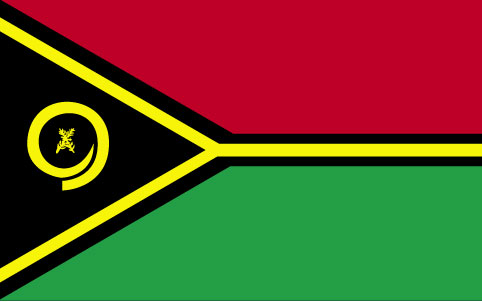
Vanuatu
Declare Your Relationship to Vanuatu
CountryReports Community
- Studying5
- From Vanuatu1
- Vanuatu heritage1
- Visited1
- Want to visit2
Customs and Culture
Customs and Culture
Cultural Attributes
Some of the cultural attributes of the people that live in Vanuatu include:
Community-oriented: The people of Vanuatu place a high value on community and social harmony. They have a strong sense of belonging to their local communities and work together to achieve common goals.
Respect for traditional customs: Vanuatu's indigenous people have a deep respect for their traditional customs and practices. They often incorporate traditional beliefs and rituals into their daily lives and celebrations.
Connection to land and nature: Many people in Vanuatu have a deep connection to the land and nature. They rely on the natural environment for food, medicine, and building materials, and they often incorporate nature into their spiritual beliefs and practices.
Hospitality: The people of Vanuatu are known for their hospitality and welcoming nature. They often invite visitors into their homes and communities and offer them food, drink, and friendship.
Artistic expression: The people of Vanuatu have a rich tradition of artistic expression, including music, dance, and visual arts. They often use art as a means of storytelling and preserving their cultural heritage.

Archipelago of a Thousand Voices
Get More Customs and Culture
5 more cultural topics for members
Social Customs & Etiquette · Diet · Family · Dating Customs · Recreation
Every country, every topic, all activities & recipes
✓ Instant access on this device · ✓ No subscription
Holidays
Independence Day
7/30Independence Day
Dates of Interest
- July 30th
What are the eating customs in Vanuatu?
Taro root and yams are staple foods, though in many rural areas food is prepared without electricity, while urban people have a large selection of imported foods.
Good to know
- Taro root and yams are staple foods
- Rural cooking is often done without electricity
- Urban areas offer many imported foods
How should I dress in Vanuatu?
Western-style clothing is worn in urban areas, while rural dress is more traditional.
Good to know
- Western clothing is common in urban areas
- In rural areas women may wear a fiber skirt without a top
- Men may wear a traditional loin cloth or shorts and a t-shirt
What gestures should I know about in Vanuatu?
Namele leaves signal peace, but crossed leaves indicate a dispute and a warning not to enter, and some places are taboo to women.
Don’t
- Don't enter land or a business where two Namele leaves are crossed, as it signals a dispute
- On Ambrym island, women should not look at or enter the area of the Fanla chief's house
Good to know
- Namele leaves are a sign of peace and appear on the Vanuatu flag
- Shells on a house roof remind women of a taboo place
What are families like in Vanuatu?
Family roles vary by area, with men in charge in some villages and women in others, and some marriages are arranged by family and descent.
Good to know
- In some villages men lead, in others women lead
- In some rural areas marriage partners are determined by family and descent
- Marriages are usually accompanied by gifts exchanged between the groom and the bride's family
What do people do for recreation in Vanuatu?
A lack of electricity in many rural areas limits recreational activities, and socializing over Kava is common for men.
Good to know
- Socializing and drinking Kava is common among men
- Recreation is limited in rural areas without electricity
What should I know about the culture before visiting Vanuatu?
Ni-Vanuatu are community-oriented and hospitable, with a deep respect for traditional customs and a strong connection to land and nature.
Good to know
- Community and social harmony are highly valued
- Hospitality is common, with visitors often welcomed with food, drink, and friendship
- Traditional customs and rituals are woven into daily life
- Music, dance, and visual arts are important forms of cultural expression
Last updated: 2026-07-12 · Sources: CountryReports
Photos of Vanuatu
Photos of Vanuatu


Travel and Tourism
Travel and Tourism
- Travel Alert Status
- Level 1: Exercise Normal Precautions
- Currency
- vatu (VUV)
- Time Difference
- UTC+11 (16 hours ahead of Washington, DC, during Standard Time)
- Airports
- 30
Read the full travel guide — health, safety, vaccinations, disease risk, sanitation, and transit details.
View full travel guideRecipes
Recipes
History
History
Historical Eras
Austronesian Settlement
2000 BCE – 1606
Austronesian-speaking peoples arrived in the islands approximately 4,000 years ago, establishing the Melanesian cultures that would define the archipelago. Pottery fragments dated to 1300–1100 BCE attest to early settlement. These communities developed diverse languages and customs across the islands, with the population reaching significant levels before European contact introduced disease and disruption.
European Contact
1606 – 1865
Portuguese explorer Pedro Fernández de Quirós became the first European to sight the islands in 1606, believing Espíritu Santo to be the fabled southern continent. Louis Antoine de Bougainville and Captain James Cook subsequently charted the archipelago, with Cook naming it the New Hebrides in 1774. The sandalwood trade from 1825, followed by the brutal 'blackbirding' indentured labor trade of the 1860s, devastated the indigenous Melanesian population.
Colonial Settlement
1865 – 1906
European settlers arrived in increasing numbers to establish cotton, coffee, and coconut plantations, with British Australians initially dominant until the French Caledonian Company of the New Hebrides shifted the balance in France's favor by the 1880s. Missionaries of both Catholic and Protestant denominations established a presence alongside commercial interests. Competing British and French claims over the islands created diplomatic friction that neither power could resolve through annexation.
Anglo-French Condominium
1906 – 1980
France and Britain agreed in 1906 to jointly administer the New Hebrides under the unique British-French Condominium, which maintained parallel governmental and legal systems while barring Melanesians from citizenship of either power. The arrival of American forces during World War II stimulated indigenous nationalism, fueling movements such as the John Frum cargo cult. The Vanua'aku Pati, founded in the early 1970s by figures including Father Walter Lini, pressed successfully for self-determination.
Independence & Modern Era
1980 – present
The Republic of Vanuatu was proclaimed on July 30, 1980, with Walter Lini serving as the country's first Prime Minister; Vanuatu joined the United Nations in 1981. The nation navigated recurring political instability marked by frequent changes of government while developing its economy around tourism, offshore financial services, and agriculture. Natural hazards have periodically tested the country, including the eruption of Mount Manaro in 2005 and the devastating impact of Cyclone Pam in 2015.
Overview
The prehistory of Vanuatu is obscure; archaeological evidence supports the commonly held theory that peoples speaking Austronesian languages first came to the islands some 4,000 years ago. Pottery fragments have been found dating back to 1300-1100 B.C.
Every country, every topic, all activities & recipes
✓ Instant access on this device · ✓ No subscription
Timeline of Key Events
1605
Islands visited by Spanish navigator Pedro Ferdinand de Quiros.
Islands visited by Spanish navigator Pedro Ferdinand de Quiros.
1768
Louis Antoine de Bougainville names the islands Les Grandes Cyclades.
Louis Antoine de Bougainville names the islands Les Grandes Cyclades.
1774
British explorer Captain Cook charts the islands calling them the New Hebrides.
British explorer Captain Cook charts the islands calling them the New Hebrides.
1865
European settlers begin to arrive on the islands.
European settlers begin to arrive on the islands.
1878
Britain and France agreed to Island group remaining independent.
Britain and France agreed to Island group remaining independent.
1906
Britain and France make the country a Condominium, under joint administration.
Britain and France make the country a Condominium, under joint administration. Each power is responsible for its own citizens but indigenous New Hebrideans are looked after by both countries. Non-New Hebrideans choose which country they want to be governed by.
1906
Coup d’etat failed.
Coup d’etat failed.
Read the full history profile — narrative overview, defining eras, and the complete timeline in one place.
View expanded historyInteresting Facts
Interesting Facts
There are over 113 languages spoken in Vanuatu. Official languages are English, French and Bislama (also known as pidgin).
See every fact — trivia, oddities, and curious tidbits gathered from across the country.
View all interesting factsGeography and Environment
Geography and Environment
- Terrain
- mostly mountainous islands of volcanic origin; narrow coastal plains
- Climate
- tropical; moderated by southeast trade winds from May to October; moderate rainfall from November to April; may be affected by cyclones from December to April
- Natural Hazards
- tropical cyclones or typhoons (January to April); volcanism causes minor earthquakes; tsunamis
- Current Environmental Issues
- a majority of the population does not have access to a potable and reliable supply of water; deforestation
Read the full geography and environment profile — terrain, climate, natural resources, hazards, land use, and international agreements.
View full geographyPeople & Demographics
People & Demographics
Religion
Languages Spoken
three official languages: English, French, pidgin (known as Bislama or Bichelama), plus more than 100 local languages
- English
- French
- Pidgin
Population
- Population
- 327,300
- Population in Major Urban Areas
- PORT-VILA (capital) 47,000
- Nationality Noun
- Ni-Vanuatu (singular and plural)
- Ethnic Groups
- indigenous Melanesian 98%, French, Vietnamese, Chinese, other Pacific Islanders
Education
- Literacy Definition
- age 15 and over can read and write
Life Expectancy
- Life Expectancy at Birth
- Life expectancy at birth in Vanuatu stands at approximately 70 years overall, with women typically outliving men by several years. Female life expectancy is estimated at around 72 years, while male life expectancy sits closer to 68 years. These figures place Vanuatu in a moderate range compared to other Pacific Island nations and reflect ongoing improvements in public health infrastructure over recent decades. Several factors influence life expectancy across the archipelago. Access to healthcare remains uneven, with residents of the capital Port Vila and the island of Luganville enjoying comparatively better medical facilities than those living on Vanuatu's more remote outer islands. The country's scattered geography — spanning over 80 inhabited islands — presents significant challenges for delivering consistent health services, including maternal care, vaccinations, and treatment for communicable diseases. Improvements in child survival rates have been a meaningful driver of rising life expectancy over the past generation. Infant mortality has declined substantially, and immunization programs covering diseases such as measles, polio, and tuberculosis have expanded their reach into rural communities. These gains have helped push overall life expectancy upward from levels recorded in earlier decades. Non-communicable diseases, including cardiovascular disease, diabetes, and respiratory conditions, are increasingly contributing to premature death as dietary patterns shift and urbanization accelerates. Tropical infectious diseases, including dengue fever, also remain persistent health concerns that affect population wellbeing and longevity. Natural disasters pose an additional indirect threat to life expectancy. Vanuatu is consistently ranked among the world's most disaster-prone countries, and major cyclone events have disrupted health services, damaged infrastructure, and strained the country's limited medical resources for extended periods. Tropical Cyclone Harold, which struck in April 2020, caused widespread destruction across several islands and compounded existing health system pressures during a particularly difficult period. Despite these challenges, Vanuatu's overall trajectory in life expectancy has been positive, reflecting the combined efforts of the national government, international health organizations, and community-level health workers who provide services across this geographically complex nation.
- Infant Mortality Rate
- Vanuatu has made notable progress in reducing infant mortality over recent decades, though the rate remains higher than those found in many developed nations. The infant mortality rate in Vanuatu stands at approximately 24 to 26 deaths per 1,000 live births, reflecting ongoing challenges in healthcare access, nutrition, and maternal health services across the archipelago's widely dispersed islands. The primary causes of infant death in Vanuatu include respiratory infections, diarrheal diseases, neonatal complications, and malaria. Many of these conditions are preventable or treatable with timely medical intervention, but geographic isolation poses a significant barrier. Vanuatu comprises more than 80 islands spread across a vast stretch of the southwestern Pacific Ocean, and reaching adequate healthcare facilities can be difficult — or impossible — for families living in remote rural communities. Urban centers like Port Vila and Luganville have better access to hospitals and trained healthcare workers, which contributes to measurable disparities in health outcomes between urban and rural populations. In rural areas, traditional birth attendants still assist with many deliveries, and access to skilled medical personnel during childbirth remains limited. The government of Vanuatu, in partnership with international organizations including UNICEF and the World Health Organization, has worked to improve immunization coverage, promote breastfeeding, expand maternal and child health programs, and train community health workers. Vaccination campaigns targeting measles, polio, and other preventable diseases have contributed to declining infant mortality figures over the past two decades. Despite this progress, malnutrition continues to affect a portion of Vanuatu's infant population, particularly in outer islands where food security and access to clean water can be inconsistent. Climate-related events such as cyclones — which strike Vanuatu with some regularity — can disrupt healthcare infrastructure and set back gains in child health outcomes. Continued investment in rural health infrastructure, community education, and climate resilience will be essential to sustaining and accelerating further reductions in infant mortality across the nation.
Read the full people and society profile — demographics, health, education, religion, languages, and notable people.
View full people and societyGovernment & Politics
Government & Politics
Country Identity
- Country Name
- Vanuatu
- Full Country Name
- Republic of Vanuatu
- Former Name
- New Hebrides
Government Structure
- Government Type
- parliamentary republic
- Legal System
- unified system being created from former dual French and British systems
- Executive Branch
- chief of state: President Nikenike VUROBARAVU (since 23 July 2022) head of government: Prime Minister Charlot SALWAI (since 6 March 2024); Deputy Prime Minister Silas YATAN (since 6 March 2024) cabinet: Council of Ministers appointed by the prime minister, responsible to Parliament elections: president elected for a five-year term by an electoral college consisting of Parliament and the presidents of the regional councils; election for president last held 23 July 2022 (next to be held in 2027); following legislative elections, the leader of the majority party or majority coalition is usually elected prime minister by Parliament from among its members; general elections last held 13 January 2022 (next to be held in 2026) election results: Nikenike VUROBARAVU elected president in the ninth round of voting by the electoral college on 23 July 2022; Charlot SALWAI elected prime minister by Parliament on 6 March 2024 following the resignation of Sato KILMAN
- Legislative Branch
- Unicameral Parliament (52 seats; members elected by popular vote to serve four-year terms) Elections: Last held on 13 March 2024 (next to be held in 2028) Election results: Seats by party — Vanua'aku Pati (VP) 9, Union of Moderate Parties (UMP) 7, Rural Development Party (RDP) 7, Reunification of Movements for Change (RMC) 5, National United Party (NUP) 4, Laverwo Naleo Vanuatu (LNV) 3, People's Progressive Party (PPP) 3, other and independent 14; note — political party associations remain fluid and coalition alignments frequently shift following elections Note: The National Council of Chiefs (Malvatu Mauri) serves in an advisory capacity on matters of culture and custom, and holds a constitutionally recognized role in Vanuatu's governance structure
- Judicial Branch
- Supreme Court (chief justice is appointed by the president after consultation with the prime minister and the leader of the opposition, three other justices are appointed by the president on the advice of the Judicial Service Commission)
- Suffrage
- 18 years of age; universal
- Constitution
- 30-Jul-80
- Independence
- 30 July 1980 (from France and UK)
- National Holiday
- Independence Day, 30 July (1980)
Capital City
- Capital Name
- Port-Vila (on Efate)
- Capital - geographic coordinate
- 17 44 S, 168 19 E
- Capital Time Difference
- UTC+11 (16 hours ahead of Washington, DC, during Standard Time)
there are two possibilities for the origin of the name: early European settlers were Portuguese and "vila" means "village or town" in Portuguese, hence "Port-Vila" would mean "Port Town"; alternatively, the site of the capital is referred to as "Efil" or "Ifira" in native languages, "Vila" is a likely corruption of these names
Military
Branches: no regular military forces; Vanuatu Police Force (VPF), Vanuatu Mobile Force (VMF; includes Police Maritime Wing (PMW))
Embassy / Diplomatic Mission
U.S. Embassy in Papua New Guinea
Douglas Street, Port Moresby
Express/courier mail service address: U.S. Embassy, Douglas St., Port Moresby, NCD 121.
Mailing address: PO Box 1492, Port Moresby, NCD 121, Papua New Guinea
Telephone: 675 321-1455
After-hours emergency number for U.S. citizens: 675 7200-9439
Email: consularportmoresby@state.gov
Read the full government profile — flag symbolism, national anthem, and other national symbols.
View full government detailsEconomy
Economy
Vanuatu's South Pacific island economy is based primarily on small-scale agriculture, which provides a livelihood for roughly two-thirds of the population.
Snapshot
- Currency Name and Code
- Vanuatu Vatu (VUV)
- GDP Real Growth Rate
- 4.2%
Every country, every topic, all activities & recipes
✓ Instant access on this device · ✓ No subscription
News & Weather
News & Weather
Current Weather
Latest News
Fiji 1-0 Vanuatu (Oct 3, 2026) Final Score - ESPN
ESPN · 3d ago
Story | Hadassah Brings Pediatric Emergency Expertise to Vanuatu - Hadassah | The Women's Zionist Organization of America
Hadassah | The Women's Zionist Organization of America · 9d ago
Pacific News Minute: Calls for change following Vanuatu boating tragedies - Hawaii Public Radio
Hawaii Public Radio · 7d ago
Vanuatu hits back at 'racist, neo-colonial rant' from pro-French lawmaker - National Indigenous Times
National Indigenous Times · 5h ago
One dead, more than 30 missing after Vanuatu ferry sinks, PM’s office says - Al Jazeera
Al Jazeera · 25d ago
Vanuatu ends search for 37 people missing in ferry sinking - AP News
AP News · 21d ago
Fiji vs Vanuatu - International Friendlies - OneFootball
OneFootball · 5d ago
Digicel Vanuatu introduces QR payments for service buses - Telecompaper
Telecompaper · 1d ago
News via Google News
Videos
Videos
1 curated YouTube videos.
Source: YouTube
Frequently Asked Questions
Frequently Asked Questions
What is the population of Vanuatu?
What is the capital of Vanuatu?
Where is Vanuatu located?
What ocean and seas surround Vanuatu?
What is the predominant religion in Vanuatu?
What is the currency of Vanuatu?
What languages are spoken in Vanuatu?
What is the geography of Vanuatu like?
What is Vanuatu known for?
Last reviewed 2026