
 English
 Español
 中文
中文 हिन्दी
 Français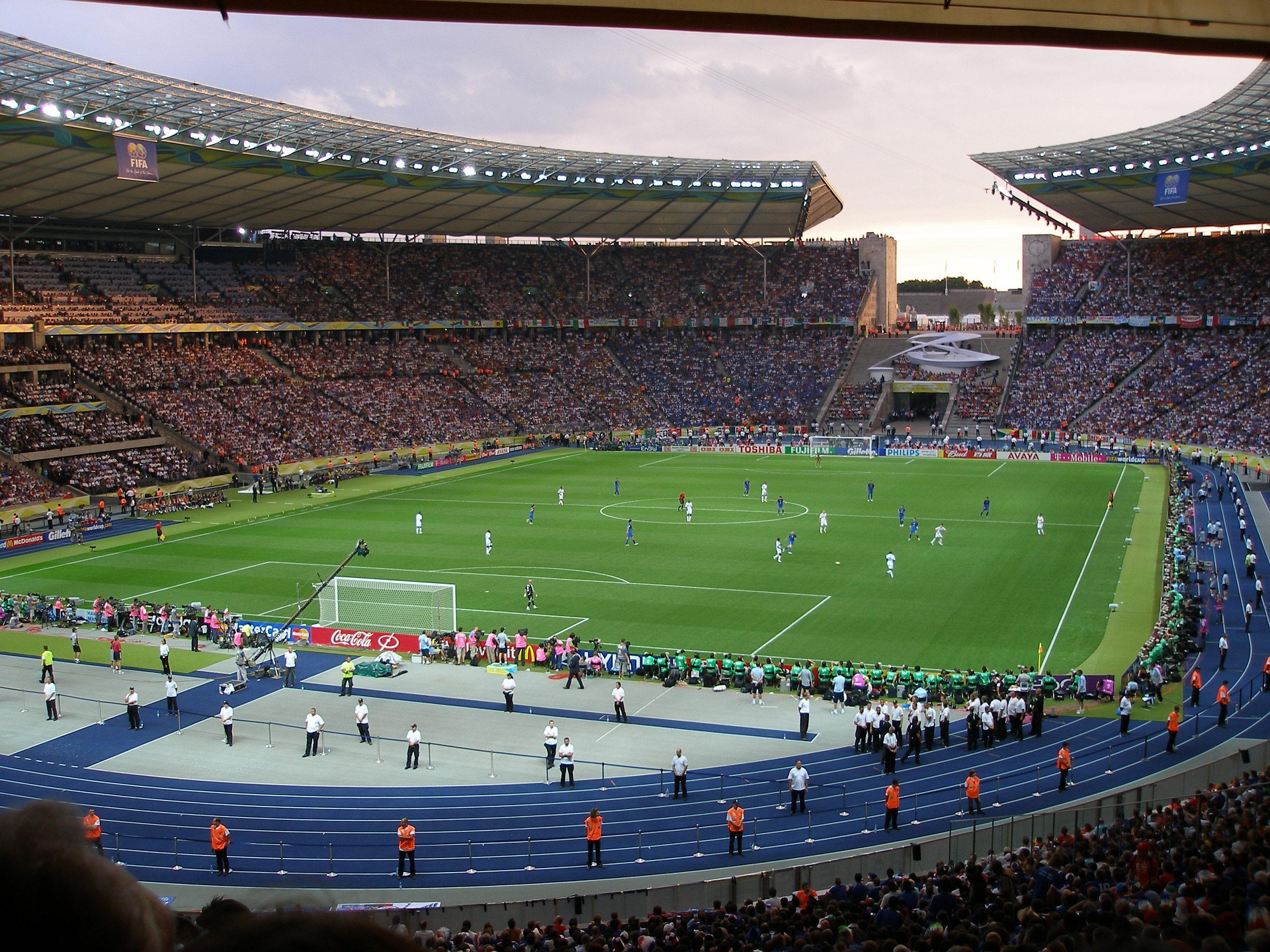
History of the FIFA World Cup
A complete history of the FIFA World Cup from the 1930 inaugural tournament in Uruguay to the modern global game
Introduction
The FIFA World Cup is the most watched single sporting event on the planet and one of the most consequential cultural phenomena of the modern world. Held every four years since 1930, with the sole interruption of the Second World War, the tournament brings together the national teams of the world's footballing federations in a month of competition that draws television audiences exceeding five billion cumulative viewers and a final-match audience consistently above one billion people. The World Cup is bigger than any league, bigger than the Olympics in terms of single-event audience, and historically more important than any other international sporting competition in shaping national identity, popular memory, and the global commercial reach of sport.
The story of the World Cup is also the story of the modern global game. Football itself was codified in England in 1863, exported through the British Empire and the networks of trade and migration that defined the late nineteenth century, and adapted by every culture it touched into something distinctively local. By the early twentieth century the game had taken root in South America, central Europe, and parts of Africa and Asia, and the question of how to determine which national team was the best in the world became urgent. The answer, eventually, was a tournament organized by the Fédération Internationale de Football Association, the worldwide governing body founded in Paris in 1904 and based since shortly afterward in Zurich. The first World Cup was held in Uruguay in 1930 with thirteen teams, four of them from Europe, and was won by the host country in a stadium built specially for the event. From that small beginning the tournament has grown into a global commercial spectacle of thirty-two teams, expanding to forty-eight teams for the 2026 edition co-hosted by the United States, Canada, and Mexico.
This article surveys the full history of the FIFA World Cup from the origins of international football and the founding of FIFA, through the inaugural tournament and every subsequent edition, the iconic moments and the great players, the political controversies and the governance scandals, the host countries and the architectural ambitions of their stadiums, and the evolution of the tournament's format and reach. It considers the players whose performances have entered the public memory of every footballing nation, the matches whose results have shaped how cultures remember decades and even generations, and the slow expansion of the women's tournament from its 1991 inaugural to its current place as one of the world's most important sporting events in its own right. The World Cup is the closest thing the human race has to a shared four-yearly festival, and its history is one of the great cultural narratives of the modern age.
The Origins of International Football
The game of association football, called soccer in some English-speaking countries to distinguish it from other football codes, was codified in London on October 26, 1863 at a meeting of representatives from a small number of school and university clubs who established the Football Association and a unified set of rules. The codification ended decades of confusion in which different schools played different versions of football with no agreed laws, and it set the stage for the rapid expansion of the game across Britain, through the British Empire and the trading and migrant networks of the late Victorian era, and then across the rest of the world. By the 1880s organized football leagues existed in England, Scotland, Wales, and Ireland, and the world's first international match between Scotland and England had been played in Glasgow in 1872 before a crowd of about four thousand spectators on a cricket ground at Hamilton Crescent. The match ended in a goalless draw and is generally regarded as the start of international football competition.
During the 1880s and 1890s the game spread rapidly. British engineers, sailors, traders, and railway workers carried football to South America, where Argentine and Uruguayan players developed the game with the help of British coaches and started their own clubs and leagues. British public-school graduates and teachers established the sport in central Europe, with Vienna, Prague, Budapest, and Zurich emerging as early footballing centers. The first international match outside the British Isles is generally identified as Argentina against Uruguay in Montevideo in 1901, although informal cross-border matches had been played before that. By the early 1900s organized national federations existed across western and central Europe and in much of South America, and the question of how to organize international competition was becoming pressing.
Continue reading with a membership
Every country, every topic, all activities & recipes
✓ Instant access on this device · ✓ No subscription