
 English
 Español
 中文
中文 हिन्दी
 Français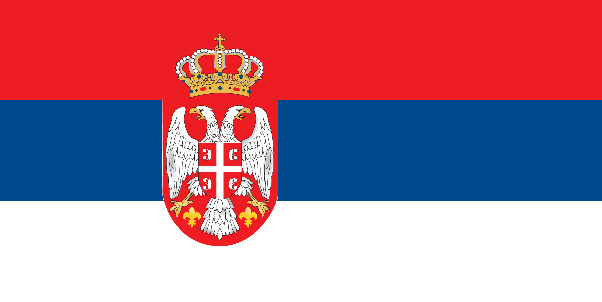
Serbia
Srbija
Declare Your Relationship to Serbia
CountryReports Community
- Studying5
- From Serbia3
- Serbia heritage0
- Visited1
- Want to visit2
Customs and Culture
Customs and Culture
Cultural Attributes
People in Serbia and Montenegro are incredibly patriotic and highly value family and kinship networks. As the turbulent recent history has wreaked havoc on the economic and social structures, people have turned inward and become more suspicious of outsiders. Unemployment is still nearly 30%, and a large gap exists between the wealthy and the poor.
Serbia and Montenegro have separate governance, each with its own president, legislation, and court system.
Yugoslavia was once admired for its diverse and integrated society and will no doubt strive to return to everyday commerce with its neighbors. The social order is patriarchal, although this is slowly changing as women increasingly need to be breadwinners alongside men.

Heartland of the Balkans
Social Customs & Etiquette
Greetings
In Serbia, greetings are an important part of social interaction, and customs for greeting can vary depending on the situation and the level of familiarity between individuals.
Handshakes: Handshakes are a common form of greeting, especially in formal situations or when meeting someone for the first time. A firm handshake with direct eye contact is considered polite and respectful.
Kissing on the Cheek: Among friends, family members, or acquaintances, it is common to exchange kisses on the cheek (usually starting with the right cheek). Typically, two kisses are given, but the number may vary depending on the region.
Verbal Greetings: Verbal greetings such as "Zdravo" (Hello), "Dobar dan" (Good day), or "Dobro jutro" (Good morning) are commonly used throughout the day depending on the time of day.
Addressing with Titles and Last Names: In formal situations, it is customary to address people using their titles and last names, especially when meeting someone for the first time or in professional settings.
Respecting Elders: Respecting elders is an important aspect of Serbian culture. When greeting older individuals, it is customary to show deference and use formal language and gestures.
Maintaining Eye Contact: When greeting someone, maintaining eye contact is considered polite and respectful, especially during a handshake or verbal exchange.
Warmth and Hospitality: Serbians are known for their warmth and hospitality, so greetings often involve expressions of goodwill and interest in the other person's well-being.
Body Language: Body language plays a role in greetings, with gestures such as smiling, nodding, and standing at an appropriate distance conveying friendliness and respect.
Gestures
Like in many cultures, certain gestures in Serbia may be considered offensive or rude. It's important to be mindful of cultural norms and customs when communicating with others. Some gestures that could be perceived as offensive in Serbia include:
Showing the Sole of Your Foot: Similar to many other cultures, displaying the sole of your foot or shoe towards someone in Serbia can be considered disrespectful and offensive.
Using the "OK" Gesture: While the "OK" gesture (forming a circle with the thumb and index finger) is commonly used in many Western cultures to indicate agreement or approval, in some Eastern European countries, including Serbia, it may carry a vulgar or offensive meaning.
Pointing with a Finger: Pointing directly at someone with your finger, especially accompanied by a stern expression, can be seen as confrontational and impolite.
Offensive Hand Signs: Making offensive hand signs or gestures, such as the middle finger or the "V" sign with the palm facing inward, is universally considered rude and disrespectful.
Crossing Your Fingers: While crossing fingers may be a gesture of luck or good wishes in some cultures, it can be interpreted as a sign of dishonesty or deceit in Serbia.
Hand Gestures with Closed Fist: Gestures involving a closed fist, especially if directed aggressively towards someone, can be seen as threatening or hostile.
Whistling Indoors: Whistling indoors, particularly in someone's home or workplace, is considered impolite and may be seen as bringing bad luck.
Negative Body Language: Negative body language, such as rolling eyes, sighing loudly, or crossing arms in a defensive manner, can convey disrespect or disdain.
Visiting
Serbians frequently visit one another, and it is an important part of the culture to keep close ties with family and friends. Visitors may bring gifts on special occasions like birthdays, but it is impolite to open the gift while the guest is still there.
Personal Appearance
In Serbia, clothing styles vary depending on region, occasion, personal preference, and individual lifestyle.
Modern Western Clothing: Modern Western clothing is prevalent in urban areas and among younger generations. This includes jeans, T-shirts, shirts, blouses, dresses, skirts, suits, and jackets similar to those worn in other European countries and North America.
Traditional Clothing (Folk Costume): Traditional Serbian clothing varies by region and ethnic group. These outfits are often worn during cultural events, festivals, weddings, and other special occasions. Traditional attire for men may include the šajka?a (a traditional Serbian cap), a white shirt, a vest (jelek), trousers (kalpak), and boots. For women, traditional clothing may consist of colorful embroidered dresses (nosnja), aprons, vests, and headscarves.
Ethnic and Religious Clothing: Serbia is a diverse country with various ethnic and religious groups. Members of different ethnic communities, such as Hungarians, Roma, and Albanians, may wear clothing that reflects their cultural traditions. Additionally, individuals who belong to religious communities, such as Orthodox Christians, Muslims, and Catholics, may wear religious attire for ceremonies and religious observances.
Casual and Sportswear: Casual and sportswear, including tracksuits, athletic shoes, and activewear, are commonly worn for everyday activities, sports, and leisure pursuits.
Outerwear: During colder months, people in Serbia wear coats, jackets, scarves, hats, and gloves to stay warm. Heavy coats, wool sweaters, and insulated boots are common during the winter season.
Formal Wear: Formal attire is worn for special events, celebrations, and formal occasions such as weddings, parties, and business functions. This may include suits, dresses, dress shirts, ties, and formal shoes.
Diet
The Serbian staple diet relies on bread, fruit, meat, and dairy products, including yogurt and cottage cheese. Peppers are also a common ingredient in many dishes. The national dish is called cevapcici. It consists of small meat patties, highly spiced and grilled. Other Serbian specialties include a type of cornbread, proja; a thin, crispy dough served with eggs and cheese called gibanica; cabbage leaves filled with meat or sarma; and palacinke or crepes, served with coffee prepared in the Turkish style. A fruit juice called sok is very popular.
People in Serbia and Montenegro eat in continental style, with a fork in the left hand and knife in the right hand. Breakfast usually consists of bread, eggs, meat and a dairy sour cream dip called kajmak. Lunch is the main meal of the day, and is commonly taken at 3 PM. Then a light supper is served at about 8.00pm in the evening.

Family
The extended family is still strong, but young people prefer to move into their own apartment. The normal size of family is one or two children. Grand-parents often help to look after the grand-children, and are cared for by their adult children when they become frail or ill.
Dating Customs
Teenagers may meet at school, church activities, or with family outings. In their late teens, they can go out to cafes, movies or go for walks. Arranged marriages are not in currency, and young people select their own marriage partners. The age of marriage is moving up to late twenties.
Recreation
Recreational activities vary depending on personal interests, location, and available resources.
Sports: Football (soccer) is immensely popular in Serbia, with many people playing and watching matches. Basketball is also highly regarded, and tennis has gained popularity due to successful Serbian players like Novak Djokovic. Other sports, such as volleyball, handball, and water sports, are also enjoyed.
Outdoor Activities: Serbia offers diverse landscapes, making outdoor activities popular. Hiking, camping, cycling, and mountaineering are enjoyed in areas like the Tara National Park, Kopaonik Mountain, and along the Danube River.
Socializing: Serbians are known for their hospitality and love of socializing. Gathering with friends and family for meals, drinks, and conversation is a common form of recreation.
Cultural Activities: Serbia has a rich cultural heritage, and its cities offer various cultural activities such as visiting museums, art galleries, theaters, and attending concerts and festivals.
Nightlife: Urban centers like Belgrade have vibrant nightlife scenes with numerous bars, clubs, and cafes where people can enjoy music, dancing, and socializing late into the night.
Traditional Festivals: Participating in traditional festivals and events throughout the year is a significant part of recreation in Serbia. These festivals often feature music, dance, food, and cultural exhibitions.
Recreational Sports: Besides mainstream sports, recreational sports like jogging, yoga, fitness classes, and recreational leagues for various sports are also popular among Serbians.
Nature Exploration: Exploring natural landmarks such as caves, rivers, and lakes, as well as visiting historical sites and monasteries, provides opportunities for relaxation and recreation.
Student Life
It is not unusual for kids to have a very busy day from very early in the morning. Getting up around 5 or 6 a.m., on occasions even earlier, the young one(s) get out of bed to start a new day. While their fellow city classmates have the luxury of having virtually no chores before breakfast, kids living in rural areas have to tend to the livestock or do some other small chore before they eat breakfast. Personal hygiene was always very important for both pragmatic (diseases) and esthetical reasons. Washing the hands and face is a must-do. Breakfast is one thing that rural kids may enjoy more than urban kids. In the countryside, breakfast is natural, nutritional, and usually homemade. The menu includes eggs, cheese, milk, kajmak (diary product), bacon, poga?a (rural type of bread). After a good meal, it's off to school.
However, getting to school is sometimes a feat of its own. Often, a few villages share one school. Considering the population, this would not be a problem, but from a metric point of view, kids sometimes have to walk two or more hours to school in some areas. Some have a paved or asphalt road, so a local bus can take them at least a part of their way, but in mountain areas, sometimes there are no decent roads, and in winter conditions, going to school is challenging. In cases where there are means of transportation, there are options. In Serbia, there is no school bus service, so kids either take a ride in the local bus or hitch a ride from parents going to work, friends, relatives, or neighbors going the same way. Grandparents often accompany young kids to and from school. It is interesting and, at the same time, alarming that the large number of rural children who finish elementary school never move on to high school or University because of the commuting fee and poverty (renting an apartment in the city, living expenses, tuition fees, etc.)
More than 70% of schools in rural areas are very old buildings. During the 90s period, the maintenance of schools was neglected. TV news reported about leaky ceilings, drafty windows, etc. Some objects were even closed because of the fear they would collapse. However, in recent years much has been done to improve the situation, fixing the roofs, improving the toilet and sanitation systems. Equipment and tools still are a problem because they are usually very expensive. All schools have desks, books (usually old books) and the basics but very few have computers or any modern equipment. Musical instruments are also quite expensive, so some schools may have a small piano older than 15 years. Also, a substantial percentage of rural kids do not have computers.
School starts at 8 a.m. and typically ends around 1 p.m. Younger grades naturally leave early. First graders have 30-minute classes, but a normal class period in Serbia is 45 minutes. After the second class (in Serbia called ?as) there is a lunch break. Schools typically do not have lunch halls and pupils in most cases bring their food from home or buy it if there is a store in the vicinity. Homemade food, in most cases, is a sandwich, and stores offer standard fast-food menus (hamburgers, Danish, donuts, crepes). The Teacher (in elementary school, very similar to the homeroom teacher) is in charge of the discipline. Pupils often go to the principal's office for medium-scale and major violations (fight, theft, damage and destruction of property, etc.). Serbian pupils do not wear uniforms. During the class, if adult person enters or exits the room pupils are expected to stand up. If students wish to talk to a teacher in the hall or if the teacher addresses them, the greeting would be dobar dan (good day).
Children often have other activities planned after school. There are several "groups". One option is sports. Many kids are members of basketball, soccer, volleyball, handball or some other sports club so after school they go to practice. Many kids play sports just for fun. Every village has at least one street court. The second group could be the children that go to playhouses (that exist only in small towns) where they can play PC or Sony Playstation, either LAN or over the Internet. The third group could be the ones that just hang out or go to coffee shops (usually older kids near graduation age) to have a drink with friends. The Fourth group, probably the smallest, goes to the organized extracurricular activities in Serbian called sekcija. These extracurricular activities are extremely rear in both city and rural schools for various reasons. School support is fro extracurricular activities low because schools have no budget for such activities.
Weekends are playtime. Kids have the chance to play all day, go to their friend's place, or just relax. Homework and chores are there but most free time is spent on relaxation. In the mornings, kids often help their parents or grandparents with cattle and house chores, but the afternoon is usually free time.
Kids aged 7 through 10 usually have fewer classes and return home early. Typical school day ends around 7 p.m. if it starts at 2 p.m. If the school day starts at 8 a.m. it ends around 1 p.m. Most schools rotate the schedule on the weekly basis. When children come home they have supper and usually the evening is free. There is no standard bedtime, it's individual to each family or household. A standard greeting is dobro ve?e (the polite variant) but most people use ?ao, similar to Italian "Ciao" and laku no? (good night). Evening meal could be a sandwich, pie, special kind of pie called Gibanica and a glass of milk.
Serbia has a big problem with unemployment. Therefore, parents tend to provide the best possible education they can to their kids in hopes that they will be able to provide them with a decent future. There were many public discussions about whether today's education in Serbia is too old and too wide. Because of the civil war in the '90s, education has lost its pace, but many complained that the knowledge is too in-depth and that the children get encyclopedic knowledge they can not cash in after graduation. However, music (theory) and painting will certainly remain dominant classes when it comes to art, but there is a slim chance that drama, journalism, sculpturing, and such will come into the spotlight. In rural areas, the possibilities outside music and painting are virtually non-existent.
Holidays
National Day
4/27Independence
Dates of Interest
- January 7th
The Srem Wine Festival takes place in the town of Sremska Mitrovica in the Srem region of Serbia. It celebrates the local wine production with wine tastings, cultural performances, culinary delights, and traditional crafts.
How do people greet each other in Serbia?
Greetings vary by familiarity: firm handshakes with eye contact in formal settings, and two kisses on the cheek among friends and family (usually starting with the right cheek). Common verbal greetings include "Zdravo," "Dobar dan," and "Dobro jutro."
Do
- Offer a firm handshake with direct eye contact when meeting someone for the first time
- Use titles and last names in formal or professional situations
- Show deference and use formal language when greeting elders
- Maintain eye contact and use warm, friendly body language
Good to know
- Two cheek kisses are typical among friends and family, though the number can vary by region
- Serbians are known for warmth and hospitality, so greetings often include expressions of goodwill
What are the dining customs in Serbia?
Serbians eat continental style, with the fork in the left hand and knife in the right. Lunch is the main meal, usually taken at 3 PM, followed by a light supper around 8 PM.
Do
- Hold your fork in the left hand and knife in the right (continental style)
- Try national dishes like cevapcici (spiced grilled meat patties), gibanica, proja, sarma, and palacinke
Good to know
- Breakfast usually includes bread, eggs, meat, and kajmak (a dairy sour cream dip)
- The staple diet relies on bread, fruit, meat, and dairy such as yogurt and cottage cheese
- Coffee is prepared Turkish style, and the fruit juice sok is very popular
What should I know about visiting and hospitality in Serbia?
Serbians frequently visit one another to maintain close ties with family and friends, and visitors may bring gifts on special occasions like birthdays.
Do
- Bring a gift when visiting on special occasions like birthdays
Don’t
- Don't open a gift while the guest who gave it is still present
How should I dress in Serbia?
Modern Western clothing such as jeans, shirts, dresses, and suits is prevalent in urban areas and among younger generations. Traditional folk costumes are reserved for cultural events, festivals, and weddings.
Good to know
- Formal attire like suits and dresses is expected for weddings, parties, and business functions
- Warm outerwear such as coats, wool sweaters, and insulated boots is common in winter
- Casual and sportswear is common for everyday activities and leisure
Which gestures should I avoid in Serbia?
Several gestures can be seen as offensive in Serbia, so be mindful of your body language and hand signs.
Don’t
- Don't show the sole of your foot or shoe toward someone
- Don't use the "OK" gesture, which may carry a vulgar meaning
- Don't point directly at someone with your finger
- Don't whistle indoors, as it is considered impolite and unlucky
Good to know
- Crossing your fingers may be interpreted as a sign of dishonesty
- Avoid negative body language like rolling eyes, sighing loudly, or crossing arms defensively
What is family life like in Serbia?
The extended family remains strong, though young people prefer their own apartments and typical families have one or two children. The social order is patriarchal, though this is slowly changing as more women become breadwinners.
Good to know
- Grandparents often help look after grandchildren and are cared for by their adult children when frail or ill
- Young people select their own marriage partners; arranged marriages are not practiced
- The age of marriage is moving up to the late twenties
What do people do for fun in Serbia?
Football is immensely popular, along with basketball and tennis, while socializing over meals and drinks is a common pastime. Serbia's diverse landscapes make outdoor activities like hiking, camping, and cycling popular.
Good to know
- Explore outdoor areas like Tara National Park, Kopaonik Mountain, and along the Danube River
- Enjoy cultural activities such as museums, theaters, concerts, and traditional festivals
- Belgrade and other urban centers have vibrant nightlife with bars, clubs, and cafes
Last updated: 2026-07-12 · Sources: CountryReports
Photos of Serbia
Photos of Serbia
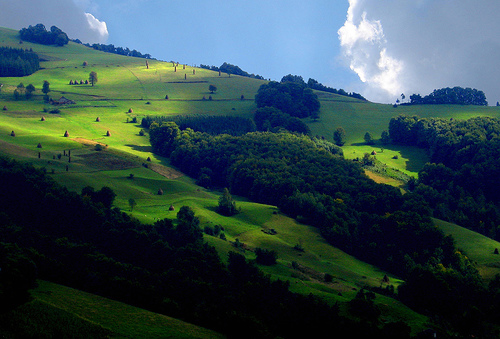
Povlen Mountain, Serbia
Sunset over Belgrade as seen from Serbia.
Farmland near Vojvodina, Serbia
Farmland near Vojvodina, Serbia
Wooden town of Mecavnik, Serbia
A Banatian house in the countryside of Serbia
Countryside near Zlatibor mountain, Serbia
Knez Mihailo’s monumnet, Belgrade, Serbia
Vegetables grown in Serbia and being sold at market.
Countryside home near Vojvodinian, Serbia
Belgrade
Belgrade


Travel and Tourism
Travel and Tourism
- Travel Alert Status
- Level 2: Exercise Increased Caution
- Time Difference
- UTC+1 (6 hours ahead of Washington, DC, during Standard Time)
- Airports
- 45
Read the full travel guide — health, safety, vaccinations, disease risk, sanitation, and transit details.
View full travel guideRecipes
Recipes
History
History
Historical Eras
Medieval Serbian Kingdom
814 – 1459
Stefan Nemanja founded the Nemanjić dynasty around 1170, establishing the first cohesive Serbian state and laying the foundations of the Serbian Orthodox Church, canonized through his son St. Sava in 1219. The realm reached its territorial apex under Stefan Dušan (1331–1355), who styled himself Emperor of the Serbs and Greeks. Decline followed swiftly; the catastrophic defeat at the Battle of Kosovo in 1389 broke Serbian noble power, and the fall of Smederevo in 1459 ended Serbian statehood.
Ottoman Rule
1459 – 1817
For nearly four centuries, Serbian lands were administered as Ottoman provinces, with the Serbian Orthodox Church serving as the principal institution preserving Serbian language, identity, and cultural memory despite periodic suppressions. Two major uprisings punctuated this era: Karađorđe Petrović led the First Serbian Uprising (1804–1813) and Miloš Obrenović the Second (1815–1817), founding rival dynasties that would shape Serbian politics for a century. These revolts won limited autonomy and set Serbia irreversibly on the path toward independence.
Principality & Independence
1817 – 1918
Serbia gained formal international recognition as an autonomous principality under Ottoman suzerainty following the Russo-Turkish War of 1828–1829, and achieved full independence at the Congress of Berlin in 1878, largely through Russian diplomatic support. The Obrenović and Karađorđević dynasties alternated in power amid constitutional struggles and foreign entanglements. Serbia emerged as a regional military power after the Balkan Wars of 1912–1913, but the assassination of Archduke Franz Ferdinand in Sarajevo in 1914 by Bosnian Serb Gavrilo Princip ignited World War I, ultimately destroying the old European order.
Yugoslavia
1918 – 1992
The Kingdom of Serbs, Croats, and Slovenes — renamed Yugoslavia in 1929 — united South Slavic peoples under Serbian royal leadership, though Croatian resentment of Belgrade's dominance created persistent tensions. Axis occupation during World War II was met by both royalist Chetnik and communist Partisan resistance; Marshal Josip Broz Tito's Partisans prevailed, establishing the Socialist Federal Republic of Yugoslavia in 1945. Tito's independent brand of communism, including expulsion from the Soviet bloc in 1948 and leadership of the Non-Aligned Movement, defined Yugoslavia until his death in 1980, after which ethnic nationalism rapidly destabilized the federation.
Post-Yugoslav Transition
1992 – 2006
Following the secession of Slovenia, Croatia, Bosnia-Herzegovina, and Macedonia in 1991–1992, Serbia and Montenegro proclaimed the Federal Republic of Yugoslavia under Slobodan Milošević, whose exploitation of Serbian nationalism fueled devastating wars across the former federation and triggered NATO's 1999 bombing campaign over Kosovo. Milošević was ousted in the democratic revolution of October 2000 and later extradited to the International Criminal Tribunal at The Hague. The state union of Serbia and Montenegro, established in 2003 under EU mediation, dissolved peacefully in 2006 when Montenegro voted for independence.
Modern Serbia
2006 – present
As an independent republic for the first time in its modern history, Serbia pursued European integration while navigating the deeply contentious unilateral declaration of independence by Kosovo in 2008, which Belgrade refuses to recognize. Democratic consolidation proceeded unevenly, marked by the dominance of the Serbian Progressive Party under Aleksandar Vučić from 2012 onward and ongoing negotiations over EU accession. Serbia's geopolitical position — balancing EU candidacy with close economic and cultural ties to Russia and China — remains the defining tension of its contemporary politics.
Overview
Serbs lived under the rule of the Ottoman sultans for nearly 370 years, though the Serbian Orthodox Church, with several disruptions, transmitted Serbian heritage and helped preserve Serbian identity during this period. Movements for Serbian independence began with uprisings led by Karadjordje Petrovic (1804-13) and Milos Obrenovic (1815-17), founders of two rival dynasties that would rule Serbia until World War I. Serbia became an internationally recognized principality under Turkish suzerainty and Russian protection after the Russo-Turkish War of 1828-1829. After waging war against Turkey in support of Bosnian rebels in 1876, Serbia formally gained independence in 1878 at the Congress of Berlin, largely thanks to Russian support. Following Austria-Hungary’s annexation of Bosnia, Serbia led a successful coalition of Montenegrin, Bulgarian, and Greek troops (the Balkan League) that in 1913 seized remaining Ottoman-controlled territory in Europe and established Serbia as a regional military leader.
The assassination of Austrian archduke Franz Ferdinand on June 28, 1914 in Sarajevo by a Bosnian Serb, Gavrilo Princip, set off a series of diplomatic and military actions among the great powers that culminated in World War I. Austro-Hungarian and Bulgarian forces occupied Serbia soon after World War I began. After the collapse of Austria-Hungary at the war’s end in 1918, Vojvodina and Montenegro united with Serbia, and former south Slav subjects of the Habsburgs sought the protection of the Serbian crown within the Kingdom of Serbs, Croats, and Slovenes. Serbia was the dominant partner in this state, which in 1929 adopted the name Yugoslavia.
The kingdom soon encountered resistance when Croats began to resent control from Belgrade. This pressure prompted King Alexander I to split the traditional regions into nine administrative provinces. During World War II, the Axis powers occupied Yugoslavia. Royal army soldiers, calling themselves Chetniks, formed a Serbian resistance movement, but the communist Partisans, with Soviet and Anglo-American help, succeeded in defeating the Chetniks and forcing German forces from Yugoslavia by 1944. In an effort to avoid Serbian domination during the postwar years, Bosnia and Herzegovina, Macedonia, and Montenegro were given separate and equal republican status within the new socialist federation of Yugoslavia; Kosovo and Vojvodina were made autonomous provinces within Yugoslavia.
Despite the appearance of a federal system of government in Yugoslavia, Serbian communists ruled Yugoslavia’s political life for the next four decades under Josip Broz Tito, a former Bolshevik and committed communist. In 1948 after Tito made several significant foreign policy decisions without consulting Moscow, Yugoslavia was expelled from the Soviet bloc, signifying a split with Moscow that left Tito independent to accept aid from the Marshall Plan and become a leader of the Non-Aligned Movement. Communist rule transformed Serbia from an agrarian into an industrial society; however, by the 1980s, Yugoslavia’s economy started to fail. With the death of Tito in 1980, separatist and nationalist tensions emerged in Yugoslavia.
In the late 1980s, Slobodan Milosevic propelled himself to power in Belgrade by exploiting Serbian nationalism, especially over Kosovo. In 1989, he arranged the elimination of Kosovo’s autonomy in favor of direct rule from Belgrade. Belgrade ordered the firing of large numbers of ethnic Albanian state employees, whose jobs were then taken by Serbs. As a result of this oppression, Kosovo Albanian leaders led a peaceful resistance movement in the early 1990s and established a parallel government funded mainly by the Albanian diaspora.
Between 1991 and 1992, Slovenia, Croatia, Bosnia and Herzegovina, and Macedonia all seceded from Yugoslavia. On April 27, 1992, in Belgrade, Serbia and Montenegro joined in passing the Constitution of the Federal Republic of Yugoslavia (F.R.Y.).
Kosovo’s peaceful resistance movement failed to yield results, and in 1997 the Kosovo Liberation Army (KLA) began an armed resistance. The KLA’s main goal was to secure the in
Timeline of Key Events
814
Formation of Serbia.
Formation of Serbia.
1182
Serbia allies itself with Hungary to gain independence.
Serbia allies itself with Hungary to gain independence.
1330
The Bulgars under Michael III are beaten by the Serbs at Velbuzhd.
The Bulgars under Michael III are beaten by the Serbs at Velbuzhd, and large parts of Bulgaria fall to Serbia.
1389
Serb nobility decimated in battle of Kosovo Polje as Ottoman Empire expands.
Serb nobility decimated in battle of Kosovo Polje as Ottoman Empire expands.
1400 – 1800
Serbia absorbed by Ottoman Empire.
Serbia absorbed by Ottoman Empire.
1403
Belgrade became capital of Serbia for the first time.
Belgrade became capital of Serbia for the first time.
1878
Serbian independence recognized by international treaties.
Serbian independence recognized by international treaties.
Read the full history profile — narrative overview, defining eras, and the complete timeline in one place.
View expanded historyInteresting Facts
Interesting Facts
1389-1815 Ottoman Empire rules Serbia
If someone requests a song, the musicians are tipped in an amusing way. The person places a bill on the neck of the instrument, or sticks the money onto the perspiring forehead of the musician.
Egg tapping: Serbian Easter includes a special ritual with Easter eggs. Children and adults tap their eggs together to see which egg is strongest. One person holds an egg in his fist with only the tip showing while another person taps it with the tip of her own egg. The winner is the one whose egg does not crack.
When you are introduced to someone in Serbia, you shake hands and both you and the other person say your own first and last names,
It is not unusual for friends and family to kiss each other on the cheek when they see each other. Men kiss men and women kiss women. Three kisses in all- first one cheek, then the other, then the first cheek again.
When King Uros Nemanja brought his wife to Serbia from France in the 12th century, he planted flowers that would remind her of home. He didn’t want her to be homesick. The lilac trees took root along the fertile banks of the Ibar River and grace the countryside to this day.
See every fact — trivia, oddities, and curious tidbits gathered from across the country.
View all interesting factsGeography and Environment
Geography and Environment
- Terrain
- extremely varied; to the north, rich fertile plains; to the east, limestone ranges and basins; to the southeast, ancient mountains and hills; to the southwest, extremely high shoreline with no islands off the coast
- Climate
- A continental climate predominates in Serbia with cold winters and warm summers. Montenegro is largely the same, but with alpine conditions in the mountains and a Mediterranean climate on the Adriatic coast. The Belgrade climate is moderate continental with four, distinct seasons. Autumn is longer than spring, with lengthy sunny and warm periods. Winter is not particularly harsh, and averages 21 days with below freezing temperatures. January is the coldest month of the year with an average temperature of -0.2°C/31.6°F. Spring is rather short and rainy. Summer starts abruptly. The average daily temperature in the hottest month of July is 34.2°C/93°F, but it is not uncommon for highs to reach the upper 30s and lower 40s Celsius (90s, 100s Fahrenheit) in the summertime. Average humidity is 70%. Belgrade has a characteristic southeastern and eastern wind called "košava," which brings fair and dry weather. It is most frequent in the fall and winter, lasting for 2-3 days. The average košava speed is 25-43 km/h. The capital has an annual average of 139 days with precipitation, including 27 days of snow. The most intense precipitation occurs in May and June, when 1-day rains are most frequent. February is the driest month. The annual average precipitation is 701mm / 27.6.''
- Natural Hazards
- destructive earthquakes
- Current Environmental Issues
- pollution of coastal waters from sewage outlets, especially in tourist-related areas such as Kotor; air pollution around Belgrade and other industrial cities; water pollution from industrial wastes dumped into the Sava which flows into the Danube
Read the full geography and environment profile — terrain, climate, natural resources, hazards, land use, and international agreements.
View full geographyPeople & Demographics
People & Demographics
Religion
Languages Spoken
Serbian 95%, Albanian 5%
- Albanian
- Serbian
- Serbo-Croatian
Population
- Population
- 6,641,197
- Population in Major Urban Areas
- BELGRADE (capital) 1.135 million
- Nationality Noun
- Serb(s); Montenegrin(s)
- Ethnic Groups
- Serb 62.6%, Albanian 16.5%, Montenegrin 5%, Hungarian 3.3%, other 12.6%
Education
- Literacy Definition
- age 15 and over can read and write
Health Information
- Major Infectious Diseases — degree of risk
- intermediate
Life Expectancy
- Life Expectancy at Birth
- Life expectancy at birth in Serbia stands at approximately 74 to 75 years overall, with notable differences between men and women. Serbian women can expect to live to around 77 to 78 years, while Serbian men have a life expectancy of roughly 72 to 73 years — a gap consistent with broader European and global trends in which women generally outlive men by several years. These figures place Serbia in a moderate position relative to Western European nations, where life expectancies commonly exceed 81 to 82 years, but reflect meaningful improvements achieved over recent decades. During the post-World War II period, life expectancy in Serbia was considerably lower, and gains made through expanded access to healthcare, improved sanitation, and public health education have been substantial. Progress did stall somewhat during the economic disruptions of the 1990s, but a general upward trend has resumed in the years since. Cardiovascular disease remains the leading cause of death in Serbia, accounting for a large share of overall mortality and exerting significant downward pressure on life expectancy compared to countries where such conditions are better managed or less prevalent. Cancer, cerebrovascular disease, and respiratory conditions also rank among the primary causes of death. Lifestyle factors play a meaningful role in shaping health outcomes in the country. Serbia has one of the higher rates of tobacco use in Europe, and rates of obesity and sedentary behavior have increased in recent decades. These trends pose ongoing challenges to improving longevity and reducing the burden of chronic non-communicable diseases. Regional disparities within Serbia are also worth noting. Urban areas, particularly Belgrade, tend to have somewhat better health indicators and access to medical services compared to rural and economically disadvantaged regions in the south and east of the country, where access to specialized care can be more limited. Serbia's public healthcare system is universal in principle, covering all citizens, and the country has made continued investments in modernizing hospital infrastructure and expanding preventive health programs. International health organizations have encouraged further reforms, particularly in the areas of primary care, mental health services, and addressing the high prevalence of risk factors associated with cardiovascular disease. Reducing tobacco use and improving early detection and management of chronic conditions remain among the most pressing public health priorities.
- Infant Mortality Rate
- Serbia has made significant progress in reducing infant mortality over recent decades, reflecting improvements in healthcare infrastructure, prenatal care, and public health programs. The country's infant mortality rate stands at approximately 4 to 5 deaths per 1,000 live births, placing it broadly in line with other middle-income European nations and well below the global average of roughly 27 deaths per 1,000 live births. This improvement represents a dramatic shift from earlier periods. In the early 1990s, Serbia's infant mortality rate was considerably higher, exceeding 15 deaths per 1,000 live births. The sustained decline since then reflects investments in neonatal care, expanded access to skilled birth attendants, and stronger public health monitoring systems. The Serbian healthcare system provides universal access to maternal and child health services, including free prenatal check-ups, hospital deliveries, and postnatal care. The vast majority of births in Serbia take place in hospitals or medical facilities, contributing to better outcomes for both mothers and newborns. Neonatal care units have been developed in major medical centers, including in Belgrade, Novi Sad, and Niš, allowing for specialized treatment of premature and high-risk infants. Disparities do exist within the country. Rural areas and certain marginalized communities, including parts of the Roma population, face higher rates of infant mortality due to limited healthcare access, lower rates of health literacy, and socioeconomic challenges. These inequalities remain a focus of ongoing public health efforts supported by international organizations and government initiatives. Serbia has aligned many of its child health policies with European Union standards as part of its broader EU accession process. Programs targeting nutrition, vaccination coverage, and maternal education have helped sustain downward pressure on infant mortality figures. UNICEF and the World Health Organization recognize Serbia's progress as a positive example within the broader Eastern European region, though continued investment in healthcare equity and rural health services will be essential to maintain and improve upon these outcomes in the years ahead.
Read the full people and society profile — demographics, health, education, religion, languages, and notable people.
View full people and societyGovernment & Politics
Government & Politics
Country Identity
- Country Name
- Serbia
- Full Country Name
- Republic of Serbia
- Local - Long
- Republika Srbija
- Local - Short
- Srbija
- Former Name
- People's Republic of Serbia, Socialist Republic of Serbia
Government Structure
- Government Type
- republic
- Legal System
- based on civil law system
- Executive Branch
- chief of state: President Aleksandar VUCIC (since 31 May 2017); note - the president serves as chief of state head of government: Prime Minister Milos VUCEVIC (since 2 May 2024); note - the prime minister serves as head of government cabinet: Government (cabinet) elected by the National Assembly elections: president elected by direct popular vote for a five-year term, eligible for a second term; election last held on 3 April 2022 (next to be held in 2027); prime minister elected by the National Assembly election results: Aleksandar VUCIC reelected president in the first round; percent of vote - Aleksandar VUCIC (SNS) 59.8%, Zdravko PONOS (NADA coalition) 18.9%, Milos JOVANOVIC (NADA) 6.1%, other 15.2%
- Legislative Branch
- Unicameral National Assembly (Narodna skupština) with 250 seats. Members are elected by proportional representation from a single nationwide constituency, with a 3 percent electoral threshold required for parties representing national minorities and a 5 percent threshold for all other parties. Members serve four-year terms. Elections: The most recent parliamentary elections were held on June 2, 2024. Early elections have been called periodically, reflecting the fluid nature of Serbian coalition politics. Election results: The ruling Serbian Progressive Party (SNS)-led coalition "Serbia Must Not Stop" won the largest share of seats, maintaining its dominant position in the legislature. Opposition coalitions, including the Serbia Against Violence bloc, also secured representation. The Assembly is presided over by a Speaker elected from among its members. The National Assembly holds legislative authority, ratifies international treaties, adopts the state budget, and oversees the work of the government. Serbia transitioned to its current unicameral parliamentary system following the dissolution of the State Union of Serbia and Montenegro in 2006, when Montenegro declared independence and Serbia became a fully independent republic under its own constitutional framework, formalized by the 2006 Constitution.
- Judicial Branch
- The Court of Serbia and Montenegro; judges are elected by the Serbia and Montenegro Parliament for six-year terms note: since the promulgation of the 2003 Constitution, the Federal Court has constitutional and administrative functions; it has an equal number of judges from each republic
- Suffrage
- 16 years of age, if employed; 18 years of age, universal
- Constitution
- 4-Feb-03
- Independence
- 27 April 1992 (Federal Republic of Yugoslavia or FRY - now Serbia and Montenegro - formed as self-proclaimed successor to the Socialist Federal Republic of Yugoslavia or SFRY)
- National Holiday
- National Day, 27 April
Capital City
- Capital Name
- Belgrade (Beograd)
- Capital - geographic coordinate
- 44 50 N, 20 30 E
- Capital Time Difference
- UTC+1 (6 hours ahead of Washington, DC, during Standard Time)
the Serbian "Beograd" means "white fortress" or "white city" and dates back to the 9th century; the name derives from the white fortress wall that once enclosed the city
Military
Branches: Serbian Armed Forces (Vojska Srbije, VS): Land Forces Command (includes Riverine Component, consisting of a river flotilla on the Danube), Air and Air Defense Forces Command
Embassy / Diplomatic Mission
U.S. Embassy Belgrade
Bulevar kneza Aleksandra Karadordevica 92
11040 Belgrade
Serbia
Telephone: 381-11-7064-000
Email: belgradeacs@state.gov
Read the full government profile — flag symbolism, national anthem, and other national symbols.
View full government detailsEconomy
Economy
Serbia operates an upper-middle-income economy that has undergone significant transformation since the end of the Milosevic era. After the political changes of October 2000, successive governments pursued macroeconomic stabilization, market liberalization, and structural reforms, gradually reintegrating the country into international financial institutions including the IMF, World Bank, and European Bank for Reconstruction and Development. Serbia became an independent state in 2006 following Montenegro's declaration of independence, and Kosovo declared independence in 2008, though Belgrade does not recognize this status.
The Serbian economy is services-oriented, with the tertiary sector accounting for roughly half of GDP, followed by industry and a smaller but strategically important agricultural sector. Key industries include automotive manufacturing, machinery, food processing, base metals, chemicals, pharmaceuticals, and a rapidly expanding information and communications technology sector. Agriculture remains a notable export earner, particularly grains, fruit, and processed foods.
GDP reached approximately $75 billion in 2023, with GDP per capita of around $11,000. The economy has shown resilience in recent years, posting growth of about 2.5% in 2023 after a strong post-pandemic recovery, with growth projected near 3.5% in 2024. Inflation, which spiked above 12% in 2022 amid global energy and food price shocks, has moderated to around 4–5%. Unemployment has fallen substantially from historic highs to roughly 9–10%, though youth unemployment, informal employment, and labor force emigration remain significant challenges.
Serbia is an official candidate for European Union membership and has aligned much of its trade and regulatory framework with the EU, which is by far its largest trading partner. The country also maintains free trade arrangements with EFTA, CEFTA, Turkey, and a strategic economic relationship with China and Russia. Foreign direct investment has grown strongly, exceeding $4.5 billion annually in recent years, concentrated in automotive, mining, real estate, and technology.
Persistent challenges include the dominance of state-owned enterprises in key sectors, slow progress in completing privatization, rule-of-law and governance concerns, environmental pressures linked to mining and energy, dependence on imported energy, and demographic decline. The Serbian dinar remains the national currency, managed by the National Bank of Serbia under a managed-float regime with an informal anchor to the euro. Ongoing arrangements with the IMF continue to shape fiscal and monetary policy, with an emphasis on fiscal discipline, public investment in infrastructure, and green transition objectives.
Snapshot
- Currency Name and Code
- Serbia Dinar (CSD)
- GDP — official exchange rate
- $19,190,000,000 (USD)
- GDP Real Growth Rate
- 3.8%
Banknotes


Budget & Public Finance
- Public Debt (% of GDP)
- 53.1%
- External Debt
- $15,430,000,000 (USD)
- Investment (% of GDP)
- 14.2%
- Economic Aid
- $2,000,000,000 (USD)
- Current Account Balance
- -$2,451,000,000 (USD)
Labor, Industry & Trade
- Industries
- machine building (aircraft, trucks, and automobiles; tanks and weapons; electrical equipment; agricultural machinery); metallurgy (steel, aluminum, copper, lead, zinc, chromium, antimony, bismuth, cadmium); mining (coal, bauxite, nonferrous ore, iron ore, limestone); consumer goods (textiles, footwear, foodstuffs, appliances); electronics, petroleum products, chemicals, and pharmaceuticals
- Agriculture Products
- cereals, fruits, vegetables, tobacco, olives; cattle, sheep, goats
- Export Commodities
- manufactured goods, food and live animals, raw materials
- Export Partners
- Italy 31.3%, Germany 19.7%, Greece 6.9%, Austria 5.9%, France 4.5%, Hungary 4.3%
- Import Commodities
- machinery and transport equipment, fuels and lubricants, manufactured goods, chemicals, food and live animals, raw materials
- Import Partners
- Germany 18.9%, Italy 17.1%, Austria 8%, Slovenia 7.6%, Hungary 5.2%, Greece 4.1%, France 4.1%, Bulgaria 4%
Energy
- Oil Production
- 13,000 bbl/day
- Oil Consumption
- 90,000 bbl/day
- Oil Reserves
- 77,000,000 bbl/day
- Natural Gas Production
- 493,000,000 cu m
- Natural Gas Consumption
- 2,100,000,000 cu m
- Natural Gas Imports
- 2,109,000,000 cu m
- Natural Gas Exports
- 0 cu m
- Natural Gas Reserves
- 48,140,000,000 cu m
Communications
- Telephone System
- general assessment: replacements of, and upgrades to, telecommunications equipment damaged during the 1999 war has resulted in a modern digitalized telecommunications system domestic: wireless service, available through multiple providers with national coverage, is growing very rapidly; best telecommunications services are centered in urban centers; 3G mobile network launched in 2007 international: country code - 381
- Internet Country Code
- .rs
News & Weather
News & Weather
Current Weather
Latest News
Serbia’s President Vucic inaugurates assembly factory for Israel-made drones - AP News
AP News · 1d ago
Serbia Openes Israeli Drone Assembly Plant, Announcing Plans For 3 More - i24NEWS
i24NEWS · 17h ago
Serbia opens factory to assemble Israeli-made drones - Al Jazeera
Al Jazeera · 1d ago
Serbia expels Massimo Moratti, our correspondent in Belgrade - Osservatorio Balcani Caucaso Transeuropa
Osservatorio Balcani Caucaso Transeuropa · 1d ago
Former University of Utah president seeks confirmation as U.S. ambassador to Serbia - Deseret News
Deseret News · 1d ago
Serbian President Vucic criticizes Kosovo war crimes verdict - dw.com
dw.com · 23h ago
What NATO leaves behind as it pulls back from Kosovo - Responsible Statecraft
Responsible Statecraft · 2d ago
Former Kosovo President Sentenced to 25 Years for War Crimes in Serbia Conflict - WSJ
WSJ · 2d ago
News via Google News
Videos
Videos
1 curated YouTube videos.
Source: YouTube
Frequently Asked Questions
Frequently Asked Questions
What is the population of Serbia?
What is the capital of Serbia?
Where is Serbia located?
What countries border Serbia?
What is the predominant religion in Serbia?
What is the currency of Serbia?
What language is spoken in Serbia?
What is Serbia known for?
What is the historical background of Serbia as a modern state?
Last reviewed 2026