
 English
 Español
 中文
中文 हिन्दी
 Français
Government and Politics
Government and Politics of Cocos (Keeling) Islands
Government structure, leadership, capital, military, and national symbols of Cocos (Keeling) Islands.
Government Structure
Constitutional foundations, branches, parties, and leadership.
- Government Type
- NA
- Administrative Divisions
- none (territory of Australia)
- Legal System
- based upon the laws of Australia and local laws
- Suffrage
- NA
- Citizenship
- see Australia
- Executive Branch
- chief of state: King CHARLES III (since 8 September 2022), represented by the Governor-General of Australia head of government: Administrator (nonresident) Farzian ZAINAL (since 2023) cabinet: NA elections: none; the monarch is hereditary; the Administrator is appointed by the Governor-General of Australia and serves as the representative of both the monarch and the Australian government on the islands
- Legislative Branch
- Unicameral Cocos (Keeling) Islands Shire Council (7 seats); members are elected by residents of the islands to serve four-year terms, with elections held every two years on a rotational basis so that a portion of the council stands for election at each cycle.
- Judicial Branch
- Supreme Court; Magistrate's Court
- Political Parties
- none
- Head of State
- King CHARLES III, represented by the Governor-General of Australia
- Head of Government
- Administrator (nonresident) Farzian ZAINAL
- Elections
- the monarch is hereditary; administrator appointed by the governor general of Australia and represents the monarch and Australia
- Election Results
- The Cocos (Keeling) Islands is an Australian external territory and, as such, does not conduct its own independent national elections. Residents of the islands do not vote in Australian federal elections for the House of Representatives or the Senate, as the territory lacks the population threshold and representation structure required for such participation. This distinguishes the Cocos (Keeling) Islands from some other Australian territories, such as the Australian Capital Territory and the Northern Territory, which do have direct federal representation. Local governance is managed through the Cocos (Keeling) Islands Shire Council, a body established under Western Australian legislation adapted for the territory. The Shire Council consists of elected councillors who represent the local community and handle matters such as local infrastructure, community services, and liaison with the Australian federal government. Council elections follow a schedule aligned with Western Australian local government electoral procedures and are administered with oversight from Australian authorities. The Home Island community, which is predominantly made up of the Cocos Malay population, plays a central role in local civic participation. West Island, home to a smaller population largely comprising Australian government workers and contractors, also contributes to the local electoral roll. A significant moment in the territory's political history occurred on April 6, 1984, when the population of the Cocos (Keeling) Islands voted in a United Nations-supervised act of self-determination. Residents were given three options: free association with Australia, integration with Australia, or independence. The overwhelming majority chose integration with Australia, formally completing the territory's status as an Australian territory under Commonwealth administration. This vote remains the defining democratic event in the islands' modern political history and shaped the current governance framework that remains in place today. Because the territory functions under Australian federal authority, broader legislative and policy decisions affecting the islands are made in Canberra rather than locally, with the Administrator appointed by the Governor-General of Australia serving as the senior representative of the Commonwealth on the islands.
- Constitution
- Cocos (Keeling) Islands Act of 1955
- Independence
- none (territory of Australia)
- National Holiday
- Australia Day, 26 January (1788)
- International Organization Participation
- none
- Diplomatic Representation in the U.S.
- none (territory of Australia)
- U.S. Diplomatic Representation
- none (territory of Australia)
Capital City
Seat of government and political history.
- Capital City
- West Island
- Location
- 12 10 S, 96 50 E
- Time Difference
- UTC+6.5 (11.5 hours ahead of Washington, DC, during Standard Time)
National Symbols
Flag, anthem, and other symbols of national identity.
National Flag
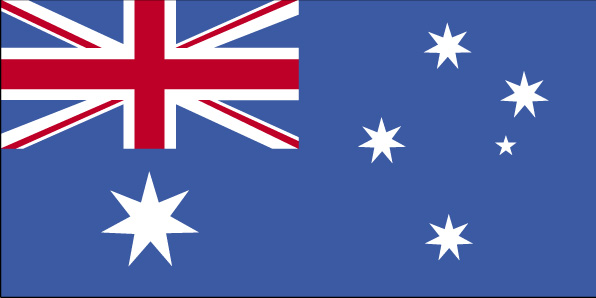
- Flag Symbolism
- the flag of Australia is used
National Anthem
- Anthem History
- Cocos (Keeling) Islands are a territory of Australia