
 English
 Español
 中文
中文 हिन्दी
 Français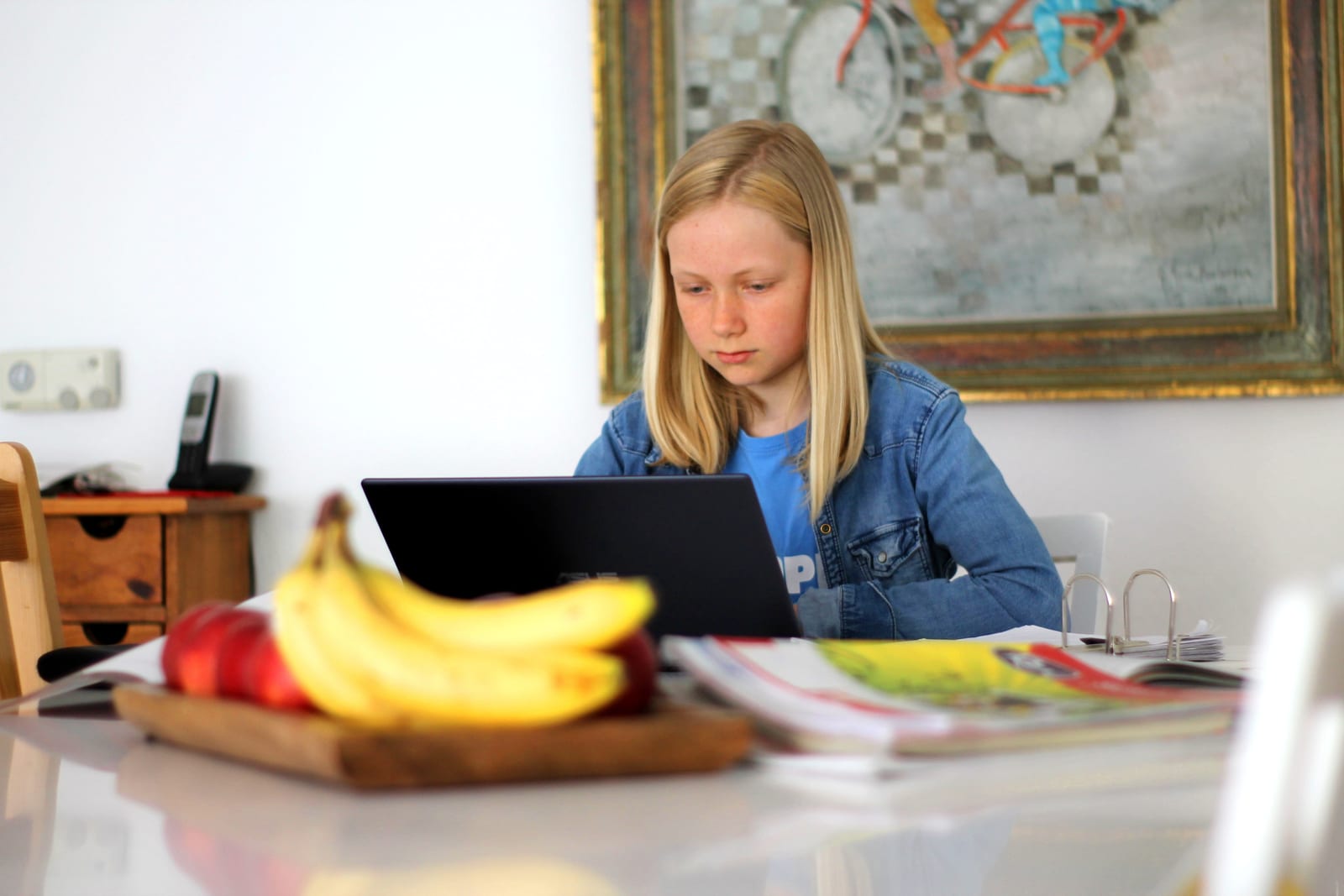
11 Reasons Homeschoolers Value CountryReports to Learn and Complete Assignments
A trustworthy, ready-to-use source for geography, world cultures, and country reports—so you can teach the world without hours of prep.
When you homeschool, you are the teacher, the librarian, and the curriculum director all at once. Geography units, world-culture studies, current-events conversations, and the classic "pick a country and write a report" assignment come up again and again—and you need a source that is trustworthy, organized, and ready to use without hours of prep. That is exactly where CountryReports earns its place on the homeschool bookshelf.
Here are eleven reasons homeschooling families rely on CountryReports to learn about the world and finish assignments with confidence.
1. Every country, in the same reliable format
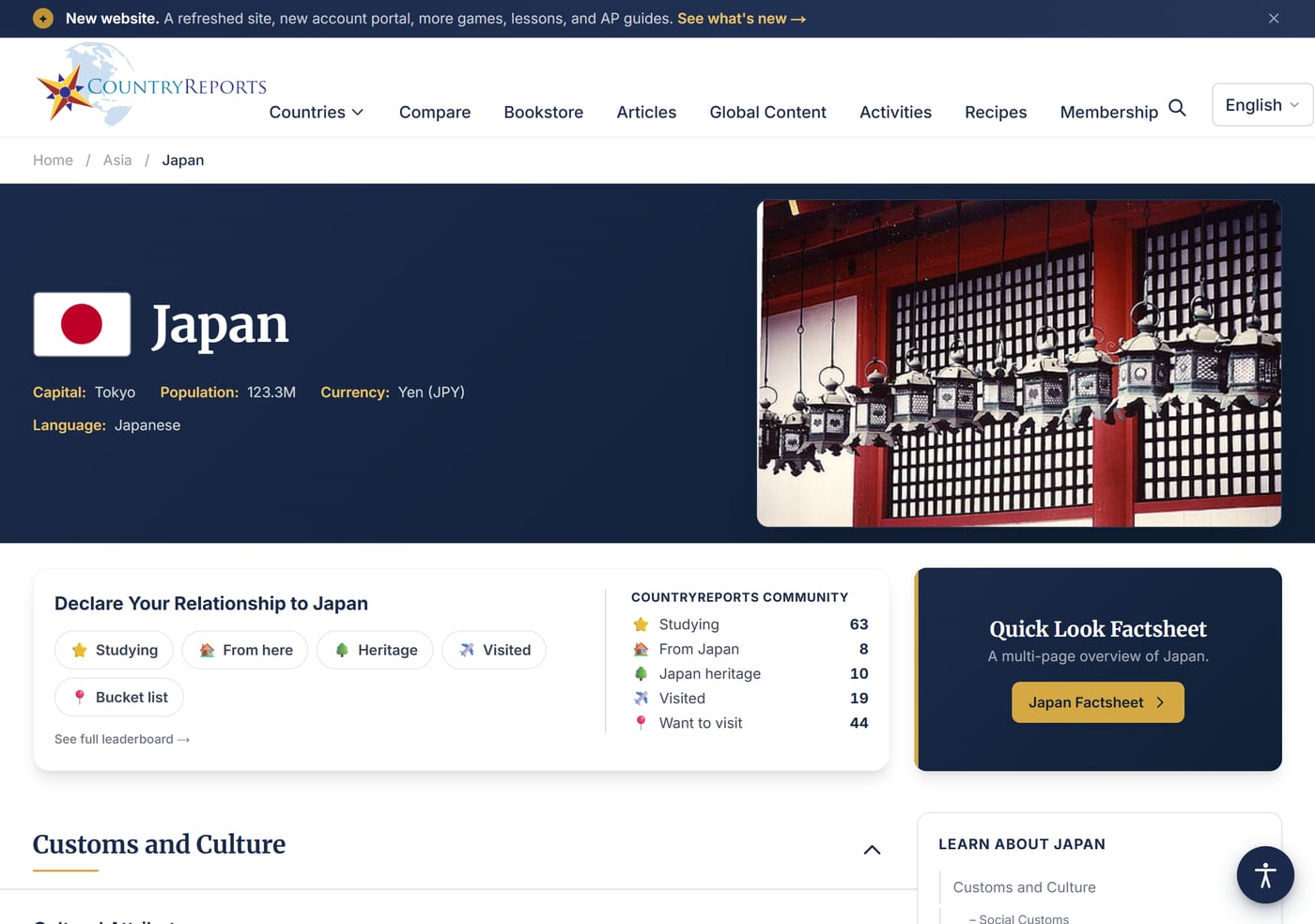
CountryReports covers the whole world with a consistent profile for each nation—geography, history, government, economy, culture, religion, language, and more. Because every country follows the same structure, your student always knows where to look, and comparing one place to another is effortless.
Try this: assign the same five sections for whichever country your child chooses, and the report practically outlines itself.
2. A structure that matches assignment rubrics
Most country-report assignments ask for the same building blocks: location and geography, people and culture, government, economy, and a few interesting facts. CountryReports is organized around exactly those categories, so students can move straight from reading to writing without reformatting a pile of scattered facts.
3. Culture and daily life, not just capitals and exports
The details that make world studies come alive—greetings, customs and etiquette, holidays, family life, food, and traditions—are often the hardest to find in a standard textbook. CountryReports puts them front and center, which is perfect for culture reports, "a day in the life" projects, and dinner-table discussions about how other families live.
4. Recipes that turn a country study into a hands-on day
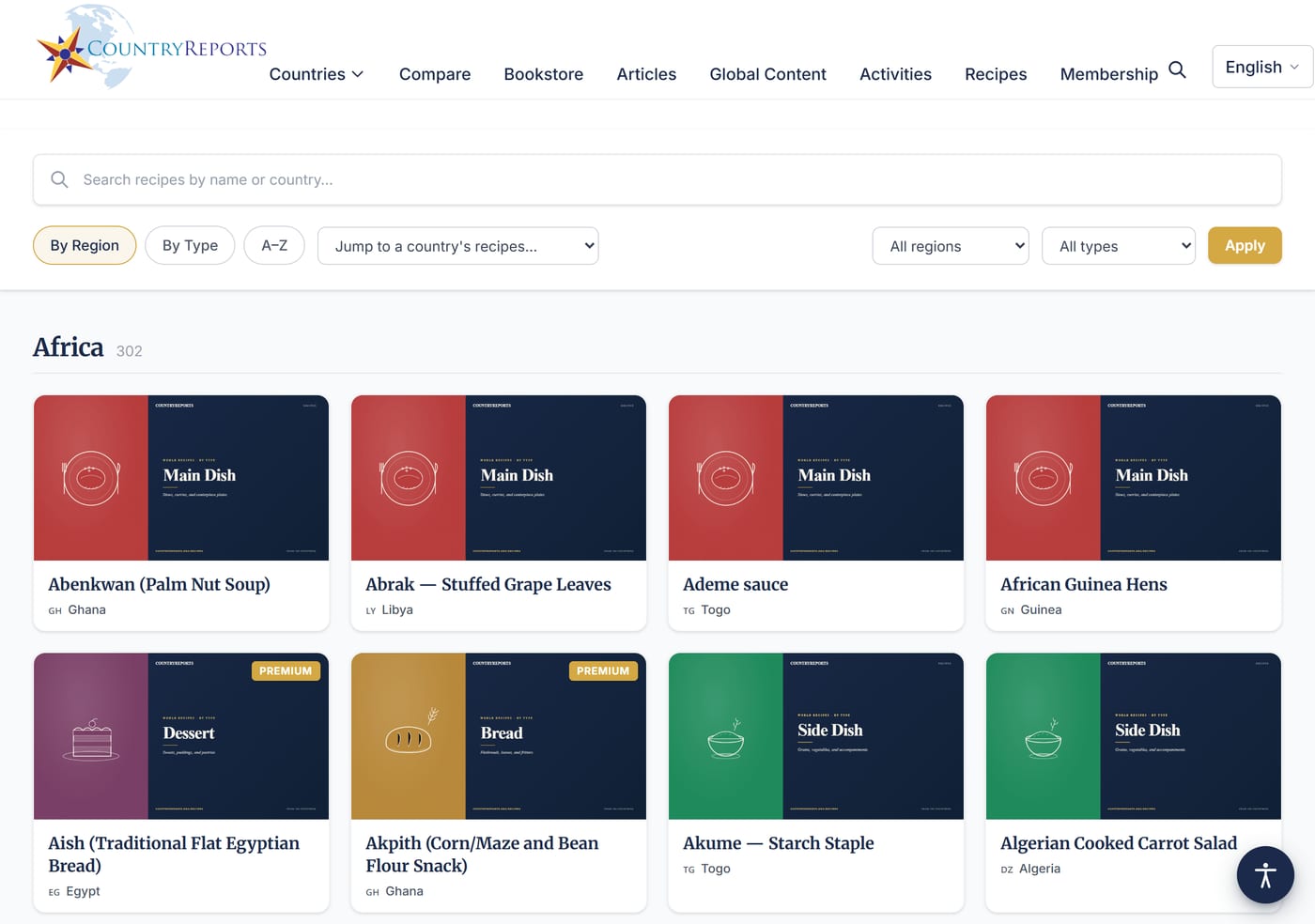
Nothing anchors a lesson like tasting it. Authentic recipes from around the world let you close a country unit in the kitchen—read about a place in the morning, cook a national dish in the afternoon, and have your student write a short reflection on what they learned and tasted.
5. Maps, flags, and photos you can use and cite
Every profile includes maps, the national flag, and photography—the raw material for lapbooks, poster boards, notebooking pages, and slide decks. Visual learners get context, and younger students get plenty to color, label, and present.
6. Content that works for every age under one roof
Homeschooling siblings rarely study at the same level. CountryReports lets one country study serve a curious second grader and a high-schooler writing an in-depth paper—the same topic, at the depth each child needs. That means less juggling of separate resources for a multi-age household.
7. Learn the world in five languages
CountryReports is available in English, Spanish, French, Chinese, and Hindi. For dual-language families, world-language students, or English-language learners, that opens the door to pairing geography with real language practice—read the same country profile in Spanish, then in English, and compare.
8. Interactive activities and quizzes that make review painless
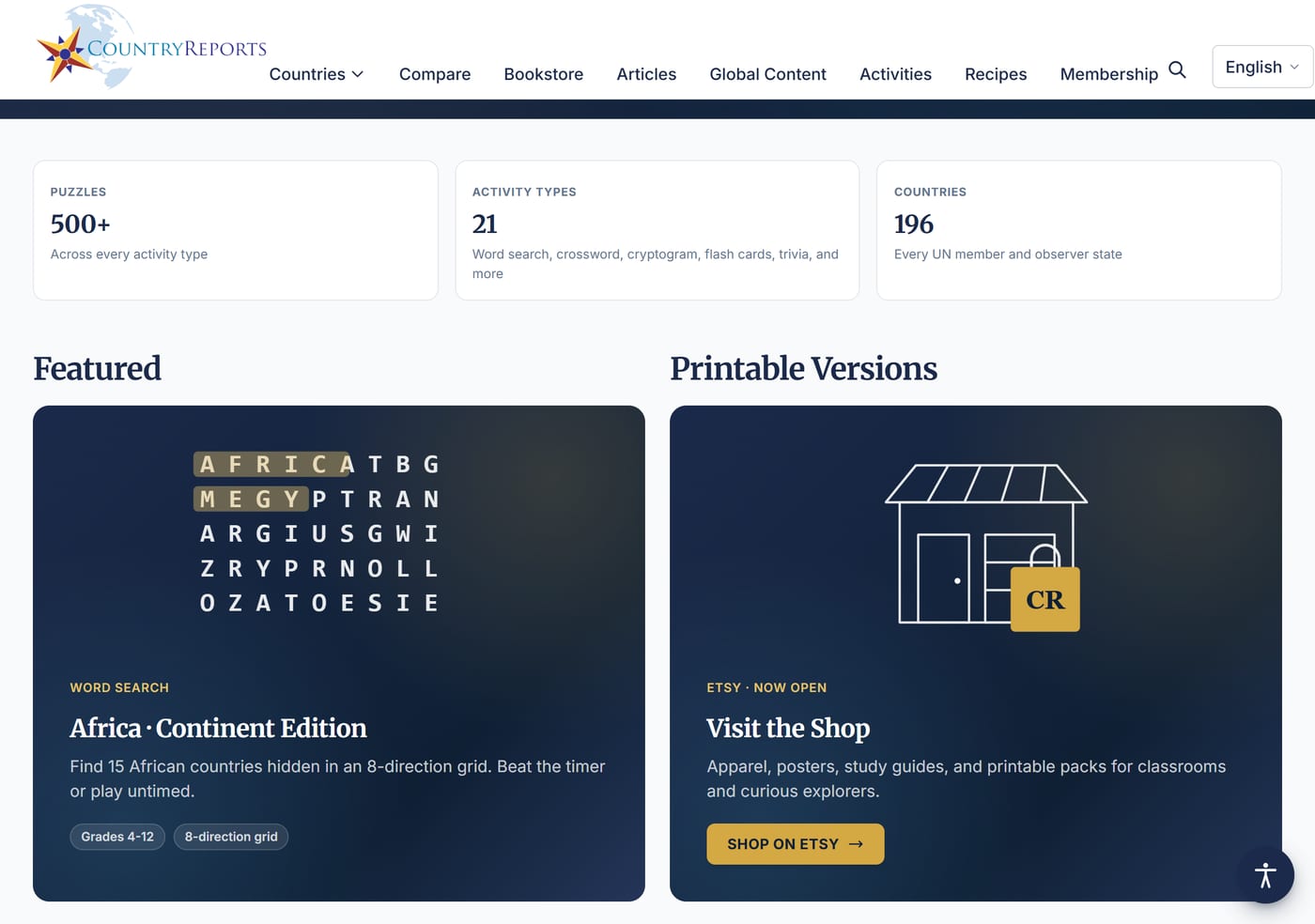
Self-checking games and quizzes turn review into something students actually want to do—and they save you prep time. Use them as a warm-up, an end-of-unit check, or a low-stakes way to see what stuck before moving on.
9. Read-aloud support for every kind of learner
A built-in read-aloud option means pages can be listened to as well as read—a real help for emerging readers, students with dyslexia, auditory learners, and anyone who absorbs more while following along. It also lets a parent keep a lesson moving while hands are busy.
10. A Compare tool that builds real analysis skills
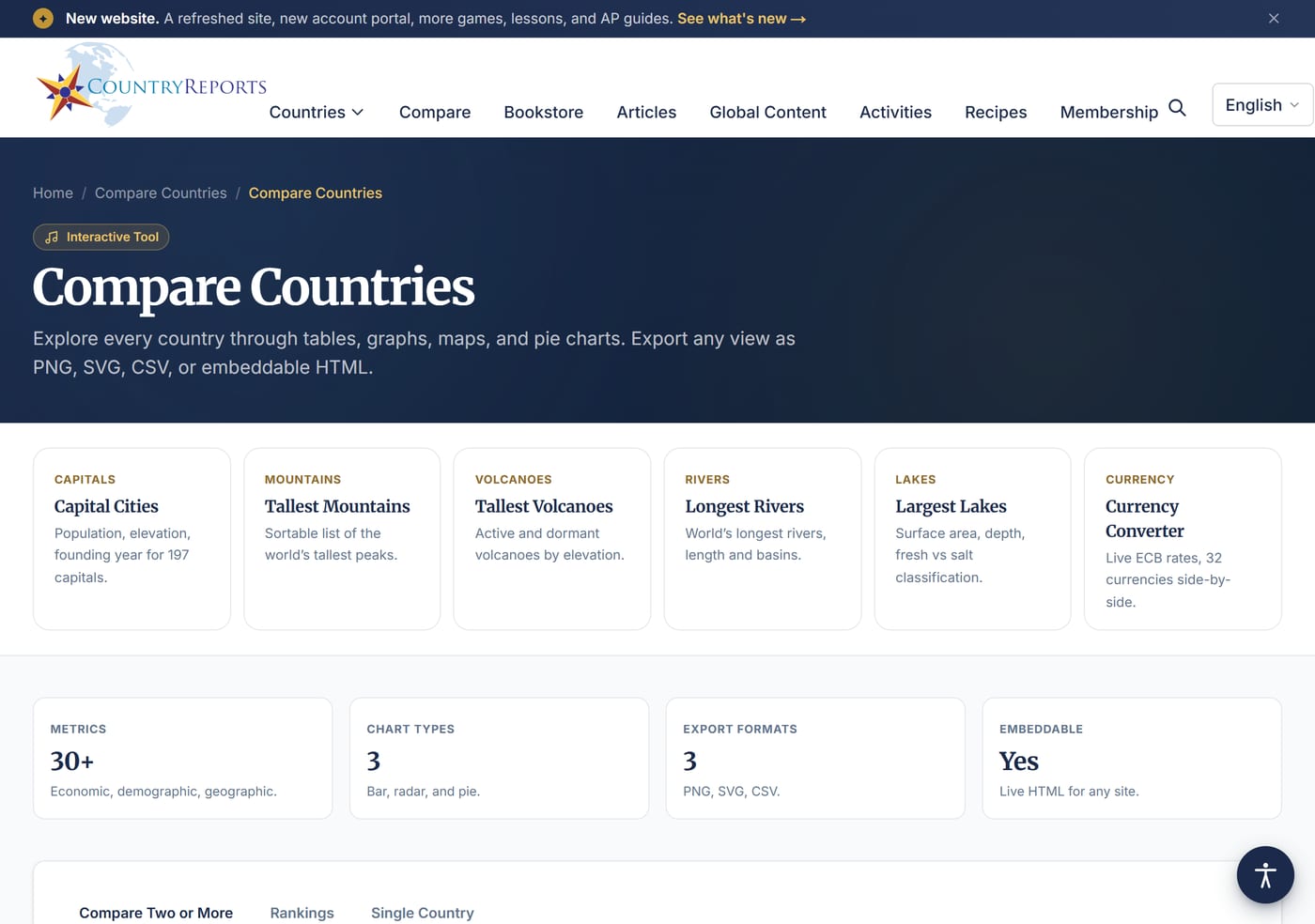
Facts are a starting point; thinking is the goal. The Compare Countries tool puts two nations side by side so students can spot patterns and draw conclusions—why does one country's population, climate, or economy differ from another's? That is the kind of higher-order assignment that turns memorization into understanding.
11. Current, citable, and available offline
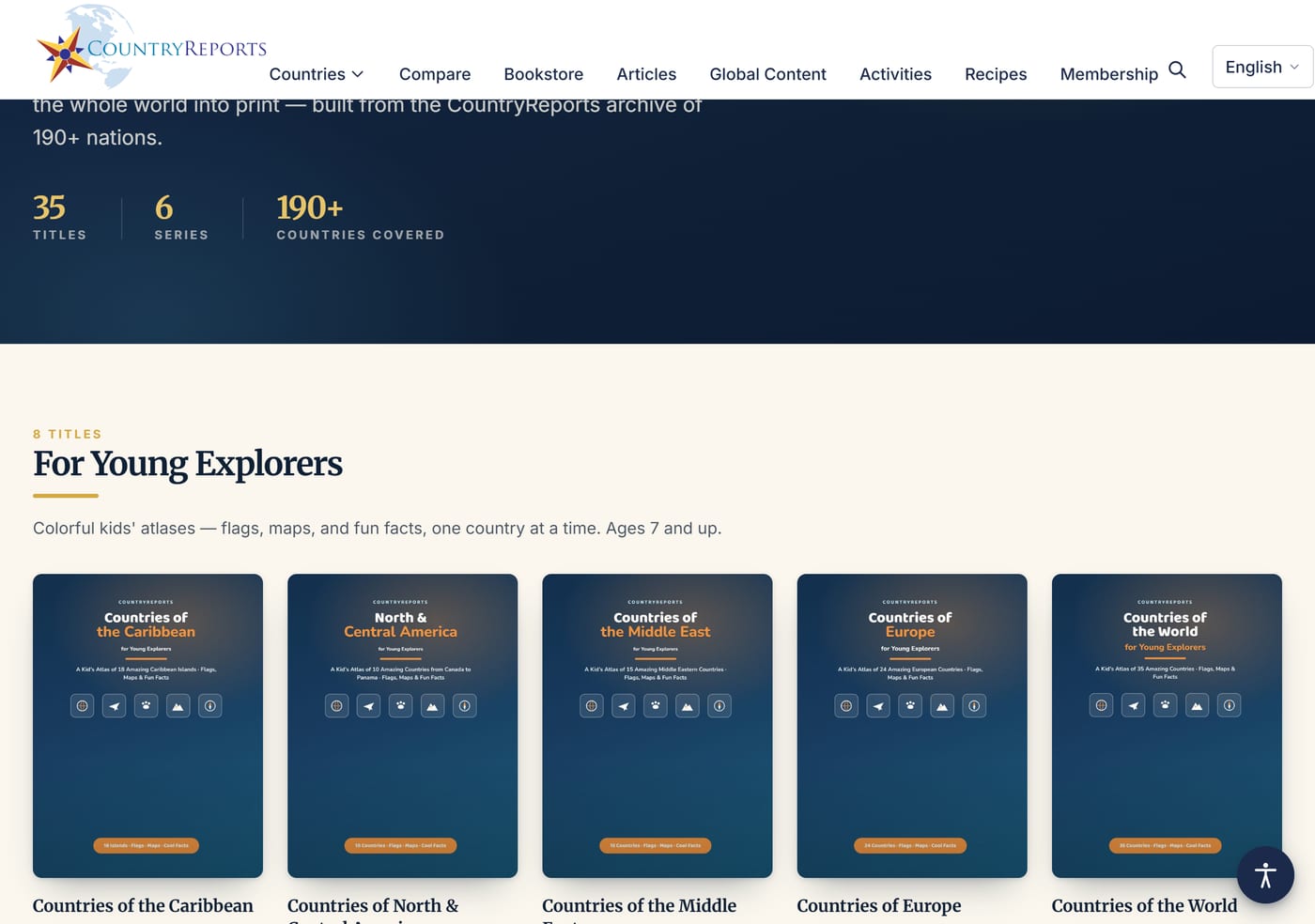
CountryReports is kept up to date and—true to its name—is a clearly named, citable source your student can list in a bibliography. When you want something for the shelf or for screen-free days, the CountryReports bookstore offers printable country books that fit neatly into a loop or morning-basket routine.
Bring the world into your homeschool
Whether you are planning a full year of geography or just need a reliable answer to "can you help me start my country report?", CountryReports gives homeschool families a dependable, screen-friendly, kid-appropriate window on the world. Explore a country today and see how quickly a blank page turns into a finished assignment.