
 English
 Español
 中文
中文 हिन्दी
 Français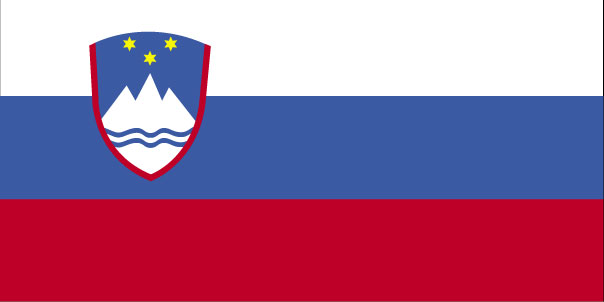
Slovenia
Slovenija
Declare Your Relationship to Slovenia
CountryReports Community
- Studying2
- From Slovenia0
- Slovenia heritage0
- Visited1
- Want to visit2
Customs and Culture
Customs and Culture
Cultural Attributes
Slovenes appear reserved at first but are very friendly upon acquaintance. They place a high value on their relationships with family and friends. Slovenes are very proud of their cultural heritage and their country. People lose respect by being late, rude, aggressive, boastful, pessimistic, or xenophobic. On receiving a compliment, the Slovene may say: I invite you for a drink! Indicating they gracefully accept the compliment. Children are treasured, and motherhood is revered. Pets are also treated with great affection. Slovenes are inclined to work hard, both at work and at home. Building their own home and having a garden are popular pastimes. The streets and public spaces are kept clean and tidy. Homegrown food is a valued commodity. Flowers are often on display on window sills.

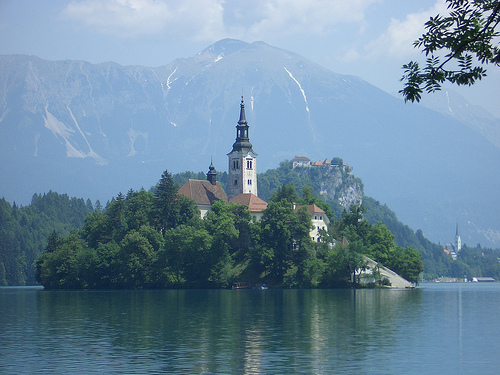
Land of Emerald Caves and Ancient Vines
Social Customs & Etiquette
Greetings
Slovenes smile, shake hands, and greet each other with Kako se inmate? (How are you?). The casual term is kako se imas? Sometimes Slovenes nod their head when shaking hands. If their hand is not clean, they will use a verbal greeting, apologizing for not shaking hands. Women are called Gospa (madam), and men Gospod (Mister). The degree of formality is reflected in using different pronouns- vi or ti for you. When parting or leaving a room, people usually say Na svidenja or adijo.
Gestures
Open displays of affection are rarely seen among anyone other than young people. Two girls or women may walk along the street arm in arm. It is not polite to place one's hands in the pocket while conversing. Good manners are essential, for instance, holding the door open for others, not eating while speaking, and taking off the hat when you have arrived somewhere.
Visiting
While family and friends enjoy visiting, it is customary to call ahead. It is prevalent to invite friends to the home, especially on Sundays and holidays. Guests may take a bouquet, a bottle of wine, or a small gift for the children. Refreshments such as coffee, juice, pastries, or biscuits are generally offered, and visitors are careful not to stay too long. Hosts usually accompany the guests to the street or the car. In many Slovene households, offering to remove one's shoes before entering the house is a good idea. Slovenes also enjoy meeting friends at cafes or inns for coffee or a drink.
Personal Appearance
Grooming in public is important to Slovenes. Contemporary Western styles are worn. People wear furs to keep warm, including a fur hat called polhovka made from the skins of the dormouse worn in southern regions. The clothes worn reflect the occupation and status.
Village women working at home wear a long dress with a full-length apron. Village men wear overalls or heavy pants, a blue coat, and boots.
Many young people board in dormitories in the city during the week to attend school. They, therefore, are familiar with modern youth fashions, including blue jeans. In the urban setting, men wear sports jackets and slacks with a collar and tie to work. Women may wear suits, dresses, slacks, jackets, and fashion accessories.
Diet
The many influences on Slovenian cuisine include Italian, Austrian, south Slavic, and Hungarian cooking traditions. A typical meal may consist of meat (chicken or beef), soup, green salad, and apple, cherry or cheese strudel and coffee. Pork, veal, chicken and turkey are popular on the menu. Organ meats are also valued. Green salad with oil and vinegar dressing is eaten in all seasons.
Staples are potatoes, onions cabbage, celery, carrot, apples and walnuts. Mushrooms and berries are collected as additions to the meal. Home-made wine, brandy, sauerkraut, pickles, sausages, dried fruits and juices augment the diet. A healthy autumn meal may include blood sausage, potatoes, pickled turnips and dark bread. Slovenes also enjoy pastries, cakes and chocolate.
Tea was once only used medicinally, but is now popular alongside coffee. Herbal teas are used for preventing or treating illness. Health spas are frequented and appreciated.
Traditionally, Slovenes eat in continental style, with the fork in the left hand and the knife in the right hand. Breakfast is usually taken early in the morning, a mid-morning snack, then lunch (kosilo) being the main meal at mid-afternoon. A light supper (vecerja) is eaten in the evening. Families try to eat the main meal together, though changing patterns of work, more convenience foods, and modern cooking facilities have changed this. People like to raise their glasses when drinking together, and toast each other's health with Na zdravje!.This toast customarily is offered before a meal. After serving, the host offers the blessing: dober tek! (Your health!) or zivijo! (long live!). Guests are always served first, but no-one begins eating till the host does. Glasses and plates are re-filled often.

Family
The living arrangements and family size are changing. Ten years ago, it was common for two or three generations to live together. It is now more usual for the young couple to move out and set up a home. Many remain childless or have only one child. Family ties are still strong. Both parents may work outside the home and share child-care and household responsibilities. Most people in the cities live in apartments, while in rural areas, people may live in tiny privately owned houses. Many city-dwellers have a small retreat in the country for holidays, where they often grow productive gardens.
Dating Customs
Young people often go out to movies, fairs, and dances. They may visit museums, parks, sporting events or walk in the town or village. A large number of young people live in Ljubljana area while they attend high school or university. People usually only marry after their education is completed. The wedding may involve both a civil and a church ceremony. Church weddings are becoming more popular. Rural weddings involve a traditional component; for instance, a bridal carriage decked with flowers may transport the bride and her family to the ceremony.
Recreation
Slovenes like outdoor recreation such as hiking, biking, swimming, horseback riding and fishing. In winter they ski and skate. Skis were invented in Slovenia at the same time as in Scandinavia. Maturitetni plesi (Proms) are traditional in elementary and secondary schools and are organized for graduates every year in spring.
Holidays
Independence Day/Statehood Day
6/25Independence
Dates of Interest
- November 11th
Celebrated on November 11th, St. Martin's Day is traditionally associated with the blessing of the new wine. It is celebrated with feasts, wine tastings, and various cultural events.
How do people greet each other in Slovenia?
Slovenes smile, shake hands, and greet each other with 'Kako se imate?' (How are you?), using the casual 'Kako se imaš?' with those they know well. When parting, people say 'Na svidenje' or 'adijo.'
Do
- Shake hands and smile when greeting
- Address women as 'Gospa' and men as 'Gospod'
- Give a verbal greeting and apologize if your hand isn't clean
- Match formality using 'vi' (formal) or 'ti' (casual) for 'you'
Good to know
- Slovenes sometimes nod their head while shaking hands
What are the dining customs in Slovenia?
Slovenes eat continental style, with the fork in the left hand and the knife in the right, and try to share the main meal, lunch (kosilo), together in mid-afternoon. Guests are always served first, but no one begins eating until the host does.
Do
- Eat continental style, fork left, knife right
- Raise your glass and toast with 'Na zdravje!' before a meal
- Wait for the host to begin eating before you start
- Expect glasses and plates to be refilled often
Don’t
- Don't start eating before the host does
Good to know
- Lunch (kosilo) is the main meal; a light supper (večerja) is eaten in the evening
- The host may offer a blessing after serving: 'dober tek!' or 'živijo!'
What etiquette should visitors know in Slovenia?
Good manners are essential, and Slovenes value punctuality, humility, and respect. When visiting homes, it is customary to call ahead and not stay too long.
Do
- Call ahead before visiting family or friends
- Bring a bouquet, bottle of wine, or small gift for the children
- Offer to remove your shoes before entering the home
- Hold the door open for others
Don’t
- Don't be late, rude, aggressive, boastful, pessimistic, or xenophobic
- Don't stay too long as a guest
- Don't eat while speaking
Good to know
- Refreshments like coffee, juice, pastries, or biscuits are usually offered
- Hosts often accompany guests to the street or car
- Slovenes also enjoy meeting friends at cafes or inns for coffee or a drink
How should I dress in Slovenia?
Contemporary Western styles are worn and public grooming is important. In cities, men wear sports jackets and slacks with a collar and tie to work, while women wear suits, dresses, slacks, jackets, and fashion accessories.
Do
- Be well-groomed in public
- Wear contemporary Western-style clothing
Good to know
- Clothing often reflects occupation and status
- Furs, including the dormouse-skin fur hat 'polhovka,' are worn in southern regions for warmth
- Young people follow modern fashions, including blue jeans
What gestures and body language matter in Slovenia?
Open displays of affection are rarely seen except among young people, and courteous body language is expected.
Don’t
- Don't place your hands in your pockets while conversing
Good to know
- Take off your hat when you arrive somewhere
- Two girls or women may walk arm in arm along the street
What is family life like in Slovenia?
Family ties are strong, children are treasured, and motherhood is revered. It is now more usual for young couples to move out and set up their own home, and both parents may work while sharing child-care and household duties.
Good to know
- Most city dwellers live in apartments; rural residents may live in small privately owned houses
- Many city-dwellers keep a small country retreat with a productive garden
- People usually marry only after completing their education
What do people do for recreation in Slovenia?
Slovenes enjoy outdoor recreation such as hiking, biking, swimming, horseback riding, and fishing, and in winter they ski and skate.
Good to know
- Skis were invented in Slovenia at the same time as in Scandinavia
- Proms (Maturitetni plesi) are organized every spring for elementary and secondary school graduates
- Building a home and gardening are popular pastimes
Last updated: 2026-07-12 · Sources: CountryReports
Photos of Slovenia
Photos of Slovenia


Travel and Tourism
Travel and Tourism
- Travel Alert Status
- Level 1: Exercise Normal Precautions
- Currency
- euro (EUR)
- Time Difference
- UTC+1 (6 hours ahead of Washington, DC, during Standard Time)
- Airports
- 14
Read the full travel guide — health, safety, vaccinations, disease risk, sanitation, and transit details.
View full travel guideRecipes
Recipes
History
History
Historical Eras
Early Slavic Settlement
600 – 1282
Slavic tribes settled the eastern Alpine region around the 6th century, forming the early polity of Carantania — one of the first Slavic states. From the 9th century onward, Bavarian and Frankish overlordship brought Christianization and feudal integration into the broader Carolingian world. The distinctive Installation of the Dukes of Carinthia, a ritual of contractual consent between ruler and Slovene peasantry, endured for centuries and later drew admiration from Enlightenment political thinkers.
Habsburg Rule
1282 – 1918
The House of Habsburg consolidated control over the Slovene lands from the late 13th century, incorporating them into a vast Central European empire that persisted until 1918. A brief interruption came under Napoleon's Illyrian Provinces (1809–1813), which paradoxically stimulated Slovene national consciousness by elevating the Slovene language in public life. Throughout the 19th century a Romantic national revival flourished, championed by poets such as France Prešeren, as Slovenes resisted Germanization and codified a distinct literary language and cultural identity.
Yugoslav Interwar Period
1918 – 1941
Following World War I, Slovenia joined the Kingdom of Serbs, Croats, and Slovenes in 1918, a multinational South Slavic state reconstituted as the Kingdom of Yugoslavia under Serbian monarch Alexander I in 1929. Slovenes occupied an uneasy position within the centralized kingdom, navigating Serbian political dominance while preserving cultural and economic ties to Central Europe. The period ended abruptly when Axis forces invaded and partitioned Yugoslavia in April 1941, dividing Slovene territory among Germany, Italy, and Hungary.
World War II & Socialist Yugoslavia
1941 – 1980
Under Axis occupation, Slovenes endured annexation, forced assimilation, and mass deportations, while communist-led Partisan resistance under Josip Broz Tito ultimately prevailed. In 1945 Slovenia became a constituent republic of socialist Yugoslavia, which charted an independent course from Moscow after the Tito–Stalin split of 1948. Slovenia emerged as Yugoslavia's most prosperous and industrially advanced republic, benefiting from the country's unique model of self-management socialism and comparatively open borders with the West.
Road to Independence
1980 – 1991
Tito's death in 1980 unleashed centrifugal pressures as Belgrade moved to reassert Serbian dominance over federal institutions. Slovenia responded with a remarkable democratic opening — tolerating a pluralist civil society, independent media, and opposition political movements to a degree unmatched elsewhere in the communist bloc. In December 1990, 88 percent of Slovenes voted for independence in a referendum; on June 25, 1991, the Republic of Slovenia declared independence, and a ten-day war with Yugoslav federal forces ended in Slovene victory and international recognition.
Independent Republic
1991 – present
As an independent state, Slovenia rapidly stabilized its economy, consolidated democratic institutions, and reoriented itself toward Western and Central European structures. In 2004 it acceded to both NATO and the European Union — endorsed by overwhelming referendum majorities — becoming the first former Yugoslav republic to do so. Slovenia subsequently adopted the euro in 2007, held the first EU Council Presidency among the 2004 accession states in 2008, and established itself as a constructive regional actor and model of post-communist democratic transition.
Overview
In 1918, Slovenia joined with other southern Slav states in forming the Kingdom of Serbs, Croats, and Slovenes as part of the peace plan at the end of World War I. Renamed in 1929 under a Serbian monarch, the Kingdom of Yugoslavia fell to the Axis powers during World War II. Following communist partisan resistance to German, Hungarian, and Italian occupation and elimination of rival resistance groups, socialist Yugoslavia was born under the helm of Josip Broz Tito. During the communist era, Slovenia became Yugoslavia’s most prosperous republic, at the forefront of Yugoslavia’s unique version of communism. Within a few years of Tito’s death in 1980, Belgrade initiated plans to further concentrate political and economic power in its hands. Defying the politicians in Belgrade, Slovenia underwent a flowering of democracy and an opening of its society in cultural, civic, and economic realms to a degree almost unprecedented in the communist world. In September 1989, the General Assembly of the Yugoslav Republic of Slovenia adopted an amendment to its constitution asserting Slovenia’s right to secede from Yugoslavia. On December 23, 1990, 88% of Slovenia’s population voted for independence in a referendum, and on June 25, 1990, the Republic of Slovenia declared its independence. A nearly bloodless 10-day war with Yugoslavia followed. Yugoslav forces withdrew after Slovenia demonstrated stiff resistance to Belgrade.
As a young independent republic, Slovenia pursued economic stabilization and further political openness, while emphasizing its Western outlook and central European heritage. Reflecting its success in these goals, Slovenia became a member both of the North Atlantic Treaty Organization (NATO) and the European Union (EU) in March and May, respectively, of 2004. As the Organization for Security and Cooperation in Europe (OSCE) Chairman-in-Office, a continuing participant in the SFOR/EUFOR deployment in Bosnia and the KFOR deployment in Kosovo, one of the top foreign investors in the former Yugoslavia, and a charter World Trade Organization (WTO) member, Slovenia enjoys a growing regional profile and plays a role on the world stage quite out of proportion to its small size.
Timeline of Key Events
1918
Slovenia joins the Kingdom of Serbs, Croats and Slovenes.
After the collapse of the Austro-Hungarian empire, Slovenia joins the Kingdom of Serbs, Croats and Slovenes.
1929
The kingdom becomes known as Yugoslavia.
The kingdom becomes known as Yugoslavia.
1941
Slovenia is occupied by Nazi Germany and Italy during World War II.
Slovenia is occupied by Nazi Germany and Italy during World War II.
1945
At the end of the war, Slovenia becomes a constituent republic of socialist Yugoslavia.
At the end of the war, Slovenia becomes a constituent republic of socialist Yugoslavia.
1991
Croatia and Slovenia declare their independence from Yugoslavia.
Croatia and Slovenia declare their independence from Yugoslavia.
2004
Slovenia admitted to Nato.
Slovenia admitted to Nato.
2009
Slovenia lifts its embargo on EU membership talks for Croatia.
Slovenia lifts its embargo on EU membership talks for Croatia after the two countries sign a deal allowing international mediators to resolve their border dispute.
Read the full history profile — narrative overview, defining eras, and the complete timeline in one place.
View expanded historyInteresting Facts
Interesting Facts
Slovenia's Skocjan Caves, on the World Heritage list, are one of the world's most famous systems of limestone (karstic) caves.
A vine, said to be four hundred years old, can be seen growing in Maribor's old town. The vine is thought to be the oldest in the world.
See every fact — trivia, oddities, and curious tidbits gathered from across the country.
View all interesting factsGeography and Environment
Geography and Environment
- Terrain
- a short coastal strip on the Adriatic, an alpine mountain region adjacent to Italy and Austria, mixed mountains and valleys with numerous rivers to the east
- Climate
- Slovenia is temperate with four seasons, but the topography creates three individual climates. The northwest has an Alpine climate with strong influences from the Atlantic and abundant precipitation. Temperatures in the Alpine valleys are moderate in summer but cold in winter. The coast and a large part of Primorska as far as the Soca Valley has a Mediterranean climate with warm sunny weather much of the year and mild winters. Most of eastern Slovenia has a Continental climate with hot summers and cold winters. The average temperature in July is 68-75 °F in the interior while on the coast it is around 82-85 °F. Ljubljana sits in a valley, and often has fog or rain covering the city. Slovenia gets most of its rain in the spring (May and June) and autumn (October and November). January is the coldest month with an average temperature of 30°F, and July is the warmest, with an average temperature of 70°F. The mean average temperature in Ljubljana is 50°F. Average annual precipitation is 31 inches in the east and 117 inches in the northeast, on account of heavier snowfall.
- Natural Hazards
- flooding and earthquakes
- Current Environmental Issues
- Sava River polluted with domestic and industrial waste; pollution of coastal waters with heavy metals and toxic chemicals; forest damage near Koper from air pollution (originating at metallurgical and chemical plants) and resulting acid rain
Read the full geography and environment profile — terrain, climate, natural resources, hazards, land use, and international agreements.
View full geographyPeople & Demographics
People & Demographics
Religion
Languages Spoken
Slovenian 92%, Serbo-Croatian 6.2%, other 1.8%
- Serbo-Croatian
- Slovenian
Population
- Population
- 2,123,994
- Population in Major Urban Areas
- LJUBLJANA (capital) 273,000
- Nationality Noun
- Slovene(s)
- Ethnic Groups
- Slovene 92%, Croat 1%, Serb 0.5%, Hungarian 0.4%, Bosniak 0.3%, other 5.8% (1991)
- Language Note
- The official language is Slovene, a Slavic language. The language has a special language construct that indicates two people or things, separate to singular and plural. Slovene uses Roman characters, but excludes q,w,and x. The oldest documents preserved date back to 1000 AD. Slovene resisted the pressure to "Germanize" the language. The next most used language is English.
Life Expectancy
- Life Expectancy at Birth
- Life expectancy at birth in Slovenia stands among the highest in Central and Eastern Europe, reflecting the country's well-developed healthcare system, high standard of living, and strong public health infrastructure. As of the most recent available data, the overall life expectancy at birth in Slovenia is approximately 81 years, with women living notably longer than men. Women in Slovenia can expect to live to around 84 years, while men have a life expectancy of roughly 78 years — a gap that mirrors broader European and global trends. Slovenia's life expectancy figures place it comfortably above the global average and in close alignment with many Western European nations. This is a significant achievement for a country that transitioned from a socialist economy to a European Union member state in 2004, during which time it rapidly modernized its healthcare system and social services. It is worth noting that life expectancy in Slovenia, as in much of Europe, experienced a modest decline during the COVID-19 pandemic years of 2020 and 2021, before recovering in subsequent years. Several factors contribute to Slovenia's strong longevity outcomes. The country operates a universal public healthcare system that provides broad access to medical services for its citizens. Rates of preventable disease have declined steadily over recent decades, and the country has made consistent progress in reducing cardiovascular mortality, which remains one of the leading causes of death across Europe. Slovenia also benefits from relatively low rates of extreme poverty, a strong social safety net, and high levels of education, all of which are closely correlated with longer, healthier lives. Lifestyle factors also play a role. Slovenia's geography encourages outdoor activity, with hiking, cycling, and other physical pursuits deeply embedded in the national culture. Mediterranean dietary influences in the southwestern regions of the country contribute positively to health outcomes in those areas. Challenges remain, however. The gender gap in life expectancy persists, partly due to higher rates of smoking, alcohol consumption, and occupational hazards historically associated with men. Additionally, Slovenia's population is aging, which places increasing pressure on its healthcare and pension systems. Government and EU-level policies continue to address these long-term demographic trends through investments in preventive care, elder services, and public health campaigns.
- Infant Mortality Rate
- Slovenia maintains one of the lowest infant mortality rates in the world, reflecting the country's robust healthcare infrastructure, high standard of living, and effective public health policies. As of the most recent available data, Slovenia's infant mortality rate stands at approximately 1.6 to 1.7 deaths per 1,000 live births, placing it consistently among the top-performing nations globally in this measure of child health. This figure represents a remarkable long-term improvement. In the early 1990s, following Slovenia's independence, the infant mortality rate was considerably higher, hovering around 8 to 9 deaths per 1,000 live births. Decades of sustained investment in maternal and neonatal healthcare, widespread prenatal care access, and a well-trained medical workforce have driven this dramatic decline. Slovenia's healthcare system provides universal coverage to its citizens, ensuring that expectant mothers receive comprehensive prenatal and postnatal care regardless of economic status. High rates of skilled birth attendance, well-equipped neonatal intensive care facilities, and strong vaccination programs all contribute to favorable outcomes for newborns. The country also benefits from high levels of education among women, low rates of poverty relative to the broader European context, and strong social support systems — all of which are closely linked to positive infant health outcomes. Breastfeeding promotion and public health campaigns targeting maternal nutrition and smoking cessation during pregnancy are additional factors that have contributed to the sustained low rate. Within the European Union, Slovenia performs comparably to countries such as Finland, Norway, and Japan, which are long recognized as global leaders in infant survival. The nation's infant mortality statistics are closely monitored by the Slovenian National Institute of Public Health, and consistent data reporting to international bodies ensures transparency and continued progress benchmarking. Overall, Slovenia's infant mortality rate serves as a strong indicator of the country's general health system effectiveness and the well-being of its population, reflecting a comprehensive approach to public health that begins before birth and continues through early childhood.
Read the full people and society profile — demographics, health, education, religion, languages, and notable people.
View full people and societyGovernment & Politics
Government & Politics
Country Identity
- Country Name
- Slovenia
- Full Country Name
- Republic of Slovenia
- Local - Long
- Republika Slovenija
- Local - Short
- Slovenija
Government Structure
- Government Type
- parliamentary democratic republic
- Legal System
- based on civil law system
- Executive Branch
- chief of state: President Nataša PIRC MUSAR (since 23 December 2022) head of government: Prime Minister Robert GOLOB (since 1 June 2022) cabinet: Council of Ministers nominated by the prime minister and elected by the National Assembly elections: president elected by popular vote for a five-year term; election last held 23 October and 13 November 2022 (next to be held in fall 2027); following National Assembly elections, the leader of the majority party or the leader of a majority coalition is usually nominated to become prime minister by the president and elected by the National Assembly; election last held 24 April 2022 (next National Assembly elections to be held in 2026) election results: Nataša PIRC MUSAR elected president in second round; percent of vote in second round - Nataša PIRC MUSAR 53.9%, Anže LOGAR 46.1%; Robert GOLOB elected prime minister; National Assembly vote - 54 to 30
- Legislative Branch
- Bicameral Parliament consisting of a National Assembly or Državni Zbor (90 seats; members are elected by popular vote through a proportional representation system with single-member constituency and party list components; members serve four-year terms) and the National Council or Državni Svet (40 seats; this is primarily an advisory body with limited legislative powers; it may propose laws, request review of any National Assembly decisions, and call national referenda; members representing social, economic, professional, and local interests are indirectly elected to five-year terms by an electoral college). Elections: National Assembly - last held on 24 April 2022 (next to be held in 2026). Election results: percent of vote by party - Gibanje Svoboda (Freedom Movement) 34.5%, SDS 23.5%, Nova Slovenija (NSi) 6.9%, SD 6.7%, Levica 4.4%, SLS 4.0%, SNS 3.5%, other 16.5%; seats by party - Gibanje Svoboda 41, SDS 27, NSi 8, SD 7, Levica 5, and one seat each reserved for the Hungarian and Italian national minorities. Following the election, Gibanje Svoboda leader Robert Golob was appointed Prime Minister, ending the tenure of Janez Janša and marking a significant shift in Slovenia's political landscape.
- Judicial Branch
- Supreme Court (judges are elected by the National Assembly on the recommendation of the Judicial Council); Constitutional Court (judges elected for nine-year terms by the National Assembly and nominated by the president)
- Suffrage
- 18 years of age; universal (16 years of age, if employed)
- Constitution
- adopted 23 December 1991, effective 23 December 1991
- Independence
- 25 June 1991 (from Yugoslavia)
- National Holiday
- Independence Day/Statehood Day, 25 June (1991)
Capital City
- Capital Name
- Ljubljana
- Capital - geographic coordinate
- 46 03 N, 14 31 E
- Capital Time Difference
- UTC+1 (6 hours ahead of Washington, DC, during Standard Time)
likely related to the Slavic root "ljub", meaning "to like" or "to love"; by tradition, the name is related to the Slovene word "ljubljena" meaning "beloved"
Military
Branches: Slovenian Armed Forces (Slovenska Vojska, SV): Forces Command (with ground units, naval element, air and air defense brigade); Administration for Civil Protection and Disaster Relief (ACPDR
Embassy / Diplomatic Mission
U.S. Embassy Ljubljana, Consular Section
Prešernova 31
1000 Ljubljana
Telephone: (386) (1) 200-5595
Emergency after-hours telephone: (386) (1) 200-5556
Facsimile: (386) (1) 200-5535
E-mail: ACSLjubljana@state.gov
Read the full government profile — flag symbolism, national anthem, and other national symbols.
View full government detailsEconomy
Economy
Slovenia, with its strong historical and economic ties to Western Europe, enjoys one of the highest GDP per capita levels among the Central European states that transitioned from socialist to market economies. In March 2004, Slovenia became the first transition country to graduate from borrower to donor partner at the World Bank, and on 1 May 2004 it joined the European Union, followed by adoption of the euro in 2007 and entry into the OECD in 2010.
The economy is highly export-oriented, with roughly two-thirds of GDP generated by trade, primarily with EU partners such as Germany, Italy, Austria, and Croatia. Key sectors include automotive components, pharmaceuticals, machinery, electrical equipment, and services. Slovenia weathered a severe banking and sovereign debt crisis in 2012-2013 but returned to solid growth thereafter, supported by strong exports, tourism, and investment.
After contracting sharply during the COVID-19 pandemic in 2020, the economy rebounded strongly, though growth has since moderated amid high energy prices, inflation, and weaker external demand. GDP growth slowed to roughly 1.5-2% in 2023-2024, while inflation, which peaked above 10% in 2022, has eased considerably. Unemployment remains low by historical standards at around 3-4%, and public debt has declined from pandemic-era peaks to under 70% of GDP.
Ongoing challenges include an aging population, labor shortages, relatively high state ownership in strategic sectors, slow privatization, and the need for further structural reforms to boost productivity, support the green and digital transitions, and ensure long-term fiscal sustainability.
Snapshot
- Currency Name and Code
- Euro (EUR)
- GDP — official exchange rate
- $35,210,000,000 (USD)
- GDP Real Growth Rate
- 3.8%
- Gini Index
- 28.4
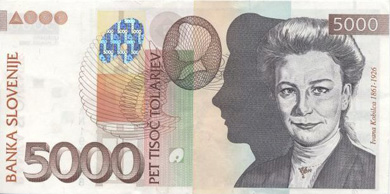
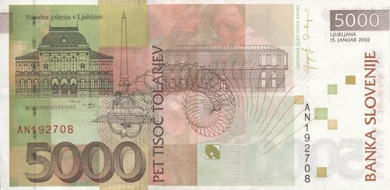
Banknotes
Budget & Public Finance
- Fiscal Year
- calendar year
- Public Debt (% of GDP)
- 29.9%
- External Debt
- $22,910,000,000 (USD)
- Investment (% of GDP)
- 24.8%
- Economic Aid
- $62,000,000 (USD)
- Current Account Balance
- -$202,000,000 (USD)
Labor, Industry & Trade
- Household Income — highest 10%
- 23%
- Industries
- ferrous metallurgy and aluminum products, lead and zinc smelting, electronics (including military electronics), trucks, electric power equipment, wood products, textiles, chemicals, machine tools
- Agriculture Products
- potatoes, hops, wheat, sugar beets, corn, grapes; cattle, sheep, poultry
- Export Commodities
- manufactured goods, machinery and transport equipment, chemicals, food
- Export Partners
- Germany 24.7%, Italy 12.1%, Croatia 8.7%, Austria 7.1%, France 6.7%, Bosnia and Herzegovina 4.5%
- Import Commodities
- machinery and transport equipment, manufactured goods, chemicals, fuels and lubricants, food
- Import Partners
- Germany 19.2%, Italy 17.9%, France 10.2%, Austria 8.3%
Energy
- Oil Production
- 0 bbl/day
- Oil Consumption
- 53,000 bbl/day
- Oil Reserves
- 0 bbl/day
- Natural Gas Production
- 0 cu m
- Natural Gas Consumption
- 906,000,000 cu m
- Natural Gas Imports
- 906,000,000 cu m
- Natural Gas Exports
- 0 cu m
- Natural Gas Reserves
- 0 cu m
Communications
- Telephone System
- general assessment: well-developed telecommunications infrastructure domestic: combined fixed-line and mobile-cellular teledensity roughly 150 telephones per 100 persons international: country code - 386
- Internet Country Code
- .si
News & Weather
News & Weather
Current Weather
Latest News
The spectre of ‘remigration’ is haunting Europe. Slovenia in 1992 gives us a blueprint for this state terror | Miha Mazzini - theguardian.com
theguardian.com · 7h ago
Ukraine ready to expand mutually beneficial defense cooperation with Slovenia – Khmara - Ukrinform
Ukrinform · 1d ago
‘The drought has left its mark’: Slovenia’s potato lovers lament low yields - Al Jazeera
Al Jazeera · 1d ago
Murder suspect wanted for 3 years in Millington teen’s killing caught in Slovenia - wreg.com
wreg.com · 2d ago
Man wanted in 2022 Millington murder arrested in Slovenia, USMS says - FOX13 Memphis
FOX13 Memphis · 2d ago
Millington man wanted for 2022 murder of 15-year-old girl captured in Slovenia - localmemphis.com
localmemphis.com · 2d ago
Slovenian FM arrives in Kyiv - Ukrinform
Ukrinform · 2d ago
Tadej Pogačar of Slovenia wins the 2026 Tour de France, his fifth victory in the race - NPR
NPR · 55d ago
News via Google News
Videos
Videos
1 curated YouTube videos.
Source: YouTube
Frequently Asked Questions
Frequently Asked Questions
What is the population of Slovenia?
What is the capital of Slovenia?
Where is Slovenia located?
What countries border Slovenia?
What is the predominant religion in Slovenia?
What currency does Slovenia use?
What language is spoken in Slovenia?
What is Slovenia known for?
Last reviewed 2026