
 English
 Español
 中文
中文 हिन्दी
 Français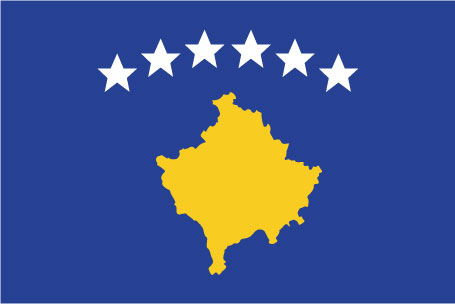
Kosovo
Kosova (Kosovo)
Declare Your Relationship to Kosovo
CountryReports Community
- Studying0
- From Kosovo1
- Kosovo heritage1
- Visited1
- Want to visit1
Customs and Culture
Customs and Culture
Cultural Attributes
Kosovo's culture is a vivid reflection of its deeply layered history, shaped by Illyrian, Byzantine, Ottoman, and Yugoslav influences, yet anchored firmly in a distinct Albanian identity. The country is one of the youngest in the world, having declared independence in 2008, and its cultural life carries both the weight of a difficult past and the energy of a nation actively defining itself. The population is predominantly ethnic Albanian, accounting for roughly 93 percent of residents, with Serbian, Bosniak, Roma, and other communities making up the remainder. This demographic reality shapes everyday cultural expression, from language and music to food and religious practice. Albanian is the primary official language, with Serbian also holding official status. Most Kosovars are Muslim, a legacy of several centuries of Ottoman rule, though religious practice tends toward the moderate and secular end of the spectrum. Catholicism and Serbian Orthodoxy are also present among minority communities. Traditional Albanian culture plays a central role in Kosovo's identity. The Kanun, an ancient code of customary law passed down through oral tradition, continues to influence social norms around hospitality, family honor, and community relations, particularly in rural areas. Hospitality is considered a profound cultural value — welcoming guests generously is regarded as both a personal duty and a point of pride. Kosovo has a rich tradition of folk music, characterized by the çifteli, a two-stringed instrument widely used in northern Albanian folk songs. The iso-polyphony style of singing, common across Albanian communities, involves layered vocal harmonies and is considered an important part of the region's intangible heritage. Traditional dance, particularly the valle, a circle dance performed at weddings and celebrations, remains a living practice. The capital, Pristina, is a center of emerging contemporary culture, with a growing café and arts scene, music festivals such as the Sunny Hill Festival, and a young population — the median age is among the lowest in Europe at under 30 — that is increasingly engaged in literature, film, and digital media. Cuisine reflects Ottoman and Balkan roots, featuring grilled meats, byrek pastry, and dairy products like kajmak.

Land of Young Dreams and Ancient Crossroads
Social Customs & Etiquette
Greetings in Kosovo reflect the country's diverse cultural heritage, shaped primarily by its majority Albanian population alongside Serbian, Bosniak, Roma, and other communities. Understanding the local customs of greeting can go a long way toward building rapport and showing respect during interactions.
Among the Albanian-speaking majority, the most common informal greeting is "Mirëdita," meaning "Good day," which is used throughout the daytime hours. In the morning, Kosovars may say "Mirëmëngjes" (Good morning), while "Mirëmbrëma" (Good evening) is appropriate later in the day. A simple and versatile phrase is "Si je?" meaning "How are you?" in a casual context, or "Si jeni?" in its more formal or plural form. The response "Mirë, faleminderit" — "Fine, thank you" — is a polite and expected reply.
Physical greetings typically involve a warm handshake when meeting someone for the first time or in a professional setting. Among close friends and family, it is common to exchange kisses on the cheek — usually two, alternating sides — which is practiced by both men and women. Men who are close friends may also greet one another with a brief embrace.
Within Kosovo's Serbian-speaking communities, greetings follow similar patterns to those found in Serbia. "Zdravo" (Hello) and "Dobar dan" (Good day) are standard, while "Kako si?" means "How are you?" and carries the same casual warmth as its Albanian equivalent.
Religion plays a role in greetings as well. Muslim Kosovars, who represent the majority of the population, may use the traditional Islamic greeting "As-salamu alaykum" (Peace be upon you), to which the proper response is "Wa alaykum as-salam." Christian Serb communities may exchange greetings tied to religious holidays and occasions.
Eye contact during greetings is generally considered a sign of sincerity and respect. Visitors are encouraged to greet elders first as a sign of deference, which reflects the deep respect for seniority embedded in Kosovar culture. Taking time to greet people properly — even briefly — is considered a mark of good character and social awareness throughout the country.

Dating Customs
Dating and marriage in Kosovo reflect a blend of traditional Albanian customs, Islamic influences, and increasingly modern attitudes, particularly among younger urban populations. The country is predominantly ethnic Albanian, and cultural norms around relationships have historically been shaped by both the Kanun — a set of traditional Albanian customary laws — and Islamic values practiced by the majority Muslim population.
Marriage remains a highly significant social institution in Kosovo. Families traditionally play an important role in the matchmaking process, and while arranged marriages have become less common in cities like Pristina, they still occur in rural areas. It is not unusual for families to be involved in introductions and to give approval before a relationship becomes serious. Wedding celebrations in Kosovo are known for being elaborate, multi-day events involving large numbers of guests, music, dancing, and communal feasting — often with separate celebrations for the bride's and groom's families before the couple is officially joined.
The legal marriage age in Kosovo is 18 for both men and women, though exceptions can be granted by a court for those aged 16 and 17 under specific circumstances. Despite legal protections, child marriage persists in some communities, particularly among the Roma, Ashkali, and Egyptian minorities, where the practice remains more prevalent than among the ethnic Albanian majority.
Divorce, while legally permitted, carries social stigma in many communities, and divorced women in particular may face pressure or judgment. However, attitudes are shifting among educated urban youth, who tend to approach dating and relationships with greater independence from family influence.
Kosovo has a young population — the median age is roughly 30 years — and social media and dating apps have become more common tools for meeting potential partners in urban settings. Gender roles in relationships, while evolving, still tend to reflect more conservative expectations in rural and traditional households.
Same-sex relationships are not legally recognized in Kosovo. While homosexuality is not criminalized, LGBTQ+ individuals face significant social stigma, and public same-sex affection remains largely taboo.
Dates of Interest
- Untitled date
What should I know about hospitality and social customs in Kosovo?
Hospitality is a profound cultural value in Kosovo, where welcoming guests generously is considered both a personal duty and a point of pride.
Good to know
- The Kanun, an ancient code of customary law, still influences social norms around hospitality, family honor, and community relations, especially in rural areas
- Most Kosovars are Muslim, but religious practice tends toward the moderate and secular end of the spectrum
- Albanian is the primary official language, with Serbian also holding official status
What are the cultural and recreational highlights in Kosovo?
Kosovo has a rich folk-music and dance tradition alongside a growing contemporary arts scene centered in Pristina.
Good to know
- Listen for the çifteli, a two-stringed instrument used in northern Albanian folk songs
- Experience iso-polyphony singing, a layered vocal harmony style considered important intangible heritage
- Watch or join the valle, a circle dance performed at weddings and celebrations
- In Pristina, explore the café and arts scene and music festivals such as the Sunny Hill Festival
What should travelers know before visiting Kosovo?
Kosovo is one of the world's youngest countries, having declared independence in 2008, with a distinct Albanian identity shaped by Illyrian, Byzantine, Ottoman, and Yugoslav influences.
Good to know
- The population is roughly 93 percent ethnic Albanian, with Serbian, Bosniak, Roma, and other communities
- The median age is under 30, among the lowest in Europe
- Try local cuisine with Ottoman and Balkan roots, including grilled meats, byrek pastry, and kajmak dairy
Last updated: 2026-07-12 · Sources: CountryReports
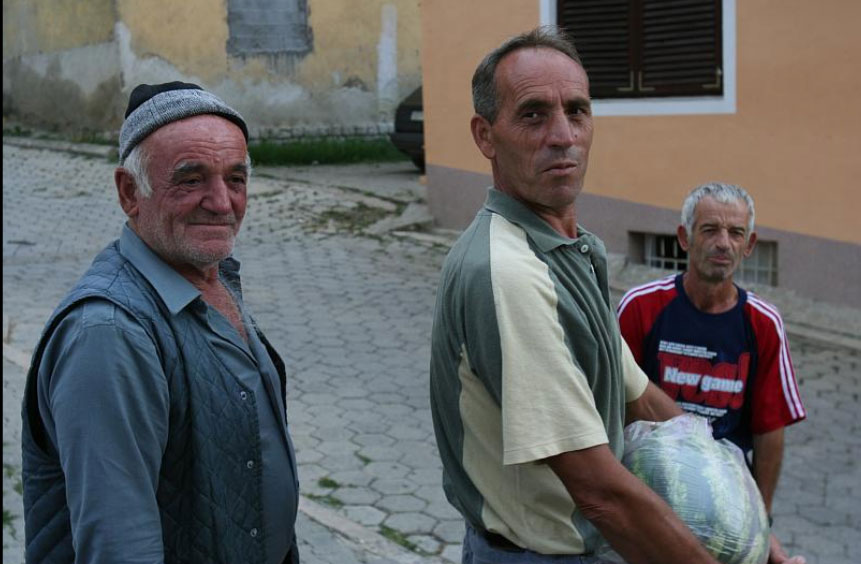
Photos of Kosovo
Photos of Kosovo

Travel and Tourism
Travel and Tourism
- Travel Alert Status
- Level 2: Exercise Increased Caution
- Currency
- euros (EUR)
- Time Difference
- UTC+1 (6 hours ahead of Washington, DC, during Standard Time)
Read the full travel guide — health, safety, vaccinations, disease risk, sanitation, and transit details.
View full travel guideHistory
History
Historical Eras
Ancient & Medieval
6500 BCE – 1389
Kosovo has been inhabited since the Neolithic era and passed through Illyrian, Roman, and Byzantine hands before Serb migration in the 7th century. By the early 13th century, Kosovo became the political and spiritual heartland of the medieval Serbian empire, with rulers constructing landmark Serbian Orthodox monasteries such as Visoki Dečani and the Patriarchate of Peć.
Ottoman Rule
1389 – 1912
The Ottoman defeat of the Serbian-led coalition at the Battle of Kosovo in 1389, where Prince Lazar was killed, marked the beginning of over five centuries of Ottoman dominance. Large-scale settlement by Turks and Albanians fundamentally altered Kosovo's demographic composition, and by the late 19th century Albanians had replaced Serbs as the majority population. The 1689–1690 Great Migration of Serbs northward, triggered by a failed Austrian advance, accelerated this shift.
Balkan Wars & Yugoslavia
1912 – 1946
Serbia reacquired Kosovo during the First Balkan War of 1912–13, ending Ottoman rule, and the territory was subsequently partitioned between Serbia and Montenegro. After World War I, Kosovo was incorporated into the Kingdom of Serbs, Croats, and Slovenes, later renamed Yugoslavia. During World War II, much of Kosovo was absorbed into Italian-controlled Greater Albania until Nazi Germany assumed control following Italy's 1943 capitulation, before Tito's Partisans liberated the region.
Socialist Autonomy
1946 – 1989
Under Josip Broz Tito's Socialist Federal Republic of Yugoslavia, Kosovo was reorganized as an autonomous province within Serbia, gaining substantially expanded self-governance under the 1974 constitution that elevated it to near-republic status. Albanian nationalism nonetheless intensified; violent riots in 1981 demanding full republic status were forcibly suppressed. Cultural and institutional life developed under this framework, but ethnic tensions between Albanians and Serbs continued to simmer.
Conflict & Dissolution
1989 – 2008
Yugoslav President Slobodan Milošević stripped Kosovo of its autonomous status in 1989, provoking escalating Albanian resistance that evolved into armed insurgency by the Kosovo Liberation Army in the mid-1990s. A brutal Serbian crackdown prompted NATO's 1999 aerial campaign against Yugoslavia; internationally brokered peace talks having failed, NATO intervention ended Serbian control and placed Kosovo under UN administration via Resolution 1244. Years of supervised status negotiations followed before Kosovo's unilateral declaration of independence on 17 February 2008.
Independent Kosovo
2008 – present
Kosovo's 2008 declaration of independence was recognized by the United States and most Western nations, though Serbia, Russia, and China refused recognition, creating an ongoing dispute over international status. The country held its first post-independence local elections in 2009 and has pursued European integration, applying for UNESCO and Interpol membership. Ethnic tensions with the Serb minority in northern Kosovo and unresolved status questions continue to shape its political landscape.
Overview
Timeline of Key Events
1689 – 1690
Austrian invasion is repelled.
Austrian invasion is repelled.
1912
Balkan Wars
Balkan Wars. Serbia regains control of Kosovo from the Turks, recognized by 1913 Treaty of London.
1918
Kosovo becomes part of the kingdom of Serbia.
Kosovo becomes part of the kingdom of Serbia.
1941
World War II. Much of Kosovo becomes part of an Italian-controlled greater Albania.
World War II. Much of Kosovo becomes part of an Italian-controlled greater Albania.
1946
Kosovo is absorbed into the Yugoslav federation.
Kosovo is absorbed into the Yugoslav federation.
1989
Yugoslav President Slobodan Milosevic proceeds to strip rights of autonomy.
Yugoslav President Slobodan Milosevic proceeds to strip rights of autonomy laid down in the 1974 constitution.
1993 – 1997
Ethnic tension and armed unrest escalate.
Ethnic tension and armed unrest escalate.
Read the full history profile — narrative overview, defining eras, and the complete timeline in one place.
View expanded historyInteresting Facts
Interesting Facts
On 17 February 2008, the Kosovo Assembly declared its independence from Serbia.
See every fact — trivia, oddities, and curious tidbits gathered from across the country.
View all interesting factsPeople & Demographics
People & Demographics
Religion
Languages Spoken
Albanian (official), Serbian (official), Bosnian, Turkish, Roma
Population
- Population
- 1,800,000
- Nationality Noun
- Kosovar (Albanian), Kosovac (Serbian)
- Ethnic Groups
- Albanians 88%, Serbs 7%, other 5% (Bosniak, Gorani, Roma, Turk, Ashkali, Egyptian)
Health Information
- Life Expectancy at Birth
- Life expectancy at birth in Kosovo stands at approximately 73 to 74 years overall, with women generally outliving men by several years. Female life expectancy hovers around 75 to 76 years, while male life expectancy trails at roughly 71 to 72 years. These figures reflect meaningful improvements made over recent decades, though Kosovo continues to lag behind the European Union average of around 81 years. Kosovo's health outcomes have been shaped by a complex history, including the lasting effects of the 1998–1999 conflict, which damaged much of the country's infrastructure, including its healthcare system. Post-war reconstruction and international assistance helped rebuild medical facilities and expand access to basic health services, contributing to gradual gains in life expectancy throughout the 2000s and 2010s. Among the primary health challenges affecting longevity in Kosovo are cardiovascular disease and cancer, which remain the leading causes of death. Air pollution is also a significant concern — Kosovo has long relied heavily on coal-fired power plants, and poor air quality in urban centers like Pristina has been linked to respiratory and cardiovascular conditions that can shorten lifespans. Additionally, limited public health spending relative to wealthier European nations constrains the quality and availability of specialized medical care. Lifestyle factors such as high rates of smoking, particularly among men, sedentary behavior, and dietary habits heavy in processed and fatty foods also contribute to preventable chronic illness. Kosovo has one of the younger population profiles in Europe, with a median age under 30, which currently keeps overall mortality rates relatively low, though this demographic advantage will diminish as the population ages in coming decades. Efforts to improve life expectancy are ongoing. Kosovo has worked to strengthen primary healthcare networks, expand immunization programs, and reduce infant and maternal mortality — all of which positively influence life expectancy calculations. Continued alignment with European health standards and sustained investment in preventive medicine are seen as key to closing the gap with regional peers.
- Infant Mortality Rate
- Kosovo has made meaningful progress in reducing infant mortality over recent decades, though the rate remains higher than the European Union average. The infant mortality rate in Kosovo stands at approximately 8 to 10 deaths per 1,000 live births, reflecting ongoing challenges in healthcare access, particularly in rural and economically disadvantaged areas. Infant mortality in Kosovo is influenced by several interconnected factors, including limited access to specialized neonatal care, poverty, and gaps in maternal health services. Premature births and congenital conditions account for a significant share of infant deaths, as they do in many developing healthcare systems. Disparities exist between urban centers like Pristina, where hospital infrastructure is more developed, and smaller municipalities where healthcare facilities may lack advanced equipment and trained specialists. The Kosovo government, in partnership with international organizations including UNICEF and the World Health Organization, has implemented programs aimed at strengthening maternal and child health services. These efforts include expanding immunization coverage, training midwives and pediatric nurses, improving antenatal care, and promoting breastfeeding. Vaccination rates in Kosovo have improved considerably, helping to reduce deaths caused by preventable infectious diseases among infants. Compared to its regional neighbors, Kosovo's infant mortality rate is somewhat elevated relative to countries like Slovenia or Croatia, which report figures closer to 2 to 4 deaths per 1,000 live births, but it has declined substantially from rates recorded in the early 2000s, when post-conflict instability severely disrupted healthcare delivery. Ethnic and socioeconomic disparities within Kosovo also contribute to uneven outcomes. Roma, Ashkali, and Egyptian communities face considerably higher risks due to lower household incomes, limited health literacy, and reduced access to prenatal services. Addressing these inequities remains a central challenge for public health authorities. Kosovo's continued progress in reducing infant mortality will depend on sustained investment in primary healthcare infrastructure, continued international support, and targeted interventions for vulnerable populations.
Life Expectancy
- Life Expectancy at Birth
- Life expectancy at birth in Kosovo stands at approximately 73 to 74 years overall, with women generally outliving men by several years. Female life expectancy hovers around 75 to 76 years, while male life expectancy trails at roughly 71 to 72 years. These figures reflect meaningful improvements made over recent decades, though Kosovo continues to lag behind the European Union average of around 81 years. Kosovo's health outcomes have been shaped by a complex history, including the lasting effects of the 1998–1999 conflict, which damaged much of the country's infrastructure, including its healthcare system. Post-war reconstruction and international assistance helped rebuild medical facilities and expand access to basic health services, contributing to gradual gains in life expectancy throughout the 2000s and 2010s. Among the primary health challenges affecting longevity in Kosovo are cardiovascular disease and cancer, which remain the leading causes of death. Air pollution is also a significant concern — Kosovo has long relied heavily on coal-fired power plants, and poor air quality in urban centers like Pristina has been linked to respiratory and cardiovascular conditions that can shorten lifespans. Additionally, limited public health spending relative to wealthier European nations constrains the quality and availability of specialized medical care. Lifestyle factors such as high rates of smoking, particularly among men, sedentary behavior, and dietary habits heavy in processed and fatty foods also contribute to preventable chronic illness. Kosovo has one of the younger population profiles in Europe, with a median age under 30, which currently keeps overall mortality rates relatively low, though this demographic advantage will diminish as the population ages in coming decades. Efforts to improve life expectancy are ongoing. Kosovo has worked to strengthen primary healthcare networks, expand immunization programs, and reduce infant and maternal mortality — all of which positively influence life expectancy calculations. Continued alignment with European health standards and sustained investment in preventive medicine are seen as key to closing the gap with regional peers.
- Infant Mortality Rate
- Kosovo has made meaningful progress in reducing infant mortality over recent decades, though the rate remains higher than the European Union average. The infant mortality rate in Kosovo stands at approximately 8 to 10 deaths per 1,000 live births, reflecting ongoing challenges in healthcare access, particularly in rural and economically disadvantaged areas. Infant mortality in Kosovo is influenced by several interconnected factors, including limited access to specialized neonatal care, poverty, and gaps in maternal health services. Premature births and congenital conditions account for a significant share of infant deaths, as they do in many developing healthcare systems. Disparities exist between urban centers like Pristina, where hospital infrastructure is more developed, and smaller municipalities where healthcare facilities may lack advanced equipment and trained specialists. The Kosovo government, in partnership with international organizations including UNICEF and the World Health Organization, has implemented programs aimed at strengthening maternal and child health services. These efforts include expanding immunization coverage, training midwives and pediatric nurses, improving antenatal care, and promoting breastfeeding. Vaccination rates in Kosovo have improved considerably, helping to reduce deaths caused by preventable infectious diseases among infants. Compared to its regional neighbors, Kosovo's infant mortality rate is somewhat elevated relative to countries like Slovenia or Croatia, which report figures closer to 2 to 4 deaths per 1,000 live births, but it has declined substantially from rates recorded in the early 2000s, when post-conflict instability severely disrupted healthcare delivery. Ethnic and socioeconomic disparities within Kosovo also contribute to uneven outcomes. Roma, Ashkali, and Egyptian communities face considerably higher risks due to lower household incomes, limited health literacy, and reduced access to prenatal services. Addressing these inequities remains a central challenge for public health authorities. Kosovo's continued progress in reducing infant mortality will depend on sustained investment in primary healthcare infrastructure, continued international support, and targeted interventions for vulnerable populations.
Read the full people and society profile — demographics, health, education, religion, languages, and notable people.
View full people and societyGovernment & Politics
Government & Politics
Country Identity
- Country Name
- Kosovo
- Full Country Name
- Republic of Kosovo
- Local - Long
- Republika e Kosoves (Republika Kosova)
- Local - Short
- Kosova (Kosovo)
- Former Name
- Kosovo and Metohija Autonomous Province
Government Structure
- Government Type
- Republic
- Legal System
- evolving legal system based on terms of UN Special Envoy Martti AHTISAARI's Plan for Kosovo's supervised independence
- Executive Branch
- chief of state: President Vjosa OSMANI-SADRIU (since 4 April 2021) head of government: Prime Minister Albin KURTI (since 22 March 2021) cabinet: ministers elected by the Kosovo Assembly elections: the president is elected for a five-year term by the Kosovo Assembly; election last held 4 April 2021 (next to be held in 2026); the prime minister is elected by the Kosovo Assembly following legislative elections election results: Vjosa OSMANI-SADRIU elected president by the Kosovo Assembly; Albin KURTI elected prime minister following the February 2021 legislative elections in which his Vetevendosje movement won a majority
- Legislative Branch
- Unicameral Assembly of Kosovo (Kuvendi i Kosovës) with 120 seats; 100 seats directly elected by proportional representation, 10 seats reserved for ethnic Serbs, and 10 seats reserved for other ethnic minorities; members serve four-year terms. Elections: Last held on 14 February 2021 (next to be held in 2025). Election results: Percent of vote by party — Vetevendosje (VV) 47.9%, Democratic Party of Kosovo (PDK) 17.0%, Democratic League of Kosovo (LDK) 12.7%, Alliance for the Future of Kosovo (AAK) 7.7%, Serbian List (SL) 5.1%, other 9.6%; seats by party — VV 58, PDK 19, LDK 15, AAK 8, SL 10, other 10.
- Judicial Branch
- Supreme Court; district courts; municipal courts note: the Kosovo Constitution dictates that the Supreme Court of Kosovo is the highest judicial authority, and provides for a Kosovo Judicial Council (KJC) that proposes to the president candidates for appointment or reappointment as judges and prosecutors; the KJC is also responsible for decisions on the promotion and transfer of judges and disciplinary proceedings against judges; at least 15 percent of Supreme Court and district court judges shall be from non-majority communities
- Suffrage
- 18 years of age; universal
- Constitution
- Independence Day, 17 February (2008)
- Independence
- 17 February 2008
- National Holiday
- Independence Day, 17 February (2008)
Capital City
- Capital Name
- Pristina (Prishtine, Prishtina)
- Capital - geographic coordinate
- 42 40 N, 21 10 E
- Capital Time Difference
- UTC+1 (6 hours ahead of Washington, DC, during Standard Time)
the name may derive from a Proto-Slavic word reconstructed as "pryshchina," meaning "spring (of water)"
Military
Branches: Kosovo Security Force (FSK)
Embassy / Diplomatic Mission
U.S. Embassy Pristina
Arberia/Dragodan, Nazim Hikmet 30, Pristina, Kosovo
Telephone: (381) 38 59 59 3000
Facsimile: (381) 38 549 890
E-mail: PaPristina@state.gov
The Consular Section is open for American Citizen Services Monday through Friday from 2:00 p.m. to 4:00 p.m., except on U.S. and Kosovar holidays. All non-emergency services are by appointment only.
Read the full government profile — flag symbolism, national anthem, and other national symbols.
View full government detailsEconomy
Economy
Kosovo's economy has made notable progress in transitioning to a market-based system and maintaining macroeconomic stability, but it remains highly dependent on the international community and the diaspora for financial and technical assistance. Remittances from the diaspora — located mainly in Germany and Switzerland — are estimated to account for roughly 15% of GDP, while donor-financed activities and foreign aid contribute additional support to the economy. Although incomes have grown considerably since independence, Kosovo remains one of the poorest economies in Europe, with GDP per capita of approximately $6,000. Unemployment, hovering around 11-13%, and youth unemployment exceeding 20%, continues to drive outward migration and informal economic activity.
Much of Kosovo's population lives in rural areas outside the capital, Pristina. Inefficient, near-subsistence farming remains common, the result of small plots, limited mechanization, and a lack of technical expertise. With international assistance, Kosovo has privatized the majority of its state-owned enterprises. Minerals and metals — including lignite, lead, zinc, nickel, chrome, aluminum, magnesium, and a wide variety of construction materials — once formed the backbone of industry, but output has declined because of aging equipment and insufficient investment.
A limited and unreliable electricity supply, largely dependent on aging coal-fired plants, remains a major impediment to economic development, although investment in renewable energy sources such as wind and solar is gradually expanding. The official currency of Kosovo is the euro, though the Serbian dinar has historically circulated in Serb-majority enclaves, despite recent regulatory restrictions by Kosovo's central bank. The euro link has helped keep inflation relatively contained, even amid recent regional price pressures. Kosovo maintains one of the most open economies in the region and continues to work with international partners on reforms aimed at improving the business climate, strengthening the rule of law, and attracting foreign direct investment, particularly as it pursues closer integration with the European Union.
Snapshot
- Currency Name and Code
- Euro (EUR)
- GDP — official exchange rate
- $3,237,000,000 (USD)
- GDP Real Growth Rate
- 4.3%
- GDP by Sector
- agriculture: 20% industry: 20% services: 60%
Banknotes


Budget & Public Finance
- Annual Budget
- $1,220,000,000 (USD)
- Investment (% of GDP)
- 30%
Labor, Industry & Trade
- Labor Force by Occupation
- agriculture: 16.5%
- Industries
- mineral mining, construction materials, base metals, leather, machinery, appliances
- Export Commodities
- mining and processed metal products, scrap metals, leather products, machinery, appliances
- Import Commodities
- foodstuffs, wood, petroleum, chemicals, machinery and electrical equipment
Energy
- Natural Gas Production
- 0 cu m
- Natural Gas Consumption
- 0 cu m
- Natural Gas Exports
- 0 cu m
Communications
- Internet Country Code
- .kv
News & Weather
News & Weather
Current Weather
Latest News
Forensic teams search a suspected mass grave from the Kosovo war - AP News
AP News · 4d ago
LDK Congress Confirms Leader, Opening Door to Kosovo Coalition Talks - Balkan Insight
Balkan Insight · 1h ago
Serbian Minister Backs ‘Ethnic Cleansing’ of Kosovo - Genocide Watch
Genocide Watch · 14d ago
Kosovo's Ipko hits record 60 Gbps mobile traffic peak after bad weather - Telecompaper
Telecompaper · 37m ago
Further demolition of objects around Gazivode/Ujman lake triggers disputes - European Western Balkans
European Western Balkans · 2d ago
Kosovo’s Sunny Hill Festival 2026 features Katy Perry, EsDeeKid, and more - The Fader
The Fader · 6d ago
Remarks at a UN Security Council Briefing on Kosovo - United States Mission to the United Nations (.gov)
United States Mission to the United Nations (.gov) · 116d ago
NATO's role in Kosovo - North Atlantic Treaty Organization | NATO
North Atlantic Treaty Organization | NATO · 52d ago
News via Google News
Frequently Asked Questions
Frequently Asked Questions
What is the population of Kosovo?
What should I know about hospitality and social customs in Kosovo?
What are the cultural and recreational highlights in Kosovo?
What should travelers know before visiting Kosovo?
What is the capital of Kosovo?
Where is Kosovo located?
What countries border Kosovo?
What is the predominant religion in Kosovo?
What currency is used in Kosovo?
What languages are spoken in Kosovo?
What is Kosovo known for?
Last reviewed 2026