
 English
 Español
 中文
中文 हिन्दी
 Français
政府与政治
斯洛文尼亚的政府与政治
斯洛文尼亚的政府结构、领导人、首都、军事和国家象征。
政府结构
宪法基础、权力分支、政党和领导层。
- 政府类型
- 议会民主共和制
- 行政区划
- 182个市镇(obcine,单数形式为obcina)和11个城市市镇(mestne obcine,单数形式为mestna obcina):阿伊多夫什奇纳、贝尔廷茨、贝内迪克特、比斯特里察奥布索特利、布莱德、布洛克、博欣、博罗夫尼察、博韦茨、布拉斯洛夫采、布尔达、布雷日采、布雷若维察、詹科瓦、塞莱*、采尔克耶那戈伦约斯基、采尔尼察、采尔克诺、采尔克韦尼亚克、克伦索夫茨、克尔纳那科罗斯基、克尔诺梅利、德什特尼克、迪瓦察、多布耶、多布雷波利耶、多布尔纳、多布罗瓦-霍尔胡尔-波尔霍夫格拉德茨、多布罗夫尼克-多布罗纳克、多伦斯基托普利采、多尔普里卢布尔雅那、多姆扎莱、多尔纳瓦、德拉沃格拉德、杜普莱克、戈伦亚瓦斯-波尔亚内、戈里什尼察、戈尔尼亚拉德戈纳、戈尔尼格拉德、戈尔尼彼得罗夫茨、格拉德、格罗苏普列、海伊迪纳、霍切-斯利夫尼察、霍多什-霍多什、霍尔胡尔、赫拉斯特尼克、赫尔佩利耶-科齐纳、伊德里亚、伊格、伊利尔斯卡比斯特里察、伊万奇纳戈里察、伊佐拉-伊索拉、耶塞尼采、耶泽尔斯科、尤尔申茨、卡姆尼克、卡纳尔、基德里切沃、科巴里德、科比利耶、科切夫耶、科门、科门达、科佩尔-卡波迪斯特里亚*、科什特尔、科日耶、克兰*、克兰斯卡戈拉、克里热夫茨、克尔什科、昆戈塔、库日马、拉什科、莱纳尔特、伦达瓦-伦德瓦、利蒂亚、卢布尔雅那*、柳布诺、柳托梅尔、洛加特茨、洛斯卡多利纳、洛斯基波托克、洛夫伦茨那波霍尔尤、卢采、卢科维察、迈施佩克、马里博尔*、马尔科夫茨、梅德沃德、门热什、梅特利卡、梅日察、米克拉瓦茨那德拉夫斯基波尔尤、米伦-科斯坦耶维察、米尔纳佩茨、米斯林亚、莫拉夫采、莫拉瓦托普利采、莫日尔耶、穆尔斯卡索博塔*、穆塔、纳克洛、纳扎尔耶、诺瓦戈里察*、诺沃梅斯托*、奥德兰茨、奥普洛特尼察、奥尔莫日、奥西尔尼察、佩什尼察、皮兰-皮拉诺、皮夫卡、波德切特雷克、波德莱赫尼克、波德韦尔卡、波尔泽拉、波斯托伊纳、普雷博尔德、普雷德沃尔、普雷瓦利耶、普图伊*、普琼茨、拉切-弗拉姆、拉德采、拉德恩茨、拉德利耶奥布德拉维、拉多夫利察、拉夫内那科罗斯基、拉兹克里日耶、里布尼察、里布尼察那波霍尔尤、罗加索夫茨、罗加什卡斯拉蒂纳、罗加特茨、鲁塞、萨洛夫茨、塞尔尼察奥布德拉维、塞米茨、塞姆彼特-夫尔托伊巴、塞恩楚尔、塞蒂利、塞蒂耶尔内伊、塞蒂尤尔普里采利耶、塞夫尼察、塞扎纳、斯科奇扬、什科夫亚洛卡、什科弗利察、斯洛韦尼格拉德茨*、斯洛韦尼斯卡比斯特里察、斯洛韦尼斯基康尼采、斯马尔耶普里耶尔萨、斯马特诺奥布帕基、斯马特诺普里利蒂亚、索德拉日卡、索尔察瓦、索什塔尼、什塔尔什、什托雷、圣安娜、圣安德拉日夫斯洛韦尼斯基戈里察、圣尤里、塔博尔、蒂希纳、托尔民、特尔博夫利耶、特雷布尼耶、特尔诺夫斯卡瓦斯、特日奇、特日因、图尔尼什采、韦莱尼耶*、韦利卡波拉纳、韦利克拉什采、韦尔泽伊、维德姆、维帕瓦、维坦耶、沃迪采、沃伊尼克、夫兰斯科、弗赫尼卡、武泽尼察、扎戈尔耶奥布萨维、扎莱茨、扎夫尔茨、热列日尼基、泽塔莱、日里、日罗夫尼察、祖泽姆贝克、日雷采
- 法律制度
- 基于民法体系
- 选举权
- 18岁及以上;全民投票权(16岁及以上,如果有工作)
- 公民身份
- 出生公民身份:否 仅凭血统获得公民身份:至少一方父母必须是斯洛文尼亚公民;若子女在斯洛文尼亚境外出生,则父母双方均须为斯洛文尼亚公民 承认双重国籍:是,适用于特定情况 入籍居住要求:10年,其中最后5年须为连续居住
- 行政部门
- 国家元首:总统娜塔莎·皮尔茨·穆萨尔(自2022年12月23日起) 政府首脑:总理罗伯特·戈洛布(自2022年6月1日起) 部长会议:由总理提名、国民议会选举的部长委员会 选举:总统由普选选举,任期五年;最后一次选举于2022年10月23日和11月13日举行(下次选举定于2027年秋季举行);在国民议会选举后,多数党领导人或多数联盟领导人通常由总统提名成为总理,并由国民议会选举;最后一次选举于2022年4月24日举行(下次国民议会选举将于2026年举行) 选举结果:娜塔莎·皮尔茨·穆萨尔在第二轮投票中当选总统;第二轮得票率——娜塔莎·皮尔茨·穆萨尔53.9%,Anže LOGAR 46.1%;罗伯特·戈洛布当选总理;国民议会投票——54票对30票
- 立法机构
- 两院制议会,由国民议会(Državni Zbor,90个席位;议员通过比例代表制以单一选区与政党名单相结合的方式经普选产生,任期四年)和国务委员会(Državni Svet,40个席位;主要为咨询机构,立法权力有限;可提议立法、要求复审国民议会的任何决议并召集全国公投;代表社会、经济、专业及地方利益的议员由选举团间接选出,任期五年)组成。 选举:国民议会——上次选举于2022年4月24日举行(下次选举定于2026年举行)。 选举结果:按政党得票率——自由运动党(Gibanje Svoboda)34.5%、斯洛文尼亚民主党(SDS)23.5%、新斯洛文尼亚党(NSi)6.9%、社会民主党(SD)6.7%、左翼党(Levica)4.4%、斯洛文尼亚人民党(SLS)4.0%、斯洛文尼亚民族党(SNS)3.5%、其他16.5%;按政党席位——自由运动党41席、斯洛文尼亚民主党27席、新斯洛文尼亚党8席、社会民主党7席、左翼党5席,匈牙利族和意大利族少数民族各保留1席。选举结束后,自由运动党领袖Robert Golob获任命为总理,结束了Janez Janša的执政任期,标志着斯洛文尼亚政治格局发生重大转变。
- 司法部门
- 最高法院(法官由国民议会根据司法委员会的建议选举);宪法法院(法官由国民议会选举,任期九年,由总统提名)
- 政治党派
- 斯洛韦尼退休(人士)民主党或DeSUS(卡尔·埃尔亚韦茨);自由民主党或LDS(耶尔科·卡钦);新斯洛韦尼或NSi(安德烈·巴尤克);斯洛韦尼民主党或SDS(亚内茨·詹沙);斯洛韦尼民族党或SNS(兹马戈·耶林奇奇);斯洛韦尼人民党或SLS(亚内茨·波多布尼克);斯洛韦尼青年党或SMS(达尔科·克兰茨);社会民主人士联合名单或ZLSD(博鲁特·帕霍尔)
- 国家元首
- Danilo TURK
- 政府首脑
- Borut PAHOR
- 柜子
- 由总理提名并由国民议会选出的部长委员会
- 选举
- 总统由普选产生,任期五年(可连任一届);上次选举于2007年10月21日和11月11日举行(下次选举将于2012年10月8日举行);国民议会选举后,多数党领导人或多数党联盟领导人通常被总统提名为总理人选,并由国民议会选举产生;上次选举于2004年11月9日举行(下次国民议会选举将于2008年10月举行)
- 选举结果
- 2022年议会选举各党得票率:自由运动党(Gibanje Svoboda)34.5%,SDS 23.5%,新斯洛文尼亚党(NSi)6.9%,SD 6.7%,左翼党(Levica)4.4%,SLS 4.0%,SNS 3.5%,其他16.5%。各党席位分配:自由运动党41席,SDS 27席,新斯洛文尼亚党8席,SD 7席,左翼党5席,匈牙利族和意大利族少数民族各保留1席。选举结束后,自由运动党领袖Robert Golob于2022年6月被任命为总理,结束了Janez Janša的执政任期,标志着斯洛文尼亚政治格局发生重大转变。Golob与SD及左翼党联合组建政府,致力于推进民主革新、气候政策以及强化法治建设。
- 宪法
- 1991年12月23日通过,1991年12月23日生效
- 独立
- 1991年6月25日(从南斯拉夫独立)
- 国家假日
- 独立日/建国日,6月25日(1991年)
- 国际组织参与
- 非洲、加勒比和太平洋国家组织(观察员)、国际清算银行、欧洲委员会、中欧倡议、欧洲-大西洋伙伴关系委员会、欧洲复兴开发银行、欧盟(新成员)、粮食及农业组织、美洲开发银行、国际原子能机构、国际复兴开发银行、国际民用航空组织、国际刑事法院、国际刑事法院、国际红十字与红新月运动委员会、国际开发协会、国际金融公司、国际救援委员会联合会、国际水文组织、国际劳工组织、国际货币基金组织、国际海事组织、国际刑警组织、国际奥林匹克委员会、国际移民组织、国际标准化组织、国际电信联盟、不结盟运动(客人)、核供应集团、禁止化学武器组织、欧洲安全与合作组织、常设仲裁法院、欧盟和北约的伙伴关系计划、联合国、联合国贸易和发展会议、联合国教科文组织、联合国工业发展组织、联合国驻科索沃特派团、联合国停火监督组织、万国邮政联盟、世界海关组织、西欧联盟(副伙伴)、世界卫生组织、世界知识产权组织、世界气象组织、世界旅游组织、世界贸易组织、主要供应国集团
- 驻美外交代表机构
- 首席外交官:大使达沃林·克拉楚恩 公使馆:新罕布什尔州大道西北1525号,华盛顿哥伦比亚特区20036 电话:[1](202)667-5363 传真:[1](202)667-4563 总领事馆:克利夫兰、纽约
- 美国外交代表
- 首席外交官:大使托马斯·B·罗伯逊 大使馆:普雷塞尔诺瓦街31号,卢布尔雅那1000 邮寄地址:美国驻卢布尔雅那大使馆、国务院、卢布尔雅那广场7140号、华盛顿哥伦比亚特区20521-7140 电话:[386](1)200-5500 传真:[386](1)200-5555
首都
政府所在地和政治历史
- 首都
- 卢布尔雅那
- 位置
- 北纬46°03′,东经14°31′
- 时差
- UTC+1(标准时间期间比华盛顿特区早6小时)
- 历史
- 可能与斯拉夫语词根"ljub"有关,意为"喜欢"或"爱";按照传统说法,该名称与斯洛文尼亚语单词"ljubljena"有关,意为"被爱的"
大使馆和外交代表机构
大使馆位置和联系方式
美国驻卢布尔雅那大使馆,领事部 Prešernova 31 1000 卢布尔雅那 电话:(386) (1) 200-5595 紧急非办公时间电话:(386) (1) 200-5556 传真:(386) (1) 200-5535 电子邮件:ACSLjubljana@state.gov
军事
分支机构、服务义务、支出和人力。
- 军事分支
- 斯洛文尼亚武装部队(Slovenska Vojska,SV):部队司令部(下辖地面部队、海军分队、空军及防空旅);民防与救灾管理局(ACPDR)
- 服务年限和义务
- 自愿服役年龄为18至25岁;征兵制于2003年废除
国家象征
国旗、国歌及其他国家认同的象征
国旗
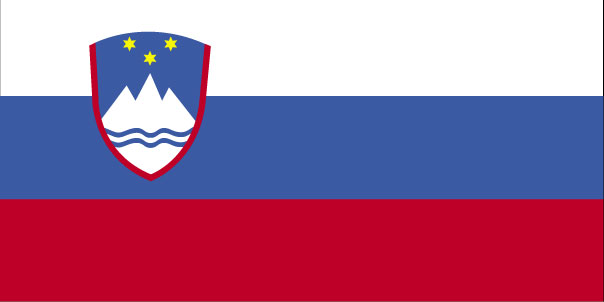
- 旗帜象征
- 三条平行的水平条纹,从上到下分别为白色、蓝色和红色。斯洛文尼亚国徽(一面盾牌,盾面上是斯洛文尼亚最高峰特里格拉夫山在蓝色背景上的白色形象;盾牌下方是两条蓝色波浪线,代表海洋和河流;上方是三颗六角星,按倒三角形排列,这些图案取自14世纪末至15世纪初斯洛文尼亚伟大贵族切列伊伯爵家族的纹章);国徽位于旗帜靠旗杆一侧的上方,在白色和蓝色条纹的中央
- 采纳日期
- 1991年6月27日
国歌
- 国歌歌词
- "Zivé naj vsi naródi, ki hrepené do"cakat' dan, da, koder sonce hodi, prepir iz svéta bo pregnan; da rojak prost bo vsak, ne vrag, le sosed bo mejak!
- 国歌歌词(英文)
- God's blessing on all nations, Who long and work for that bright day, When o'er earth's habitation No war, no strife shall hold its sway; Who long to see That all man free No more shall foes, but neighbours be.
其他国家象征
国花
carnation
国花
carnation
国树
椴树(菩提树)
纹章
采列伯爵 三枚金色六角星的纹章属于采列贵族世家,该家族源自日夫内克,最早在中世纪编年史中于1130年左右被提及。在随后的几个世纪里,它建立了一个具有影响力的领地,到1436年时已控制了斯洛文尼亚领土的大部分地区。当时,采列城中该家族的宫廷成为斯洛文尼亚人文主义思想和文艺复兴运动的中心。1456年采列王朝最后一位男性后裔遭到暗杀,标志着斯洛文尼亚领地本土统治时期的结束。从那时起直到20世纪,斯洛文尼亚人由外国人统治,其中最著名的是哈布斯堡王朝。
国徽
斯洛文尼亚的国徽呈盾牌形。盾牌中央是蓝色背景上用白色表现的特里格拉夫山,山下有两条波浪形的蓝线,象征着海洋和河流,山上方有三颗金色的六角星,形成一个向下指向的三角形。盾牌的边框为红色。这枚国徽是根据一套标准的几何和色彩标准由学院派雕塑家马尔科·波加切尼克设计的。 盾牌的两侧都有红色边框,因此包含了斯洛文尼亚三色旗的全部三种颜色:白、蓝和红(山为白色,波浪为蓝色)。金色的星星使人想起卡尼奥拉历史旗帜的色彩之一,卡尼奥拉被认为是三色旗的前身。
国徽
Form and colours The coat of arms of Slovenia has the form of a shield. In the middle of the shield, on a blue background, is a representation of Mount Triglav in white, under which there are two undulating blue lines symbolising the sea and rivers and above which there are three golden, six-pointed stars forming a downward-pointing triangle. The shield is bordered in red. The coat-of-arms was designed in accordance with a set standard of geometry and colour by the academy sculptor Marko Pogaènik. The shield has a red border at the sides and so features all three colours of the Slovenian tricolour: white, blue and red (the mountain is in white, the waves in blue). The gold stars recall one of the colours of the historical flag of the province of Carniola, regarded as the forerunner of the tricolour. The lower part of the coat of arms symbolises the Slovenian landscape, which comprises Alpine peaks in the northwest, the Adriatic sea in the south, and the plain of the ancient Pannonian Sea in the east. The verticality of the Alps is represented by the highest mountain, Triglav, while the level expansiveness of the maritime and lowland areas is expressed in the two horizontal waves. The mountain and the water at its foot can equally be understood as a universal symbol which does not refer uniquely to the Slovenian landscape. It symbolises the fundamental inner balance of the human individual, the balance between the masculine and feminine principles. The vertical extensions of the mountain denotes will and masculine power within the human being, while the horizontality and suppleness of the water symbolises attributes of femininity, all-encompassing and entire. The balance water between the feminine and masculine principles touches the very essence of humanity, and can at the same time be constructed on the global level as a symbol of the balance between nature and civilisation. In this way the coat-of-arms addresses an age which once more observes and cherishes balance in all things. The balance between the mountain and the water-levels is a token of Slovenian identity in terms of landscape. Slovenian identity on the spiritual and ethnical level is symbolised by the three six-pointed gold stars placed above in the form of a triangle pointing from the sky to the earth. The stars are aligned with the triangle formed by the three peaks of Triglav (whose name means “three- headed”), symbolising the terrestrial world. The coat-of-arms thus symbolically conjures the realm of the spiritual and ethereal principle and the world of earth and landscape, whereby the two are coextensive, interdependent and complementary. The three six-pointed golden stars are taken from the coat of arms of the Counts of Celje, whose rule in the late Middle Ages united almost the entire Slovenian territory that is known today. The stars of the Counts of Celje thus symbolise the cultural and administrative tradition of Slovenian lands in the context of their involvement in the currents of European history. The design of the coat of arms The primeval pattern of the Slovenian coat of arms can be traced back to the poem “Krst pri Savici” (The Baptism on the Savica) by France Prešeren who is considered one of the founders of modern Slovenian nationhood. The poem deals with the question of Slovenian identity in the context of the conversion to Christianity. In the first stanza, the poet presents Mount Triglav, the lake beneath it, and the golden light above it. These same elements are represented in the coat of arms. The image of the Slovenian coat of arms was first encountered on Mary's column standing in front of the parish church at Bled, which was created by the architect Jože Pleènik in 1934. The reverse side of Mary's coat features a chiselled out coat of arms of the then Kingdom of Serbs, Croats and Slovenes. Instead of the official coat of arms, the artist created a coat of arms composed of the shape of Triglav and a six-pointed star above it. Geometric design The Slovenian coat-of-arms is composed according to a precise geometric design based on the two equilateral triangles: the “celestial” and the “terrestrial” triangles whose tips meet at the lower of the three stars. The “terrestrial” part of the shield has two internal poles. One is the meandering of the two waves, while the other is Triglav, which is made up of three equilateral triangles. Together, they form the “terrestrial” triangle.