
 English
 Español
 中文
中文 हिन्दी
 Français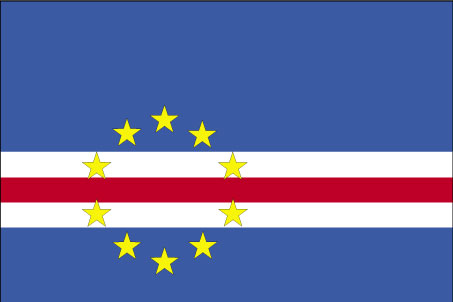
Cape Verde
Cabo Verde
Declare Your Relationship to Cape Verde
CountryReports Community
- Studying21
- From Cape Verde5
- Cape Verde heritage4
- Visited2
- Want to visit8
Customs and Culture
Customs and Culture
Cultural Attributes
Farewell and returning back to the island parties are important, almost like rites of passage. Social networks are important for finding jobs and seeking marriage partners. Cape Verdeans are warm and generous.

Islands of Warmth and Connection
Get More Customs and Culture
6 more cultural topics for members
Social Customs & Etiquette · Diet · Family · Dating Customs · Recreation · Student Life
Every country, every topic, all activities & recipes
✓ Instant access on this device · ✓ No subscription
Holidays
Independence Day
7/5Independence Day
Dates of Interest
- July 5th
What language do people speak and use to communicate in CapeVerde?
Crioulo (creole) is widely spoken even though Portuguese is the official language.
Good to know
- Women play an important role in passing the language from one generation to the next.
What foods can I expect to eat in CapeVerde?
Cape Verdean cuisine features hearty dishes like cachupa (stew), conj (soup), djagacida (chicken with rice) and gufong (cornbread).
Good to know
- The most common meats are pork, chicken and fish.
- Tropical fruits are readily available.
How should I dress in CapeVerde?
Western-style clothing is standard, often second-hand.
Good to know
- Women sometimes wear their panos (cloth strips) as sashes.
What is family life like in CapeVerde?
Family life is deeply rooted in the culture and history of the Islands, and families take great pride in their children's achievements.
Good to know
- Parents make great sacrifices to educate their children.
What do people do for fun in CapeVerde?
Soccer is the most popular sport, with swimming and surfboarding also popular.
Good to know
- A favorite game is ouri, a pit and pebble game common in many African countries.
What should I know about social life before visiting CapeVerde?
Cape Verdeans are warm and generous, and social connections are highly valued.
Good to know
- Farewell and returning-to-the-island parties are important, almost like rites of passage.
- Social networks are important for finding jobs and seeking marriage partners.
Last updated: 2026-07-12 · Sources: CountryReports
Photos of Cape Verde
Photos of Cape Verde


Travel and Tourism
Travel and Tourism
- Travel Alert Status
- Level 1: Exercise Normal Precautions
- Currency
- 101.8
- Time Difference
- UTC-1 (4 hours ahead of Washington, DC, during Standard Time)
- Airports
- 7
- Recommended Vaccinations
- How important is it to do your research about vaccinations? It might just save your life! Make yourself aware of the different types of vaccinations and which ones you may need to travel to your destination. Schedule an appointment with your doctor at least four to six weeks before you travel to ensure you receive all important shots. Be sure that you and your family are up to date on your routine vaccinations. Which vaccinations you need will depend on a number of factors including your destination, whether you will be spending time in rural areas, the season of the year you are traveling, your age, health status, and previous immunizations.
Read the full travel guide — health, safety, vaccinations, disease risk, sanitation, and transit details.
View full travel guideRecipes
Recipes
History
History
Historical Eras
Pre-Settlement
The Cape Verde archipelago was uninhabited prior to European contact, with no indigenous population. Genoese and Portuguese navigators first sighted the islands around 1456, finding a volcanic, arid landscape that nonetheless held strategic promise as a mid-Atlantic waypoint for expanding Portuguese maritime exploration along the African coast.
Portuguese Colonization
1456 – 1600
Portuguese settlers founded Ribeira Grande on Santiago in 1462, establishing the first permanent European tropical settlement. The archipelago rapidly became a critical hub in the transatlantic slave trade, with merchants funneling enslaved Africans through the islands to the Americas. This commerce brought considerable prosperity, though settlements also suffered repeated pirate raids and attacks by rivals such as Sir Francis Drake in 1585.
Colonial Decline & Resupply Era
1600 – 1956
As the slave trade waned, Cape Verde's early wealth eroded, and repeated droughts compounded economic hardship. However, the islands' position astride mid-Atlantic shipping lanes sustained relevance; Mindelo on São Vicente became a thriving 19th-century coaling and resupply port. Portugal reclassified Cape Verde from a colony to an overseas province in 1951, an ineffective gesture aimed at suppressing rising nationalist sentiment.
Independence Struggle
1956 – 1975
Amílcar Cabral co-founded the PAIGC in 1956, uniting Cape Verdean and Guinea-Bissauan nationalists in a movement demanding self-determination. Armed insurgency against Portuguese rule escalated through the 1960s, primarily fought in Guinea-Bissau, and Portugal's 1974 Carnation Revolution opened the path to negotiated independence. Cape Verde formally received independence on July 5, 1975, following elections for a National Assembly on June 30.
One-Party State
1975 – 1991
The PAIGC, reconstituted as the PAICV after Guinea-Bissau's 1980 coup ended unification hopes, governed Cape Verde as a single-party state. The government pursued socialist-oriented development policies while managing persistent drought crises that drove substantial emigration, creating a diaspora that today exceeds the resident population. By the late 1980s, internal and international pressure forced the PAICV to begin dismantling one-party structures.
Democratic Era
1991 – present
The first multi-party elections in January 1991 brought the Movement for Democracy to power, and a new constitution was adopted in 1992 cementing pluralist governance. Power has since alternated peacefully between the MpD and PAICV, earning Cape Verde recognition as one of Africa's most stable democracies. The country has pursued economic development through tourism, remittances, and international partnerships, graduating from least-developed-country status in 2007.
Overview
In 1462, Portuguese settlers arrived at Santiago and founded Ribeira Grande (now Cidade Velha)--the first permanent European settlement city in the tropics. In the 16th century, the archipelago prospered from the transatlantic slave trade. Pirates occasionally attacked the Portuguese settlements. Sir Francis Drake sacked Ribeira Grande in 1585. After a French attack in 1712, the city declined in importance relative to Praia, which became the capital in 1770.
Every country, every topic, all activities & recipes
✓ Instant access on this device · ✓ No subscription
Timeline of Key Events
1456
First Europeans arrive in Cape Verde.
First Europeans arrive in Cape Verde.
1495
Cape Verde becomes a Portuguese crown colony.
Cape Verde becomes a Portuguese crown colony.
1975
Cape Verde becomes independent.
Cape Verde becomes independent and adopts constitution envisaging unity with Guinea-Bissau.
1980
Cape Verde ditches plans for unity with Guinea-Bissau following coup in latter.
Cape Verde ditches plans for unity with Guinea-Bissau following coup in latter.
1992
A new constitution brings in a multi-party system.
A new constitution brings in a multi-party system.
Read the full history profile — narrative overview, defining eras, and the complete timeline in one place.
View expanded historyInteresting Facts
Interesting Facts
The ten stars of the Cape Verde flag represent the ten main islands of the archipelago.
See every fact — trivia, oddities, and curious tidbits gathered from across the country.
View all interesting factsGeography and Environment
Geography and Environment
- Terrain
- steep, rugged, rocky, volcanic
- Climate
- In terms of climate, Cape Verde is part of the Sahel region. Annual dust storms, originating in the Sahara, tend to erode the windward side of the islands, and bring a seasonal harmattan or smog-like dust. The climate otherwise is superb, with sub-tropical temperatures mediated by the surrounding water and the prevailing north-westerly winds. The average temperature in Praia is 75 degrees F (24.4 degrees C), but summers are hot and humid. The range of monthly averages is from 72° F to 79 degrees F. Rainfall is almost absent even in a normal year-average precipitation is less than 10 inches. In addition, Cape Verde suffers periodically from drought. For 10 years, 1989 until 1999, Cape Verde suffered severe drought, receiving less than half the average amount. In 1999 and 2000, the drought was relieved by a normal wet season (August to October.)
- Natural Hazards
- prolonged droughts; seasonal harmattan wind produces obscuring dust; volcanically and seismically active
- Current Environmental Issues
- soil erosion; demand for wood used as fuel has resulted in deforestation; desertification; environmental damage has threatened several species of birds and reptiles; illegal beach sand extraction; overfishing
Read the full geography and environment profile — terrain, climate, natural resources, hazards, land use, and international agreements.
View full geographyPeople & Demographics
People & Demographics
Religion
Languages Spoken
Portuguese, Crioulo (a blend of Portuguese and West African words)
- Portuguese
Population
- Population
- 561,901
- Population in Major Urban Areas
- PRAIA (capital) 132,000
- Nationality Noun
- Cape Verdean(s)
- Ethnic Groups
- Creole (mulatto) 71%, African 28%, European 1%
Education
- Literacy Definition
- Age 15 and over can read and write
Life Expectancy
- Life Expectancy at Birth
- Life expectancy at birth in Cape Verde stands at approximately 74 to 75 years overall, with women typically living longer than men. Female life expectancy hovers around 77 to 78 years, while male life expectancy is generally closer to 71 to 72 years. These figures place Cape Verde well above the sub-Saharan African average, reflecting the island nation's notable achievements in public health, healthcare access, and overall human development. This relatively high life expectancy is the result of sustained investment in healthcare infrastructure, improved access to clean water and sanitation, and declining rates of infant and child mortality over recent decades. Cape Verde has made particular progress in reducing deaths from preventable and communicable diseases, and its healthcare system, while small, has expanded considerably since independence in 1975. The country benefits from a stable political environment and reasonably strong governance, both of which have supported consistent public health programming. Vaccination coverage is high, maternal healthcare has improved significantly, and access to basic medical services has expanded across both the inhabited urban islands, such as Santiago and São Vicente, and the more remote rural islands. Non-communicable diseases, including cardiovascular disease, diabetes, and hypertension, have become increasingly prominent health concerns as the population ages and lifestyle patterns shift. These conditions now represent the leading causes of mortality among older adults, a transition consistent with patterns observed across many middle-income countries undergoing epidemiological change. Cape Verde's diaspora also plays an indirect role in health outcomes, as remittances from overseas communities help supplement household incomes, enabling families to afford better nutrition and access to healthcare services. The government continues to work with international partners, including the World Health Organization, to strengthen its health system and address the evolving burden of disease as the country's demographic profile gradually matures. Overall, Cape Verde's life expectancy figures reflect a country that has made meaningful and measurable gains in population health, distinguishing it as one of the more successful development stories in West Africa.
- Infant Mortality Rate
- Cape Verde has made remarkable progress in reducing infant mortality over the past several decades, reflecting significant improvements in healthcare infrastructure, maternal and child health services, and overall living standards across the island nation. As of recent data, Cape Verde's infant mortality rate stands at approximately 14 to 16 deaths per 1,000 live births. This figure represents a dramatic decline from earlier decades, when infant mortality was considerably higher due to limited access to healthcare facilities, poor sanitation, and nutritional deficiencies. The sustained downward trend places Cape Verde well ahead of many of its sub-Saharan African neighbors in terms of child health outcomes. Several factors have contributed to this progress. The government has expanded access to primary healthcare services across both urban centers like Praia and Mindelo and more isolated rural communities on the smaller islands. Increased rates of skilled birth attendance, improved prenatal care, and expanded immunization coverage have all played measurable roles in reducing infant deaths. Vaccination programs targeting diseases such as measles, diphtheria, and polio have achieved relatively high coverage rates, limiting childhood mortality from preventable illnesses. Breastfeeding promotion and nutritional support programs have also contributed to healthier infant outcomes. Malnutrition, while still a concern in some communities, has decreased as food security and public health education have improved. Despite these gains, disparities remain between islands and between urban and rural populations. Infants born on less accessible outer islands may face greater risks due to longer distances to medical facilities and fewer specialized care options. Respiratory infections and diarrheal diseases continue to be leading causes of infant illness and death, particularly in areas with limited clean water access. International organizations and development partners have supported Cape Verde's health sector through funding, technical assistance, and capacity-building initiatives, reinforcing the country's ability to sustain and continue improving its child health statistics. Cape Verde's trajectory in this area is frequently cited as a model of health development progress within the African continent.
Read the full people and society profile — demographics, health, education, religion, languages, and notable people.
View full people and societyGovernment & Politics
Government & Politics
Country Identity
- Country Name
- CapeVerde
- Full Country Name
- Republic of Cape Verde
- Local - Long
- Republica de Cabo Verde
- Local - Short
- Cabo Verde
Government Structure
- Government Type
- republic
- Legal System
- derived from the legal system of Portugal
- Executive Branch
- chief of state: President Jose Maria NEVES (since 9 November 2021) head of government: Prime Minister Ulisses CORREIA SILVA (since 22 April 2016) cabinet: Council of Ministers appointed by the president on the recommendation of the prime minister elections: president elected by popular vote for a five-year term; election last held on 17 October 2021 (next to be held in 2026); prime minister nominated by the National Assembly and appointed by the president election results: Jose Maria NEVES elected president; percent of vote - Jose Maria NEVES (PAICV) 51.7%, Casimiro DE PINA (independent) 11.6%, Gilson ALVES (independent) 11.2%, other 25.5%
- Legislative Branch
- Unicameral National Assembly or Assembleia Nacional (72 seats; members are elected by popular vote to serve five-year terms). Elections: Last held on 18 April 2021 (next to be held in 2026). Election results: Percent of vote by party — MpD 57.97%, PAICV 35.97%, UCID 4.03%, other 2.03%; seats by party — MpD 38, PAICV 30, UCID 4.
- Judicial Branch
- Supreme Tribunal of Justice or Supremo Tribunal de Justia
- Suffrage
- 18 years of age; universal
- Constitution
- new constitution came into force 25 September 1992; underwent a major revision on 23 November 1995, substantially increasing the powers of the president, and a further revision in 1999, to create the position of national ombudsman (Provedor de Justica)
- Independence
- 5 July 1975 (from Portugal)
- National Holiday
- Independence Day, 5 July (1975)
Capital City
- Capital Name
- Praia
- Capital - geographic coordinate
- 14 55 N, 23 31 W
- Capital Time Difference
- UTC-1 (4 hours ahead of Washington, DC, during Standard Time)
the earlier Portuguese name was Villa de Praia ("Village of the Beach"); it became just Praia in 1974 (prior to full independence in 1975)
Military
Branches: Armed Forces: Army (also called the National Guard, GN), Cabo Verde Coast Guard (Guardia Costeira de Cabo Verde, GCCV; includes naval infantry)
Embassy / Diplomatic Mission
Embassy Praia
Address: Rua Abilio Macedo 6, Praia, Santiago, Cabo Verde
Telephone: 238-260-8900 (general switchboard), 238-260-8948 (American Citizen Services)
Emergency after-hours telephone: 238-991-3325
Facsimile: 238-261-1355
Read the full government profile — flag symbolism, national anthem, and other national symbols.
View full government detailsEconomy
Economy
Cape Verde's island economy contends with a limited natural resource base, including chronic water shortages worsened by recurring droughts. The economy is heavily service-oriented, with commerce, tourism, transport, and public services accounting for roughly 75% of GDP.
Snapshot
- Currency Name and Code
- Cabo Verdean escudos (CVE)
- GDP — official exchange rate
- $1,128,000,000 (USD)
- GDP Real Growth Rate
- 4.7%
Every country, every topic, all activities & recipes
✓ Instant access on this device · ✓ No subscription
News & Weather
News & Weather
Current Weather
Latest News
Senegal draw in Vieira debut, Nigeria survive scare, but Cape Verde crash - Al Jazeera
Al Jazeera · 28d ago
Not just soccer: What Cape Verde’s World Cup run truly means | Opinion - USA Today
USA Today · 113d ago
Cape Verde’s Pico Lopes reflects on World Cup run: ‘We deserve to be here’ - CNN
CNN · 83d ago
Defender Steven Moreira to represent Cape Verde at the 2026 FIFA World Cup™ in North America - Columbus Crew
Columbus Crew · 159d ago
Cabo Verde seeks to unlock investment for its next stage of development - African Development Bank Group
African Development Bank Group · 32d ago
Cabo Verde 2026 Economic Update: Inter-Island Connectivity for Inclusive Growth - World Bank Group
World Bank Group · 102d ago
Cape Verde Goalkeeper Vozinha Wishes He Could Return to Life Before World Cup Fame - TODAY.com
TODAY.com · 26d ago
Cape Verde's women musicians keep Cesária Évora's legacy alive - NPR
NPR · 94d ago
News via Google News
Frequently Asked Questions
Frequently Asked Questions
What is the population of Cape Verde?
What is the capital of Cape Verde?
Where is Cape Verde located?
What are the ocean borders of Cape Verde?
What religion is practiced in Cape Verde?
What is the currency of Cape Verde?
What languages are spoken in Cape Verde?
What is the geography of Cape Verde like?
What is Cape Verde known for?
Last reviewed 2026