
 English
 Español
 中文
中文 हिन्दी
 Français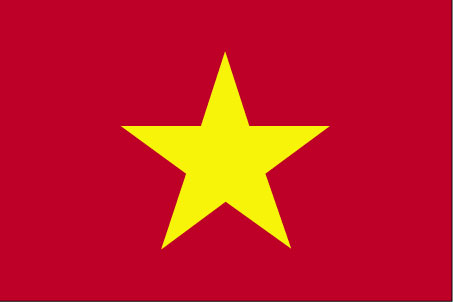
Vietnam
Viet Nam
Declare Your Relationship to Vietnam
CountryReports Community
- Studying31
- From Vietnam11
- Vietnam heritage12
- Visited11
- Want to visit11
Customs and Culture
Customs and Culture
Cultural Attributes
The Vietnamese people use the experience of it's history to re-create the future. There is inequality between urban and rural areas which must be resolved if all of Vietnam is going to enjoy future prosperity.

Land of a Thousand Years and Rising Rice
Social Customs & Etiquette
Greetings
Young and Western- influenced Vietnamese generally shake hands when greeting and saying good-bye, but the majority of Vietnamese do not shake hands. One uses both hands to show respect for older people and those of status, for example an elder sister or brother. Bowing the head slightly while shaking hands also indicates respect. Men and women do not touch one another in public as Vietnamese culture is mostly non-tactile.
Vietnamese names begin with the family name and are followed by a given name. The Vietnamese address one another by their given names, but they also add a title that signals their perceived relationship to the person. These titles are family related rather than professional. Classifiers for gender and familiarity are also combined with the greeting.
Gestures
Ancient Buddhist tradition says one should not touch the head of a young child, as it is considered a sensitive spiritual point, although most Vietnamese no longer adhere to these practices. The Vietnamese consider it rude to summon a person with the index finger.
The Vietnamese use both hands to pass something to someone and to indicate respect for the age or status of the person being passed too. Affection is not generally shown in public by men and women.
Visiting
In Vietnam, because the majority of people do not have telephones, people drop in on one another all the time. The Vietnamese have a very strong sense of hospitality, but Vietnamese do not like to be visited by outsiders unexpectedly because they do not like their private life to be exposed.
On special occasions such as New Year's days, the anniversary of an ancestors death, weddings, or other celebrations gifts are expected if one is to be considered courteous. Flowers are welcome on some occasions, but incense is only appropriate for deaths, anniversaries and temples. Vietnamese names list the surname last, so when referring to a Vietnamese person, use their last name, prefixed by the appropriate term of reference.
Personal Appearance
Women sometimes wear the traditional "ao dai", which is a long dress with panels in the front and back worn over pants. Typical dress for adults consists of pants worn with a cotton or knit blouse.
The Vietnamese typiclaly do not wear shorts in public except at the beach or at a work site. Suits and ties may be worn in business offices.
Diet
Rice is the staple food of Vietnam. A fermented fish sauce called nuoc mam is the main seasoning used to flavor dishes; special foods are also dipped in it. Vietnamese cuisine is famous for a wide variety of dishes and features excellent seafood. Spring rolls, summer rolls, and steamed or fried rolls with varied fillings are used in different seasons and for special occasions.
The Vietnamese use chopsticks and rice bowls for most meals. They hold the rice bowl in the hand; it is considered lazy to eat from a rice bowl that is on the table. Spoons are provided when soup is served. Food is placed on dishes in the center of the table from which each person helps themselves. However, people older than oneself and their children are served first. Often, beverages are not served until after the meal. Mats are traditionally used as bed, couch and dining table.

Family
Rank in the family denotes status, which carries responsibilities as well as rights. In an extended family (group) culture, each household usually accommodates more than one family. In urban areas like Hanoi, Haiphong and Ho Chi Minh City, critical accommodation shortage further aggravates this situation.
Vietnamese usually prefer to not live alone. Vietnamese still prefer to live near one another for mutual support. Living alone, on the other hand, can become a fearful experience to some Vietnamese, particularly those who come from remote rural villages. This stems from their belief in the existence of spirits.
Dating Customs
Socializing in public varies depending upon upbringing and the degree of Western influence. In rural Vietnam, young men and women usually socialize in groups. Marriages have been traditionally arranged by parents, but this practice is now very rare. Young men and women are free to choose their spouse. In general, men marry at age 25-30, and women at the age of 23-26. Weddings are a great celebration.
Recreation
Men and women often relax after work by going to a café for companionship. Older men may play chess or mahjongg. A good mahjongg player combines the strategic sense of a chess master with the gambling skills of a poker player. Men also enjoy playing tam cúc, a card game that uses a deck of 36 long cards, each with a Chinese word and a picture of a military figure or animal.
Soccer is the most popular game in Vietnam; other popular sports include cycling, badminton, table tennis, volleyball and martial arts. All of these are inexpensive and can be played almost anywhere. On the whole, however, except for jogging, most Vietnamese do not pursue recreational exercise.
At sunrise, many older people can be seen practicing tai chi on the quiet morning streets. For centuries the Vietnamese have also practiced thái cuc quyên, a kind of slow-motion shadow boxing that is related to kung fu, though not performed for self-defense. Most popular with older people and women, the movements in thái cuc quyên improve fitness, breathing and digestion.
Toys are not common in Vietnam. As a result, children play creatively with everyday objects such as coins or rope, a quality that Vietnamese identify as typical of their culture-the ability to be innovative and resourceful.
Holidays
Independence Day
9/2Independence Day
Christmas
12/25xmas
Dates of Interest
- September 2nd
How do people greet each other in Vietnam?
Younger or Western-influenced Vietnamese shake hands, but most people do not; a slight head bow shows respect. Names begin with the family name followed by a given name, and people are addressed by given name with a family-related title.
Do
- Use both hands and bow your head slightly when greeting older people or those of status
- Add the appropriate family-related title when addressing someone
Don’t
- Don't touch a member of the opposite sex in public, as the culture is largely non-tactile
Good to know
- Vietnamese address one another by given names, combining classifiers for gender and familiarity
What are dining customs like in Vietnam?
Rice is the staple, seasoned with nuoc mam fish sauce, and meals are eaten with chopsticks and rice bowls, with shared dishes placed in the center of the table.
Do
- Hold the rice bowl in your hand while eating
- Serve people older than yourself, and their children, first
- Help yourself from the shared dishes in the center of the table
Don’t
- Don't eat from a rice bowl left sitting on the table, as it's considered lazy
Good to know
- Spoons are provided when soup is served
- Beverages are often not served until after the meal
- Try the seafood, spring rolls, summer rolls, and fried rolls
What should I know about visiting and hospitality in Vietnam?
Vietnamese have a strong sense of hospitality, but they dislike unexpected visits from outsiders because they value their privacy.
Do
- Bring gifts on special occasions like New Year's, ancestor anniversaries, and weddings to be courteous
- Bring flowers on some occasions
Don’t
- Don't drop in on people unexpectedly
- Don't give incense except for deaths, anniversaries, or temples
How should I dress in Vietnam?
Typical adult dress is pants with a cotton or knit blouse, while suits and ties are worn in business offices; women sometimes wear the traditional ao dai.
Don’t
- Don't wear shorts in public except at the beach or a work site
Are there gestures to avoid in Vietnam?
Certain gestures signal disrespect, and public affection is generally avoided.
Do
- Use both hands to pass something, especially to show respect for age or status
Don’t
- Don't summon a person with your index finger, as it's rude
- Don't touch the head of a young child, traditionally a sensitive spiritual point
- Don't show affection between men and women in public
What is family life like in Vietnam?
Rank in the family denotes status with both rights and responsibilities, and extended families often share a household. Vietnamese generally prefer to live near one another for mutual support rather than alone.
Good to know
- Living alone can be fearful for some, especially those from remote rural villages, due to a belief in spirits
- Marriages are now rarely arranged; young people freely choose their spouse
What do people do for recreation in Vietnam?
After work, men and women relax at cafés, and soccer is the most popular game, alongside cycling, badminton, table tennis, volleyball, and martial arts.
Good to know
- Older men may play chess, mahjongg, or the card game tam cúc
- At sunrise, older people practice tai chi and thái cuc quyên on the streets
- Children play creatively with everyday objects like coins or rope
Last updated: 2026-07-12 · Sources: CountryReports
Photos of Vietnam
Photos of Vietnam


Travel and Tourism
Travel and Tourism
- Travel Alert Status
- Level 1: Exercise Normal Precautions
- Currency
- dong (VND)
- Time Difference
- UTC+7 (12 hours ahead of Washington, DC, during Standard Time)
- Airports
- 19
Read the full travel guide — health, safety, vaccinations, disease risk, sanitation, and transit details.
View full travel guideRecipes
Recipes
Xôi Nuóc Duà
Side Dish
Main Dish
Cha Gio (Vietnamese Spring Rolls)
Main Dish
Com Chien Thap Cam (Fried Rice with Sausage, Shrimp and Crab)
Side Dish
Nuoc Cham(Vietnamese Chili Sauce for Dipping)
Side Dish
Nuoc Leo (Peanut Sauce)
Side Dish
Mam Nem (Fermented Anchovy Dip)
Side Dish
Nuoc Mam Cham (Fish Sauce Dip)
Side Dish
PremiumNuoc Tuong (Yellow Bean Sauce)
Side Dish
PremiumTuong Toi Ot (Soy Sauce Dip)
Side Dish
PremiumNuoc Cham Gung (Ginger Dipping Sauce)
History
History
Historical Eras
Legendary & Ancient Origins
2879 BCE – 111 BCE
Vietnamese civilization traces its legendary roots to the Hung Vuong kings of Van Lang in the Red River Delta, followed by the historical Kingdom of Au Lac under King An Duong Vuong around 210 BCE. The region was subsequently absorbed into the Nan Yueh kingdom founded by Chinese general Trieu Da in 207 BCE, blending early Vietnamese culture with expanding southern Chinese influence.
Chinese Domination
111 BCE – 938
The Han dynasty conquered the Red River Delta in the first century BCE, initiating roughly a thousand years of Chinese imperial rule that profoundly shaped Vietnamese administration, law, literature, and Confucian culture. Resistance was persistent — the Trung sisters led a celebrated revolt in 40 CE, and Ly Bi briefly established an independent state in 544 — reflecting an enduring Vietnamese drive for autonomy that would ultimately succeed.
Early Independence & Dynasties
938 – 1225
Ngo Quyen's decisive victory over a Chinese fleet at the Bach Dang River in 938 ended Chinese domination and inaugurated an era of Vietnamese self-rule. Successive dynasties — the Dinh, Early Le, and Ly — consolidated statehood, repelled further Chinese and Cham invasions, and fostered a flourishing of Buddhist culture and indigenous literature written in chu nom script.
Imperial Expansion
1225 – 1802
The Tran dynasty repelled three Mongol invasions in the thirteenth century, cementing Vietnam's reputation for fierce resistance to foreign conquest. Over the following centuries, the Vietnamese state pushed relentlessly southward, defeating Champa in 1471 and displacing the Khmer from the Mekong Delta by 1749, even as dynastic rivalry and the country's partition between the Trinh and Nguyen lords produced two centuries of internal warfare before the Nguyen unified the country in 1802.
Colonial Period
1802 – 1945
France progressively seized control of Vietnam, completing its occupation of the entire country by 1884 and incorporating it into French Indochina. Colonial rule brought infrastructure, Catholic missionary influence, and economic extraction, but also generated a growing nationalist movement led by figures such as Phan Boi Chau and, ultimately, Ho Chi Minh, whose Viet Minh organization positioned itself to seize independence when Japan's wartime occupation collapsed in 1945.
War, Division & Reunification
1945 – 1975
Ho Chi Minh declared independence in September 1945, but France refused to relinquish its colony, sparking the First Indochina War that ended with the French defeat at Dien Bien Phu in 1954 and the country's partition at the 17th parallel. The ensuing struggle between the Communist North and the US-backed South escalated into a devastating conflict; American forces withdrew after the 1973 ceasefire, and North Vietnamese armies reunified the country by force in April 1975.
Reunified Modern Vietnam
1975 – present
The Socialist Republic of Vietnam was formally proclaimed in 1976, though the country faced continued conflict — including wars with Cambodia and China in the late 1970s — and severe economic hardship under a centrally planned system. The landmark Doi Moi reforms of 1986 opened Vietnam to market economics and foreign investment, transforming it into one of Southeast Asia's fastest-growing economies while the Communist Party retained political authority.
Overview
Timeline of Key Events
2879 BCE
Legendary founding of the Van Lang Kingdom by the first Hung Vuong.
Legendary founding of the Van Lang Kingdom by the first Hung Vuong.
257 BCE – 208 BCE
Thuc Dynasty
Thuc Dynasty
210 BCE
Kingdom of Au Lac established.
Kingdom of Au Lac established.
207 BCE – 111 BCE
Trieu Dynasty
Trieu Dynasty
207 BCE
Chinese general Chao Tuo (Trieu Da) founds Nan Yueh (Nam Viet).
Chinese general Chao Tuo (Trieu Da) founds Nan Yueh (Nam Viet).
39
Trung sisters lead a rebellion against Chinese.
Trung sisters lead a rebellion against Chinese rule 43 Trung sisters’ rebellion crushed by Chinese general Ma Yuan, and Viet people placed under direct Chinese administration for the first time.
542 – 544
Ly Bi leads uprising against China’s Liang Dynasty.
Ly Bi leads uprising against China’s Liang Dynasty and establishes the independent kingdom of Van Xuan.
Read the full history profile — narrative overview, defining eras, and the complete timeline in one place.
View expanded historyInteresting Facts
Interesting Facts
When a child loses a tooth they throw their lower tooth on the roof and throw their upper tooth under the bed.
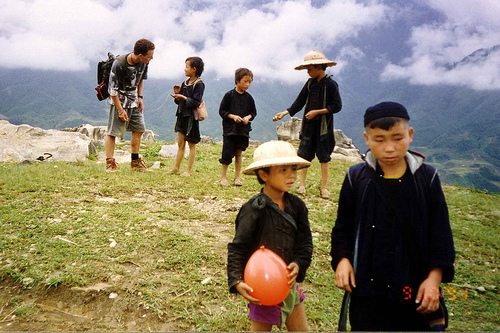
Vietnam's central highlands and the mountainous regions of the north are home to over 50 different ethnic groups, referred to as the Montagnards (the French term for highlanders).
For centuries, upper-class Vietnamese girls had their teeth blackened at puberty. White teeth were thought to be vulgar, and blackening was believed to prevent tooth decay. The practice stopped when Vietnam was colonized by the French, who found black teeth unattractive.
Although the Vietnamese wear Western-style clothes, women still wear the country's traditional costume on special occasions. The ao dai is a long, high-necked tunic with a slit at the side. Women wear silk pants underneath and delicate sandals called guoc.
The famous conical hat worn by farmers throughout Vietnam has a long history. Traditionally made of palm leaf, the non la hat has been worn since the 13th century to keep off the sun.
At the 2000 Olympic Games in Sydney, Hieu Ngan Tran became the first Vietnamese to win an Olympic medal. She took a silver in the women's competition for the martial art tae kwon do.
See every fact — trivia, oddities, and curious tidbits gathered from across the country.
View all interesting factsGeography and Environment
Geography and Environment
- Terrain
- low, flat delta in south and north; central highlands; hilly, mountainous in far north and northwest
- Climate
- Vietnam is largely a tropical monsoon country. In the north, a hot rainy season prevails from May to September. The average temperature in Hanoi is about 86°F during this period, with very high humidity. During the cooler, dry season in the north from December to March, the average temperature is 68°F, with overnight minimums sometimes around 40°–42°F. In the south, Ho Chi Minh City and the Mekong Delta experience a year-round tropical climate with daily temperatures normally exceeding 88°F. The rainy season in Danang and Hue in the center of the country lasts from October to March.
- Natural Hazards
- occasional typhoons (May to January) with extensive flooding, especially in the Mekong River delta
- Current Environmental Issues
- logging and slash-and-burn agricultural practices contribute to deforestation and soil degradation; water pollution and overfishing threaten marine life populations; groundwater contamination limits potable water supply; growing urban industrialization and population migration are rapidly degrading environment in Hanoi and Ho Chi Minh City
Read the full geography and environment profile — terrain, climate, natural resources, hazards, land use, and international agreements.
View full geographyPeople & Demographics
People & Demographics
Religion
Languages Spoken
Vietnamese (official), English (as a second language), some French, Chinese, and Khmer; mountain area languages (Mon-Khmer and Malayo-Polynesian)
- English
- Vietnamese
Population
- Population
- 98,186,813
- Population in Major Urban Areas
- Ho Chi Minh City 6.405 million; HANOI (capital) 2.955 million; Haiphong 925,000; Da Nang 834,000
- Nationality Noun
- Vietnamese (singular and plural)
- Ethnic Groups
- Vietnamese 85%-90%, Chinese, Hmong, Thai, Khmer, Cham, mountain groups
- Language Note
- Vietnamese is the official language. There are distinct northern, central, and southern dialects and accents. The most popular foreign languages taught in schools are English, Russian, and French.
Education
- Literacy Definition
- age 15 and over can read and write
Health Information
- Major Infectious Diseases — degree of risk
- very high
Life Expectancy
- Life Expectancy at Birth
- Life expectancy at birth in Vietnam has risen dramatically over recent decades, reflecting significant improvements in public health infrastructure, nutrition, and access to medical care. As of the most recent available data, the average life expectancy at birth in Vietnam stands at approximately 74 to 75 years overall, with women living longer than men — women averaging around 77 years and men around 72 years. This upward trend represents one of the more notable public health achievements in Southeast Asia. In the 1960s and 1970s, life expectancy in Vietnam was considerably lower, suppressed by the effects of prolonged conflict, poverty, and limited healthcare access. Following the economic reforms known as Doi Moi, introduced in 1986, Vietnam experienced sustained economic growth that enabled expanded investment in healthcare systems, sanitation, and disease prevention programs. Several factors contribute to the current life expectancy figures. Vietnam has maintained relatively low rates of cardiovascular disease compared to many Western nations, partly attributed to a traditional diet rich in vegetables, rice, fish, and lean proteins. The country has also made measurable progress in reducing infant and child mortality rates, which directly influences life expectancy calculations at birth. Communicable diseases that once posed serious threats — including malaria, tuberculosis, and cholera — have been significantly reduced through national health campaigns and international cooperation. Vaccination coverage across the population has expanded substantially, protecting both children and adults from preventable illness. Despite these gains, Vietnam faces emerging health challenges that may affect future life expectancy trends. Non-communicable diseases, including cancer, diabetes, and respiratory conditions linked to rising rates of tobacco use and air pollution in urban areas such as Hanoi and Ho Chi Minh City, are growing concerns. The COVID-19 pandemic also introduced a temporary setback to health system capacity and population health outcomes in the early 2020s, though Vietnam's relatively swift public health response helped limit long-term mortality impacts. The aging population places increasing demands on a healthcare system that continues to develop its capacity for long-term and elder care. Vietnam's life expectancy compares favorably with many of its regional neighbors at similar income levels, suggesting that deliberate health policy choices have played a meaningful role alongside economic development in extending the lives of its citizens.
- Infant Mortality Rate
- Vietnam has made remarkable progress in reducing infant mortality over the past several decades, reflecting sustained investment in public health infrastructure, maternal care, and child nutrition programs. The infant mortality rate currently stands at approximately 16 to 17 deaths per 1,000 live births, a significant improvement from rates that exceeded 50 per 1,000 live births in the early 1990s. This downward trend is attributed to several key factors, including expanded access to skilled birth attendants, increased immunization coverage, improved sanitation and clean water access, and targeted government health initiatives. Vietnam's national immunization program covers a broad range of childhood diseases, including diphtheria, tetanus, pertussis, measles, and hepatitis B, contributing directly to lower infant death rates. Despite nationwide progress, notable disparities remain between urban and rural areas, as well as among different ethnic minority communities living in remote highland regions. Infants born in mountainous provinces in the northwest and central highlands face considerably higher mortality risks than those born in major cities such as Hanoi or Ho Chi Minh City. Limited access to healthcare facilities, lower rates of prenatal care utilization, and higher rates of poverty in these regions are primary contributing factors. Causes of infant death in Vietnam are largely consistent with patterns seen across lower-middle-income countries and include neonatal complications such as preterm birth and birth asphyxia, respiratory infections, diarrheal diseases, and congenital conditions. The neonatal period — the first 28 days of life — accounts for a substantial proportion of all infant deaths recorded nationally. The Vietnamese government, working in partnership with international organizations including UNICEF and the World Health Organization, continues to implement programs aimed at bridging the urban-rural gap, strengthening neonatal care units in provincial hospitals, training community health workers, and promoting exclusive breastfeeding practices. These combined efforts position Vietnam as one of the stronger performers in infant mortality reduction among Southeast Asian nations at a comparable stage of economic development.
Read the full people and society profile — demographics, health, education, religion, languages, and notable people.
View full people and societyGovernment & Politics
Government & Politics
Country Identity
- Country Name
- Vietnam
- Full Country Name
- Socialist Republic of Vietnam
- Local - Long
- Cong Hoa Xa Hoi Chu Nghia Viet Nam
- Local - Short
- Viet Nam
Government Structure
- Government Type
- Communist state
- Legal System
- based on communist legal theory and French civil law system
- Executive Branch
- chief of state: President Luong Cuong (since 21 October 2024) head of government: Prime Minister Pham Minh Chinh (since 26 July 2021); Deputy Prime Ministers Le Thanh Long, Ho Duc Phoc, Tran Hong Ha, and Nguyen Hoa Binh (all since 2023) cabinet: Cabinet appointed by the president based on the proposal of the prime minister and ratification of the National Assembly elections: president elected by the National Assembly from among its members for a five-year term; election last held 21 October 2024 (next to be held following legislative elections in 2026); prime minister appointed by the president from among members of the National Assembly and confirmed by the National Assembly; deputy prime ministers appointed by the prime minister and confirmed by the National Assembly election results: Luong Cuong elected president; percent of National Assembly vote - approximately 99%
- Legislative Branch
- Unicameral National Assembly or Quoc Hoi (500 seats; members elected by popular vote to serve five-year terms) Elections: last held on 23 May 2021 (next to be held in 2026) Election results: percent of vote by party - CPV and CPV-approved candidates 100%; seats by party - CPV 475, non-party members approved by the CPV 25. All candidates, whether formal CPV members or not, must be vetted and approved by the Vietnam Fatherland Front, an umbrella organization overseen by the CPV, before standing for election.
- Judicial Branch
- Supreme People's Court (chief justice is elected for a five-year term by the National Assembly on the recommendation of the president)
- Suffrage
- 18 years of age; universal
- Constitution
- 15-Apr-92
- Independence
- 2 September 1945 (from France)
- National Holiday
- Independence Day, 2 September (1945)
Capital City
- Capital Name
- Hanoi (Ha Noi)
- Capital - geographic coordinate
- 21 02 N, 105 51 E
- Capital Time Difference
- UTC+7 (12 hours ahead of Washington, DC, during Standard Time)
the city has had many names in its history going back to A.D. 1010 when it first became the capital of imperial Vietnam; in 1831, it received its current name of Ha Noi, meaning "between the rivers," which refers to its geographic location
Military
Branches: People's Armed Forces: People's Army of Vietnam (PAVN; includes Vietnam People's Navy (with Naval Infantry), Vietnam People's Air and Air Defense Force, Border Defense Command, Coast Guard)
Embassy / Diplomatic Mission
U.S. Embassy in Hanoi
170 Ngoc Khanh
Ba Dinh District
Hanoi, Vietnam
24 hour telephone number: (84-4) 3850-5000
Fax: (84-4) 3850-5010
U.S. Consulate General in Ho Chi Minh City
4 Le Duan, District 1
Ho Chi Minh City, Vietnam
24 hour telephone number: (84-8) 3520-4200
Fax: (84-8) 3520-4244
Read the full government profile — flag symbolism, national anthem, and other national symbols.
View full government detailsEconomy
Economy
Vietnam has transformed from one of the world's poorest nations into a dynamic lower-middle-income economy, driven by decades of economic reforms known as "??i M?i" launched in 1986. These reforms shifted the country from a centrally-planned system toward a socialist-oriented market economy, unleashing rapid growth and integrating Vietnam into the global economy. Between 2002 and 2023, GDP per capita increased nearly sixfold, and tens of millions of people were lifted out of poverty.
Vietnam's economy has consistently been one of the fastest-growing in Asia. After weathering the 2008 global financial crisis and the COVID-19 pandemic, the country rebounded strongly, posting GDP growth of approximately 8% in 2022, around 5% in 2023, and roughly 7% in 2024. Manufacturing and exports, particularly electronics, textiles, footwear, and agricultural products, are the main engines of growth. Major multinational companies, including Samsung, Intel, and Apple suppliers, have established significant production bases in Vietnam, benefiting from competitive labor costs and a strategic location within global supply chains.
Trade liberalization has been central to Vietnam's success. The country joined the World Trade Organization in 2007 and has signed a wide network of free trade agreements, including the Comprehensive and Progressive Agreement for Trans-Pacific Partnership (CPTPP), the EU-Vietnam Free Trade Agreement (EVFTA), and the Regional Comprehensive Economic Partnership (RCEP). The United States is now one of Vietnam's largest export markets, and bilateral relations were elevated to a Comprehensive Strategic Partnership in 2023.
Despite this progress, Vietnam faces significant challenges. The economy remains vulnerable to external shocks, especially fluctuations in global demand. Structural issues persist, including inefficiencies in state-owned enterprises, a fragile banking sector, infrastructure bottlenecks, and environmental degradation. The country is also among those most exposed to climate change, particularly in the Mekong Delta. Looking ahead, Vietnam aims to become a high-income country by 2045, with strategies focused on digital transformation, green growth, workforce upskilling, and deeper integration into high-value global value chains.
Snapshot
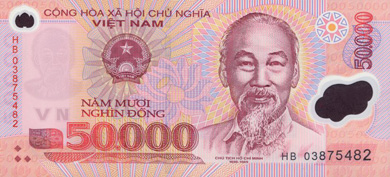
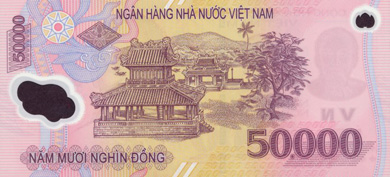
- Currency Name and Code
- Vietnamese Dong (VND)
- GDP — official exchange rate
- $43,750,000,000 (USD)
- GDP Real Growth Rate
- 6.4%
- Gini Index
- 36.1
Banknotes
Budget & Public Finance
- Fiscal Year
- calendar year
- Public Debt (% of GDP)
- 75.5%
- External Debt
- $19,170,000,000 (USD)
- Investment (% of GDP)
- 38.7%
- Economic Aid
- $2,800,000,000 (USD)
- Current Account Balance
- -$1,695,000,000 (USD)
Labor, Industry & Trade
- Labor Force by Occupation
- agriculture 63%; industry and services 37%
- Household Income — highest 10%
- 29.9%
- Industries
- food processing, garments, shoes, machine-building, mining, cement, chemical fertilizer, glass, tires, oil, coal, steel, paper
- Agriculture Products
- paddy rice, corn, potatoes, rubber, soybeans, coffee, tea, bananas, sugar; poultry, pigs, fish
- Export Commodities
- crude oil, marine products, rice, coffee, rubber, tea, garments, shoes
- Export Partners
- US 15%, Japan 14.6%, Australia 7.5%, China 6.4%, Germany 6.4%, Singapore 5.4%, UK 4.2%
- Import Commodities
- machinery and equipment, petroleum products, fertilizer, steel products, raw cotton, grain, cement, motorcycles
- Import Partners
- Taiwan 12.6%, South Korea 12.3%, China 11.8%, Japan 11.7%, Singapore 11.4%, Thailand 5.2%, Hong Kong 4.2%
Energy
- Oil Production
- 218,000 bbl/day
- Oil Consumption
- 375,000 bbl/day
- Oil Reserves
- 4,400,000,000 bbl/day
- Natural Gas Production
- 9,200,000,000 cu m
- Natural Gas Consumption
- 9,170,000,000 cu m
- Natural Gas Imports
- 0 cu m
- Natural Gas Exports
- 390,000,000 cu m
- Natural Gas Reserves
- 616,000,000,000 cu m
Communications
- Telephone System
- general assessment: Vietnam is putting considerable effort into modernization and expansion of its telecommunication system domestic: all provincial exchanges are digitalized and connected to Hanoi, Da Nang, and Ho Chi Minh City by fiber-optic cable or microwave radio relay networks; main lines have been increased, and the use of mobile telephones is growing rapidly international: country code - 84; a landing point for the SEA-ME-WE-3, the C2C, and Thailand-Vietnam-Hong Kong submarine cable systems; the Asia-America Gateway submarine cable system, completed in 2009, provided new access links to Asia and the US; satellite earth stations - 2 Intersputnik (Indian Ocean region)
- Internet Country Code
- .vn
News & Weather
News & Weather
Current Weather
Latest News
‘Forgotten’ Vietnam war film that's 'more realistic' than Platoon and Full Metal Jacket - Daily Express
Daily Express · 2d ago
Vietnam's Vidipha completes public share offering - app.dealroom.co
app.dealroom.co · 2h ago
Vietnam Is Golf’s New Bucket-List Destination - Bloomberg.com
Bloomberg.com · 3d ago
Vietnam refinery signs crude oil deal with ExxonMobil Asia Pacific - Reuters
Reuters · 3d ago
Home intruder in San Francisco shot by Vietnam War veteran - CBS News
CBS News · 11h ago
Replica Vietnam Veterans Memorial wall opens for free four-day visit - WTOV
WTOV · 7h ago
Vietnam's sweet and sour garlic sauce is world's third best dipping sauce - VnExpress International
VnExpress International · 21h ago
Local Vietnam veteran honored for life-saving heroism - FOX 8 News
FOX 8 News · 2d ago
News via Google News
Videos
Videos
2 curated YouTube videos.
Source: YouTube
Source: YouTube
Frequently Asked Questions
Frequently Asked Questions
What is the population of Vietnam?
What is the capital of Vietnam?
Where is Vietnam located?
What countries border Vietnam?
What religion is practiced in Vietnam?
What is the currency of Vietnam?
What language is spoken in Vietnam?
What is Vietnam known for?
Who are the ethnic minority peoples of Vietnam?
Last reviewed 2026