
 English
 Español
 中文
中文 हिन्दी
 Français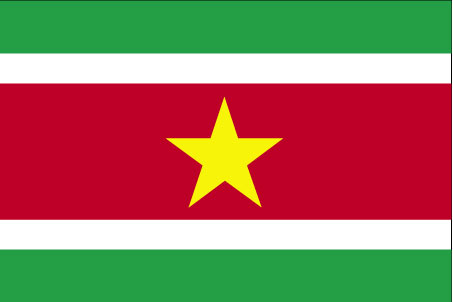
Suriname
Suriname
Declare Your Relationship to Suriname
CountryReports Community
- Studying10
- From Suriname3
- Suriname heritage3
- Visited1
- Want to visit2
Customs and Culture
Customs and Culture
Cultural Attributes
Suriname is a culturally diverse country located on the northeastern coast of South America. Its population is composed of various ethnic groups, resulting in a rich and unique cultural tapestry.
Ethnic Diversity: Suriname's population is a blend of different ethnicities, including Creoles, Hindustanis, Javanese, Maroons, Chinese, and Indigenous peoples, among others. Each group brings its own traditions, languages, and customs, creating a vibrant multicultural society.
Languages: Suriname is known for its linguistic diversity. Dutch is the official language, inherited from its colonial past. However, Sranan Tongo, a Creole language derived from English and various African languages, is widely spoken and serves as a symbol of Surinamese identity. Other languages spoken include Hindi, Javanese, Chinese, and Indigenous languages.
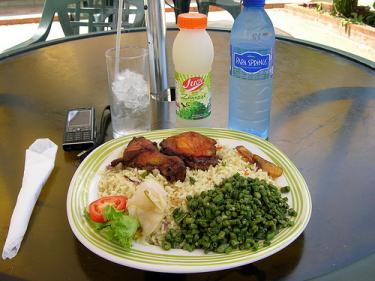
Cuisine: Surinamese cuisine is a fusion of flavors and culinary traditions from various cultures. Dishes such as roti (a flatbread with curried fillings), pom (a baked dish with chicken or fish), and saoto soup (a Javanese chicken soup) reflect diverse cultural influences. Rice, cassava, plantains, and spices like masala and tamarind are common ingredients in Surinamese dishes.
Festivals and Celebrations: Suriname celebrates a multitude of cultural festivals and religious holidays throughout the year. These include Holi Phagwa (Hindu festival of colors), Eid al-Fitr (Islamic festival marking the end of Ramadan), Pagara Estafette (Chinese New Year celebration), and Keti Koti (Emancipation Day commemorating the end of slavery). These events showcase the traditions, music, dance, and food of each community.
Music and Dance: Suriname is known for its vibrant music scene, with diverse genres such as kaseko, kawina, baithak gana, and Indian classical music. Traditional dances like the kawina and the awasa reflect African and Indigenous influences. The Tambú, a drum-based dance of Afro-Surinamese origin, is also popular and often performed during special occasions.
Maroon Culture: The Maroons, descendants of African slaves who escaped from plantations and formed independent communities in the interior rainforests, have a unique cultural heritage. They maintain traditional practices, including the use of medicinal plants, storytelling, and the vibrant rituals of the Winti religion. Maroon villages like Brownsweg and Pikin Slee offer opportunities to experience their distinctive culture.
Nature and Indigenous Heritage: Suriname is blessed with pristine rainforests, rivers, and diverse wildlife. Indigenous communities, such as the Trio, Wayana, and Lokono, have a deep connection to the land and maintain their ancestral traditions. Visitors can learn about their sustainable practices, traditional crafts, and spiritual beliefs, contributing to the preservation of Suriname's natural and cultural heritage.

Land of Rainforest and Wooden Dreams
Get More Customs and Culture
5 more cultural topics for members
Social Customs & Etiquette · Diet · Family · Dating Customs · Recreation
Every country, every topic, all activities & recipes
✓ Instant access on this device · ✓ No subscription
Holidays
Independence Day
11/25Independence Day
Dates of Interest
- October/November
Suriname's Javanese community celebrates various cultural events, including Javanese New Year (Suro) and Javanese Independence Day (Hari Kemerdekaan). These celebrations often involve traditional music, dance, and rituals.
How do people greet each other in Suriname?
Greetings vary by ethnic background, but a firm handshake with direct eye contact is common and widely accepted, especially in formal or business settings. Verbal greetings like 'hello' or 'good morning' with a smile are used across all communities.
Do
- Offer a firm handshake with direct eye contact in formal settings
- Use 'Namaste' (palms together, slight bow) with people of Hindustani culture
- Offer a slight bow or nod when greeting people from Chinese or Javanese communities
- Reserve cheek-to-cheek kisses for close friends and family
Good to know
- Cheek kisses among close friends may range from one to three on alternating cheeks
- Follow greetings by asking about someone's well-being
What is the food like and how do people eat in Suriname?
Surinamese cuisine is a fusion of many cultures, built around staples like rice, cassava, sweet potatoes, plantains, chicken and seafood. Popular dishes include roti, bami, saoto soup, moksie alesie, and pom.
Good to know
- Pom (or pomtajer) is a baked cassava-family casserole with chicken, popular at special occasions
- Dining out and sharing meals with friends and family is an integral social activity
- Try local favorites like roti, bami, saoto, and poffertjes (tiny Dutch pancakes)
What social etiquette should I know for visiting people in Suriname?
Hospitality carries strong social obligations, and politeness and respect are central to interactions.
Do
- When visiting a friend, also visit everyone you know in the same neighborhood to avoid seeming rude
- Treat others with courtesy and observe local behavior when unsure
What should I wear in Suriname?
In urban areas and everyday life, people wear modern Western-style clothing such as t-shirts, jeans, dresses, and suits. Traditional ethnic attire like the Creole koto, Hindustani saree, and Javanese kebaya is worn on special occasions and cultural festivals.
Good to know
- Choose lightweight, breathable fabrics due to the warm climate
Which gestures should I avoid in Suriname?
Several gestures are considered rude or offensive, so use hand gestures with care and observe how locals behave.
Do
- Use an open hand or your whole hand to indicate a person or direction
Don’t
- Don't point directly at someone with your index finger
- Don't show the sole of your foot toward someone or prop feet on furniture
- Don't touch someone's head, even in a friendly way
- Don't make the 'OK' sign, as it can be seen as offensive or vulgar
Good to know
- If unsure about a gesture, politely ask or observe others
What are family and child-rearing customs like in Suriname?
For some groups, childcare is handled by one parent at a time: children spend their first five to six years with their mother, then may be given to their father or another relative for further child-rearing.
What do people do for fun in Suriname?
Residents enjoy the country's natural beauty through hiking, boating, and beach activities, while football is the most popular sport. Cultural festivals, music, dining out, and community gatherings are central to leisure.
Good to know
- Explore nature at the Central Suriname Nature Reserve, Brownsberg Nature Park, or Galibi Nature Reserve
- Try water activities like fishing, kayaking, and canoeing on the Suriname and Marowijne Rivers
- Enjoy festivals such as Holi Phagwa, Keti Koti, and the Suriname Jazz Festival
- Watch or join football, basketball, volleyball, or cricket
Last updated: 2026-07-12 · Sources: CountryReports
Photos of Suriname
Photos of Suriname


Travel and Tourism
Travel and Tourism
- Travel Alert Status
- Level 1: Exercise Normal Precautions
- Currency
- Surinamese Dollar (SRD)
- Time Difference
- UTC-3 (2 hours ahead of Washington, DC, during Standard Time)
- Airports
- 46
Read the full travel guide — health, safety, vaccinations, disease risk, sanitation, and transit details.
View full travel guideRecipes
Recipes
History
History
Historical Eras
Indigenous & Early Contact
3000 BCE – 1651
Arawak and Carib peoples inhabited the Suriname region for millennia before European contact. Christopher Columbus sighted the coast in 1498, and Spain formally claimed the territory in 1593, but neither power invested significantly in colonization. The region remained primarily under indigenous control until sustained European settlement began in the early seventeenth century.
Colonial Plantation Era
1651 – 1863
The first permanent European settlement was established in 1651, and the colony passed definitively to the Dutch in 1667 following the Treaty of Breda. Sugar, coffee, and cocoa plantations were built on the labor of enslaved Africans, who endured extreme brutality; many escaped into the interior, founding the Bush Negro (Maroon) communities that persist today. Britain briefly administered the colony twice (1799–1802 and 1804–1816) before the Dutch resumed control, and slavery was finally abolished in 1863.
Late Colonial & Bauxite Age
1863 – 1954
Following emancipation, plantation agriculture declined as labor costs rose, and rice, bananas, and citrus gradually replaced traditional export crops. The economy was fundamentally transformed after World War I when the American firm ALCOA began exploiting vast bauxite deposits, with Suriname supplying over 75% of U.S. bauxite imports during World War II. The colony gained increasing administrative autonomy through the mid-twentieth century.
Autonomy & Independence
1954 – 1980
Suriname became an autonomous constituent country of the Kingdom of the Netherlands on December 15, 1954, and achieved full independence on November 25, 1975, with Henk Arron serving as the country's first Prime Minister. Political parties formed largely along ethnic lines, representing Creole, Hindustani, and Javanese constituencies, while leftist factions pressed for deeper structural reform. The new parliamentary democracy functioned for only five years before its institutions were dismantled.
Military Rule
1980 – 1991
On February 25, 1980, sixteen noncommissioned officers led by Desi Bouterse overthrew the elected government, suspended the constitution, and dissolved the legislature. In December 1982, fifteen prominent opposition figures — including journalists, lawyers, and union leaders — were arrested and executed, prompting the Netherlands and the United States to suspend aid and triggering severe economic contraction. After years of nominally civilian cabinets and mounting internal and international pressure, a democratic election was held in 1987, though the military briefly seized power again in 1989.
Democratic Modern Era
1991 – present
A democratically elected government was restored in 1991, inaugurating a period of gradual political stabilization despite recurring economic challenges and the lingering influence of Bouterse, who was later convicted of drug trafficking by a Dutch court yet returned to the presidency in 2010. The Surinamese dollar replaced the guilder in 2004, reflecting ongoing efforts to modernize the economy, which remains anchored by bauxite, gold, and oil revenues. Suriname continues to navigate ethnic pluralism, environmental pressures, and questions of accountability for the abuses of the military era.
Overview
Arawak and Carib tribes lived in the region before Columbus sighted the coast in 1498. Spain officially claimed the area in 1593, but Portuguese and Spanish explorers of the time gave the area little attention. Dutch settlement began in 1616 at the mouths of several rivers between present-day Georgetown, Guyana, and Cayenne, French Guiana.
Every country, every topic, all activities & recipes
✓ Instant access on this device · ✓ No subscription
Timeline of Key Events
1498
Christopher Columbus sights the coast of Suriname.
Christopher Columbus sights the coast of Suriname.
1593
Spanish explorers visit the area and name it Suriname.
Spanish explorers visit the area and name it Suriname, after the country’s earliest inhabitants, the Surinen.
1651
First permanent European settlement in Suriname.
First permanent European settlement in Suriname, established by the British at Paramaribo by Lord Francis Willoughby.
1667
British cede their part of Suriname to the Netherlands .
British cede their part of Suriname to the Netherlands in exchange for New Amsterdam (later called New York City).
1682
Coffee and sugar cane plantations established and worked by African slaves.
Coffee and sugar cane plantations established and worked by African slaves.
1799 – 1802
British rule reimposed.
British rule reimposed.
1804 – 1816
British rule reimposed.
British rule reimposed.
Read the full history profile — narrative overview, defining eras, and the complete timeline in one place.
View expanded historyInteresting Facts
Interesting Facts
Eighty percent of Suriname is covered with tropical rainforest.
African slaves were brought to Suriname to work on the coffee and sugar plantations
See every fact — trivia, oddities, and curious tidbits gathered from across the country.
View all interesting factsGeography and Environment
Geography and Environment
- Terrain
- mostly rolling hills; narrow coastal plain with swamps
- Climate
- Suriname's climate is tropical, hot and humid year-round. Daytime temperatures in Paramaribo average 75°F to 90°F. Temperatures in the interior, not moderated by the steady coastal breezes, are generally higher. Seasons are distinguished mainly by more or less rain, with annual rainfall averaging 87 inches. Indeed, locals will tell you that the four seasons of Suriname are: 1) Little Rainy Season (December to February); 2) Little Dry Season (March to April); 3) Big Rainy Season (May to August); and Big Dry Season (September to November). The hottest months of the year are September and October when temperatures average 90 °F (32 °C). Suriname lies outside hurricane and earthquake zones. Parts of Paramaribo experience heavy flooding. Isolated flooding occurs on some city streets and in low-lying areas of Paramaribo for up to 24 hours at a time.
- Natural Hazards
- NA
- Current Environmental Issues
- deforestation as timber is cut for export; pollution of inland waterways by small-scale mining activities
Read the full geography and environment profile — terrain, climate, natural resources, hazards, land use, and international agreements.
View full geographyPeople & Demographics
People & Demographics
Religion
Languages Spoken
Dutch (official), English (widely spoken), Sranang Tongo (Surinamese, sometimes called Taki-Taki, is native language of Creoles and much of the younger population and is lingua franca among others), Hindustani (a dialect of Hindi), Javanese
- Dutch
Population
- Population
- 623,236
- Population in Major Urban Areas
- PARAMARIBO (capital) 278,000
- Nationality Noun
- Surinamer(s)
- Ethnic Groups
- Hindustani (also known locally as ""East Indians""; their ancestors emigrated from northern India in the latter part of the 19th century) 37%, Creole (mixed white and black) 31%, Javanese 15%, ""Maroons"" (their African ancestors were brought to the count
Education
- Literacy Definition
- age 15 and over can read and write
Health Information
- Major Infectious Diseases — degree of risk
- very high
Life Expectancy
- Life Expectancy at Birth
- Life expectancy at birth in Suriname currently stands at approximately 72 to 74 years for the overall population, with notable differences between sexes. Women in Suriname can expect to live to around 75 to 77 years, while men have a somewhat shorter life expectancy of approximately 70 to 71 years. This gap reflects broader global patterns in which biological and behavioral factors contribute to women outliving men in most countries. Over the past several decades, Suriname has made steady progress in improving life expectancy. In the early 1970s, the average life expectancy hovered closer to the low 60s, meaning that gains of more than a decade have been achieved through improvements in healthcare infrastructure, access to clean water, sanitation, and vaccination programs. Despite this progress, Suriname faces persistent health challenges that continue to influence life expectancy outcomes. Non-communicable diseases such as cardiovascular disease, diabetes, and hypertension are among the leading causes of premature death. The country also contends with relatively high rates of obesity and limited access to specialized medical care, particularly in the interior regions where indigenous and Maroon communities live in remote areas far from the capital, Paramaribo. Residents of these inland communities often face significantly reduced access to hospitals and clinics compared to those living along the coastal urban strip. Suriname's healthcare system, while functional in urban areas, remains stretched in terms of resources and medical personnel. The country relies on regional cooperation and international partnerships to address gaps in services such as oncology, advanced cardiac care, and mental health treatment. Infectious diseases, including malaria, which remains present in forested interior zones, also continue to pose health risks that can affect longevity among vulnerable populations. Vector-borne illnesses and limited preventive care infrastructure in rural areas compound these risks, particularly for children and the elderly. Compared to regional neighbors, Suriname's life expectancy is broadly in line with many other South American and Caribbean nations, though it lags behind countries with stronger healthcare investments and more equitable distribution of services. Continued development in rural healthcare access, disease prevention, and nutrition programs will be key factors in determining whether Suriname can extend average life expectancy further in the coming decades.
- Infant Mortality Rate
- Suriname's infant mortality rate reflects the country's ongoing challenges in healthcare access, particularly in its remote interior regions. As of recent estimates, Suriname's infant mortality rate stands at approximately 16 to 18 deaths per 1,000 live births, a figure that places it in a moderate range compared to other South American nations but still significantly above the averages seen in more developed countries. The country's geography plays a central role in these statistics. Suriname's vast rainforest interior, which covers roughly 80 percent of the national territory, is sparsely populated by Indigenous and Maroon communities that often have limited access to hospitals, trained midwives, and essential medical supplies. Neonatal complications, respiratory infections, diarrheal diseases, and malnutrition are among the leading contributors to infant deaths in these underserved areas. In contrast, urban centers such as the capital Paramaribo offer considerably better healthcare infrastructure, including modern hospitals and trained obstetric staff. This urban-rural divide creates a stark disparity in health outcomes for newborns across different parts of the country. The government of Suriname, in partnership with international organizations such as UNICEF and PAHO, has worked to improve maternal and child health services through vaccination campaigns, community health worker programs, and outreach to interior communities. These efforts have contributed to a gradual decline in infant mortality rates over the past two decades, down from rates exceeding 30 deaths per 1,000 live births in the early 2000s. Despite this progress, structural barriers remain. Poverty, inadequate sanitation, and shortages of skilled health personnel continue to pose risks for infants, especially in the first 28 days of life — the neonatal period, which accounts for the majority of infant deaths globally. Continued investment in rural healthcare infrastructure and maternal health education remains critical to further reducing infant mortality across Suriname.
Read the full people and society profile — demographics, health, education, religion, languages, and notable people.
View full people and societyGovernment & Politics
Government & Politics
Country Identity
- Country Name
- Suriname
- Full Country Name
- Republic of Suriname
- Local - Long
- Republiek Suriname
- Local - Short
- Suriname
- Former Name
- Netherlands Guiana, Dutch Guiana
Government Structure
- Government Type
- constitutional democracy
- Legal System
- based on Dutch legal system incorporating French penal theory
- Executive Branch
- chief of state: President Chan Santokhi (since 16 July 2020); Vice President Ronnie Brunswijk (since 16 July 2020); note - the president is both the chief of state and head of government head of government: President Chan Santokhi (since 16 July 2020); Vice President Ronnie Brunswijk (since 16 July 2020); note - the president is both the chief of state and head of government cabinet: Cabinet of Ministers appointed by the president elections: president and vice president elected by the National Assembly or, if no presidential or vice presidential candidate receives a two-thirds constitutional majority in the National Assembly after two votes, by a simple majority in the larger United People's Assembly (893 representatives from the national, local, and regional councils), for five-year terms; election last held on 25 May 2020 (next to be held in 2025) election results: Chan Santokhi elected president unopposed by the National Assembly on 13 July 2020; Santokhi's Progressive Reform Party had won a majority in the May 2020 parliamentary elections, allowing the National Assembly to elect him directly without requiring a vote in the United People's Assembly
- Legislative Branch
- unicameral National Assembly or Nationale Assemblee (51 seats; members are elected by popular vote to serve five-year terms) elections: last held 25 May 2020 (next to be held in 2025) election results: percent of vote by party - VHP 27.45%, NDP 22.35%, ABOP 17.65%, NPS 12.55%, PL 9.80%, other 10.20%; seats by party - VHP 20, NDP 16, ABOP 9, NPS 3, PL 2, other 1
- Judicial Branch
- Cantonal Courts and a Court of Justice as an appellate court (justices are nominated for life)
- Suffrage
- 18 years of age; universal
- Constitution
- ratified 30 September 1987
- Independence
- 25 November 1975 (from Netherlands)
- National Holiday
- Independence Day, 25 November (1975)
Capital City
- Capital Name
- Paramaribo
- Capital - geographic coordinate
- 5 50 N, 55 10 W
- Capital Time Difference
- UTC-3 (2 hours ahead of Washington, DC, during Standard Time)
the name may be the corruption of a Carib (Kalina) village or tribe named Parmirbo
Military
Branches: Suriname Armed Forces: Ground Forces, Naval Forces, Air Forces
Embassy / Diplomatic Mission
U.S. Embassy Paramaribo
Drs. Sophie Redmondstraat 129, Paramaribo, Suriname
Telephone: (597)-472900
Emergency after-hours telephone: (597)-0710-1112
Facsimile: (597)-425788
Read the full government profile — flag symbolism, national anthem, and other national symbols.
View full government detailsEconomy
Economy
Suriname's economy has historically been dominated by the mining sector, with bauxite, gold, and oil traditionally accounting for the bulk of export earnings and a significant share of GDP.
Snapshot
- Currency Name and Code
- Suriname Guilder (SRG)
- GDP — official exchange rate
- $1,130,000,000 (USD)
- GDP Real Growth Rate
- 2.3%
Every country, every topic, all activities & recipes
✓ Instant access on this device · ✓ No subscription
News & Weather
News & Weather
Current Weather
Latest News
Suriname visit to Barbados: experiences exchanged - Pan American Health Organization (PAHO)
Pan American Health Organization (PAHO) · 3d ago
Uncertainty mounts as Suriname struggles to evict illegal settlers in the Amazon - Mongabay
Mongabay · 19d ago
Guatemala vs Suriname | Highlights - Concacaf | Official Website
Concacaf | Official Website · 18d ago
LMH in the Field: Between Suriname’s Gold and Green - Lady Margaret Hall
Lady Margaret Hall · 3d ago
Critical Resources adds third Suriname gold project near Rosebel - Yahoo Finance Australia
Yahoo Finance Australia · 4d ago
Suriname 0-0 Guatemala (Oct 2, 2026) Team Stats - ESPN
ESPN · 22d ago
Critical Resources locks in Suriname gold trifecta - SMH.com.au
SMH.com.au · 4d ago
Suriname vs Guatemala: Concacaf Nations League stats & head-to-head - BBC
BBC · 22d ago
News via Google News
Videos
Videos
2 curated YouTube videos.
Source: YouTube
Source: YouTube
Frequently Asked Questions
Frequently Asked Questions
What is the population of Suriname?
What is the capital of Suriname?
Where is Suriname located?
What countries border Suriname?
What are the major religions practiced in Suriname?
What is the currency of Suriname?
What languages are spoken in Suriname?
What is the geography of Suriname like?
What is Suriname known for?
Last reviewed 2026