
 English
 Español
 中文
中文 हिन्दी
 Français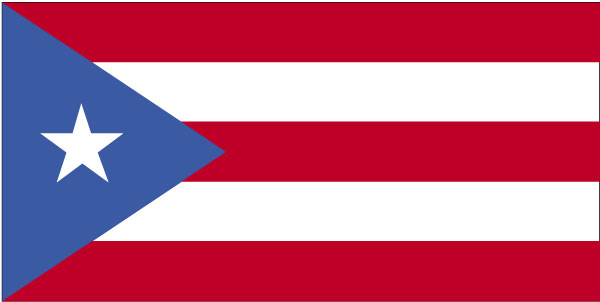
Puerto Rico
Declare Your Relationship to Puerto Rico
CountryReports Community
- Studying31
- From Puerto Rico8
- Puerto Rico heritage8
- Visited5
- Want to visit9
Customs and Culture
Customs and Culture
Cultural Attributes
Puerto Rico boasts a rich and diverse culture that reflects its unique blend of indigenous Taíno, African, Spanish, and American influences.
Music and Dance: Music is deeply ingrained in Puerto Rican culture, with genres like salsa, reggaeton, bomba, plena, and merengue being popular both on the island and internationally. Traditional instruments like the cuatro, güiro, and bongos are commonly used in folk music. Dance is also a significant part of Puerto Rican culture, with styles like salsa and bomba y plena enjoyed at social gatherings and festivals.
Cuisine: Puerto Rican cuisine is a flavorful fusion of indigenous, African, Spanish, and American culinary traditions. Staples include rice, beans, plantains, yucca, and tropical fruits. Popular dishes include mofongo (mashed plantains), arroz con gandules (rice with pigeon peas), lechón asado (roast pig), and tostones (fried plantains). The island's cuisine is known for its bold flavors and use of spices like adobo and sofrito.
Festivals and Celebrations: Puerto Ricans are known for their vibrant festivals and celebrations, often blending religious, cultural, and historical elements. The Fiestas de la Calle San Sebastián is the most famous festival, held annually in San Juan, featuring music, dance, food, and art. Other notable celebrations include the Fiestas de la Calle San Sebastián, Carnaval de Ponce, and the Lechón Festival in Guavate.
Art and Literature: Puerto Rico has a rich artistic tradition, with renowned painters like José Campeche and Francisco Oller and contemporary artists like Antonio Martorell and Myrna Báez. Literature also plays a significant role in Puerto Rican culture, with authors like René Marqués, Rosario Ferré, and Esmeralda Santiago gaining international acclaim for their works.
Language and Identity: Spanish is Puerto Rico's official language, although English is widely spoken, especially in urban areas and tourist destinations. The island's cultural identity is shaped by its complex history of colonization and migration, resulting in a unique blend of Caribbean, Latin American, and American influences.

Island of Rhythm and Flavor
Get More Customs and Culture
5 more cultural topics for members
Social Customs & Etiquette · Family · Dating Customs · Recreation · Student Life
Every country, every topic, all activities & recipes
✓ Instant access on this device · ✓ No subscription
Holidays
Puerto Rico Constitution Day
7/25Independence Day
US Independence Day
7/4Independence Day
Birth date - Eugenio Maria de Hostos
1/11Birthday
Birth date - Eugenio Maria de Hostos, Puerto Rican patriot, and author, was born on Jan. 11, 1839.
Birth date - Jose de Diego
4/16Birthday
Birth date - Jose de Diego, Puerto Rican patriot and political leader was born on April 16, 1866.
Birth date - Luis Munoz
7/17Birthday
Birth date - Luis Munoz, Puerto Rican patriot and poet, was born on July 17, 1859.
birth date - Jose Celso Barbosa
7/27Birthday
birth date - Jose Celso Barbosa, Puerto Rican physician and patriot, was born on July 27, 1857.
Birth date - Roberto Clemente
8/18Birthday
Birth date - Roberto Clemente, Puerto Rican baseball player, was born in Carolina, Puerto Rico on Aug. 18, 1934. He played his entire career in Major League Baseball for the Pittsburgh Pirates.
Christmas
12/25Christmas
Belenes (Nativity scenes) are the most common symbol of Christmas. Santa Claus and Christmas trees are also well known. During the weeks of Advent, families and friends hold Parrandas (all night Christmas parties). The Christmas Eve dinner consist of baked chicken, turkey, pork, Spanish rice, pigeon peas, cooked greens, yams, pastels (mashed plantains with meat and vegetables wrapped in plantain leaves and boiled) arroz con dulce (rice cooked with spices and coconut milk), tembleque (custard of cornstarch, sugar and coconut milk), turrón (nougat), nuts and coquito( eggnog made with coconut milk and rum).
The traditional gift giving day is Epiphany, January 6th better known as Dia del os Tres Reyes (Three Kings Day). On the night before, children prepare for the Kings’ visit by placing shoe boxes filled with grass and grain under their beds. The Kings in turn feed the fodder to their camels and replace it with gifts in the boxes. Children may also receive gifts on Christmas Day.
Dates of Interest
- July 10th
Similar to the San Sebastián Street Festival in San Juan, this event takes place in Loíza and celebrates the town's African heritage with music, dance, food, and art. It's held in July and attracts visitors from across the island.
How do people greet each other in Puerto Rico?
Greetings in Puerto Rico are warm and often involve physical contact, ranging from handshakes in formal settings to cheek kisses and hugs among friends and family.
Do
- Use a firm but not aggressive handshake in formal or business settings
- Kiss once on the right cheek and once on the left with friends and family
- Offer verbal greetings like 'Hola,' 'Buenos días,' or 'Buenas tardes'
- Add '¿Cómo estás?' with friends and acquaintances
Good to know
- Fist bumps or high fives are casual greetings among younger generations
- Men who know each other well may exchange a quick hug and handshake
What is dining and food like in Puerto Rico?
Puerto Rican cuisine is a bold fusion of indigenous, African, Spanish, and American traditions, and sharing a meal is a central part of hospitality.
Do
- Try local dishes like mofongo, arroz con gandules, lechón asado, and tostones
- Enjoy meals together as a group when hosted
Good to know
- Staples include rice, beans, plantains, yucca, and tropical fruits
- Dishes are flavored with spices like adobo and sofrito
- Hosts may offer refreshments such as coffee, homemade pastries, or tropical fruit on arrival
What are the etiquette and hospitality customs in Puerto Rico?
Puerto Ricans are known for warmth and hospitality, with visits involving lively conversation, shared meals, and respect for cultural customs.
Do
- Respect elders and observe religious or cultural practices
- Participate in family activities and lively conversation
- Express gratitude to hosts before departing, often with a small gift
Good to know
- Expect to interact with extended family members during visits
- Common conversation topics include family, culture, and current events
What should I wear in Puerto Rico?
Everyday dress is casual and contemporary, with lightweight fabrics suited to the tropical climate, while formal occasions call for more conservative attire.
Do
- Wear lightweight, breathable fabrics like cotton and linen
- Choose casual clothing such as T-shirts, shorts, skirts, dresses, and sandals for daily wear
- Dress more conservatively for formal settings, e.g. collared shirts and trousers or dresses and pantsuits
Good to know
- Traditional attire like the guayabera, pollera, pava, and vejigante costume may appear in rural areas or at festivals
- Urban areas like San Juan feature a mix of Western and contemporary fashion
Are there gestures to avoid in Puerto Rico?
Physical contact is common in greetings, but some gestures can be seen as disrespectful.
Don’t
- Don't touch someone's head without permission, especially an elder or someone you don't know well
What is family life like in Puerto Rico?
Puerto Rican families are close-knit, often multigenerational, and place a strong emphasis on family bonds, respect for elders, and emotional support.
Do
- Show respect for elders and value their opinions
- Expect extended family to be involved in gatherings and daily life
Good to know
- Multiple generations often live together or nearby
- Many families are rooted in Catholicism, and education is highly valued
- Traditional gender roles exist but are evolving as more women join the workforce
What can I do for recreation in Puerto Rico?
Puerto Rico offers diverse recreation thanks to its beaches, rainforests, and rich culture, from water sports to hiking and cultural experiences.
Do
- Enjoy beach activities like swimming, snorkeling, surfing, and paddleboarding
- Hike and explore nature at El Yunque National Forest, Toro Negro, or Guánica Dry Forest
- Explore historic Old San Juan, museums, festivals, and local cuisine
- Try golfing, cycling, eco-tours, zip-lining, or culinary tours
Good to know
- Water sports include kayaking, sailing, jet skiing, parasailing, and deep-sea fishing
Last updated: 2026-07-12 · Sources: CountryReports
Photos of Puerto Rico
Photos of Puerto Rico
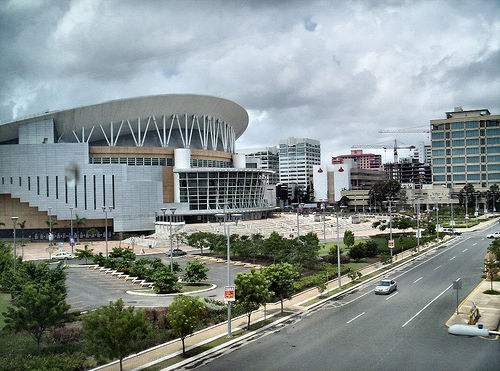
Sports Arena, San Juan, Puerto Rico
San Juan, Puerto Rico
Capitol Building, Old San Juan, Puerto Rico
Old San Juan, Puerto Rico
Metro system, San Juan, Puerto Rico
Fajardo church house, Puerto Rico
Guaynabo City, Puerto Rico
Puerto Rico Creche -- Polymer Clay
Nigeria Creche -- Mini Batiks
Puerto Rico -- 3 Kings
San Cristobal Fort
View


Travel and Tourism
Travel and Tourism
- Currency
- US dollar (USD)
- Time Difference
- UTC-4 (1 hour ahead of Washington, DC, during Standard Time)
- Climate
- tropical marine, mild; little seasonal temperature variation
- Airports
- 30
Read the full travel guide — health, safety, vaccinations, disease risk, sanitation, and transit details.
View full travel guideRecipes
Recipes
Coquito (Puerto Rican Egg Nog)
Beverage
Main Dish
Arroz Con Gandules (Rice, Green Pigeon Peas and Ham)
Main Dish
Pasteles
Main Dish
Lechon Asado Al Horno (Roasted Pork)
Main Dish
Pollo Guisado (Chicken Stew)
Main Dish
Carne Frita (Fried Chicken)
Main Dish
Puerto Rican Meat Patties
Main Dish
PremiumBacalao Guisado (Cod Fish)
Main Dish
PremiumEscabeche de Guineos (Chicken Gizzards and Plantains)
Main Dish
PremiumKidney Stew
History
History
Historical Eras
Taíno & Pre-Contact
3000 BCE – 1493
The island of Borikén was inhabited for millennia by successive waves of Amazonian peoples, culminating in the Taíno (Arawak), who numbered as many as 60,000 by the time of European contact. The Taíno maintained a structured chieftain society, cultivating cassava and practicing skilled craftsmanship. Their position as the easternmost buffer against the more warlike Carib peoples of the Lesser Antilles shaped the island's pre-colonial character.
Spanish Conquest
1493 – 1600
Christopher Columbus claimed Puerto Rico for the Spanish Crown in 1493, and formal colonization began in 1508 under Juan Ponce de León, the island's first governor. The Taíno were enslaved to mine gold, and a 1511 uprising marked their last organized resistance; European diseases ultimately decimated the population far more thoroughly than Spanish arms. African enslaved labor was introduced as the gold supply quickly exhausted, and sugar emerged as the dominant crop by the 1530s.
Colonial Garrison Era
1600 – 1800
For two centuries Puerto Rico functioned primarily as a strategic military garrison rather than a prosperous colony, suffering chronic underpopulation, poverty, and neglect by Madrid. The fortresses of El Morro and San Cristóbal successfully repelled incursions by Sir Francis Drake in 1595, an English fleet in 1598, Dutch forces in 1625, and a British expedition in 1797. Denied open trade, the island survived largely through contraband commerce with British, Dutch, and other foreign merchants.
Late Spanish Colonial
1800 – 1898
The nineteenth century brought liberalized trade, a surge of immigration from Spain's collapsing American empire, and the rapid expansion of sugar and coffee plantation agriculture. Military governors brutally suppressed independence movements even as abolitionist pressure slowly grew, with slavery finally abolished in 1873. Spain granted Puerto Rico the Autonomic Charter in 1897, establishing a measure of home rule, but this autonomy lasted less than a year before the Spanish-American War transformed the island's fate.
U.S. Territory
1898 – 1952
The Treaty of Paris ceded Puerto Rico to the United States following Spain's defeat in 1898, initiating a new colonial relationship that replaced Spanish administration with American military and then civil governance. Puerto Ricans were granted U.S. citizenship under the Jones Act of 1917, though without full political representation at the federal level. Economically, the island shifted toward large-scale American sugar corporations, while cultural identity and demands for greater autonomy continued to intensify.
Commonwealth Period
1952 – present
Puerto Rico adopted its own constitution in 1952, establishing the Estado Libre Asociado (Commonwealth), with elected governors and internal self-government while remaining under U.S. sovereignty. Operation Bootstrap industrialized the economy through the mid-twentieth century, driving mass migration to the U.S. mainland, while successive plebiscites in 1967, 1993, 1998, 2012, and 2017 have repeatedly highlighted unresolved debates over statehood, independence, or continued commonwealth status. Economic crisis, natural disasters including Hurricane María in 2017, and ongoing fiscal oversight have defined the island's challenges into the twenty-first century.
Overview
The Caribbean before the landing of Columbus served almost as a bridge between the north coast of South America and Florida for the Amazonian tribes in the south and the north american inhabitants.
Every country, every topic, all activities & recipes
✓ Instant access on this device · ✓ No subscription
Timeline of Key Events
1493
Christopher Columbus claims Puerto Rico for Spain.
Christopher Columbus claims Puerto Rico for Spain.
1501
The Spanish Crown permitted export of slaves to America.
The Spanish Crown permitted export of slaves to America.
1508
Spanish colonization begins.
Spanish colonization begins.
1509 – 1512
Ponce de Leon served as governor of Puerto Rico.
Ponce de Leon served as governor of Puerto Rico.
1511
Differences between Spaniards and Taíno Indians began.
Taínos rebelled against Spanish rule, but are forced to surrender or flee. Diego Columbus given control of the island.
1528
French troops attacked the island
French troops attacked the island.
1530
Sugar became the most important agricultural product
Sugar became the most important agricultural product.
Read the full history profile — narrative overview, defining eras, and the complete timeline in one place.
View expanded historyInteresting Facts
Interesting Facts
When Christopher Columbus arrived there in 1493, the island was inhabited by the peaceful Arawak Indians, who were being challenged by the warlike Carib Indians.
See every fact — trivia, oddities, and curious tidbits gathered from across the country.
View all interesting factsGeography and Environment
Geography and Environment
- Terrain
- mostly mountains with coastal plain belt in north; mountains precipitous to sea on west coast; sandy beaches along most coastal areas
- Climate
- tropical marine, mild; little seasonal temperature variation
- Natural Hazards
- periodic droughts; hurricanes
- Current Environmental Issues
- erosion; occasional drought causing water shortages
Read the full geography and environment profile — terrain, climate, natural resources, hazards, land use, and international agreements.
View full geographyPeople & Demographics
People & Demographics
Religion
Languages Spoken
Spanish
- Spanish
Population
- Population
- 3,205,691
- Population in Major Urban Areas
- SAN JUAN (capital) 2.475 million
- Nationality Noun
- Puerto Rican(s) (US citizens)
- Ethnic Groups
- white (mostly Spanish origin) 80.5%, black 8%, Amerindian 0.4%, Asian 0.2%, mixed and other 10.9%
Education
- Literacy Definition
- age 15 and over can read and write
Health Information
- Life Expectancy at Birth
- Life expectancy at birth in Puerto Rico is notably high compared to many other territories and nations in the Caribbean and Latin America, reflecting the island's relatively advanced healthcare infrastructure and access to medical services. As of the most recent estimates, the average life expectancy at birth in Puerto Rico stands at approximately 80 years overall, with women typically living longer than men — around 83 years for females compared to roughly 77 years for males. These figures place Puerto Rico among the higher-performing territories in the Western Hemisphere in terms of longevity. Several factors contribute to this outcome. Puerto Rico benefits from its status as a U.S. territory, which grants residents access to federal healthcare programs such as Medicare and Medicaid. The island has a well-established network of hospitals, clinics, and medical professionals, particularly concentrated in the San Juan metropolitan area. Chronic diseases remain a significant health concern on the island, with cardiovascular disease and diabetes ranking among the leading causes of mortality. Obesity rates are elevated compared to many U.S. states, and these conditions place long-term pressure on the healthcare system. Despite this, ongoing public health initiatives and access to modern medical treatments have helped sustain relatively strong life expectancy outcomes. Puerto Rico experienced a significant public health crisis following Hurricane Maria in September 2017, which caused widespread disruption to healthcare infrastructure and contributed to a substantial spike in mortality. Estimates of the storm's death toll varied considerably, with studies suggesting thousands of excess deaths in the months following the disaster — far exceeding initial official counts. The island's healthcare system has since worked to rebuild capacity, though persistent challenges including population emigration, an aging demographic, and ongoing economic strain continue to affect the availability and distribution of medical resources. Overall, Puerto Rico's life expectancy figures reflect a complex interplay of strong institutional healthcare access, persistent chronic disease burdens, and ongoing socioeconomic challenges that the island continues to navigate.
- Infant Mortality Rate
- Puerto Rico has achieved notably low infant mortality rates compared to many countries in Latin America and the Caribbean, reflecting the island's access to modern healthcare infrastructure and its close ties to the United States healthcare system. As a U.S. territory, Puerto Rico benefits from federal health programs such as Medicaid and Medicare, which help extend medical services to a broad segment of the population. In recent years, Puerto Rico's infant mortality rate has hovered around 6 to 7 deaths per 1,000 live births, a figure that places it well below regional averages for Latin America and the Caribbean, though slightly above the mainland United States average of approximately 5.4 deaths per 1,000 live births. This gap reflects ongoing challenges the island faces, including economic hardship, healthcare workforce shortages, and the lingering effects of natural disasters such as Hurricane Maria in 2017, which severely disrupted the island's healthcare delivery systems. The leading causes of infant mortality in Puerto Rico are consistent with those seen in developed nations and include congenital anomalies, low birth weight, premature birth complications, and sudden infant death syndrome (SIDS). Socioeconomic disparities within the island also play a role, as access to prenatal care can vary significantly between urban and rural communities. Puerto Rico has made meaningful progress in reducing infant mortality over recent decades, largely due to improvements in neonatal intensive care, expanded prenatal screening programs, and public health initiatives targeting maternal health. The island's network of hospitals and clinics, many of which are affiliated with U.S. accreditation bodies, maintains relatively high standards of neonatal care. Continued investment in maternal and child health services, efforts to retain medical professionals on the island — many of whom emigrate to the mainland United States — and rebuilding healthcare infrastructure following natural disasters remain central priorities for improving infant health outcomes in Puerto Rico.
Life Expectancy
- Life Expectancy at Birth
- Life expectancy at birth in Puerto Rico is notably high compared to many other territories and nations in the Caribbean and Latin America, reflecting the island's relatively advanced healthcare infrastructure and access to medical services. As of the most recent estimates, the average life expectancy at birth in Puerto Rico stands at approximately 80 years overall, with women typically living longer than men — around 83 years for females compared to roughly 77 years for males. These figures place Puerto Rico among the higher-performing territories in the Western Hemisphere in terms of longevity. Several factors contribute to this outcome. Puerto Rico benefits from its status as a U.S. territory, which grants residents access to federal healthcare programs such as Medicare and Medicaid. The island has a well-established network of hospitals, clinics, and medical professionals, particularly concentrated in the San Juan metropolitan area. Chronic diseases remain a significant health concern on the island, with cardiovascular disease and diabetes ranking among the leading causes of mortality. Obesity rates are elevated compared to many U.S. states, and these conditions place long-term pressure on the healthcare system. Despite this, ongoing public health initiatives and access to modern medical treatments have helped sustain relatively strong life expectancy outcomes. Puerto Rico experienced a significant public health crisis following Hurricane Maria in September 2017, which caused widespread disruption to healthcare infrastructure and contributed to a substantial spike in mortality. Estimates of the storm's death toll varied considerably, with studies suggesting thousands of excess deaths in the months following the disaster — far exceeding initial official counts. The island's healthcare system has since worked to rebuild capacity, though persistent challenges including population emigration, an aging demographic, and ongoing economic strain continue to affect the availability and distribution of medical resources. Overall, Puerto Rico's life expectancy figures reflect a complex interplay of strong institutional healthcare access, persistent chronic disease burdens, and ongoing socioeconomic challenges that the island continues to navigate.
- Infant Mortality Rate
- Puerto Rico has achieved notably low infant mortality rates compared to many countries in Latin America and the Caribbean, reflecting the island's access to modern healthcare infrastructure and its close ties to the United States healthcare system. As a U.S. territory, Puerto Rico benefits from federal health programs such as Medicaid and Medicare, which help extend medical services to a broad segment of the population. In recent years, Puerto Rico's infant mortality rate has hovered around 6 to 7 deaths per 1,000 live births, a figure that places it well below regional averages for Latin America and the Caribbean, though slightly above the mainland United States average of approximately 5.4 deaths per 1,000 live births. This gap reflects ongoing challenges the island faces, including economic hardship, healthcare workforce shortages, and the lingering effects of natural disasters such as Hurricane Maria in 2017, which severely disrupted the island's healthcare delivery systems. The leading causes of infant mortality in Puerto Rico are consistent with those seen in developed nations and include congenital anomalies, low birth weight, premature birth complications, and sudden infant death syndrome (SIDS). Socioeconomic disparities within the island also play a role, as access to prenatal care can vary significantly between urban and rural communities. Puerto Rico has made meaningful progress in reducing infant mortality over recent decades, largely due to improvements in neonatal intensive care, expanded prenatal screening programs, and public health initiatives targeting maternal health. The island's network of hospitals and clinics, many of which are affiliated with U.S. accreditation bodies, maintains relatively high standards of neonatal care. Continued investment in maternal and child health services, efforts to retain medical professionals on the island — many of whom emigrate to the mainland United States — and rebuilding healthcare infrastructure following natural disasters remain central priorities for improving infant health outcomes in Puerto Rico.
Read the full people and society profile — demographics, health, education, religion, languages, and notable people.
View full people and societyGovernment & Politics
Government & Politics
Country Identity
- Country Name
- PuertoRico
- Full Country Name
- Commonwealth of Puerto Rico
Government Structure
- Government Type
- commonwealth
- Legal System
- based on Spanish civil code and within the US Federal system of justice
- Executive Branch
- chief of state: President Donald J. TRUMP of the US (since 20 January 2025) and Vice President JD VANCE (since 20 January 2025) head of government: Governor Pedro PIERLUISI (since 2 January 2021) cabinet: Cabinet appointed by the governor with the consent of the legislature elections: under the US Constitution, residents of unincorporated territories, such as Puerto Rico, do not vote in elections for US president and vice president; governor elected by popular vote for a four-year term; election last held 3 November 2020 (next to be held November 2024) election results: Pedro PIERLUISI (PNP) elected governor; percent of vote - 32.9%
- Legislative Branch
- Bicameral Legislative Assembly consists of the Senate (at least 27 seats — currently 27; members are directly elected by popular vote to serve four-year terms) and the House of Representatives (51 seats; members are directly elected by popular vote to serve four-year terms). Elections: Senate — last held on 8 November 2022 (next to be held in November 2026); House of Representatives — last held on 8 November 2022 (next to be held in November 2026). Election results: Senate — percent of vote by party — PNP 41.8%, PPD 32.5%, MVC 13.8%, PIP 5.6%, other 6.3%; seats by party — PNP 19, PPD 6, MVC 1, PIP 1; House of Representatives — percent of vote by party — PNP 38.9%, PPD 31.7%, MVC 13.5%, PIP 6.4%, other 9.5%; seats by party — PNP 26, PPD 14, MVC 7, PIP 2, independent 2. Note: Puerto Rico elects, by popular vote, a resident commissioner to serve a four-year term as a nonvoting representative in the US House of Representatives. Aside from not voting on the House floor, the resident commissioner enjoys most of the rights of a full member of Congress, including the ability to vote in committee. Elections last held on 8 November 2022 (next to be held in November 2026); Jenniffer González-Colón of the PNP currently serves as resident commissioner, having been reelected to the position in 2022.
- Judicial Branch
- Supreme Court; Appellate Court; Court of First Instance composed of two sections: a Superior Court and a Municipal Court (justices for all these courts appointed by the governor with the consent of the Senate)
- Suffrage
- 18 years of age; universal; island residents are US citizens but do not vote in US presidential elections
- Constitution
- ratified 3 March 1952; approved by US Congress 3 July 1952; effective 25 July 1952
- Independence
- none (commonwealth associated with the US)
- National Holiday
- US Independence Day, 4 July (1776); Puerto Rico Constitution Day, 25 July (1952)
Capital City
- Capital Name
- San Juan
- Capital - geographic coordinate
- 18 28 N, 66 07 W
- Capital Time Difference
- UTC-4 (1 hour ahead of Washington, DC, during Standard Time)
the name dates to 1521 and the founding of the city under the name "Ciudad de San Juan Bautista de Puerto Rico" (City of Saint John the Baptist of Puerto Rico)
Military
Branches: no regular indigenous military forces; paramilitary National Guard, Police Force
Read the full government profile — flag symbolism, national anthem, and other national symbols.
View full government detailsEconomy
Economy
Puerto Rico has one of the most dynamic economies in the Caribbean region, though it has faced significant economic challenges in recent decades.
Snapshot
- Currency Name and Code
- US Dollar (USD)
- GDP Real Growth Rate
- -0.5%
Every country, every topic, all activities & recipes
✓ Instant access on this device · ✓ No subscription
News & Weather
News & Weather
Current Weather
Latest News
Tyler Perry Announces Plans to Move to Puerto Rico, Says He’s ‘Pulling Back a Whole Lot’ from Work - People.com
People.com · 7h ago
Puerto Rican Trans Rapper Villano Antillano Opens Up About Leaving Her “Deeply Misogynistic” Home Island - Consequence of Sound
Consequence of Sound · 3d ago
At 57, Tyler Perry says it’s ‘time to slow down’ as he plans Puerto Rico move - TheGrio
TheGrio · 38m ago
Tyler Perry Reveals Plans to Slow Down and Move to Puerto Rico - Yahoo
Yahoo · 11h ago
Clorox Puerto Rico Recalls 6 Million Scented Mistolin and Lestoil Multi-Purpose Cleaners Due to Risk of Exposure to Bacteria | CPSC.gov - U.S. Consumer Product Safety Commission (.gov)
U.S. Consumer Product Safety Commission (.gov) · 11d ago
Pope Leo appoints coadjutor bishop for Puerto Rico’s youngest diocese - EWTN News
EWTN News · 6d ago
Drought Intensifies Across Puerto Rico - NASA Science (.gov)
NASA Science (.gov) · 12d ago
Puerto Rico vs China - Qualification to Quarter-Finals - FIBA Women's Basketball World Cup 2026 - FIBA
FIBA · 7d ago
News via Google News
Climate Overview
tropical marine, mild; little seasonal temperature variation
Videos
Videos
1 curated YouTube videos.
Source: YouTube
Frequently Asked Questions
Frequently Asked Questions
What is the population of Puerto Rico?
How do people greet each other in Puerto Rico?
What is dining and food like in Puerto Rico?
What are the etiquette and hospitality customs in Puerto Rico?
What should I wear in Puerto Rico?
Are there gestures to avoid in Puerto Rico?
What is family life like in Puerto Rico?
What can I do for recreation in Puerto Rico?
What is the capital of Puerto Rico?
Where is Puerto Rico located?
What bodies of water surround Puerto Rico?
What is the predominant religion in Puerto Rico?
What currency is used in Puerto Rico?
What language is spoken in Puerto Rico?
What is the history and political status of Puerto Rico?
What is Puerto Rico known for?
Last reviewed 2026