
 English
 Español
 中文
中文 हिन्दी
 Français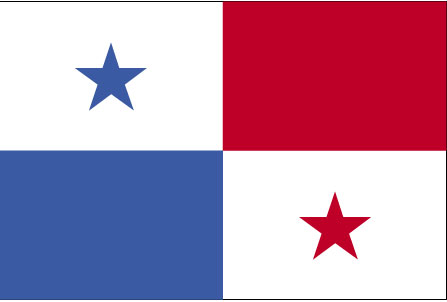
Panama
Panama
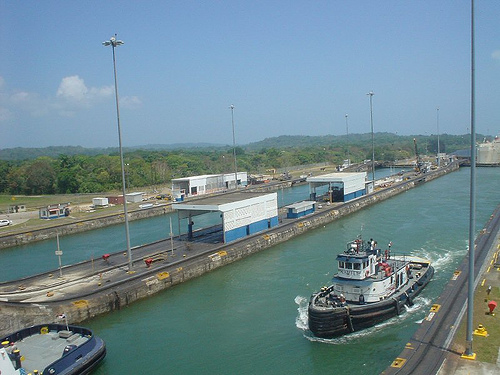
Declare Your Relationship to Panama
CountryReports Community
- Studying8
- From Panama4
- Panama heritage6
- Visited3
- Want to visit4
Customs and Culture
Customs and Culture
Cultural Attributes
Panamanians consider their family to be important, it is their support and their responsibility and the ultimate recipient of their loyalty. Along with loyalty to family members, Panamanians value their friendships. Nationalism is strong in Panama. The people of Panama want to solve their problems They look to the future with excitement. Ethnicity is an important social distinction in Panama, yet the Panamanian subcultures have merged to the point that individuals are often difficult to classify as belonging to a particular ethnic group.
The Panamanian social system began in Spanish colonial times and has continued until today. Most citizens, even interior campesinos, are well-informed on topics relating to national and international politics. Panamanians are also aware of their association with the United States. Many resent the relationship as unequal. Panamanians appreciate their Spanish heritage and, to a lesser extent, their indigenous roots.
Panama's social system has three main tiers: the elite, the middle class the lower class. Class structure divides citizens based on wealth, occupation, education, family background, culture, and race. Panamanians are an eclectic group of immigrants from many countries and they readily accept other groups, cultures, and combine them with their own. The Panamanian lifestyle demonstrates a Caribbean rather than South American influence.

Bridge Between Two Worlds
Social Customs & Etiquette
Greetings
While speaking Panamanians often stop to give the listener a change to agree or disagree with what they are saying. Panamanians are polite people with considerate greeting and formalities in their everyday life. A business person always makes small talk with a colleague or client before discussing business. Panamanians are offended if anyone initiates a business conversation before spending time to learn about the other party on a personal level.
Panamanians of either sex may greet each other by shaking hands. Women friends typically kiss each other on one cheek when greeting and departing. Men and women sometimes kiss each other on the cheek. Two men always shake hands. Panamanians are very gracious and polite. They frequently say Please (por favor), thank you (gracas) and your welcome (de nada). Before joining a group of people who are eating or conversing a newcomer will ask permission to join the group by saying con permisoâ(kohn-pair-MEE-soh) the group responds by saying andele (AHN-day-lay) which means "go ahead". One of the major taboos is a discussion of personal possessions.
Another conversation they do not like is the discussion of the building of the canal and the U.S. intervention. Generally the do not like to discuss local politics and race in a social setting. The favorite topics of conversation are family, common friends, hobbies, interests and sports. Shaking hands when meeting someone shows good manners, and can be done in two ways. Either the American Handshake or palm to palm with the thumb facing toward the person. When Panamanians want another person to approach them they will raise one of their hands with their palm facing the other person. Panamanians have two surnames after their first name. The first is the fathers name the second is the mothers. If a child is named Jaunita and the father name is Chaves and the mother is Sanchetz the child would be Junita Chaves Sanchetz.
Visiting
Sending (exchanging) gifts is common among friends in the interior, but gifts include items such as food or seedlings, not expensive items. The custom is a way of sharing one's good fortune with friends. It is not commonly practiced in the cities. Social gatherings in Panama have certain customs that guests follow. For instance, guests at large social gatherings introduce themselves to other guests and do not expect the host or hostess to introduce them.
Guests at these parties do not arrive on time even if the party begins at 10 PM. Panamanians consider arriving two hours late to be acceptable. At a smaller party, however a guest should not arrive later than a half-hour. For all parties host or hostess' appreciate a small gift from each guest. A father always sits at the head of the table. If the family has a guest at a meal the guest of honor sits at the other end of the table. Good manners dictate that guest eat everything on their plate. They signal that they have finished a meal by placing their knife and fork vertically and parallel on their plate.
Personal Appearance
Many Panamanians wear the same style of clothes as North Americans. Kuna women make colorful fabrics called molas. Panamanians are fairly conservative and formal in their dress. Within the city businessmen often dress less formally. For instance men often wear a cotton shirt called a guayabera("gay-ah-BAY-rah") which is a loose-fitting short sleeved cotton shirt that is not tucked into the pants. In some professions, such as banking and law, men and women wear lightweight suits. Panamanians frown on wearing shorts in public, no matter how hot is is. Men many occasionally wear shorts, but society considers in inappropriate for women to wear shorts or pants in public.
Although Panamanians grant leniency to tourists who wear shorts in the city and countryside, they prefer that foreigners abide by their somewhat stringent dress code. Traditional clothing for women is the pollera (poh-YEH-rah), a long, full dress of white cotton. Brightly colored embroidery accents the beautiful dress, and the women wear it for national celebrations, carnivals, and special occasions.
The peineta(peh-ee-NEH-tah) is the women's headpiece with the pollera. The peineta consists of veils or elaborate, large combs with dangling ornaments. The traditional clothing for men is the montuno (nohn-TOO-noh) The montuno is a white cotton embroidered shirt and short pants. Men often wear a straw hat called a pintado(pin-TAH-doh). This hat has a distinctive curled up brim and black patches on it. With this outfit men wear sandals.
Diet
Most Panamanians eat a great deal of corn, rice and beans. They also eat tortillas, which are flat breads made from cornmeal. These are filled with meat, beans, and cheese. Black beans are popular in Panama. A popular Panamanian dish is ceviche This is made of raw fish or shellfish that has been soaked in lime or lemon juice, olive oil and hot spices. Panamanians like their food spicy. Tamales are made of corn dough. They are filled, wrapped in a banana leaf and steamed. In Panama, it is commonly said that one hasn’t eaten if one hasn’t had rice. Rice is served with nearly every meal, along with a source of protein (eggs, chicken, sardines, meat, fish, or beans). Corn and plantains are also staples. Fish is inexpensive and often made into a soup. People usually eat vegetables as part of the main dish or in a salad. They often eat fruit as a snack. Chicha, a popular drink, is made from fresh fruit, water, and sugar. Coffee is usually part of breakfast. Common dishes in the interior include sancocho (chicken soup), guacho (rice soup), bollo (corn mush that has been boiled in the husk), corn tortillas, and guisado (stewed meat with tomatoes and spices). Arroz con pollo (rice and chicken) is eaten on special occasions. Urban people eat traditional foods as well as a wider variety of international foods. People eat rice with almost every meal. Beans and corn are also common foods. Guacho (GWA-cho) is rice soup with beans. Bollo (BOH-yo) is a boiled corn dish. Tortillas (tor_TEE-yas) also are popular. People make these flat breads from corn or wheat. Sancocho (sahn-KHO-cho) is Panama’s national dish. People make this stew with spicy vegetables and chicken. Panamanians eat a lot of meat and seafood. Guisado (kwee-SA-doh) is a stew with meat and tomatoes. Panamanians sometimes add fish to soup. Panamanian families usually eat together, they have a big breakfast. The main meal with rice, meat and vegetables is in the middle of the day. Families often eat a small meal in the evening.
Because Panama is an international crossroads, a variety of cuisines are available. French, Spanish and American food is available in all restaurants and hotels in Panama City. Native cooking is similar to Creole Cuisine, Hot and spicy. Dishes include ceviche (fish marinated in lime juice, onions and peppers) Patacones de plátano (fried plantain) sancocho (Panamanian stew with chicken, meat and vegetables) tamales (seasoned pie wrapped in banana leaves or corn husks) and carimanolas and empanadas (turnovers filled with meat, chicken or cheese) Panamanians have arroz (ah-ROHS) or rice with most of their meals. The eat the rice either plain or add meat and vegetables to eat. They often eat both potatoes and rice at one meal. Panama has an abundance of fish and seafood. Most Panamanians meals also include corn tortillas. Yucca is a commonly served vegetable.
Panamanians love to eat out. And Panama City’s residents have a plethora of restaurants to choose from. In addition to restaurants a panadería sells take-out bread and rolls, a pastelería(pas-tell-ay-REE-ah) offers pastries and a cantina(kan-TEE-nah) is a drinking establishment. Panamanians tip there servers about 15% of the bill. Panamanins eat three hearty meals per day. El desayuno(day-sigh-noh) breakfast, el almuerzo(ahl-MWER-sho)Lunch and la cena(“SAY-nah) dinner.
The typical breakfast is thick deep-fried tortillas, with a white cheese, sautéed liver, garlic and onions and fresh rools or bread. A typical lunch begins with soup followed by chick or steak. Served with a mixture of cooked rice and red kidney beans or pigeon peas. Salad is eaten with the main course. Dinner consists of meat covered with a spicy sause, rice and a salad. Dessert is usually fruit. Occasionally they indulge in cake, pie or cheesecake. After dinner they enjoy a cup of coffee. The most popular Panamanian dessert is sopa borracha (SOH-pah-bohr-RAH-chah) which is pound cake topped with syrup, rum or brandy, cinnamon raisins and cloves.

Family
Family Life is essential to Panamanians, especially those who live in rural areas. Many relatives may live together or close to one another. They especially like to celebrate holidays together. Many family groups are breaking up as many Panamanians are moving to cities to look for work. In the cities, wealthy people may live in apartments. Poor people may live nearby in poor sections. Panamanians are loyal to their family and have historically viewed their family ties as a defense against an uncertain and hostile world. Panamanians are often more loyal to their parents and siblings than their spouses. In many Panamanian families, particularly those in rural areas, three generations live under one roof. Family members steadfastly come to each other's aid if needed and support each other through life.
The cunas live on the San Blas Islands or in the Darion Region. Men dominate Cuna society and the family. Â The most senior man in a hut is the head of the household. When a daughter marries, her husband may come to live with her family, and the husband is subordinate to the father. The husband often tries to establish his household after a few years. The women perform the household duties and sew for the family. In their spare time, they make molas, often at night, with the help of a kerosene lamp.
The women inherit the land that they live on from their fathers. Thus, parents hope for female children. Most girls begin group dating around age fourteen. Compared with girls from other Latin American countries, urban Panamanian girls experience great freedom. However, girls in the interior are often not allowed to date until much later and are subject to parental restrictions. Â The majority of Panamanian men and women choose their spouses. Couples in the middle and lower classes often decide to marry and have children together but do not participate in a formal marriage ceremony until years later. Most Panamanians desire children and celebrate their birth. When a couple has a child, they take great care in choosing godparents. Most Panamanians believe that the godparents play an integral role in the child's life.
In rural society, men and women have traditional roles. The men work outside the home, farming and raising crops or animals, while the women stay at home and care for the children. In most rural areas, female education is a low priority for peasant families.
Dating Customs
Dating and marriage customs in Panama reflect a blend of Latin American traditions, indigenous influences, and the cosmopolitan character that comes with being a major international crossroads. Family plays a central role in Panamanian society, and romantic relationships are often developed with the awareness and involvement of extended family networks.
Courtship in Panama tends to be relatively traditional, particularly in rural and indigenous communities. Men are generally expected to take the initiative in pursuing relationships, and demonstrating respect toward a partner's family is considered essential. In urban areas such as Panama City, dating culture has become more relaxed and influenced by North American and global norms, with younger generations meeting through social events, universities, and increasingly through social media and dating applications.
The legal age for marriage in Panama is 16 for both males and females with parental consent, while individuals may marry without parental consent at age 18. Despite legal minimums, early marriage has been a concern in some indigenous and rural regions of the country, where community traditions sometimes accelerate the transition to adult roles.
Roman Catholicism has historically shaped Panamanian attitudes toward marriage, and the majority of formal weddings still incorporate Catholic religious ceremonies alongside civil registration. Civil marriage is legally recognized and required for the union to be valid under Panamanian law. Couples typically register their marriage with the Civil Registry Authority (Registro Civil), part of the Electoral Tribunal of Panama.
Panama's divorce rate has risen in recent decades, particularly in urban centers, reflecting broader social changes and increased economic independence among women. Panama does not currently recognize same-sex marriage under civil law, though the topic has been subject to ongoing legal and social debate, with some advocacy groups pushing for legislative reform.
In indigenous communities such as the Guna, Ngäbe, and Emberá peoples, marriage customs may follow distinct traditions that differ significantly from mainstream Panamanian practice, including community ceremonies and expectations around gender roles that have been preserved across generations.
Recreation
Futball (Soccer) has become the national sport. Swimming and diving are also popular. Many people like to go deep sea fishing and snorkeling as well. Panamanians enjoy horse racing, volleyball, cycling, and hiking. People in panama also like baseball, softball and basketball. Panama has more than 940 species of birds, and because of this, bird watching is popular.
Because there is frequently nice weather in Panama, outdoor activities such as sailing are popular. Baseball is the most popular sport in Panama. Panamanians learned how to play baseball from Americans who worked on the canal. People like to snorkel and scuba dive. They also enjoy basketball, soccer, boxing, cycling and tennis. The mountains of Panama provide a haven for fitness enthusiasts.
Student Life
Children must go to school from ages 6 to 15. Many schools are public but some are run by the Catholic Church. In many rural areas there are not schools. Many children in rural areas have to help their families work on their farms. A student must go to school for 12 years in order to attend a university. People in Panama care about education The government spends a lot of money to improve education. Elementary school is free. The school year last from April to December. Students learn reading, writing, math, history and art. A law says that children must complete the 6th grade. Some families pay for children to go to private middle and high school. Many students attend colleges in Panama City. Middle School and high school are called secondary education in Panama. Students study many subjects in the first three years. They learn math, science, art and history. The second part of secondary education also lasts about three years. Students study only one subject in the second part. They choose a subject that will help them get a job after they graduate. The education system in panama is separated into three levels: Primary school (six years) secondary school (six years) and university or higher education. The first six years of primary education are required for all children. A high percentage goes on to enroll in secondary school. Panama has one of the highest literacy rates in Central America.
Holidays
Independence Day
11/3Independence Day
Christmas
12/25Christmas
Christmas dinner consists of seafood, rice with beans, arroz con pollo (chicken with rice, saffron, and vegetables), arroz con piña (rice with pineapple) and rom ponche (rum punch)
Instead of writing letters to Santa Claus children address them to Baby Jesus care of St Peter in Heaven. Gifts are placed either under the Christmas tree or under the children’s bed.
Dates of Interest
- November
While Semana Santa is celebrated in many countries, Panama has its own unique customs and traditions during this time, including religious processions, reenactments of the Passion of Christ, and special church services.
How do people greet each other in Panama?
Panamanians are gracious and polite, greeting with handshakes; two men always shake hands, women friends kiss on one cheek, and men and women sometimes kiss on the cheek. Small talk to learn about someone personally comes before any business discussion.
Do
- Shake hands when meeting (American handshake or palm-to-palm with thumb facing the person)
- Make personal small talk before discussing business
- Say por favor (please), gracias (thank you), and de nada (you're welcome)
- Ask permission to join a group by saying con permiso
Don’t
- Don't start a business conversation before getting to know the other party personally
- Don't discuss personal possessions
- Don't bring up the building of the canal or U.S. intervention
- Don't discuss local politics or race in social settings
Good to know
- Panamanians have two surnames: the father's first, then the mother's
- Favorite conversation topics are family, mutual friends, hobbies, interests, and sports
- To beckon someone, raise a hand with the palm facing them
What are dining customs like in Panama?
Panamanians eat three hearty meals a day and serve rice with nearly every meal; the national dish is sancocho, a spicy chicken-and-vegetable stew. Families usually eat together with a big breakfast and the main meal at midday.
Do
- Eat everything on your plate as a sign of good manners
- Signal you've finished by placing your knife and fork vertically and parallel on the plate
- Try ceviche, tamales, sancocho, arroz con pollo, and sopa borracha
Good to know
- The father sits at the head of the table; a guest of honor sits at the opposite end
- Tip servers about 15% of the bill
- Chicha (fresh fruit, water, sugar) is a popular drink, and coffee is usual at breakfast
- A panadería sells bread, a pastelería sells pastries, and a cantina is a drinking establishment
What social etiquette should I know when visiting?
Guests follow specific customs at social gatherings, including introducing themselves and bringing a small gift for the host. Punctuality expectations vary by the size of the event.
Do
- Introduce yourself to other guests at large gatherings
- Bring a small gift for the host or hostess at any party
- Arrive within a half-hour at a small party
Don’t
- Don't arrive later than a half-hour at a smaller party
Good to know
- Arriving up to two hours late is acceptable at large gatherings
- In the interior, friends exchange modest gifts like food or seedlings, not expensive items
How should I dress in Panama?
Panamanians are fairly conservative and formal in dress, and they frown on wearing shorts in public regardless of the heat. Many wear North American styles, though men may wear a loose guayabera shirt.
Do
- Dress conservatively; wear lightweight suits in professions like banking and law
- Abide by the local dress code even as a foreigner
Don’t
- Don't wear shorts in public, especially women, for whom shorts or pants in public are considered inappropriate
Good to know
- Traditional women's dress is the pollera with a peineta headpiece; men's is the montuno with a pintado straw hat and sandals
- Tourists are granted some leniency for wearing shorts, but locals prefer you follow their dress code
What is family life like in Panama?
Family is essential to Panamanians and receives their ultimate loyalty, often with three generations living under one roof, especially in rural areas. Members support each other through life and love celebrating holidays together.
Good to know
- Panamanians are often more loyal to parents and siblings than to spouses
- Godparents are chosen with great care and play an integral role in a child's life
- In Cuna society men dominate; women inherit land from their fathers and make molas
- Urban girls have more freedom than those in the interior, where dating is more restricted
What do people do for fun in Panama?
Baseball is the most popular sport, learned from Americans who worked on the canal, and soccer is the national sport. The pleasant weather and rich wildlife make outdoor activities popular.
Good to know
- Popular activities include swimming, diving, deep-sea fishing, snorkeling, and scuba diving
- Other sports include volleyball, cycling, hiking, basketball, boxing, tennis, softball, and horse racing
- With over 940 bird species, bird watching is popular
- Sailing and mountain fitness activities are also enjoyed
Last updated: 2026-07-12 · Sources: CountryReports
Photos of Panama
Photos of Panama


Travel and Tourism
Travel and Tourism
- Travel Alert Status
- Level 2: Exercise Increased Caution
- Currency
- balboa (PAB); US dollar (USD)
- Time Difference
- UTC-5 (same time as Washington, DC, during Standard Time)
- Climate
- tropical maritime; hot, humid, cloudy; prolonged rainy season (May to January), short dry season (January to May)
- Airports
- 103
Read the full travel guide — health, safety, vaccinations, disease risk, sanitation, and transit details.
View full travel guideRecipes
Recipes
Hojaldres
Dessert
Main Dish
Plantain Cereal
Main Dish
Sancocho (Chicken Soup)
Main Dish
Arroz con Pollo (Chicken and Rice)
Main Dish
Tortilla de Maiz con Queso Blanco (Corn Tortilla with Farmer’s Cheese)
Main Dish
Rice with Guandu
Main Dish
Ceviche De Garbanzos
Dessert
PremiumHojaldres
Beverage
PremiumChicha de Arroz con Pina (Fresh Pineapple Drink)
History
History
Historical Eras
Pre-Columbian Era
11000 BCE – 1501
Panama's isthmus was inhabited for millennia by diverse indigenous peoples, including the Cuna, Ngäbe, and Guna, who developed sophisticated cultures, trade networks, and goldworking traditions. These societies flourished as a natural land bridge connecting North and South America before European contact dramatically disrupted their populations through disease, conquest, and enslavement.
Spanish Colonial Era
1501 – 1821
Following Rodrigo de Bastidas's arrival in 1501 and Balboa's famous crossing to the Pacific in 1513, Panama became the crossroads of the Spanish Empire — the third-wealthiest colony in the New World. Gold and silver from Peru flowed through Panama City toward Spain, attracting buccaneers such as Henry Morgan, who sacked and burned Panama City in 1671. By the 18th century the colony had declined due to piracy, competing trade routes, and imperial neglect.
Colombian Department
1821 – 1903
Panama declared independence from Spain in 1821 and voluntarily joined Gran Colombia, later remaining part of Colombia as a department. Throughout the 19th century, American interest surged with the California gold rush, prompting the construction of a trans-isthmian railroad completed in 1855. A failed French canal venture under Ferdinand de Lesseps (1880–1889) and persistent Panamanian separatist sentiment set the stage for a decisive break from Bogotá.
Canal Zone Republic
1903 – 1968
With active U.S. naval support, Panama seceded from Colombia in 1903 and immediately signed the Hay–Bunau-Varilla Treaty, granting the United States perpetual sovereignty over the Canal Zone. The U.S. Army Corps of Engineers completed the 50-mile canal in 1914, transforming Panama's economy but making the republic a virtual American protectorate. Growing nationalist resentment culminated in deadly riots in January 1964, when Panamanian students attempted to raise their flag in the Canal Zone.
Military Dictatorship
1968 – 1989
General Omar Torrijos seized power in a 1968 coup, establishing military dominance over Panamanian politics and successfully negotiating the 1977 Carter–Torrijos Treaties, which set a timetable for full Panamanian control of the canal by 1999. After Torrijos's death in 1981, General Manuel Noriega rose to control the Panama Defense Force and effectively the state, but his regime became increasingly authoritarian and linked to drug trafficking. A U.S. military invasion in December 1989, Operation Just Cause, deposed Noriega and restored civilian government.
Democratic Modern Era
1989 – present
Following Noriega's removal, Panama restored democratic governance and on 31 December 1999 assumed full sovereignty over the Panama Canal under President Mireya Moscoso, fulfilling the promise of the 1977 treaties. The canal has been expanded and modernized, most notably with a $5.25 billion third set of locks inaugurated in 2016, cementing Panama's role as a global maritime hub. The country has maintained civilian rule and sustained strong economic growth, though inequality and corruption remain persistent challenges.
Overview
Timeline of Key Events
1501
Rodrigo de Bastidas, sailing westward from Venezuela, arrives in search of gold.
Rodrigo de Bastidas, sailing westward from Venezuela, arrives in search of gold.
1502
Christopher Columbus establishes a short-lived settlement on the isthmus.
Christopher Columbus establishes a short-lived settlement on the isthmus.
1510
The Spanish establish Santa María la Antigua del Darien.
The Spanish establish Santa María la Antigua del Darien, the first mainland settlement in the Americas.
1513
Vasco Núnez de Balboa marches from the Atlantic to the Pacific.
Vasco Núnez de Balboa marches from the Atlantic to the Pacific, proving that crossing the isthmus is the shortest route between the oceans.
1821
Panama declares independence from Spain.
Panama declares independence from Spain.
1846
Panama signs treaty with US allowing it to build a railway across the isthmus.
Panama signs treaty with US allowing it to build a railway across the isthmus.
1855
Panamanian workers completed a railroad across the isthmus.
Panamanian workers completed a railroad across the isthmus.
Read the full history profile — narrative overview, defining eras, and the complete timeline in one place.
View expanded historyInteresting Facts
Interesting Facts
The idea of building a canal on the isthmus to connect the Atlantic and Pacific Oceans dates back to the 1840s. France, Britain and the USA were all interested in a canal linking the oceans.
Ferdinand de Lesseps, a Frenchman who built the Suez Canal, made an unsuccessful attempt to construct a canal linking the Atlantic and Pacific Oceans (1879-1889).
Birthday traditions iclude piñatas and large parties. The piñata is the most important item. They are usually made to resemble a character to correspond with a theme. It is filled with candy and confetti and is either hit with a stick or there are ribbons on it to pull. When the cake is served, the happy birthday song is often performed in two languages, Spanish and English. The cake is served with ice cream. The extended family is invited and sometimes up to 100 children are invited.
See every fact — trivia, oddities, and curious tidbits gathered from across the country.
View all interesting factsGeography and Environment
Geography and Environment
- Terrain
- interior mostly steep, rugged mountains and dissected, upland plains; coastal areas largely plains and rolling hills
- Climate
- tropical maritime; hot, humid, cloudy; prolonged rainy season (May to January), short dry season (January to May)
- Natural Hazards
- occasional severe storms and forest fires in the Darien area
- Current Environmental Issues
- water pollution from agricultural runoff threatens fishery resources; deforestation of tropical rain forest; land degradation and soil erosion threatens siltation of Panama Canal; air pollution in urban areas; mining threatens natural resources
Read the full geography and environment profile — terrain, climate, natural resources, hazards, land use, and international agreements.
View full geographyPeople & Demographics
People & Demographics
Religion
Languages Spoken
Spanish (official), English 14%
- Spanish
Population
- Population
- 4,351,757
- Population in Major Urban Areas
- PANAMA CITY (capital) 1.426 million
- Nationality Noun
- Panamanian(s)
- Ethnic Groups
- mestizo (mixed Amerindian and white) 70%, Amerindian and mixed (West Indian) 14%, white 10%, Amerindian 6%
- Language Note
- Spanish is the official language although many Panamanians in business and the professions speak English.
Education
- Literacy Definition
- age 15 and over can read and write
Health Information
- Life Expectancy at Birth
- Life expectancy at birth in Panama stands at approximately 78 years overall, with women living to around 81 years and men to approximately 75 years. These figures place Panama among the healthiest nations in Latin America and reflect decades of sustained investment in public health infrastructure, sanitation, and medical services. Panama's relatively strong life expectancy is closely tied to its economic development. As one of the more dynamic economies in the region, Panama has channeled significant revenues — particularly from the Panama Canal — into healthcare systems, hospitals, and social programs. The country maintains a mixed healthcare system that includes public institutions managed by the Social Security Fund (Caja de Seguro Social) and the Ministry of Health, alongside a robust private sector that attracts medical tourists from across Central America and the Caribbean. Urban areas, especially Panama City, benefit from modern hospitals equipped with advanced technology and well-trained medical professionals. However, a notable disparity exists between urban and rural populations. Indigenous communities in regions such as the Darién, Ngäbe-Buglé, and Guna Yala often have significantly reduced access to healthcare, clean water, and sanitation, which contributes to lower life expectancy and higher infant mortality rates in those areas. The leading causes of death in Panama mirror those of other middle- and upper-middle-income countries, including cardiovascular disease, cancer, and diabetes. The country has made measurable progress in reducing childhood mortality and infectious disease through vaccination campaigns and expanded prenatal care programs. Noncommunicable diseases now account for the majority of mortality, reflecting a broader epidemiological shift that is common across developing economies experiencing rapid urbanization. Panama also benefits from a relatively healthy traditional diet in many parts of the country, rooted in fresh fruits, vegetables, rice, and seafood. Urbanization, however, has brought rising rates of obesity, hypertension, and diet-related noncommunicable diseases that present ongoing public health challenges for policymakers and health authorities. Overall, Panama's life expectancy has followed a steadily improving trajectory over recent decades, reflecting gains in education, income levels, and access to medical care. Continued efforts to close the gap between wealthy urban centers and underserved rural and indigenous communities will be critical in sustaining and further improving these health outcomes for all Panamanians.
- Major Infectious Diseases — degree of risk
- intermediate
- Infant Mortality Rate
- Panama has made considerable progress in reducing infant mortality over recent decades, reflecting improvements in healthcare infrastructure, prenatal care, and public health programs across the country. The infant mortality rate in Panama stands at approximately 13 to 15 deaths per 1,000 live births, placing it among the more favorable outcomes in Central America, though still above rates seen in highly developed nations. Urban areas such as Panama City benefit from well-equipped hospitals and clinics, contributing to lower infant mortality figures in those regions. In contrast, rural and indigenous communities — particularly in the Ngäbe-Buglé comarca and the Darién province — continue to experience significantly higher rates of infant death, driven by limited access to medical facilities, trained healthcare workers, and essential medications. The leading causes of infant mortality in Panama include complications from prematurity and low birth weight, neonatal infections, respiratory conditions, and congenital anomalies. Diarrheal diseases and malnutrition also remain contributing factors, especially among vulnerable and economically disadvantaged populations. The Panamanian government, in partnership with international organizations such as UNICEF and the World Health Organization, has implemented programs aimed at expanding maternal and child health services. Initiatives focusing on skilled birth attendance, improved vaccination coverage, and access to oral rehydration therapy have collectively helped drive mortality figures downward over the past two decades. Vaccination rates in Panama are relatively high by regional standards, with coverage for diseases such as measles, polio, and diphtheria-tetanus-pertussis exceeding 80 to 90 percent nationally. This has helped reduce infant deaths attributable to vaccine-preventable illnesses. Despite the overall progress, persistent inequalities between urban and rural populations, as well as among indigenous groups, represent ongoing challenges. Closing this gap remains a public health priority, and continued investment in community-based health services, education for mothers, and expanded healthcare access in remote areas will be critical to further reducing the infant mortality rate in Panama.
Life Expectancy
- Life Expectancy at Birth
- Life expectancy at birth in Panama stands at approximately 78 years overall, with women living to around 81 years and men to approximately 75 years. These figures place Panama among the healthiest nations in Latin America and reflect decades of sustained investment in public health infrastructure, sanitation, and medical services. Panama's relatively strong life expectancy is closely tied to its economic development. As one of the more dynamic economies in the region, Panama has channeled significant revenues — particularly from the Panama Canal — into healthcare systems, hospitals, and social programs. The country maintains a mixed healthcare system that includes public institutions managed by the Social Security Fund (Caja de Seguro Social) and the Ministry of Health, alongside a robust private sector that attracts medical tourists from across Central America and the Caribbean. Urban areas, especially Panama City, benefit from modern hospitals equipped with advanced technology and well-trained medical professionals. However, a notable disparity exists between urban and rural populations. Indigenous communities in regions such as the Darién, Ngäbe-Buglé, and Guna Yala often have significantly reduced access to healthcare, clean water, and sanitation, which contributes to lower life expectancy and higher infant mortality rates in those areas. The leading causes of death in Panama mirror those of other middle- and upper-middle-income countries, including cardiovascular disease, cancer, and diabetes. The country has made measurable progress in reducing childhood mortality and infectious disease through vaccination campaigns and expanded prenatal care programs. Noncommunicable diseases now account for the majority of mortality, reflecting a broader epidemiological shift that is common across developing economies experiencing rapid urbanization. Panama also benefits from a relatively healthy traditional diet in many parts of the country, rooted in fresh fruits, vegetables, rice, and seafood. Urbanization, however, has brought rising rates of obesity, hypertension, and diet-related noncommunicable diseases that present ongoing public health challenges for policymakers and health authorities. Overall, Panama's life expectancy has followed a steadily improving trajectory over recent decades, reflecting gains in education, income levels, and access to medical care. Continued efforts to close the gap between wealthy urban centers and underserved rural and indigenous communities will be critical in sustaining and further improving these health outcomes for all Panamanians.
- Infant Mortality Rate
- Panama has made considerable progress in reducing infant mortality over recent decades, reflecting improvements in healthcare infrastructure, prenatal care, and public health programs across the country. The infant mortality rate in Panama stands at approximately 13 to 15 deaths per 1,000 live births, placing it among the more favorable outcomes in Central America, though still above rates seen in highly developed nations. Urban areas such as Panama City benefit from well-equipped hospitals and clinics, contributing to lower infant mortality figures in those regions. In contrast, rural and indigenous communities — particularly in the Ngäbe-Buglé comarca and the Darién province — continue to experience significantly higher rates of infant death, driven by limited access to medical facilities, trained healthcare workers, and essential medications. The leading causes of infant mortality in Panama include complications from prematurity and low birth weight, neonatal infections, respiratory conditions, and congenital anomalies. Diarrheal diseases and malnutrition also remain contributing factors, especially among vulnerable and economically disadvantaged populations. The Panamanian government, in partnership with international organizations such as UNICEF and the World Health Organization, has implemented programs aimed at expanding maternal and child health services. Initiatives focusing on skilled birth attendance, improved vaccination coverage, and access to oral rehydration therapy have collectively helped drive mortality figures downward over the past two decades. Vaccination rates in Panama are relatively high by regional standards, with coverage for diseases such as measles, polio, and diphtheria-tetanus-pertussis exceeding 80 to 90 percent nationally. This has helped reduce infant deaths attributable to vaccine-preventable illnesses. Despite the overall progress, persistent inequalities between urban and rural populations, as well as among indigenous groups, represent ongoing challenges. Closing this gap remains a public health priority, and continued investment in community-based health services, education for mothers, and expanded healthcare access in remote areas will be critical to further reducing the infant mortality rate in Panama.
Read the full people and society profile — demographics, health, education, religion, languages, and notable people.
View full people and societyGovernment & Politics
Government & Politics
Country Identity
- Country Name
- Panama
- Full Country Name
- Republic of Panama
- Local - Long
- Republica de Panama
- Local - Short
- Panama
Government Structure
- Government Type
- constitutional democracy
- Legal System
- based on civil law system; judicial review of legislative acts in the Supreme Court of Justice; accepts compulsory ICJ jurisdiction, with reservations
- Executive Branch
- chief of state: President Jose Raul MULINO Carrizo (since 1 July 2024); Vice President Raisa BANFIELD Porcell (since 1 July 2024); note - the president is both the chief of state and head of government head of government: President Jose Raul MULINO Carrizo (since 1 July 2024); Vice President Raisa BANFIELD Porcell (since 1 July 2024); note - the president is both the chief of state and head of government cabinet: Cabinet appointed by the president elections: president and vice president elected on the same ticket by popular vote for five-year terms; election last held 5 May 2024 (next to be held May 2029); note - Panama has one vice president election results: Jose Raul MULINO Carrizo elected president; percent of vote - Jose Raul MULINO Carrizo 34.3%, Ricardo LOMBANA 24.0%, Martin TORRIJOS Espino 15.8%, Romulo ROUX 11.4%, others 14.5% note: ruling party - RM (Realizando Metas)
- Legislative Branch
- Unicameral National Assembly or Asamblea Nacional (71 seats; members are elected by popular vote to serve five-year terms). Elections: last held on 5 May 2024 (next to be held in May 2029). Election results: seats by party — Realizando Metas (RM) 11, Partido Revolucionario Democrático (PRD) 10, Partido Panameñista (PP) 8, Movimiento Liberal Republicano Nacionalista (MOLIRENA) 7, Alianza (alliance grouping) 6, Vamos (VAM) 5, Cambio Democrático (CD) 5, others 19. Note: legislators from outlying rural districts are chosen on a plurality basis, while districts located in more populous towns and cities elect multiple legislators by means of a proportion-based formula. The number of seats was reduced from 78 to 71 following reforms that took effect ahead of the 2009 elections.
- Judicial Branch
- Supreme Court of Justice or Corte Suprema de Justicia (nine judges appointed for 10-year terms); five superior courts; three courts of appeal
- Suffrage
- 18 years of age; universal and compulsory
- Constitution
- 11 October 1972; major reforms adopted 1978, 1983 and 1994
- Independence
- 3 November 1903 (from Colombia; became independent from Spain 28 November 1821)
- National Holiday
- Independence Day, 3 November (1903)
Capital City
- Capital Name
- Panama City
- Capital - geographic coordinate
- 8 58 N, 79 32 W
- Capital Time Difference
- UTC-5 (same time as Washington, DC, during Standard Time)
according to tradition, the name derives from a former fishing area near the present capital - an indigenous village and its adjacent beach - that were called "panama" meaning "an abundance of fish"
Military
Branches: no regular military forces; Panamanian Public Security Forces (subordinate to the Ministry of Public Security), comprising the National Police (PNP), National Air-Naval Service (SENAN), National Border Service (SENAFRONT)
Embassy / Diplomatic Mission
U.S. Embassy Panama
Physical location: Avenida Demetrio Basilio Lakas, Building No.783 in the Clayton section of Panama City.
International mailing address: Apartado 0816-02561, Zona 5, Panama, Republic of Panama.
U.S. mailing address: U.S. Embassy Panama, 9100 Panama City Place, Washington, DC 20521-9100.
Telephone: (011) 507-317-5000 or (011) 507-317-5030 from the U.S., 317-5000 or 317-5030 from Panama
Emergency after-hours telephone: (011) 507-317-5000 from the U.S., 317-5000 from Panama
Facsimile: (011) 507-317-5568 or (011) 507-317-5303 (317-5568 or 317-5303)
You may also send the Embassy inquiries by e-mail to panama-acs@state.gov
Read the full government profile — flag symbolism, national anthem, and other national symbols.
View full government detailsEconomy
Economy
Panama's dollarized economy is anchored by a robust services sector, which accounts for roughly three-quarters of GDP. Key services include operation of the Panama Canal, banking, the Colón Free Zone, insurance, container ports, the world's largest ship registry by flag, and tourism. The 2016 expansion of the Panama Canal, which added a third set of locks capable of handling Neopanamax vessels, has significantly boosted transit revenues and reinforced the country's role as a global logistics hub.
Panama was one of Latin America's fastest-growing economies in the 2010s, though growth slowed sharply during the COVID-19 pandemic before rebounding strongly in 2021 and 2022. More recently, the economy has faced headwinds from the court-ordered closure of the Cobre Panamá copper mine in late 2023, which had accounted for roughly 5 percent of GDP, as well as drought conditions that reduced Panama Canal transits due to low water levels in Gatún Lake. Persistent challenges include high public debt, income inequality, elevated unemployment, and the country's continued presence on international watchlists related to financial transparency following the Panama Papers revelations.
The government continues to promote infrastructure investment, logistics, tourism, and regional trade agreements to sustain growth, while pursuing fiscal reforms aimed at restoring investor confidence and sovereign credit ratings.
Snapshot
- Currency Name and Code
- Panamanian Balboa (PAB) and US Dollar (USD)
- GDP — official exchange rate
- $14,890,000,000 (USD)
- GDP Real Growth Rate
- 2.5%
- Gini Index
- 56.4
Banknotes
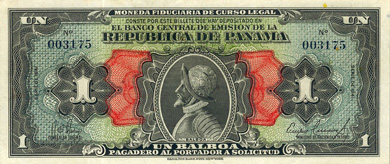
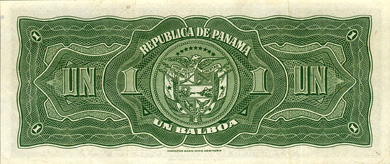
Budget & Public Finance
- Fiscal Year
- calendar year
- Public Debt (% of GDP)
- 73.2%
- External Debt
- $9,859,000,000 (USD)
- Investment (% of GDP)
- 17.8%
- Economic Aid
- $197,100,000 (USD)
- Current Account Balance
- -$559,000,000 (USD)
- Reserves of Foreign Exchange
- $981,000,000 (USD)
Labor, Industry & Trade
- Labor Force by Occupation
- agriculture 20.8%; industry 18%; services 61.2%
- Household Income — highest 10%
- 35.7%
- Industries
- construction, petroleum refining, brewing, cement and other construction materials, sugar milling
- Agriculture Products
- bananas, rice, corn, coffee, sugarcane, vegetables; livestock; shrimp
- Export Commodities
- bananas, shrimp, sugar, coffee, clothing
- Export Partners
- US 47.8%, Sweden 5.8%, Costa Rica 4.8%, Honduras 4.5%
- Import Commodities
- capital goods, crude oil, foodstuffs, consumer goods, chemicals
- Import Partners
- US 34.4%, Colombia 5.9%, Japan 5.4%, Costa Rica 4.2%, Venezuela 4.2%
Energy
- Oil Production
- 0 bbl/day
- Oil Consumption
- 106,000 bbl/day
- Oil Reserves
- 0 bbl/day
- Natural Gas Production
- 0 cu m
- Natural Gas Consumption
- 0 cu m
- Natural Gas Imports
- 0 cu m
- Natural Gas Exports
- 0 cu m
- Natural Gas Reserves
- 0 cu m
Communications
- Telephone System
- general assessment: domestic and international facilities well-developed domestic: mobile-cellular telephone subscribership has increased rapidly international: country code - 507; landing point for the Americas Region Caribbean Ring System (ARCOS-1), the MAYA-1, and PAN-AM submarine cable systems that together provide links to the US and parts of the Caribbean, Central America, and South America; satellite earth stations - 2 Intelsat (Atlantic Ocean); connected to the Central American Microwave System
- Internet Country Code
- .pa
News & Weather
News & Weather
Current Weather
Latest News
Panama Canal finds its water solution, but it's 5 years away - Reuters
Reuters · 1d ago
Shipping through Panama Canal faces new cuts as water dries up - Financial Times
Financial Times · 1d ago
First female administrator in the Panama Canal’s history takes the helm - AP News
AP News · 1d ago
The Panama Canal’s New Boss Inherits a Drought and a Bidding War for Transit Slots - WSJ
WSJ · 1d ago
New Panama Canal Chief Must Navigate Drought and Geopolitics - WSJ
WSJ · 4h ago
Panama Canal may cut ship traffic further as El Niño strengthens - Al Jazeera
Al Jazeera · 12h ago
In Panama’s Darién, Indigenous communities test a new way to fund conservation - news - Mongabay
news - Mongabay · 23h ago
Costa Rica Stops 4 Panama Gang Suspects at Border - The Tico Times
The Tico Times · 21h ago
News via Google News
Climate Overview
tropical maritime; hot, humid, cloudy; prolonged rainy season (May to January), short dry season (January to May)
Videos
Videos
1 curated YouTube videos.
Source: YouTube
Frequently Asked Questions
Frequently Asked Questions
What is the population of Panama?
How do people greet each other in Panama?
What are dining customs like in Panama?
What social etiquette should I know when visiting?
How should I dress in Panama?
What is family life like in Panama?
What do people do for fun in Panama?
What is the capital of Panama?
Where is Panama located?
What countries border Panama?
What is the main religion practiced in Panama?
What currency is used in Panama?
What language is spoken in Panama?
What is Panama known for?
What is the geography of Panama like?
Last reviewed 2026