
 English
 Español
 中文
中文 हिन्दी
 Français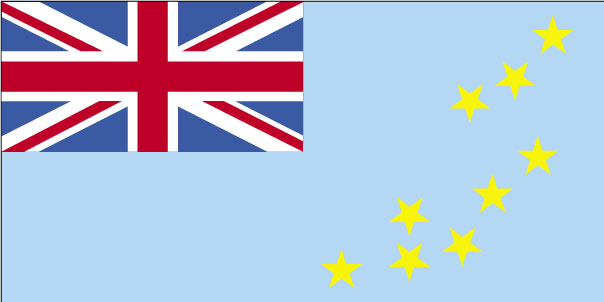
Tuvalu
Declare Your Relationship to Tuvalu
CountryReports Community
- Studying5
- From Tuvalu1
- Tuvalu heritage1
- Visited0
- Want to visit2
Customs and Culture
Customs and Culture
Cultural Attributes
Despite its small size, Tuvalu has a rich and unique culture that is shaped by its remote location and historical influences. In this article, we will explore some of the unique cultural attributes of Tuvalu.
One of the most distinctive features of Tuvaluan culture is its traditional music and dance. Music and dance are an integral part of Tuvaluan life, and many traditional songs and dances are still performed today. The most well-known dance is the fatele, which is performed to celebrate important events and occasions such as weddings, births, and funerals. The fatele is characterized by its slow, graceful movements, and is usually performed by groups of women in brightly colored dresses.
Another important aspect of Tuvaluan culture is art and craft. Tuvaluans are skilled in creating beautiful handicrafts, such as woven mats, baskets, and hats, as well as woodcarvings and traditional tattoos. These crafts are often made from natural materials such as pandanus leaves, coconut fiber, and shells, and are highly prized by both Tuvaluans and visitors alike.
Language is another important cultural attribute of Tuvalu. Tuvaluan is the main language spoken in the country, and it is a Polynesian language that is closely related to Samoan and Tongan. Despite the influence of English and other languages, Tuvaluan remains an important part of Tuvaluan identity, and efforts are being made to preserve and promote the language.
Food is also an important part of Tuvaluan culture. The Tuvaluan diet is based mainly on seafood, coconut, and breadfruit, with dishes such as pulaka (a type of root vegetable) also featuring prominently. Traditional cooking methods involve steaming or baking food in underground ovens, known as umu, which are heated with coconut husks and leaves.
Traditional clothing is another unique aspect of Tuvaluan culture. The traditional dress of Tuvalu is a skirt-like garment called a teuga, which is worn by both men and women. Women also wear a decorative headpiece called a kiekie, while men wear a woven band called a taupulega. These garments are often made from woven pandanus leaves and are decorated with intricate designs.

Island Nation of Eight, United as One
Social Customs & Etiquette
Greetings
Fakafetai: This is a general greeting that means "thank you" in Tuvaluan. It is often used as a way to express gratitude and appreciation towards someone.
Talofa: This is a common greeting that means "hello" or "greetings" in Tuvaluan. It is a respectful and formal way of greeting someone.
Tula: This is a more casual greeting that is often used among friends and family members. It means "hi" or "hello" in Tuvaluan.
Fakamolemole: This is a polite greeting that is used when asking for a favor or making a request. It is often accompanied by a bow or a gesture of respect.
Handshakes: Handshakes are a common way to greet people in Tuvalu, especially in formal settings or when meeting someone for the first time. It is important to grip firmly and maintain eye contact while shaking hands.
Hugs and kisses: Hugs and kisses are often used to greet close friends and family members in Tuvalu, especially among women.
Nose-to-nose greeting: This is a traditional Tuvaluan greeting called "te aloha" that involves touching noses with the other person. It is a sign of respect and friendship, and is often used among family members or close friends.
Personal Appearance
The traditional dress of Tuvalu is a skirt-like garment called a teuga, which is worn by both men and women. Women also wear a decorative headpiece called a kiekie, while men wear a woven band called a taupulega.

Family
Tuvaluan society is organized around the extended family, with the senior male of each family holding a position of respect and authority. This system is known as the falekaupule, and it is used to resolve disputes and make important decisions within the community.
Dating Customs
Dating practices in Tuvalu can vary depending on factors such as age, religion, and cultural background. However, in general, dating in Tuvalu tends to be more traditional and conservative compared to some Western cultures. Here are some common practices when it comes to dating in Tuvalu:
Courtship: In Tuvaluan culture, courtship is a traditional way of getting to know someone with the intention of marriage. It often involves the man asking permission from the woman's family to court her. During the courtship period, the couple may spend time together in public places, such as going to church or community events, and getting to know each other's families.
Group dating: Group dating is a common practice in Tuvalu, especially among young people. It involves going out with a group of friends, and can help to ease any potential awkwardness or nervousness that may come with one-on-one dating.
Chaperones: Chaperones, typically a family member or close friend, may be present during dates to ensure that the couple behaves in a respectful manner and to provide a sense of security.
Respectful behavior: In Tuvalu, it is important for both men and women to behave in a respectful and modest way while dating. This includes dressing modestly, avoiding public displays of affection, and refraining from drinking alcohol.
Religious influence: Religion, specifically Christianity, plays a significant role in Tuvaluan dating practices. Many couples choose to involve their church and religious leaders in their dating and marriage plans.
It is worth noting that some Tuvaluan families may still practice arranged marriages, though this is becoming less common as younger generations adopt more modern dating practices.
Recreation
Fishing: Fishing is a popular pastime in Tuvalu, and many people fish for food as well as for sport. Some of the most commonly caught fish in Tuvalu include tuna, barracuda, and trevally.
Dancing: Dancing is an important part of Tuvaluan culture, and many people in Tuvalu participate in traditional dance performances. These dances often involve intricate footwork and movements that tell stories about the country's history and mythology.
Playing sports: Football (soccer) and volleyball are two of the most popular sports in Tuvalu. The country has a national football team, which has competed in international competitions like the Pacific Games.
Swimming and snorkeling: Tuvalu is surrounded by clear, warm waters that are perfect for swimming and snorkeling. Many people in Tuvalu enjoy swimming in the ocean, and there are also opportunities to snorkel and explore the coral reefs.
Playing music: Music is an important part of Tuvaluan culture, and many people in Tuvalu play musical instruments like the ukulele and guitar. There are also opportunities to join local music groups and perform at cultural events.
Celebrating festivals and holidays: Tuvalu has a number of festivals and holidays throughout the year, and many people in the country participate in these celebrations. These events often involve dancing, singing, and feasting, and they are a great way to connect with the local community.
Walking and hiking: Tuvalu is a small country with a low-lying terrain, so there are limited opportunities for hiking. However, people in Tuvalu do enjoy walking and exploring the islands, and there are some trails and paths that offer scenic views of the ocean and the surrounding landscape.
Holidays
Independence Day
10/1Independence Day
Dates of Interest
- April 12th
National Youth Day is celebrated in Tuvalu on April 12th each year. The day is marked by cultural events and sports competitions, and it is a time for young people to showcase their talents and skills.
How do people greet each other in Tuvalu?
Greetings range from formal handshakes to the traditional nose-to-nose greeting, with common Tuvaluan phrases like "Talofa" (hello) and "Fakafetai" (thank you).
Do
- Say "Talofa" for a respectful, formal hello
- Grip firmly and maintain eye contact when shaking hands
- Use "Tula" as a casual hi among friends and family
- Use "Fakamolemole" politely when asking a favor
Good to know
- The traditional "te aloha" greeting involves touching noses as a sign of respect and friendship
- Hugs and kisses are common among close friends and family, especially among women
What is the food like in Tuvalu?
The Tuvaluan diet centers on seafood, coconut, and breadfruit, with root vegetables like pulaka featuring prominently.
Good to know
- Traditional food is steamed or baked in underground ovens called umu, heated with coconut husks and leaves
What should I wear in Tuvalu?
Traditional dress is a skirt-like garment called a teuga, worn by both men and women.
Good to know
- Women also wear a decorative headpiece called a kiekie
- Men wear a woven band called a taupulega
- Garments are often made from woven pandanus leaves with intricate designs
How is family life structured in Tuvalu?
Tuvaluan society is organized around the extended family, with the senior male of each family holding respect and authority.
Don’t
- Avoid public displays of affection while dating
- Refrain from drinking alcohol while dating
Good to know
- The falekaupule system is used to resolve disputes and make community decisions
- Dating tends to be traditional and conservative, often involving courtship with family permission
- Chaperones and group dating are common, and Christianity plays a significant role
What do people do for fun in Tuvalu?
Popular activities include fishing, traditional dancing, football and volleyball, swimming, snorkeling, playing music, and celebrating festivals.
Good to know
- Commonly caught fish include tuna, barracuda, and trevally
- Clear warm waters are ideal for swimming and snorkeling coral reefs
- Many people play ukulele and guitar and join local music groups
- Hiking is limited due to the low-lying terrain, but walking the islands offers scenic ocean views
Last updated: 2026-07-12 · Sources: CountryReports
Photos of Tuvalu
Photos of Tuvalu


Travel and Tourism
Travel and Tourism
- Travel Alert Status
- Level 3: Reconsider Travel
- Currency
- Australian dollar (AUD); note - there is also a Tuvaluan dollar
- Time Difference
- UTC+12 (17 hours ahead of Washington, DC, during Standard Time)
- Airports
- 1
Read the full travel guide — health, safety, vaccinations, disease risk, sanitation, and transit details.
View full travel guideHistory
History
Historical Eras
Polynesian Settlement
1000 – 1568
Tuvalu's nine atolls were settled by Polynesian voyagers, with oral traditions and linguistic evidence pointing to migration from Samoa and neighboring island groups. Communities developed distinct clan structures, subsistence fishing, and reef agriculture adapted to the low-lying coral environment. This era represents centuries of isolated Polynesian culture before any documented European contact.
Early European Contact
1568 – 1892
Spanish navigator Álvaro de Mendaña became the first European to sight the islands in 1568, though sustained outside contact remained sporadic for centuries. American captain De Peyster renamed the central atoll Ellice's Island in 1819, and the U.S. Exploring Expedition under Charles Wilkes visited in 1841. The era turned violent in 1863 when Peruvian blackbirders kidnapped hundreds of islanders into brutal forced labor in guano mines.
British Protectorate
1892 – 1916
Britain formally declared a protectorate over the Ellice Islands alongside the Gilbert Islands in 1892, bringing the atolls into the expanding British Pacific sphere. Colonial administration imposed new governance structures while Christian missionary influence, already significant, deepened throughout island society. The protectorate arrangement reflected broader late-19th-century European partitioning of the Pacific.
Colonial Era
1916 – 1975
The Ellice and Gilbert Islands were merged into a single Crown Colony in 1916, administering two ethnically distinct peoples—Polynesians and Micronesians—under one colonial framework. During World War II, American forces built strategic airbases on Funafuti, Nanumea, and Nukufetau beginning in 1942, leaving lasting infrastructure still in use today. Growing ethnic tensions led Ellice Islanders to vote overwhelmingly in 1974 for separation from the Gilbertese, resulting in the distinct colony of Tuvalu in 1975.
Independence & Modern State
1975 – present
Tuvalu achieved full independence on October 1, 1978, becoming one of the world's smallest sovereign nations by both area and population. A 1979 friendship treaty with the United States resolved longstanding territorial disputes over four contested atolls. In 2000 Tuvalu joined the United Nations and secured a landmark $50 million licensing deal for its coveted ".tv" internet domain, transforming the domain into a critical revenue stream for the microstate.
Overview
Eventually, the islands came under Britain’s sphere of influence as the Pacific was divided up in the late 19th century. The Ellice Islands were administered by Britain as part of a protectorate (1892-1916) and as part of the Gilbert and Ellice Islands Colony (1916-74).
During World War II, several thousand American troops were in the islands. Beginning in October 1942, U.S. forces built airbases on the islands of Funafuti, Nanumea, and Nukufetau. Friendly cooperation was the hallmark of relations between the local people and the troops, mainly U.S. Marines and U.S. Navy SeaBees. The airstrip in the capital of Funafuti, originally built by the U.S. during the war, is still in use, as is the "American Passage" that was blasted through Nanumea’s reef by SeaBees assisted by local divers.
In 1974 the Ellice Islanders voted for separate British dependency status as Tuvalu, separating from the Gilbert Islands which became Kiribati upon independence. Tuvalu became fully independent in 1978 and in 1979 signed a treaty of friendship with the United States, which recognized Tuvalu’s possession of four small islands formerly claimed by the United States.
Timeline of Key Events
1568
Spanish navigator Alvaro de Mendana de Neira visited the islands.
Spanish navigator Alvaro de Mendana de Neira visited the islands.
1863
Hundreds of islanders were abducted, forced to work in Guano harvesting in Peru.
Hundreds of islanders were abducted, forced to work in Guano harvesting in Peru.
1892
Britain declares a joint protectorate over the Ellice Islands and the Gilbert Islands.
Britain declares a joint protectorate over the Ellice Islands and the Gilbert Islands.
1916
Gilbert, Ellice Islands protectorates merged into Gilbert and Ellice Island Colony.
Gilbert, Ellice Islands protectorates merged into Gilbert and Ellice Island Colony.
1942 – 1943
Japanese occupation.
Japanese occupation.
1978
Ellice Islands declared independence, renamd Tuvalu.
Ellice Islands declared independence, renamd Tuvalu.
2000
Admitted to the United Nations.
Admitted to the United Nations.
Read the full history profile — narrative overview, defining eras, and the complete timeline in one place.
View expanded historyInteresting Facts
Interesting Facts
The name "Tuvalu" refers to the country's eight traditionally inhabited islands ("eight standing together") although there are nine islands in the country.
See every fact — trivia, oddities, and curious tidbits gathered from across the country.
View all interesting factsGeography and Environment
Geography and Environment
- Terrain
- very low-lying and narrow coral atolls
- Climate
- tropical; moderated by easterly trade winds (March to November); westerly gales and heavy rain (November to March)
- Natural Hazards
- severe tropical storms are usually rare, but, in 1997, there were three cyclones; low level of islands make them very sensitive to changes in sea level
- Current Environmental Issues
- since there are no streams or rivers and groundwater is not potable, most water needs must be met by catchment systems with storage facilities (the Japanese Government has built one desalination plant and plans to build one other); beachhead erosion because of the use of sand for building materials; excessive clearance of forest undergrowth for use as fuel; damage to coral reefs from the spread of the Crown of Thorns starfish; Tuvalu is very concerned about global increases in greenhouse gas emissions and their effect on rising sea levels, which threaten the country's underground water table; in 2000, the government appealed to Australia and New Zealand to take in Tuvaluans if rising sea levels should make evacuation necessary
Read the full geography and environment profile — terrain, climate, natural resources, hazards, land use, and international agreements.
View full geographyPeople & Demographics
People & Demographics
Religion
Languages Spoken
Tuvaluan, English, Samoan, Kiribati (on the island of Nui)
- Kiribati
- Samoan
Population
- Population
- 11,792
- Population in Major Urban Areas
- FUNAFUTI (capital) 5,000
- Nationality Noun
- Tuvaluan(s)
- Ethnic Groups
- Polynesian 96%, Micronesian 4%
Education
- Literacy Definition
- NA%
Life Expectancy
- Life Expectancy at Birth
- Life expectancy at birth in Tuvalu stands at approximately 68 to 70 years overall, with women generally outliving men by several years. Female life expectancy is estimated at around 71 to 73 years, while male life expectancy lags behind at roughly 66 to 68 years. These figures reflect a modest but steady improvement over the past few decades, driven by gradual advances in healthcare access and public health initiatives across the island nation. As one of the world's smallest and most isolated countries, Tuvalu faces unique challenges in maintaining and improving population health outcomes. The country's remote location in the central Pacific Ocean makes it difficult and costly to access specialized medical care, which is often unavailable locally. Patients requiring complex treatment are frequently referred to Fiji or other regional health centers, creating both financial burdens and delays in care. Non-communicable diseases represent a growing and serious concern for Tuvalu's population and are increasingly influencing life expectancy trends. Conditions such as cardiovascular disease, type 2 diabetes, and hypertension have become more prevalent in recent years, partly linked to dietary shifts away from traditional foods toward imported, processed products. These lifestyle-related health challenges place significant pressure on an already limited healthcare infrastructure. Infectious diseases, while better controlled than in previous generations, still pose a risk given the country's vulnerability to climate-related disruptions. Tuvalu sits only a few meters above sea level, making it highly susceptible to storm surges, flooding, and saltwater intrusion — events that can contaminate freshwater supplies and contribute to disease outbreaks, indirectly affecting population health and longevity. The compounding effects of climate change are considered one of the most serious long-term threats to public health outcomes in the country. Despite these obstacles, international development partnerships and regional health programs have helped expand access to maternal and child health services, immunizations, and basic primary care. Infant mortality has declined over time, contributing to the gradual upward trend in overall life expectancy. Continued investment in healthcare infrastructure, disease prevention, and climate resilience will be critical factors in determining whether life expectancy in Tuvalu continues to improve in the coming decades.
- Infant Mortality Rate
- Tuvalu, a small Pacific island nation composed of nine coral atolls, faces notable public health challenges that are reflected in its infant mortality statistics. The country's infant mortality rate stands at approximately 20 to 25 deaths per 1,000 live births, a figure that, while improved over recent decades, remains higher than rates seen in most developed nations and some neighboring Pacific island countries. Several factors contribute to infant mortality in Tuvalu. Geographic isolation is among the most significant, as the nation's remote location in the central Pacific Ocean makes access to advanced medical equipment, specialist care, and consistent pharmaceutical supplies extremely difficult. The main hospital, located on the capital atoll of Funafuti, provides the bulk of the country's formal healthcare services, but its capacity and resources are limited. Serious or complicated births may require medical evacuation to Fiji or other regional centers, which carries both logistical and financial burdens. Neonatal conditions — those affecting newborns in the first 28 days of life — account for a substantial share of infant deaths. These include complications related to premature birth, low birth weight, and infections. Diarrheal diseases and acute respiratory infections also contribute to infant deaths in the post-neonatal period, partly due to challenges with access to clean water and sanitation in some parts of the island group. Tuvalu's government, with support from international organizations including UNICEF and the World Health Organization, has worked to improve maternal and child health outcomes. Efforts have included expanding antenatal care coverage, promoting skilled birth attendance, and improving immunization rates. Childhood vaccination coverage for diseases such as measles, diphtheria, and pertussis has reached relatively high levels as a result of these programs. Despite these improvements, climate change poses an emerging threat to the health of Tuvalu's youngest residents. Rising sea levels and increased storm surges risk contaminating freshwater sources, which could undermine sanitation conditions and increase disease burden for vulnerable infant populations in the years ahead.
Read the full people and society profile — demographics, health, education, religion, languages, and notable people.
View full people and societyGovernment & Politics
Government & Politics
Country Identity
- Country Name
- Tuvalu
- Former Name
- Ellice Islands
Government Structure
- Government Type
- constitutional monarchy with a parliamentary democracy; began debating republic status in 1992
- Legal System
- NA
- Executive Branch
- chief of state: King CHARLES III (since 8 September 2022), represented by Governor General Tofiga Falani IKUPA (since 29 August 2021) head of government: Prime Minister Feleti Penitala TEO (since 27 February 2024) cabinet: Cabinet appointed by the governor general on the recommendation of the prime minister elections: the monarch is hereditary; governor general appointed by the monarch on the recommendation of the prime minister; prime minister and deputy prime minister elected by and from the members of Parliament following parliamentary elections election results: Kausea NATANO served as prime minister from 2019 until losing a no-confidence vote in October 2023; Feleti Penitala TEO was subsequently elected by Parliament and sworn in as prime minister on 27 February 2024, becoming the first prime minister in Tuvaluan history to be an appointed public servant rather than an elected member of Parliament
- Legislative Branch
- Unicameral Parliament or Fale I Fono (16 seats; members elected by popular vote to serve four-year terms) Elections: last held on 26 January 2024 (next to be held in 2028) Election results: percent of vote - NA%; seats - independents 16
- Judicial Branch
- High Court (a chief justice visits twice a year to preside over its sessions; its rulings can be appealed to the Court of Appeal in Fiji); eight Island Courts (with limited jurisdiction)
- Suffrage
- 18 years of age; universal
- Constitution
- 1-Oct-78
- Independence
- 1 October 1978 (from UK)
- National Holiday
- Independence Day, 1 October (1978)
Capital City
- Capital Name
- Funafuti; note - the capital is an atoll of some 29 islets; administrative offices are in Vaiaku Village on Fongafale Islet
- Capital - geographic coordinate
- 8 31 S, 179 13 E
- Capital Time Difference
- UTC+12 (17 hours ahead of Washington, DC, during Standard Time)
the atoll is named after a founding ancestor chief, Funa, from the island of Samoa
Military
Branches: no regular military forces; Tuvalu Police Force
Embassy / Diplomatic Mission
There is no U.S. Embassy or diplomatic post in Tuvalu. The U.S. Embassy in Fiji provides assistance for U.S. citizens in Tuvalu.
U.S. Embassy Suva
158 Princes Road,Suva, Fiji
(679) 331-4466
Emergency after-hours telephone: (679) 772-8049
Facsimile: (679) 330-2267
Read the full government profile — flag symbolism, national anthem, and other national symbols.
View full government detailsEconomy
Economy
Tuvalu consists of a densely populated, scattered group of nine coral atolls with poor soil and limited natural resources. The country has no known mineral resources and exports very few goods, with copra and handicrafts among the modest items sold abroad. Subsistence farming and fishing remain primary economic activities for much of the population. Tourism is minimal, with only a few thousand visitors arriving each year, constrained by Tuvalu's remote location and limited transport links.
Government revenues come from a mix of sources, including fishing license fees, worker remittances, the sale of stamps and coins, and leasing of its ".tv" internet domain name. Revenue from the ".tv" domain has become one of the country's most significant income streams, contributing several million dollars annually to the national budget. Fishing license fees, particularly those generated through the Parties to the Nauru Agreement and a longstanding treaty with the United States, also provide substantial income.
A key source of long-term financial stability is the Tuvalu Trust Fund, established in 1987 by Australia, New Zealand, and the United Kingdom, with additional contributions from Japan, South Korea, and Tuvalu itself. Through prudent investment and conservative withdrawals, the Fund has grown from an initial value of about US$27 million to well over US$190 million, providing reliable supplementary income to the government budget.
Remittances from Tuvaluans working abroad, particularly seafarers employed on foreign merchant vessels and seasonal workers in Australia and New Zealand, continue to be an important contributor to household incomes. The historical employment of Tuvaluans in Nauru's phosphate industry has largely ended due to the depletion of phosphate reserves.
The government has pursued public sector reforms aimed at reducing dependence on foreign aid, including privatization of some state functions and efforts to strengthen private sector activity. However, with merchandise imports vastly exceeding exports, Tuvalu remains heavily reliant on fishing license fees, domain leasing revenue, remittances, official development assistance, and investment income from the Trust Fund. Climate change and rising sea levels pose existential threats to the country and remain central concerns in its economic and development planning.
Snapshot
- Currency Name and Code
- Austrlian Dollar (AUD)
- GDP Real Growth Rate
- 3%
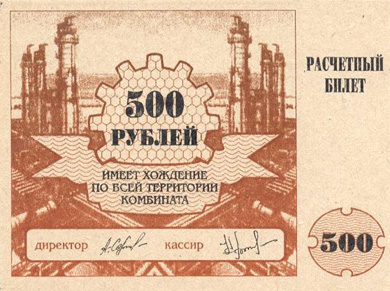
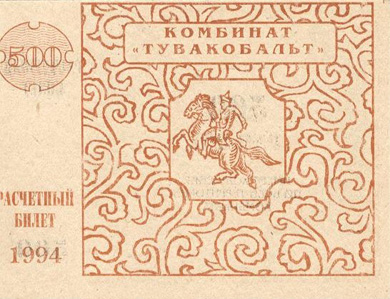
Banknotes
Budget & Public Finance
- Fiscal Year
- calendar year
Labor, Industry & Trade
- Labor Force by Occupation
- people make a living mainly through exploitation of the sea; reefs; and atolls and from wages sent home by those abroad (mostly workers in the phosphate industry and sailors)
- Industries
- fishing, tourism, copra
- Agriculture Products
- coconuts; fish
- Export Commodities
- copra, fish
- Export Partners
- UK 49.4%, Italy 16.7%, France 9.6%, Fiji 8.3%, Sudan 5.1%
- Import Commodities
- food, animals, mineral fuels, machinery, manufactured goods
- Import Partners
- Japan 54.2%, Fiji 18%, Australia 13.6%, New Zealand 5.2%, Germany 4.3%
Energy
- Oil Production
- 0 bbl/day
- Oil Consumption
- 500 bbl/day
- Oil Reserves
- 0 bbl/day
- Natural Gas Production
- 0 cu m
- Natural Gas Consumption
- 0 cu m
- Natural Gas Imports
- 0 cu m
- Natural Gas Exports
- 0 cu m
- Natural Gas Reserves
- 0 cu m
Communications
- Telephone System
- general assessment: serves particular needs for internal communications domestic: radiotelephone communications between islands international: country code - 688; international calls can be made by satellite
- Internet Country Code
- .tv
News & Weather
News & Weather
Current Weather
Latest News
How Tuvalu is using digital technology to save itself from rising seas - The World Economic Forum
The World Economic Forum · 5d ago
Call for Proposals: GEF Small Grants Programme (Tonga, Tuvalu) - fundsforNGOs
fundsforNGOs · 1d ago
Taiwan deserves 'seat at the table' in international community: Tuvalu FM - Focus Taiwan
Focus Taiwan · 5d ago
The Island Nation That's Slowly Disappearing—and Recreating Itself in the Metaverse - Mental Floss
Mental Floss · 5d ago
After years of invasive rats threatening island wildlife, Tuvalu removed them from six islets; residents - The Times of India
The Times of India · 26d ago
Divers trace 11 tonnes of WW2 munitions in Tuvalu - Divernet
Divernet · 63d ago
Chinese Longliner Arrested in Tuvalu Over Suspected Illegal Fishing Activity - Sea Shepherd Global
Sea Shepherd Global · 73d ago
Tuvalu - Health Country Profile - Our World in Data
Our World in Data · 149d ago
News via Google News
Videos
Videos
1 curated YouTube videos.
Source: YouTube
Frequently Asked Questions
Frequently Asked Questions
What is the population of Tuvalu?
What is the capital of Tuvalu?
Where is Tuvalu located?
What ocean surrounds Tuvalu?
What religion is practiced in Tuvalu?
What currency does Tuvalu use?
What languages are spoken in Tuvalu?
What is Tuvalu known for?
Last reviewed 2026