
 English
 Español
 中文
中文 हिन्दी
 Français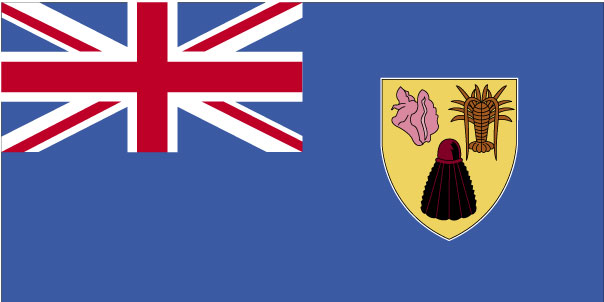
Turks and Caicos Islands
Declare Your Relationship to Turks and Caicos Islands
CountryReports Community
- Studying1
- From Turks and Caicos Islands1
- Turks and Caicos Islands heritage0
- Visited0
- Want to visit1
Quick Look Factsheet
A multi-page overview of Turks and Caicos Islands.
Turks and Caicos Islands FactsheetCustoms and Culture
Customs and Culture
Cultural Attributes
One of the most notable cultural attributes of the Turks and Caicos Islands is their music. The islands have their own unique style of music called "Ripsaw Music." This music is characterized by the use of a saw blade as a percussion instrument, which is scraped back and forth with a stick or metal rod. The resulting sound is a mix of percussion and melody, which is often accompanied by the traditional heel-and-toe dance. Ripsaw Music is a vital part of the culture in the Turks and Caicos Islands, and many local musicians and bands continue to perform and promote this unique musical style.
Another important aspect of the culture in the Turks and Caicos Islands is food. The cuisine of the islands is a blend of African, European, and Caribbean influences, with seafood being a staple ingredient. Conch is a local delicacy and is prepared in many different ways, including as conch fritters, conch salad, and grilled conch. Other local specialties include jerk chicken, fried plantains, and saltfish. The food in the Turks and Caicos Islands is a reflection of the island's history and the diverse influences that have shaped the culture.
Language is also an important part of the culture in the Turks and Caicos Islands. The official language is English, but many residents also speak a Creole language called "Turks and Caicos Islands Creole." This language is a mix of African, English, and other Caribbean languages and is a reflection of the diverse cultural influences that have shaped the islands.
Sports are another important aspect of the culture in the Turks and Caicos Islands. The islands are known for their love of cricket and soccer, and many residents also enjoy sailing and other water sports. The islands have hosted several international cricket matches, and the national cricket team has achieved success on the regional and international levels.

Shores of Eternal Turquoise
Get More Customs and Culture
3 more cultural topics for members
Social Customs & Etiquette · Dating Customs · Recreation
Holidays
Constitution Day
8/30Independence
Dates of Interest
- First Saturday in December
This festival event takes place on the first Saturday in December and sees decorated boats sailing through the harbor in Providenciales. The parade is accompanied by live music and a fireworks display.
What should I wear in the Turks and Caicos Islands?
Dress is typically casual and relaxed due to the tropical climate and beach lifestyle, though this is a conservative society and modest dress is expected in public places like churches and government buildings.
Do
- Wear lightweight, comfortable clothing like shorts, t-shirts, tank tops, sundresses, and sandals
- Dress modestly when visiting churches and government buildings
- Wear sturdy footwear and breathable clothing for hiking or nature trails
- Bring appropriate swimwear and protective gear like wetsuits and rash guards for water sports
Don’t
- Don't wear revealing clothing such as short shorts, crop tops, and low-cut tops in public places
Good to know
- Some restaurants and resorts require more formal attire such as collared shirts, dresses, and closed-toe shoes
- Check with the establishment beforehand about dress codes
What can I do for fun in the Turks and Caicos Islands?
Most recreation revolves around water sports and beach activities, with world-class snorkeling, diving, fishing, and golfing available.
Do
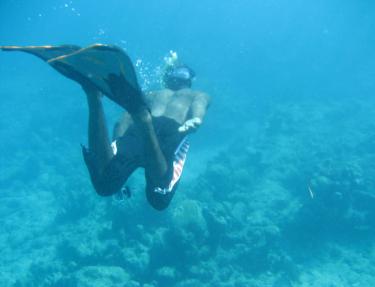
- Explore coral reefs by snorkeling or scuba diving with local dive companies
- Enjoy beach activities like swimming, beachcombing, beach volleyball, kiteboarding, kayaking, and paddleboarding
- Book a fishing charter to catch bonefish, tarpon, and marlin
- Take island tours including historical landmarks, nature reserves, guided hikes, bike tours, and jeep safaris
Good to know
- Try the world-class golf courses set amid tropical scenery
- Relax with spa treatments offered by many resorts and spas
What should I know about local culture before visiting the Turks and Caicos Islands?
The islands have a distinctive culture centered on Ripsaw Music, diverse Caribbean cuisine, English and a local Creole language, and a love of cricket and soccer.
Do
- Experience Ripsaw Music, played with a scraped saw blade and accompanied by the heel-and-toe dance
- Try local specialties like conch fritters, conch salad, grilled conch, jerk chicken, fried plantains, and saltfish
- Catch a cricket or soccer match, both popular on the islands
Good to know
- The official language is English, but many residents also speak Turks and Caicos Islands Creole
- The cuisine blends African, European, and Caribbean influences, with seafood as a staple
Last updated: 2026-07-12 · Sources: CountryReports
Photos of Turks and Caicos Islands
Photos of Turks and Caicos Islands


Travel and Tourism
Travel and Tourism
- Travel Alert Status
- Level 2: Exercise Increased Caution
- Currency
- US dollar (USD)
- Time Difference
- UTC-5 (same time as Washington, DC, during Standard Time)
- Climate
- tropical; marine; moderated by trade winds; sunny and relatively dry
- Airports
- 8
Read the full travel guide — health, safety, vaccinations, disease risk, sanitation, and transit details.
View full travel guideHistory
History
Historical Eras
Taino & Early Contact
750 – 1678
Taino Indians seasonally visited the islands from around 750 CE, using them as fishing grounds. Christopher Columbus is locally claimed to have made his first New World landfall at Grand Turk in 1492, followed by Juan Ponce de León in 1512. For much of the 16th and 17th centuries the islands remained largely uninhabited, though they were contested periodically by Spanish, French, and British forces.
Bermudian Settlement & Salt Era
1678 – 1799
Bermudian settlers arrived in 1678 to exploit the islands' natural salt pans and timber, establishing the first permanent economic activity. Control of the islands shifted repeatedly between Britain, France, and Spain — the French seizing Grand Turk in 1706 and again in 1783 before British authority was firmly asserted. Britain formally claimed ownership in 1764, and the salt trade became the dominant industry throughout this period.
Loyalist & Plantation Period
1799 – 1848
The islands were formally incorporated into the Bahamas in 1799, shortly after American Loyalists fleeing the Revolution established cotton plantations worked by enslaved Africans. The cotton economy collapsed by 1820 due to soil exhaustion and pests, causing most planters to depart. The 1812 Anglo-American War disrupted trade and caused famine, while a devastating 1813 hurricane drove further emigration; slavery was abolished throughout British colonies in 1834.
Jamaican Dependency
1848 – 1962
In 1848 islanders successfully petitioned for separate colonial status with an elected Legislative Board, though by 1874 the islands were formally annexed as a dependency of Jamaica. The salt trade remained the economic backbone but was repeatedly disrupted, notably during the American Civil War (1860–1865). The illegal slave ship Trouvadore wrecked off East Caicos in 1841, and the descendants of its rescued captives became a significant part of the islands' population.
Crown Colony Status
1962 – 1973
When Jamaica gained independence in 1962, the Turks and Caicos Islands assumed the status of a separate Crown Colony administered by a British-appointed Administrator. From 1965 to 1973, the Governor of the Bahamas concurrently oversaw the territory, reflecting its continued administrative dependence on neighboring British colonies. The islands' distinct constitutional path was reinforced when the Bahamas became independent in 1973 and TCI received its own Governor.
British Overseas Territory
1973 – present
Granted their own Governor in 1973, the Turks and Caicos Islands moved toward agreed independence in 1982, but the policy was reversed and the islands remained a British Overseas Territory. The late 20th century saw tourism and offshore financial services replace salt as the economic pillars, driving significant population growth. Periodic political crises, including the suspension of the constitution and direct British rule from 2009 to 2012, have marked ongoing tensions between local governance and colonial oversight.
Overview
Juan Ponce De Leon first discovered these uninhabited islands in
Timeline of Key Events
750
Taino Indians visit the Islands seasonally.
Taino Indians visit the Islands seasonally. The Tainos are said to be the earliest inhabitants of the Islands and were eventually replaced by the Lucayans.
1492
Christopher Columbus lands at Guanahani Beach, Grand Turk.
Christopher Columbus lands at Guanahani Beach, Grand Turk. He finds a settlement of Lucayan Indians. He anchors off the west end of Provo at Malcolm Roads and briefly explores.
1512
Juan Ponce de Leon stops in Grand Turk on his discovery voyage to Florida.
Juan Ponce de Leon stops in Grand Turk on his discovery voyage to Florida. He christens the island “Isla del Viejo”, referring to the lone, aged Lucayan man he sees there.
1530 – 1720
Turks and Caicos Islands are largely uninhabited.
Turks and Caicos Islands are largely uninhabited, except for possible use as hiding places for buccaneers and pirates.
1706
Turks Islands captured by the French and Spanish.
Turks Islands captured by the French and Spanish.
1710
Turks Islands recaptured by Bermuda.
Turks Islands recaptured by Bermuda.
1764
Britain claims ownership of the Islands.
Britain claims ownership of the Islands.
Read the full history profile — narrative overview, defining eras, and the complete timeline in one place.
View expanded historyInteresting Facts
Interesting Facts
The islands were part of the UK's Jamaican colony until 1962, when they assumed the status of a separate crown colony upon Jamaica's independence.
The popular story is the name Turks being derived after the indigenous Turk’s Head "fez" cactus and the name Caicos, a Lucayan term "caya hico," meaning string of islands. A more romantic, origin of the name is a reflection of the Islands’ pirate history, when 17th and 18th century pirates used the islands as hideouts and preyed upon the passing Spanish treasure ships bound for Europe. The term "Turk" for a pirate stemmed two centuries earlier when the Ottoman Empire dominated the Mediterranean and Turkish corsairs harried European Atlantic shipping, thus translated "Turks" Islands becomes "Pirate" Islands!
See every fact — trivia, oddities, and curious tidbits gathered from across the country.
View all interesting factsGeography and Environment
Geography and Environment
- Terrain
- low, flat limestone; extensive marshes and mangrove swamps
- Climate
- tropical; marine; moderated by trade winds; sunny and relatively dry
- Natural Hazards
- frequent hurricanes
- Current Environmental Issues
- limited natural fresh water resources, private cisterns collect rainwater
Read the full geography and environment profile — terrain, climate, natural resources, hazards, land use, and international agreements.
View full geographyPeople & Demographics
People & Demographics
Religion
Languages Spoken
English (official)
- English
Population
- Population
- 44,819
- Population in Major Urban Areas
- GRAND TURK (capital) 7,000
- Nationality Noun
- none
- Ethnic Groups
- black 90%, mixed, European, or North American 10%
Education
- Literacy Definition
- age 15 and over has ever attended school
Health Information
- Life Expectancy at Birth
- Life expectancy at birth in the Turks and Caicos Islands sits well above the global average, reflecting the territory's relatively high standard of living, access to healthcare, and stable socioeconomic conditions. Current estimates place overall life expectancy at approximately 77 to 78 years, with women generally outliving men by several years — female life expectancy typically reaching around 80 years, while males average closer to 75 years. These figures are consistent with broader trends seen across Caribbean territories that benefit from strong ties to wealthier nations. As a British Overseas Territory, the Turks and Caicos Islands has access to international health standards and governance frameworks that support public health infrastructure. The territory's main healthcare facility, Cheshire Hall Medical Centre in Providenciales, provides essential services to residents, and serious or complex medical cases are often referred to facilities in the United States or the United Kingdom. Several factors contribute positively to life expectancy in the islands. The territory enjoys a warm, tropical climate year-round, and the population — estimated at around 45,000 to 57,000 people — is small enough for public health efforts to be relatively well targeted. Tourism-driven economic growth over recent decades has raised average incomes and improved access to clean water, sanitation, and nutritious food options. At the same time, challenges common to small island communities persist. Non-communicable diseases such as hypertension, diabetes, and cardiovascular conditions are significant health concerns among the local population, as they are throughout much of the Caribbean region. Limited availability of specialized medical care on-island means that some residents face barriers to timely treatment for more complex conditions. Overall, the life expectancy figures for the Turks and Caicos Islands reflect a community that has made meaningful progress in health outcomes, driven by economic development and external support structures, while continuing to navigate the inherent limitations of a small, geographically isolated island territory.
- Infant Mortality Rate
- The infant mortality rate in the Turks and Caicos Islands is remarkably low by regional and global standards, reflecting the territory's relatively developed healthcare infrastructure and higher-than-average income levels compared to many Caribbean neighbors. Current estimates place the infant mortality rate at approximately 7 to 9 deaths per 1,000 live births, a figure that compares favorably with the broader Latin America and Caribbean regional average, which hovers closer to 15 per 1,000 live births. As a British Overseas Territory, the Turks and Caicos Islands benefits from administrative and technical support that bolsters public health systems. The territory operates primary healthcare clinics across its inhabited islands, with more advanced medical services available at Cheshire Hall Medical Centre on Providenciales. For complex or critical cases, patients are often referred to facilities in the United States or the United Kingdom, which helps reduce preventable infant deaths that might otherwise result from limited local specialist capacity. Several factors contribute to the territory's relatively favorable infant mortality outcomes. Access to prenatal care is reasonably widespread, particularly on Providenciales, the most populous island. Immunization programs aligned with international health standards help protect newborns and young infants from vaccine-preventable diseases. Clean water access and improved sanitation across most of the populated islands further reduce the risk of infectious diseases that are leading causes of infant death in lower-income nations. Challenges do remain, particularly on the outer, less-developed islands where access to healthcare services can be inconsistent. Migrant worker communities, which form a significant portion of the population, may face barriers to accessing regular prenatal and postnatal care, potentially elevating risk for those groups. Overall, the trajectory of infant mortality in the Turks and Caicos Islands has followed a positive downward trend over recent decades, consistent with improvements in living standards, healthcare delivery, and maternal health awareness across the territory.
Life Expectancy
- Life Expectancy at Birth
- Life expectancy at birth in the Turks and Caicos Islands sits well above the global average, reflecting the territory's relatively high standard of living, access to healthcare, and stable socioeconomic conditions. Current estimates place overall life expectancy at approximately 77 to 78 years, with women generally outliving men by several years — female life expectancy typically reaching around 80 years, while males average closer to 75 years. These figures are consistent with broader trends seen across Caribbean territories that benefit from strong ties to wealthier nations. As a British Overseas Territory, the Turks and Caicos Islands has access to international health standards and governance frameworks that support public health infrastructure. The territory's main healthcare facility, Cheshire Hall Medical Centre in Providenciales, provides essential services to residents, and serious or complex medical cases are often referred to facilities in the United States or the United Kingdom. Several factors contribute positively to life expectancy in the islands. The territory enjoys a warm, tropical climate year-round, and the population — estimated at around 45,000 to 57,000 people — is small enough for public health efforts to be relatively well targeted. Tourism-driven economic growth over recent decades has raised average incomes and improved access to clean water, sanitation, and nutritious food options. At the same time, challenges common to small island communities persist. Non-communicable diseases such as hypertension, diabetes, and cardiovascular conditions are significant health concerns among the local population, as they are throughout much of the Caribbean region. Limited availability of specialized medical care on-island means that some residents face barriers to timely treatment for more complex conditions. Overall, the life expectancy figures for the Turks and Caicos Islands reflect a community that has made meaningful progress in health outcomes, driven by economic development and external support structures, while continuing to navigate the inherent limitations of a small, geographically isolated island territory.
- Infant Mortality Rate
- The infant mortality rate in the Turks and Caicos Islands is remarkably low by regional and global standards, reflecting the territory's relatively developed healthcare infrastructure and higher-than-average income levels compared to many Caribbean neighbors. Current estimates place the infant mortality rate at approximately 7 to 9 deaths per 1,000 live births, a figure that compares favorably with the broader Latin America and Caribbean regional average, which hovers closer to 15 per 1,000 live births. As a British Overseas Territory, the Turks and Caicos Islands benefits from administrative and technical support that bolsters public health systems. The territory operates primary healthcare clinics across its inhabited islands, with more advanced medical services available at Cheshire Hall Medical Centre on Providenciales. For complex or critical cases, patients are often referred to facilities in the United States or the United Kingdom, which helps reduce preventable infant deaths that might otherwise result from limited local specialist capacity. Several factors contribute to the territory's relatively favorable infant mortality outcomes. Access to prenatal care is reasonably widespread, particularly on Providenciales, the most populous island. Immunization programs aligned with international health standards help protect newborns and young infants from vaccine-preventable diseases. Clean water access and improved sanitation across most of the populated islands further reduce the risk of infectious diseases that are leading causes of infant death in lower-income nations. Challenges do remain, particularly on the outer, less-developed islands where access to healthcare services can be inconsistent. Migrant worker communities, which form a significant portion of the population, may face barriers to accessing regular prenatal and postnatal care, potentially elevating risk for those groups. Overall, the trajectory of infant mortality in the Turks and Caicos Islands has followed a positive downward trend over recent decades, consistent with improvements in living standards, healthcare delivery, and maternal health awareness across the territory.
Read the full people and society profile — demographics, health, education, religion, languages, and notable people.
View full people and societyGovernment & Politics
Government & Politics
Country Identity
- Country Name
- TurksandCaicosIslands
Government Structure
- Government Type
- NA
- Legal System
- based on laws of England and Wales, with a few adopted from Jamaica and The Bahamas
- Executive Branch
- chief of state: King CHARLES III (since 8 September 2022), represented by Governor Dileeni DANIEL-SELVARATNAM (since 29 June 2023) head of government: Premier Washington MISICK (since 19 February 2021) cabinet: Cabinet consists of the Premier, no fewer than five and no more than eight other ministers appointed by the Governor on the advice of the Premier, and the Attorney General as an ex officio member elections: none; the monarch is hereditary; governor appointed by the monarch; following legislative elections, the leader of the majority party is appointed premier by the governor
- Legislative Branch
- Unicameral House of Assembly (21 seats; 15 members popularly elected by popular vote in single-member constituencies, 1 elected Speaker, 1 Attorney General, and 4 appointed members; elected members serve four-year terms) Elections: last held on 19 February 2021 (next to be held in 2025) Election results: percent of vote by party - PNP 59.6%, PDM 40.4%; seats by party - PNP 14, PDM 1; the Progressive National Party won a commanding majority, with Washington Misick becoming Premier
- Judicial Branch
- Supreme Court
- Suffrage
- 18 years of age; universal
- Constitution
- introduced 30 August 1976; suspended in 1986; restored and revised 5 March 1988
- Independence
- none (overseas territory of the UK)
- National Holiday
- Constitution Day, 30 August (1976)
Capital City
- Capital Name
- Grand Turk (Cockburn Town)
- Capital - geographic coordinate
- 21 28 N, 71 08 W
- Capital Time Difference
- UTC-5 (same time as Washington, DC, during Standard Time)
named after Sir Francis COCKBURN, who served as governor of the Bahamas from 1837 to 1844
Embassy / Diplomatic Mission
You can reach the Embassy's switchboard at (242) 322-1181 and the American Citizen Services Unit at (242) 328-3496. You may also contact the American Citizens Services Unit by fax at (242) 356-7174, or e-mail at ACSNassau@state.gov > and through the Embassy website. In the event of an after-hours emergency involving an American citizen, please call (242) 357-7004.
Local embassy information is available on the U.S. Embassy Nassau website and at the Department of State’s list of embassies and consulates,
U.S. Embassy Nassau
42 Queen Street
Telephone: 242-322-1181
Emergency after-hours telephone: 242-357-7004
Facsimile: 242-356-7174
Read the full government profile — flag symbolism, national anthem, and other national symbols.
View full government detailsEconomy
Economy
The Turks and Caicos Islands economy is based primarily on tourism, offshore financial services, and fishing. Most capital goods and food for domestic consumption are imported.
Snapshot
- Currency Name and Code
- US Dollar (USD)
- GDP Real Growth Rate
- 4.9%
News & Weather
News & Weather
Current Weather
Latest News
Turks and Caicos Islands Population 2026 - World Population Review
World Population Review · 4d ago
Parliament of the Turks and Caicos Islands meets today, Thursday, 30th July 2026, at 10:00 a.m. Tune in to hear the latest from Parliament. LIVE: www.gov.tc/hoa www.rtc89fm.com or 89.1 FM - instagram.com
instagram.com · 4d ago
Turks and Caicos Islands 2026 Concacaf Nations League Results - ESPN
ESPN · 6d ago
US State Department reissues travel warning for popular Caribbean vacation destination - NBC 5 Chicago
NBC 5 Chicago · 24d ago
This 8.2-square-mile Caribbean Island Is a Quiet Alternative to Turks and Caicos Hot Spots - travelandleisure.com
travelandleisure.com · 9d ago
Coast Guard, CBP AMO, partner agencies interdict 240 aliens near Turks and Caicos Islands - United States Coast Guard News (.mil)
United States Coast Guard News (.mil) · 60d ago
The Strand Turks and Caicos | Fine Hotels + Resorts | Amex Travel NZ - American Express
American Express · 5d ago
British Virgin Islands vs. Turks and Caicos Islands - Live Score - September 29, 2026 - FOX Sports
FOX Sports · 6d ago
News via Google News
Climate Overview
tropical; marine; moderated by trade winds; sunny and relatively dry
Videos
Videos
1 curated YouTube videos.
Source: YouTube
Frequently Asked Questions
Frequently Asked Questions
What is the population of Turks and Caicos Islands?
What should I wear in the Turks and Caicos Islands?
What can I do for fun in the Turks and Caicos Islands?
What should I know about local culture before visiting the Turks and Caicos Islands?
What is the capital of Turks and Caicos Islands?
Where are the Turks and Caicos Islands located?
What are the ocean and sea borders of the Turks and Caicos Islands?
What religion is practiced in the Turks and Caicos Islands?
What currency is used in the Turks and Caicos Islands?
What language is spoken in the Turks and Caicos Islands?
What is the Turks and Caicos Islands known for?
What is the political history of the Turks and Caicos Islands?
Last reviewed 2026