
 English
 Español
 中文
中文 हिन्दी
 Français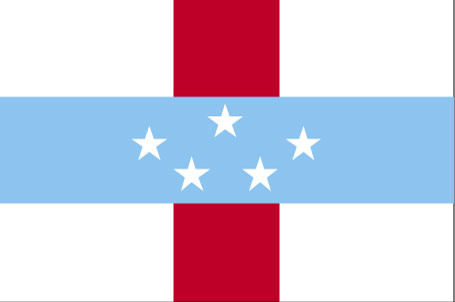
Curacao
Curacao
Declare Your Relationship to Curacao
CountryReports Community
- Studying4
- From Curacao1
- Curacao heritage2
- Visited3
- Want to visit2
Customs and Culture
Customs and Culture
Cultural Attributes
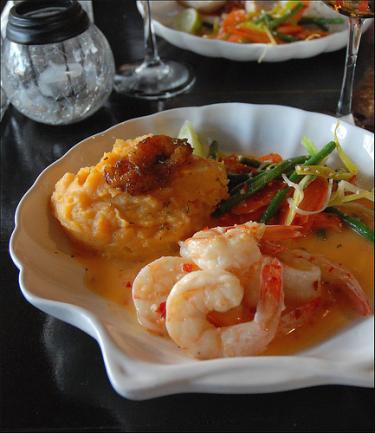
Curaçao possesses a remarkably layered cultural identity shaped by centuries of colonial history, African heritage, indigenous Arawak roots, and the influence of dozens of nationalities that have passed through or settled on the island. This blend has produced one of the Caribbean's most distinctive and vibrant cultures. At the heart of Curaçaoan identity is Papiamentu (also spelled Papiamento), a creole language that draws from Portuguese, Spanish, Dutch, English, and West African languages. It is spoken by the vast majority of the island's roughly 150,000 residents and serves as the primary language of daily life, music, and local media. Dutch is the official language used in government and formal education, while Spanish and English are also widely spoken due to the island's proximity to South America and its strong tourism industry. The island's cultural calendar is defined by its festivals. Carnival is the most prominent annual celebration, featuring weeks of parades, music competitions, and elaborate costumes. Unlike many Caribbean carnivals, Curaçao's version blends African rhythms with Latin influences, and the tumba music competition held during Carnival season is a beloved cultural institution where local composers vie for the title of Carnival Road March. African cultural heritage remains deeply embedded in the island's traditions. Tambú, a form of music and dance with West African roots, was historically suppressed but has been revived as a symbol of cultural pride. The Seú harvest festival, another tradition with African origins, was once used to celebrate the end of the sorghum harvest and involved communal singing and dancing. Curaçao's cuisine reflects its multicultural makeup, incorporating Dutch, African, Latin American, and South Asian influences. Dishes such as keshi yena, a baked stuffed cheese shell typically filled with spiced meat, are considered emblematic of the island's cooking tradition. The island's architectural heritage, particularly the pastel-colored Dutch colonial buildings of the historic Handelskade waterfront in Willemstad, earned UNESCO World Heritage Site designation in 1997, underscoring the cultural and historical significance of the built environment in Curaçaoan identity.

Islands of Resilience and Renewal
Get More Customs and Culture
2 more cultural topics for members
Social Customs & Etiquette · Dating Customs
Holidays
Queen's Day
4/30Birthday
Birthday of Queen-Mother JULIANA in 1909 and accession to the throne of her oldest daughter BEATRIX in 1981
Dates of Interest
- April 30th
Birthday of Queen-Mother Juliana in 1909 and accession to the throne of her oldest daughter Beatrix in 1981
What is the food like in the Netherlands Antilles?
Curaçao's cuisine reflects its multicultural makeup, blending Dutch, African, Latin American, and South Asian influences.
Good to know
- Try keshi yena, a baked stuffed cheese shell typically filled with spiced meat, considered emblematic of the island's cooking
What festivals and cultural events happen in the Netherlands Antilles?
The island's cultural calendar centers on festivals, with Carnival as the most prominent annual celebration featuring weeks of parades, music competitions, and elaborate costumes.
Good to know
- Experience Carnival's blend of African rhythms with Latin influences
- Watch the tumba music competition during Carnival, where composers vie for the title of Carnival Road March
- Look out for Tambú, a revived West African-rooted music and dance that is a symbol of cultural pride
- Learn about the Seú harvest festival, an African-origin tradition of communal singing and dancing
What should I know before visiting the Netherlands Antilles?
Curaçao has a layered cultural identity shaped by colonial history, African heritage, indigenous Arawak roots, and dozens of nationalities, making it one of the Caribbean's most distinctive cultures.
Good to know
- Papiamentu, a creole drawing from Portuguese, Spanish, Dutch, English, and West African languages, is the primary language of daily life
- Dutch is the official language of government and formal education
- Spanish and English are also widely spoken
- Visit the UNESCO-listed pastel-colored Dutch colonial buildings of the Handelskade waterfront in Willemstad
Last updated: 2026-07-12 · Sources: CountryReports
Photos of Curacao
Photos of Curacao
Travel and Tourism
Travel and Tourism
- Travel Alert Status
- Level 1: Exercise Normal Precautions
- Currency
- 1.79
- Time Difference
- UTC-4 (1 hour ahead of Washington, DC, during Standard Time)
- Climate
- Curacao and the other ABC islands are hot year round. Temperatures seldom exceed 90°F during the day or fall below 80°F at night. Relative humidity averages 70% annually and seldom varies far from that average. The effect of the heat and the humidity, however, is lessened by the almost constant northeast trade winds. The ocean temperature averages 80°F and only varies a few degrees between summer and winter. Rainfall averages only 22 inches annually, most of which falls during the months of November and December, and the islands are below the hurricane belt so that particular danger is absent. Drought-resistant plants, such as cactus, thorn trees and succulents predominate. August, September and October are the warmest months; December, January and February are the coolest.
- Airports
- 5
Read the full travel guide — health, safety, vaccinations, disease risk, sanitation, and transit details.
View full travel guideHistory
History
Historical Eras
Indigenous & Spanish Era
1499 – 1634
Arawak peoples were the original inhabitants of the islands before Spanish explorer Alonso de Ojeda claimed Curaçao for Spain in 1499. Spain held the islands for over a century, using them primarily as strategic outposts, though they remained relatively underdeveloped compared to larger Spanish colonial holdings in the Caribbean.
Dutch Colonial Foundations
1634 – 1791
The Dutch West India Company seized Curaçao and Bonaire in 1634, quickly transforming Curaçao into the dominant hub of the Caribbean slave trade and a strategic military base against Spanish power. Sint Maarten was colonized in 1631 and divided between Dutch and French by the landmark 1648 Treaty of Concordia, while Sint Eustatius flourished as a major duty-free trading port. The islands changed hands repeatedly among European powers throughout this turbulent period.
Decline & Abolition
1791 – 1863
The late 18th and early 19th centuries brought economic stagnation as the slave trade declined and Sint Eustatius lost its trading dominance following the 1783 Anglo-American peace. In 1845 the Dutch Leeward Islands formally united with Curaçao, Bonaire, and Aruba into a single political unit. The abolition of slavery in 1863 dealt a severe blow to the plantation economies of Sint Maarten and other islands, triggering prolonged economic hardship.
Oil & Modernization
1863 – 1954
Following the devastation of abolition, the islands endured decades of poverty until the early 20th century, when newly discovered Venezuelan oil fields prompted the construction of a major refinery on Curaçao, restoring prosperity to the region. Aruba similarly benefited from refinery development, and an offshore financial sector emerged to serve Dutch commercial interests. These industries transformed Curaçao into the economic and administrative center of the Dutch Caribbean.
Netherlands Antilles Federation
1954 – 1986
In 1954 the Netherlands Antilles — comprising Curaçao, Bonaire, Sint Maarten, Sint Eustatius, and Saba — were federated as an autonomous constituent country within the Kingdom of the Netherlands, gaining full self-governance in internal affairs. The federation maintained strong ties with the Netherlands while developing its offshore financial sector. Aruba, seeking greater autonomy, negotiated a separate Status Aparte and formally departed the federation on January 1, 1986.
Late Autonomy & Dissolution
1986 – present
Following Aruba's departure, the five-island federation continued under increasing political and economic strain, with debate over equitable governance among geographically dispersed islands. Economic difficulties and emigration — particularly of young adults to the Netherlands — accelerated from the late 1990s onward. On October 10, 2010, the Netherlands Antilles was formally dissolved: Curaçao and Sint Maarten became autonomous constituent countries, while Bonaire, Sint Eustatius, and Saba became special municipalities of the Netherlands.
Overview
Curaçao
Timeline of Key Events
1648
The island of St. Martin in the Lesser Antilles was divided between the French and Dutch.
The island of St. Martin in the Lesser Antilles was divided between the French and Dutch. The southern half went to the Dutch as Sint Maarten, while the northern half, Saint Martin, became part of the French department of Guadeloupe.
1762
Martinique surrendered to the British.
Martinique, a major French base in the Lesser Antilles of the West Indies, surrendered to the British.
1954
The 5 islands of the Netherlands Antilles were federated.
The 5 islands of the Netherlands Antilles were federated. These included Bonaire, Curacao, St. Maarten, Saba and St. Eustatius.
Read the full history profile — narrative overview, defining eras, and the complete timeline in one place.
View expanded historyInteresting Facts
Interesting Facts
The islands were captured by the Dutch in the 17th cent. and were worked by the many African slaves who were brought to their shores.
See every fact — trivia, oddities, and curious tidbits gathered from across the country.
View all interesting factsGeography and Environment
Geography and Environment
- Terrain
- generally hilly, volcanic interiors
- Climate
- Curacao and the other ABC islands are hot year round. Temperatures seldom exceed 90°F during the day or fall below 80°F at night. Relative humidity averages 70% annually and seldom varies far from that average. The effect of the heat and the humidity, however, is lessened by the almost constant northeast trade winds. The ocean temperature averages 80°F and only varies a few degrees between summer and winter. Rainfall averages only 22 inches annually, most of which falls during the months of November and December, and the islands are below the hurricane belt so that particular danger is absent. Drought-resistant plants, such as cactus, thorn trees and succulents predominate. August, September and October are the warmest months; December, January and February are the coolest.
- Natural Hazards
- Curacao and Bonaire are south of Caribbean hurricane belt and are rarely threatened; Sint Maarten, Saba, and Sint Eustatius are subject to hurricanes from July to October
- Current Environmental Issues
- NA
Read the full geography and environment profile — terrain, climate, natural resources, hazards, land use, and international agreements.
View full geographyPeople & Demographics
People & Demographics
Languages Spoken
Dutch (official), Papiamento (a Spanish-Portuguese-Dutch-English dialect) predominates, English widely spoken, Spanish
- Dutch
- Papiamento
- Spanish
Population
- Population
- 191,270
- Nationality Noun
- Dutch Antillean(s)
- Ethnic Groups
- Mixed black 85%, Carib Amerindian, white, East Asian
Education
- Literacy Definition
- age 15 and over can read and write
Health Information
- Life Expectancy at Birth
- Life expectancy at birth in Curaçao stands at approximately 76 to 78 years overall, reflecting a relatively high standard of living compared to many countries in the Caribbean and Latin American region. Women on the island tend to live longer than men, with female life expectancy estimated at around 79 to 81 years, while male life expectancy averages closer to 74 to 76 years — a gap consistent with broader global patterns. These figures place Curaçao comfortably above the world average and on par with several developed nations, a testament to the island's functioning healthcare infrastructure, access to medical services, and relatively stable socioeconomic conditions. As a constituent country of the Kingdom of the Netherlands, Curaçao benefits from Dutch-influenced healthcare standards and oversight, which have contributed to sustained improvements in longevity over recent decades. Several factors support the island's favorable life expectancy outcomes. Curaçao has an established network of medical facilities, including the Curaçao Medical Center, which opened in 2020 and serves as the primary hospital for the island, replacing the older Saint Elisabeth Hospital. Access to clean drinking water, sanitation services, and a diet influenced by fresh seafood and tropical produce also plays a role in population health. At the same time, Curaçao faces health challenges common to small island developing states, including rising rates of non-communicable diseases such as diabetes, hypertension, and cardiovascular conditions. These lifestyle-related diseases are linked to shifts toward more sedentary habits and processed food consumption, and they represent a growing public health concern that could affect future longevity trends. Historically, life expectancy on the island has risen steadily from the mid-20th century onward, driven by improvements in infant and child mortality rates, better access to prenatal care, and advances in medical treatment. Continued investment in preventive care and public health education remains a priority for local authorities seeking to maintain and improve these outcomes for the island's population of approximately 153,000 residents.
- Infant Mortality Rate
- Curaçao maintains a relatively low infant mortality rate compared to many countries in the Caribbean and Latin America, reflecting the island's developed healthcare infrastructure and access to medical services. The infant mortality rate for Curaçao is estimated at approximately 7 to 8 deaths per 1,000 live births, a figure that places it among the better-performing small island territories in the region. This relatively favorable outcome is supported by several factors. Curaçao benefits from a well-established healthcare system that includes the Curaçao Medical Center, a modern tertiary hospital that opened in 2019 and consolidated previously separate hospital facilities into a single advanced medical campus. Access to prenatal care, skilled birth attendants, and postnatal health services contributes significantly to keeping infant deaths low. The island's status as a constituent country of the Kingdom of the Netherlands also plays a role. Dutch standards and financial support influence public health policy, medical training, and the availability of specialized care. Many healthcare professionals in Curaçao have received training in the Netherlands or other European institutions, bringing internationally recognized practices to the island. Despite these strengths, disparities in health outcomes can exist based on socioeconomic status. Lower-income households may face barriers to consistent healthcare access, which can subtly influence maternal and infant health metrics. Public health programs on the island work to address these gaps through community health outreach, vaccination campaigns, and maternal wellness education. Compared to broader regional averages, Curaçao's infant mortality rate is notably lower than many of its Caribbean neighbors, though it remains slightly higher than rates seen in the Netherlands itself, where the figure hovers around 3 to 4 deaths per 1,000 live births. Ongoing investment in healthcare quality and infrastructure continues to drive improvements in child and maternal health outcomes across the island.
Life Expectancy
- Life Expectancy at Birth
- Life expectancy at birth in Curaçao stands at approximately 76 to 78 years overall, reflecting a relatively high standard of living compared to many countries in the Caribbean and Latin American region. Women on the island tend to live longer than men, with female life expectancy estimated at around 79 to 81 years, while male life expectancy averages closer to 74 to 76 years — a gap consistent with broader global patterns. These figures place Curaçao comfortably above the world average and on par with several developed nations, a testament to the island's functioning healthcare infrastructure, access to medical services, and relatively stable socioeconomic conditions. As a constituent country of the Kingdom of the Netherlands, Curaçao benefits from Dutch-influenced healthcare standards and oversight, which have contributed to sustained improvements in longevity over recent decades. Several factors support the island's favorable life expectancy outcomes. Curaçao has an established network of medical facilities, including the Curaçao Medical Center, which opened in 2020 and serves as the primary hospital for the island, replacing the older Saint Elisabeth Hospital. Access to clean drinking water, sanitation services, and a diet influenced by fresh seafood and tropical produce also plays a role in population health. At the same time, Curaçao faces health challenges common to small island developing states, including rising rates of non-communicable diseases such as diabetes, hypertension, and cardiovascular conditions. These lifestyle-related diseases are linked to shifts toward more sedentary habits and processed food consumption, and they represent a growing public health concern that could affect future longevity trends. Historically, life expectancy on the island has risen steadily from the mid-20th century onward, driven by improvements in infant and child mortality rates, better access to prenatal care, and advances in medical treatment. Continued investment in preventive care and public health education remains a priority for local authorities seeking to maintain and improve these outcomes for the island's population of approximately 153,000 residents.
- Infant Mortality Rate
- Curaçao maintains a relatively low infant mortality rate compared to many countries in the Caribbean and Latin America, reflecting the island's developed healthcare infrastructure and access to medical services. The infant mortality rate for Curaçao is estimated at approximately 7 to 8 deaths per 1,000 live births, a figure that places it among the better-performing small island territories in the region. This relatively favorable outcome is supported by several factors. Curaçao benefits from a well-established healthcare system that includes the Curaçao Medical Center, a modern tertiary hospital that opened in 2019 and consolidated previously separate hospital facilities into a single advanced medical campus. Access to prenatal care, skilled birth attendants, and postnatal health services contributes significantly to keeping infant deaths low. The island's status as a constituent country of the Kingdom of the Netherlands also plays a role. Dutch standards and financial support influence public health policy, medical training, and the availability of specialized care. Many healthcare professionals in Curaçao have received training in the Netherlands or other European institutions, bringing internationally recognized practices to the island. Despite these strengths, disparities in health outcomes can exist based on socioeconomic status. Lower-income households may face barriers to consistent healthcare access, which can subtly influence maternal and infant health metrics. Public health programs on the island work to address these gaps through community health outreach, vaccination campaigns, and maternal wellness education. Compared to broader regional averages, Curaçao's infant mortality rate is notably lower than many of its Caribbean neighbors, though it remains slightly higher than rates seen in the Netherlands itself, where the figure hovers around 3 to 4 deaths per 1,000 live births. Ongoing investment in healthcare quality and infrastructure continues to drive improvements in child and maternal health outcomes across the island.
Read the full people and society profile — demographics, health, education, religion, languages, and notable people.
View full people and societyGovernment & Politics
Government & Politics
Country Identity
- Country Name
- NetherlandsAntilles
- Local - Short
- Curacao
- Former Name
- Curacao and Dependencies
Government Structure
- Government Type
- parliamentary
- Legal System
- based on Dutch civil law system with some English common law influence
- Executive Branch
- chief of state: King WILLEM-ALEXANDER of the Netherlands (since 30 April 2013), represented by Governor Lucille A. GEORGE-WOUT (since 4 November 2013) head of government: Prime Minister Gilmar PISAS (since 14 June 2021) cabinet: Cabinet of Ministers appointed by the Governor elections: the monarch is hereditary; governor appointed by the monarch for a six-year term; following legislative elections, the leader of the majority coalition is typically appointed prime minister by the Governor; election last held on 19 March 2021 (next to be held in 2025) note: Curaçao became an autonomous country within the Kingdom of the Netherlands on 10 October 2010, following the dissolution of the Netherlands Antilles; current governing coalition is led by the Movementu Futuro Kòrsou (MFK)
- Legislative Branch
- Curacao has a unicameral legislature known as the Staten (Parliament), consisting of 21 seats. Members are elected by popular vote to serve four-year terms. Following Curacao's dissolution of the Netherlands Antilles and its establishment as a constituent country within the Kingdom of the Netherlands on October 10, 2010, the Staten became the sole legislative body representing Curacao as an autonomous territory, separate from the former multi-island arrangement. Elections: The most recent parliamentary elections were held on March 19, 2021. The next elections are scheduled to be held in 2025. Election results: The 2021 elections produced a fragmented result across multiple parties. The Movimentu Futuro Korsou (MFK), led by Gilmar Pisas, emerged as the leading party and subsequently formed a governing coalition. Other parties winning seats included the Partido Alternativa Real (PAR), Democratische Partij (DP), Pueblo Soberano (PS), and several smaller parties. Note: Following the 2021 elections, Gilmar Pisas of the MFK was sworn in as Prime Minister and formed a coalition government. Curacao's political landscape remains characterized by multi-party coalitions, given the proportional representation system and the relatively fragmented nature of its electorate.
- Judicial Branch
- Joint High Court of Justice (judges appointed by the monarch)
- Suffrage
- 18 years of age; universal
- Constitution
- 29 December 1954, Statute of the Realm of the Netherlands, as amended
- Independence
- none (part of the Kingdom of the Netherlands)
- National Holiday
- Queen's Day (Birthday of Queen-Mother JULIANA in 1909 and accession to the throne of her oldest daughter BEATRIX in 1980), 30 April
Capital City
- Capital Name
- Willemstad
- Capital - geographic coordinate
- 12 06 N, 68 55 W
- Capital Time Difference
- UTC-4 (1 hour ahead of Washington, DC, during Standard Time)
Named after Prince WILLIAM II of Orange (1626-1650), who served as stadtholder (Dutch head of state) from 1647 to 1650, shortly after the the Dutch captured Curacao from the Spanish in 1634
Military
Branches: No regular military forces; the Dutch Government controls foreign and defense policy
Read the full government profile — flag symbolism, national anthem, and other national symbols.
View full government detailsEconomy
Economy
Tourism, financial services, and trade are the mainstays of Curacao's small, open economy, which remains closely tied to the outside world.
Snapshot
- Currency Name and Code
- Netherlands Antillean guilders (ANG)
- GDP Real Growth Rate
- 0.5%
News & Weather
News & Weather
Current Weather
Latest News
Baoase Curaçao Set to Grow to 37 Accommodations - Recommend Magazine
Recommend Magazine · 19h ago
CGA Board of Directors Pays Courtesy Visit to the Governor of Curaçao - Curaçao Chronicle
Curaçao Chronicle · 3h ago
This New Curaçao All-Inclusive Has a Private Beach, Swim-Up Rooms, and an Opening Date - caribjournal.com
caribjournal.com · 2d ago
CBCS Warns Global Risks Could Slow Curaçao's Economy Despite Strong Growth - Curaçao Chronicle
Curaçao Chronicle · 3h ago
Orco Bank Celebrates 40 Years of Banking Excellence with Customers Across Curaçao - Curaçao Chronicle
Curaçao Chronicle · 3h ago
Two Arrested in Ongoing Investigation Into 200-Kilogram Cocaine Seizure - Curaçao Chronicle
Curaçao Chronicle · 1d ago
World Cup 2026: Germany 7-1 Curacao - Caribbean debutants given a thumping in Group E - Sky Sports
Sky Sports · 54d ago
World Cup Match Day 4: Germany-Curaçao, Netherlands-Japan Make A Sunday Funday - FOX Sports
FOX Sports · 55d ago
News via Google News
Climate Overview
Curacao and the other ABC islands are hot year round. Temperatures seldom exceed 90°F during the day or fall below 80°F at night. Relative humidity averages 70% annually and seldom varies far from that average. The effect of the heat and the humidity, however, is lessened by the almost constant northeast trade winds. The ocean temperature averages 80°F and only varies a few degrees between summer and winter. Rainfall averages only 22 inches annually, most of which falls during the months of November and December, and the islands are below the hurricane belt so that particular danger is absent. Drought-resistant plants, such as cactus, thorn trees and succulents predominate. August, September and October are the warmest months; December, January and February are the coolest.
Videos
Videos
2 curated YouTube videos.
Source: YouTube
Source: YouTube
Frequently Asked Questions
Frequently Asked Questions
What is the population of Curacao?
What is the food like in the Netherlands Antilles?
What festivals and cultural events happen in the Netherlands Antilles?
What should I know before visiting the Netherlands Antilles?
What is the capital of the Netherlands Antilles?
Where is the Netherlands Antilles located?
What are the sea borders of the Netherlands Antilles?
What currency is used in the Netherlands Antilles?
What languages are spoken in the Netherlands Antilles?
What is the Netherlands Antilles known for?
What is the historical background of the Netherlands Antilles?
What is the geography of the Netherlands Antilles like?
Last reviewed 2026