
 English
 Español
 中文
中文 हिन्दी
 Français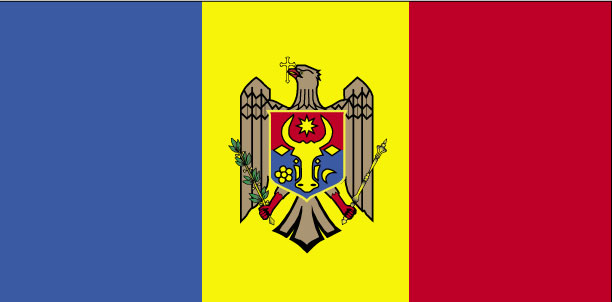
Moldova
Declare Your Relationship to Moldova
CountryReports Community
- Studying2
- From Moldova0
- Moldova heritage0
- Visited0
- Want to visit0
Customs and Culture
Customs and Culture
Cultural Attributes
Moldova's fertile black soil and mild climate make the country ideal for agriculture. Extensive irrigation systems supplement the rainfall. Crop farmers grow barley, beets, corn, grapes and sunflowers. Livestock farmers raise sheep and cattle. Moldova is transition from a traditional agriculture to light industries such as food processing, meat packing, sugar refining and fertilizer production.

Vineyard of Eastern Europe
Get More Customs and Culture
5 more cultural topics for members
Social Customs & Etiquette · Diet · Family · Dating Customs · Recreation
Every country, every topic, all activities & recipes
✓ Instant access on this device · ✓ No subscription
Holidays
Independence Day
8/27Independence Day
Dates of Interest
- August 27th
How do people greet each other in Moldova?
In villages even strangers say Buna Ziua (good day) to each other, while in urban areas only acquaintances greet one another. In formal settings men shake hands and may kiss a woman's hand.
Do
- Say Buna Ziua (good day) when greeting people in villages
- Shake hands among men in formal settings
Good to know
- In cities, expect greetings mainly between acquaintances
What are dining customs like in Moldova?
Lunch is the main meal, consisting of a starter or appetizer, soup and a hot dish. Breakfast is lighter and dinner is usually lighter than lunch.
Good to know
- Breakfast may be a sandwich, cake, an omelet or porridge with tea
- Dinner may be a hot meal but is typically lighter than lunch
How should I dress in Moldova?
Urban people wear Western or European style clothing, while rural men wear durable shirts and pants for farming and rural women wear flowery cotton or flannel dresses.
Good to know
- Traditional female costume includes a white embroidered vest trimmed with sheep fleece and a lace-hemmed shirt under a black embroidered skirt
- Traditional male costume includes a white embroidered shirt, a vest, white pants and a feather- or fleece-decorated hat
What are families like in Moldova?
Most couples have only one or two children, and many women work full-time in addition to doing the housework.
What do people do for fun in Moldova?
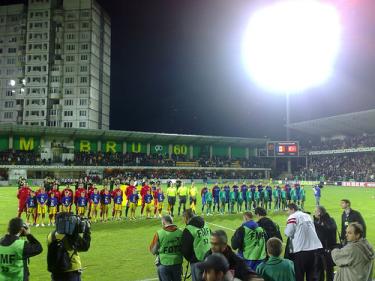
Soccer is the most popular sport, and visiting family and friends and spending time in the numerous parks are favorite recreational activities.
Good to know
- Vacations are usually taken at the Romanian or Ukrainian seaside or mountains
Last updated: 2026-07-12 · Sources: CountryReports
Photos of Moldova
Photos of Moldova


Travel and Tourism
Travel and Tourism
- Travel Alert Status
- Level 2: Exercise Increased Caution
- Currency
- Moldovan leu (MDL)
- Time Difference
- UTC+2 (7 hours ahead of Washington, DC, during Standard Time)
- Climate
- Moldova's climate is mild in the winter and warm in the summery. Winter temperatures are typically in the 20s (F) but occasionally fall below zero. Highs in the summer are typically in the 80s but can go as high as 100. There are four distinct seasons, with foliage on trees between April and October. The climate is semi”‘arid. Because of the clearing of land for agricultural cultivation--especially in the Soviet era for grape production--there are few forests or woodlands. There has been soil erosion due to farming methods. The effect in the cities is that occasionally dust can blow up from the streets in gusts. Humidity in the summer can be high.
- Airports
- 24
Read the full travel guide — health, safety, vaccinations, disease risk, sanitation, and transit details.
View full travel guideRecipes
Recipes
Moldovan Style Polenta
Side Dish
Main Dish
Pui cu Smintina (Chicken with Sour Cream)
Main Dish
Mititei (Grilled Sausages with Peppers)
Main Dish
Sarmale (Stuffed Cabbage)
Main Dish
Borscht (Beetroot Soup)
Side Dish
Mamaliga (Cornmeal Mush that Resembles Pudding)
Side Dish
Moldovan Style Polenta
History
History
Historical Eras
Ancient & Medieval Crossroads
600 BCE – 1359
The territory of present-day Moldova served as a corridor for successive waves of invaders and migrants, including Greeks, Romans, Huns, Bulgars, and Mongols. In the 13th century the region was absorbed into the Mongol Empire. Its strategic position between the Black Sea steppe and the Carpathian foothills made permanent settlement and political stability elusive throughout antiquity and the early medieval period.
Principality of Moldova
1359 – 1538
An independent Moldovan principality emerged around 1359, reaching its zenith under Stefan cel Mare (Stephen the Great), who ruled from 1457 to 1504 and successfully defended the principality against Ottoman, Polish, and Hungarian encroachments. His reign is regarded as the golden age of Moldovan statehood, marked by the construction of numerous Orthodox monasteries and decisive military victories. After his death the principality gradually succumbed to Ottoman suzerainty by the 1530s.
Ottoman Suzerainty
1538 – 1812
Moldova became a vassal state of the Ottoman Empire, paying tribute and enduring frequent interference in its internal affairs, though it retained a degree of autonomous administration under locally appointed hospodars. The region was repeatedly ravaged by Russo-Turkish wars throughout the 18th century. The Treaty of Bucharest in 1812 ended this era for the eastern half of the principality, ceding Bessarabia to the Russian Empire.
Russian Imperial Rule
1812 – 1918
The eastern portion of Moldova, renamed Bessarabia, was incorporated into the Russian Empire following the Russo-Turkish War of 1806–12. Russian imperial policy promoted settlement by Slavic and other ethnic groups while suppressing Romanian cultural and linguistic identity. The collapse of the Romanov dynasty amid World War I and the Bolshevik Revolution created a power vacuum that enabled the local assembly, the Sfatul Țării, to declare union with Romania in 1918.
Romanian & Soviet Contestation
1918 – 1991
Bessarabia's union with Romania was recognized internationally by the Treaty of Paris in 1920, but the Soviet Union never accepted it. The Molotov–Ribbentrop Pact of 1939 led to Soviet annexation in 1940 and the creation of the Moldavian SSR; Romanian and German forces reoccupied the territory in 1941, during which the Jewish population of Bessarabia was decimated in the Holocaust. The Soviets reestablished control in 1944, and Moldova remained part of the USSR until independence was declared in August 1991.
Independent Republic
1991 – present
Moldova declared independence on August 27, 1991, but its early years were marked by armed conflict with the breakaway Transnistria region, where Russian forces intervened in support of separatists, and by a separatist movement among the Gagauz minority in the south. A new constitution adopted in 1994 declared the country permanently neutral. Moldova remains one of Europe's poorest nations, navigating tensions between closer European integration and its historical and economic ties to Russia.
Overview
Ethnic groups represented in Moldova include Moldovan/Romanian,
Every country, every topic, all activities & recipes
✓ Instant access on this device · ✓ No subscription
Timeline of Key Events
1812
Treaty of Bucharest grants Russia control of eastern Moldova.
Treaty of Bucharest grants Russia control of eastern Moldova or Bessarabia, the area between the River Prut and the west bank of the Dniester. The Ottoman Empire gains control of western Moldova.
1878
Ottomans recognize independence of Romanian state including western Moldova.
Ottomans recognize independence of Romanian state including western Moldova.
1918
Following the Bolshevik revolution in Russia, Bessarabia declares independence.
Following the Bolshevik revolution in Russia, Bessarabia declares independence. Its parliament calls for union with Romania.
1920
Treaty of Paris recognizes union of Bessarabia with Romania. The Bolsheviks do not.
Treaty of Paris recognizes union of Bessarabia with Romania. The Bolsheviks do not.
1939
Romania carved up in pact between Hitler’s Germany and Stalin’s USSR.
Romania carved up in pact between Hitler’s Germany and Stalin’s USSR. Bessarabia is one of the areas to go to the USSR.
1991
Moldova declares its independence.
Moldova declares its independence. It joins the Commonwealth of Independent States, the successor to the Soviet Union.
1994
A new constitution proclaims Moldova’s neutrality.
A new constitution proclaims Moldova’s neutrality.
Read the full history profile — narrative overview, defining eras, and the complete timeline in one place.
View expanded historyInteresting Facts
Interesting Facts
When a child loses a tooth they throw their tooth on the roof of the house and say “Crow, crow, coming from the mill, I am giving you a milk tooth, now you give me a bone one.”
One of the world's largest caves can be found in Criva in Moldova. Its underground path is the eighth longest in the world.
See every fact — trivia, oddities, and curious tidbits gathered from across the country.
View all interesting factsGeography and Environment
Geography and Environment
- Terrain
- rolling steppe, gradual slope south to Black Sea
- Climate
- Moldova’s climate is mild in the winter and warm in the summery. Winter temperatures are typically in the 20s (F) but occasionally fall below zero. Highs in the summer are typically in the 80s but can go as high as 100. There are four distinct seasons, with foliage on trees between April and October. The climate is semi‑arid. Because of the clearing of land for agricultural cultivation—especially in the Soviet era for grape production—there are few forests or woodlands. There has been soil erosion due to farming methods. The effect in the cities is that occasionally dust can blow up from the streets in gusts. Humidity in the summer can be high.
- Natural Hazards
- landslides (57 cases in 1998)
- Current Environmental Issues
- heavy use of agricultural chemicals, including banned pesticides such as DDT, has contaminated soil and groundwater; extensive soil erosion from poor farming methods
Read the full geography and environment profile — terrain, climate, natural resources, hazards, land use, and international agreements.
View full geographyPeople & Demographics
People & Demographics
Religion
Languages Spoken
Moldovan (official, virtually the same as the Romanian language), Russian, Gagauz (a Turkish dialect)
- Russian
Population
- Population
- 2,587,695
- Population in Major Urban Areas
- CHISINAU (capital) 677,000
- Nationality Noun
- Moldovan(s)
- Ethnic Groups
- Moldovan/Romanian 64.5%, Ukrainian 13.8%, Russian 13%, Jewish 1.5%, Bulgarian 2%, Gagauz and other 5.2%
Education
- Literacy Definition
- age 15 and over can read and write
Health Information
- Life Expectancy at Birth
- Life expectancy at birth in Moldova stands at approximately 70 years overall, with notable differences between sexes. Women in Moldova can expect to live to around 74 to 75 years, while men have a considerably shorter life expectancy of roughly 66 years. This gap of nearly eight to nine years between male and female life expectancy is one of the more pronounced gender disparities in the region and reflects broader patterns seen across Eastern Europe. Moldova's life expectancy figures place it among the lower-ranked countries in Europe, trailing significantly behind Western European nations, where averages commonly exceed 81 years. The country has faced persistent public health challenges that have constrained longevity, including high rates of cardiovascular disease, which remains the leading cause of death. Liver disease, linked in part to elevated rates of alcohol consumption, and respiratory illnesses also contribute meaningfully to premature mortality, particularly among working-age men. Several socioeconomic factors further influence life expectancy in Moldova. The country is one of the poorest in Europe by per capita income, which limits household access to quality nutrition, preventive healthcare, and timely medical treatment. Rural populations, who make up a significant share of the country's residents, often face greater challenges in accessing healthcare infrastructure compared to those living in the capital, Chișinău. Moldova experienced modest improvements in life expectancy during the 2000s and early 2010s, driven partly by healthcare reforms, increased access to medications for chronic disease management, and gradual improvements in living standards. However, the COVID-19 pandemic caused a significant setback, contributing to excess mortality and a measurable decline in average life expectancy during 2020 and 2021. Recovery since then has been gradual, and overall figures remain below pre-pandemic trends seen in comparable regional neighbors. Large-scale emigration, a defining feature of modern Moldovan society, also complicates the demographic picture. Many younger, working-age Moldovans have left to seek employment abroad, leaving behind an older population whose healthcare needs are more intensive. Ongoing efforts to strengthen the national health system, expand access to primary care in underserved rural areas, and address chronic disease risk factors remain central to the country's long-term public health agenda.
- Infant Mortality Rate
- Moldova has made meaningful progress in reducing infant mortality over recent decades, though rates remain higher than the European Union average. As of the most recent available data, Moldova's infant mortality rate stands at approximately 9 to 10 deaths per 1,000 live births. This figure represents a significant improvement from earlier periods — in the early 1990s, following the dissolution of the Soviet Union, the rate exceeded 20 deaths per 1,000 live births, reflecting the economic instability and healthcare deterioration that accompanied independence. The decline in infant mortality has been driven by several factors, including improved access to prenatal and postnatal care, increased rates of skilled birth attendance, and targeted public health interventions supported by international organizations such as UNICEF and the World Health Organization. Immunization coverage has expanded substantially, reducing deaths attributable to vaccine-preventable diseases. Breastfeeding promotion programs have also contributed to better infant nutrition and health outcomes in the early months of life. Despite this progress, disparities persist within the country. Rural areas, particularly in the Transnistria region and poorer agricultural districts, experience higher infant mortality rates compared to urban centers such as the capital, Chișinău. Limited access to specialized neonatal care, lower household incomes, and reduced healthcare infrastructure in remote communities contribute to these regional differences. Causes of infant mortality in Moldova include perinatal conditions such as birth asphyxia and prematurity, respiratory infections, congenital anomalies, and gastrointestinal illnesses. Poverty remains an underlying factor, as Moldova is one of the lower-income countries in Europe, and financial barriers can delay or prevent families from seeking timely medical care. The Moldovan government, in partnership with international health bodies, has implemented national strategies aimed at further reducing infant and child mortality through improved maternity ward facilities, neonatal intensive care capacity, and community health education programs. Continued investment in healthcare infrastructure and socioeconomic development will be essential to closing the gap between Moldova's infant mortality rate and that of its higher-income European neighbors.
Life Expectancy
- Life Expectancy at Birth
- Life expectancy at birth in Moldova stands at approximately 70 years overall, with notable differences between sexes. Women in Moldova can expect to live to around 74 to 75 years, while men have a considerably shorter life expectancy of roughly 66 years. This gap of nearly eight to nine years between male and female life expectancy is one of the more pronounced gender disparities in the region and reflects broader patterns seen across Eastern Europe. Moldova's life expectancy figures place it among the lower-ranked countries in Europe, trailing significantly behind Western European nations, where averages commonly exceed 81 years. The country has faced persistent public health challenges that have constrained longevity, including high rates of cardiovascular disease, which remains the leading cause of death. Liver disease, linked in part to elevated rates of alcohol consumption, and respiratory illnesses also contribute meaningfully to premature mortality, particularly among working-age men. Several socioeconomic factors further influence life expectancy in Moldova. The country is one of the poorest in Europe by per capita income, which limits household access to quality nutrition, preventive healthcare, and timely medical treatment. Rural populations, who make up a significant share of the country's residents, often face greater challenges in accessing healthcare infrastructure compared to those living in the capital, Chișinău. Moldova experienced modest improvements in life expectancy during the 2000s and early 2010s, driven partly by healthcare reforms, increased access to medications for chronic disease management, and gradual improvements in living standards. However, the COVID-19 pandemic caused a significant setback, contributing to excess mortality and a measurable decline in average life expectancy during 2020 and 2021. Recovery since then has been gradual, and overall figures remain below pre-pandemic trends seen in comparable regional neighbors. Large-scale emigration, a defining feature of modern Moldovan society, also complicates the demographic picture. Many younger, working-age Moldovans have left to seek employment abroad, leaving behind an older population whose healthcare needs are more intensive. Ongoing efforts to strengthen the national health system, expand access to primary care in underserved rural areas, and address chronic disease risk factors remain central to the country's long-term public health agenda.
- Infant Mortality Rate
- Moldova has made meaningful progress in reducing infant mortality over recent decades, though rates remain higher than the European Union average. As of the most recent available data, Moldova's infant mortality rate stands at approximately 9 to 10 deaths per 1,000 live births. This figure represents a significant improvement from earlier periods — in the early 1990s, following the dissolution of the Soviet Union, the rate exceeded 20 deaths per 1,000 live births, reflecting the economic instability and healthcare deterioration that accompanied independence. The decline in infant mortality has been driven by several factors, including improved access to prenatal and postnatal care, increased rates of skilled birth attendance, and targeted public health interventions supported by international organizations such as UNICEF and the World Health Organization. Immunization coverage has expanded substantially, reducing deaths attributable to vaccine-preventable diseases. Breastfeeding promotion programs have also contributed to better infant nutrition and health outcomes in the early months of life. Despite this progress, disparities persist within the country. Rural areas, particularly in the Transnistria region and poorer agricultural districts, experience higher infant mortality rates compared to urban centers such as the capital, Chișinău. Limited access to specialized neonatal care, lower household incomes, and reduced healthcare infrastructure in remote communities contribute to these regional differences. Causes of infant mortality in Moldova include perinatal conditions such as birth asphyxia and prematurity, respiratory infections, congenital anomalies, and gastrointestinal illnesses. Poverty remains an underlying factor, as Moldova is one of the lower-income countries in Europe, and financial barriers can delay or prevent families from seeking timely medical care. The Moldovan government, in partnership with international health bodies, has implemented national strategies aimed at further reducing infant and child mortality through improved maternity ward facilities, neonatal intensive care capacity, and community health education programs. Continued investment in healthcare infrastructure and socioeconomic development will be essential to closing the gap between Moldova's infant mortality rate and that of its higher-income European neighbors.
Read the full people and society profile — demographics, health, education, religion, languages, and notable people.
View full people and societyGovernment & Politics
Government & Politics
Country Identity
- Country Name
- Moldova
- Full Country Name
- Republic of Moldova
- Local - Long
- Republica Moldova
- Former Name
- Soviet Socialist Republic of Moldova; Moldavia
Government Structure
- Government Type
- republic
- Legal System
- based on civil law system; Constitutional Court reviews legality of legislative acts and governmental decisions of resolution; it is unclear if Moldova accepts compulsory ICJ jurisdiction but accepts many UN and Organization for Security and Cooperation in Europe (OSCE) documents
- Executive Branch
- chief of state: President Maia SANDU (since 24 December 2020) head of government: Prime Minister Dorin RECEAN (since 16 February 2023) cabinet: Cabinet nominated by the prime minister, approved by Parliament elections: President elected by popular vote for a four-year term (eligible for a second term); election last held on 15 October 2024, with a runoff on 3 November 2024 (next to be held in 2028); prime minister designated by the president following consultation with Parliament; the prime minister-designate must request a vote of confidence from Parliament within 15 days of designation, covering both the proposed work program and the full cabinet election results: Maia SANDU reelected president in the second round with approximately 55.4% of the vote, defeating Alexandr STOIANOGLO; Dorin RECEAN designated prime minister and confirmed by a parliamentary vote of confidence in February 2023
- Legislative Branch
- Unicameral Parliament or Parlamentul (101 seats; members elected by popular vote using a proportional representation system to serve four-year terms) Elections: Last held on 11 July 2021 (next to be held in 2025) Election results: Percent of vote by party - Party of Action and Solidarity (PAS) 52.8%, Bloc of Communists and Socialists (BCS) 27.2%, Shor Party 5.7%, other parties 14.3%; seats by party - PAS 63, BCS 32, Shor Party 6 Note: Following a Constitutional Court ruling in 2019, Moldova shifted away from a mixed electoral system that had been briefly adopted in 2017 and returned to a proportional representation model. The 2021 elections resulted in a decisive majority for the pro-European PAS, led by then-party leader Maia Sandu, who had already assumed the presidency in late 2020. The Shor Party was subsequently banned by the Constitutional Court in 2023, and its six parliamentary seats were redistributed accordingly.
- Judicial Branch
- Supreme Court; Constitutional Court (the sole authority for constitutional judicature)
- Suffrage
- 18 years of age; universal
- Constitution
- new constitution adopted 28 July 1994; replaces old Soviet constitution of 1979
- Independence
- 27 August 1991 (from Soviet Union)
- National Holiday
- Independence Day, 27 August (1991)
Capital City
- Capital Name
- Chisinau in Romanian (Kishinev in Russian) pronounced KEE-shee-now (KIH-shi-nyov)
- Capital - geographic coordinate
- 47 00 N, 28 51 E
- Capital Time Difference
- UTC+2 (7 hours ahead of Washington, DC, during Standard Time)
origin unclear but may derive from the archaic Romanian word chisla ("spring" or "water source") and noua ("new") because the original settlement was built at the site of a small spring
Military
Branches: National Army: Land Forces Command, Air Forces Command (includes air defense unit), Logistics Command
Embassy / Diplomatic Mission
U.S. Embassy Chisinau
103, Mateevici Street, Chisinau, Moldova
Telephone: (373) (22) 40-83-00
Emergency after-hours telephone: (373)(22) 23-73-45
Fax: (373)(22) 22-63-61
Read the full government profile — flag symbolism, national anthem, and other national symbols.
View full government detailsEconomy
Economy
Moldova is one of the poorest countries in Europe, though it has made significant economic progress in recent years. The country enjoys a favorable climate and fertile farmland but lacks major mineral deposits.
Snapshot
- Currency Name and Code
- Moldovan Leu (MDL)
- GDP — official exchange rate
- $2,416,000,000 (USD)
- GDP Real Growth Rate
- -0.9%
- Gini Index
- 36.2
Every country, every topic, all activities & recipes
✓ Instant access on this device · ✓ No subscription
News & Weather
News & Weather
Current Weather
Latest News
Russian Drone Incursion Delayed Zelensky Flight to Oslo, Moldova Says - The New York Times
The New York Times · 2d ago
Opinion | The Tiny Country Caught in the Battle for Europe’s Future - The New York Times
The New York Times · 11h ago
Poland warns Russia likely to intensify provocations on Ukraine's borders with European countries - ABC News - Breaking News, Latest News and Videos
ABC News - Breaking News, Latest News and Videos · 1d ago
Moldova extradites wanted Punjab gangster Amritpal Singh to India after Red Notice - The Times of India
The Times of India · 10h ago
Russia Strikes Moldova Border as Ukraine Hits Black Sea Port - Crude Oil Prices Today | OilPrice.com
Crude Oil Prices Today | OilPrice.com · 2d ago
Russia Is Repeatedly Striking Ukraine’s Borders With Moldova and NATO Countries. Here’s What’s Happening - UNITED24 Media
UNITED24 Media · 1d ago
Moldova rejects Russia's justification for strike on checkpoint on border with Ukraine - Українська правда
Українська правда · 2d ago
Two die at Moldovan border as Russia-Ukraine drone war rages - Yahoo
Yahoo · 3d ago
News via Google News
Climate Overview
Moldova's climate is mild in the winter and warm in the summery. Winter temperatures are typically in the 20s (F) but occasionally fall below zero. Highs in the summer are typically in the 80s but can go as high as 100. There are four distinct seasons, with foliage on trees between April and October. The climate is semi”‘arid. Because of the clearing of land for agricultural cultivation--especially in the Soviet era for grape production--there are few forests or woodlands. There has been soil erosion due to farming methods. The effect in the cities is that occasionally dust can blow up from the streets in gusts. Humidity in the summer can be high.
Frequently Asked Questions
Frequently Asked Questions
What is the population of Moldova?
How do people greet each other in Moldova?
What are dining customs like in Moldova?
How should I dress in Moldova?
What are families like in Moldova?
What do people do for fun in Moldova?
What is the capital of Moldova?
Where is Moldova located?
What countries border Moldova?
What is the main religion practiced in Moldova?
What is the currency of Moldova?
What languages are spoken in Moldova?
What is Moldova known for?
What is the geography of Moldova like?
Last reviewed 2026