
 English
 Español
 中文
中文 हिन्दी
 Français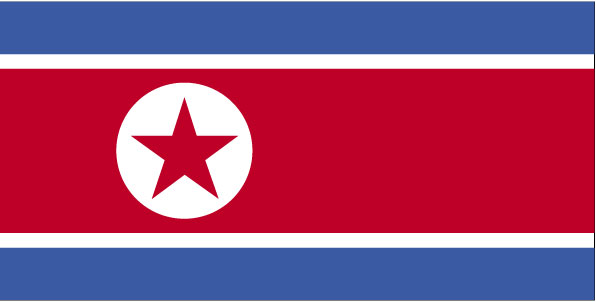
Korea, North
Declare Your Relationship to Korea, North
CountryReports Community
- Studying10
- From Korea, North6
- Korea, North heritage4
- Visited3
- Want to visit6
Customs and Culture
Customs and Culture
Cultural Attributes
One should be aware of the pervasive influence of self reliance on the Korean psyche. It impacts every aspect Korean culture, from politics to music. Reliance provides a reason for personal sacrifice, and it is what has convinced the people that they are better off than other nations.
North and South Koreans often use extreme modesty when speaking about themselves. Reluctance to accept high honors is the mark of a true Korean gentleman. Compliments are graciously denied. Success depends greatly on social contacts. Friends expect to rely on each other for just about anything. Koreans are quick to make friends and friendships are highly valued.

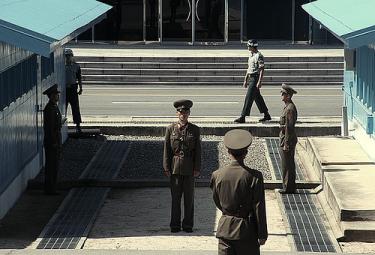
Monument to the People's Will
Get More Customs and Culture
5 more cultural topics for members
Social Customs & Etiquette · Diet · Family · Dating Customs · Recreation
Every country, every topic, all activities & recipes
✓ Instant access on this device · ✓ No subscription
Holidays
Founding of the Democratic People's Republic of Korea (DPRK)
9/9Independence
Hangul Day
10/9Other
Hangul Day - on this day in 1446, King Sejong the Great promulgated the Korean alphabet, hangul.
Christmas
12/25Christmas
Christmas day in North Korea is just like any other day. There is no Santa Claus, or Santa Haraboji, pronounced ‘Santa ha-ra-bo-jee’ in North Korea. Christmas Eve is celebrated by underground Christians only in their hearts. There are no Christmas gifts, no Christmas trees, no candy canes, and not one Christmas carol in North Korea. There are also no substitute festivities or any kind of holiday fanfare during the Christmas months. No one is allowed to put up a Christmas tree or sing a Christmas carol. There are no gifts exchanged and nowhere in North Korea will you see the picture of Santa Claus.
If the North Korean regime discovers that a person is a believer in Christianity, the Christian can be tortured, made to go through a labor camp or publicly executed to discourage others.
Dates of Interest
- Varies
A traditional harvest festival celebrated on the 15th day of the 8th lunar month, involving family gatherings, feasts, and ancestral rites.
How do people greet each other in KoreaNorth?
Greetings and introductions are formal, with bowing being most common, though handshakes occur among men. The Korean language has different levels of formality, so greetings change depending on who is involved.
Do
- Have younger or lower-status people bow until the other offers a handshake or returns the bow
- When men shake hands, extend the right hand and support it at the wrist with the left hand to show deference, with the head slightly bowed
- When women meet, extend both hands and grasp each other's hands
- When greeting a superior, ask about their health and parents; with a subordinate, ask about spouse and children
Good to know
- The most common greeting is "Anyong haseyo" ("Are you at peace?"), meaning "How are you?"
- Use "Anyong" with children and "Anyong hashimnikka" for superiors — the different endings indicate levels of respect
- Children always bow to adults and wave or bow among themselves
What are the dining customs in KoreaNorth?
Korean food is generally spicy, built around kimch'i and rice, with a favorite dish being naengmyon, a cold noodle dish. Use spoons for soup and chopsticks for everything else.
Do
- Slurping soup and noodles is accepted and is a practical way to eat hot food quickly
- Use a spoon for soup and chopsticks for everything else
Don’t
- Don't eat with your fingers, as it is considered impolite
- Don't eat while walking on the street, as it is considered ill-mannered and offensive
Good to know
- Meals usually consist of spicy vegetables, soup, fish, and kimch'i
- Conversation during meals is quite limited, except during lengthy dinner parties
- Delicacies like pulkogi (marinated beef) and kalbi (short ribs) are less common than in the South due to lower economic conditions
- Families rarely eat daily meals together; fathers often eat at workplace cafeterias
What is the visiting and hospitality etiquette in KoreaNorth?
Koreans do not commonly visit unannounced, and arranged social visits are infrequent, but hosts are very generous, offering guests the best the household has to offer. Showing respect for the family and state is of utmost importance during visits.
Do
- Bring a gift for the hosts as a sign of respect — often fruit, a beverage, or something from your home region
- Remove shoes and hats indoors; wear slippers if provided, otherwise socks
- Pay particular attention to the host and respect his feelings
- Give and receive gifts with both hands
Don’t
- Don't visit unannounced
- Don't expect a superior to visit a subordinate unless special business calls for it
Good to know
- The gesture of giving a gift matters far more than its value
- Guests are nearly always offered light refreshments such as a drink, fruit, crackers, cookies, or coffee
- If there are many guests, age or status determines the best seat, the best cut of meat, and the largest drink
What should I wear in KoreaNorth?
Conservative dress is important in public, and traditional clothing is often worn for special occasions or holidays.
Do
- Dress conservatively in public
- Wear traditional clothing for special occasions — women often wear the two-piece, colorful hanbok, and men wear pants with a loose robe or jacket
Don’t
- Don't go barefoot, as bare feet are inappropriate
Good to know
- Clothing often depends on the event
What gestures and body language should I know in KoreaNorth?
Good posture shows respect, and physical touch is largely limited to friends of the same sex. Hands are generally not used much in conversation.
Do
- Maintain good posture to show respect for the host or speaker
- Remove hats in buildings and in the presence of an elder or superior
- Give and receive gifts with both hands
Don’t
- Don't sit in a relaxed manner, as it is considered an insult
- Don't expose the soles of your feet to another person while sitting
- Don't touch strangers or casual acquaintances, especially between opposite sexes
- Don't look a superior directly in the eye
Good to know
- Men holding hands or slinging an arm over a friend's shoulder is a normal expression of friendship
What is family life like in KoreaNorth?
The family remains important, but the government has redirected traditional devotion toward the larger society and state, promoting the slogan "love your family, love your state."
Good to know
- Both parents usually work and children go to day care
- Consumerism is discouraged in favor of austerity, though workers can earn supplies, benefits, and gifts from employers or the government
- The government has set minimum marriage ages of 27 for men and 25 for women to allow for military service and other obligations
What do people do for recreation in KoreaNorth?
Koreans enjoy traditional sports such as tae-kwon-do and ssirum, a form of wrestling.
Good to know
- Tae-kwon-do is a martial art that originated in Korea 2000 years ago as self-defense exercise
- In ssirum, a competitor grasps the opponent's belt (satba) and tries to throw him to the ground; touching the ground above the knee loses the match
Last updated: 2026-07-12 · Sources: CountryReports
Photos of Korea, North
Photos of Korea, North


Travel and Tourism
Travel and Tourism
- Travel Alert Status
- Level 4: Do Not Travel
- Currency
- North Korean won (KPW)
- Time Difference
- UTC+9 (14 hours ahead of Washington, DC, during Standard Time) time zone note: on 5 May 2018, North Korea reverted to UTC+9, the same time zone as South Korea
- Climate
- temperate with rainfall concentrated in summer
- Airports
- 78
Read the full travel guide — health, safety, vaccinations, disease risk, sanitation, and transit details.
View full travel guideRecipes
Recipes
History
History
Historical Eras
Ancient Kingdoms
100 BCE – 935
The Korean Peninsula was organized into the rival kingdoms of Koguryo, Paekche, and Shilla by the first century AD, with Koguryo dominating much of what is now North Korea and Manchuria. In 668 AD, the Shilla kingdom unified the peninsula under a single rule, blending Buddhist culture with a centralized aristocratic state. This era laid the linguistic, cultural, and ethnic foundations of Korean civilization.
Koryo & Choson Dynasties
935 – 1910
The Koryo dynasty (935–1392), from which the Western name 'Korea' derives, succeeded Shilla and endured Mongol occupation from 1231 into the early 14th century. The Yi clan's Choson dynasty replaced Koryo in 1392 and governed for over five centuries, adopting Confucian statecraft and resisting major Japanese invasions in 1592 and 1597. Korea's isolation in the 19th century earned it the title 'Hermit Kingdom' before Japanese imperial ambitions ended Korean sovereignty.
Japanese Colonial Rule
1910 – 1945
Japan annexed Korea in 1910 following victories in the Sino-Japanese and Russo-Japanese wars, establishing a colonial administration that suppressed Korean language, culture, and organized resistance. Tokyo exercised tight centralized control over the peninsula for 35 years, extracting resources and labor while systematically dismantling traditional Korean institutions. Japan's surrender in August 1945 ended colonial rule and immediately precipitated the division of Korea along the 38th parallel.
Division & Korean War
1945 – 1953
Following World War II, the USSR occupied the north while the United States administered the south, and Cold War deadlock prevented reunification. The Democratic People's Republic of Korea was proclaimed in 1948 under Kim Il-sung, with Soviet troops withdrawing thereafter. The Korean War (1950–1953) devastated the peninsula and ended in an armistice that cemented the division, leaving the DPRK heavily militarized and ideologically hardened.
Kim Il-sung Era
1953 – 1994
Kim Il-sung consolidated absolute power under the Juche ideology of self-reliance, directing rapid heavy industrialization through the 1960s while building one of the world's largest standing armies. The state enforced a cult of personality and rigid socialist command economy, increasingly isolating North Korea from the international community. Decades of mismanagement and resource diversion toward the military eroded living standards and made the country dependent on foreign food assistance.
Kim Jong-il & Nuclear Crisis
1994 – present
Kim Jong-il assumed power following his father's death in 1994, presiding over a catastrophic famine triggered by flooding and economic collapse that killed hundreds of thousands. The regime pursued an aggressive nuclear weapons program, repudiating a 1994 non-proliferation agreement in 2002 and declaring itself a nuclear-armed state in 2005, alarming the international community. Despite a landmark inter-Korean summit in 2000, North Korea remained one of the world's most isolated and militarized states.
Overview
The Korean Peninsula was first populated by peoples of a Tungusic
Every country, every topic, all activities & recipes
✓ Instant access on this device · ✓ No subscription
Timeline of Key Events
1231 – 1336
Mongol Domination
Mongol Domination.
1945
Korea was liberated after nearly 40 years of Japanese colonial rule.
Korea was liberated after nearly 40 years of Japanese colonial rule, but it soon faced the tragic division of the North and South along the 38th parallel.
1948
Democratic People’s Republic of Korea proclaimed. Soviet troops withdraw.
Democratic People’s Republic of Korea proclaimed. Soviet troops withdraw.
1950 – 1953
Korean War.
Korean War. South declares independence, sparking North Korean invasion.
1960
Heavy industrial growth.
Heavy industrial growth.
1991
North and South Korea join the United Nations.
North and South Korea join the United Nations.
1992
North Korea agrees to allow inspections by International Atomic Energy Agency.
North Korea agrees to allow inspections by International Atomic Energy Agency (IAEA), but over next two years refuses access to sites of suspected nuclear weapons production.
Read the full history profile — narrative overview, defining eras, and the complete timeline in one place.
View expanded historyInteresting Facts
Interesting Facts
North Korea's capital, Pyongyang was completely rebuilt after the Korean War as a city of wide avenues, neatly designed parks and enormous marble public buildings.
See every fact — trivia, oddities, and curious tidbits gathered from across the country.
View all interesting factsGeography and Environment
Geography and Environment
- Terrain
- mostly hills and mountains separated by deep, narrow valleys; coastal plains wide in west, discontinuous in east
- Climate
- temperate with rainfall concentrated in summer
- Natural Hazards
- late spring droughts often followed by severe flooding; occasional typhoons during the early fall
- Current Environmental Issues
- water pollution; inadequate supplies of potable water; water-borne disease; deforestation; soil erosion and degradation
Read the full geography and environment profile — terrain, climate, natural resources, hazards, land use, and international agreements.
View full geographyPeople & Demographics
People & Demographics
Languages Spoken
Korean
- Korean
Population
- Population
- 26,072,217
- Population in Major Urban Areas
- PYONGYANG (capital) 2.843 million
- Nationality Noun
- Korean(s)
- Ethnic Groups
- racially homogeneous; there is a small Chinese community and a few ethnic Japanese
- Language Note
- Korean is spoken in both North and South Korea and is written in a phonetic alphabet created and promulgated in the mid-15th century. While the alphabet is called Hangul in South Korea, it is known as Chosongul in North Korea. Although the Korean language is derived with words adapted from Chinese, the North Koreans, unlike the South Koreans, do not use Chinese characters with Chosongul in their newspapers and publications. They prefer to use only Chosongul, which is sufficient for most needs. There are differences in vocabulary between the North and the South, influenced somewhat by politics and also by the contact each country has had with other nations. Russian, Chinese, and English are taught as second languages in the schools.
Education
- Literacy Definition
- age 15 and over can read and write Korean
Health Information
- Life Expectancy at Birth
- Life expectancy at birth in North Korea stands at approximately 72 to 73 years overall, with women generally outliving men by several years. Estimates place female life expectancy at around 75 to 76 years, while male life expectancy falls closer to 69 to 70 years. These figures reflect meaningful improvements over the mid-twentieth century but remain well below the averages seen in neighboring South Korea and Japan, where life expectancies routinely exceed 83 to 84 years. The trajectory of life expectancy in North Korea tells a story shaped significantly by political and economic upheaval. The devastating famine of the 1990s, often referred to as the Arduous March, caused widespread malnutrition and a spike in mortality rates that set back decades of prior health gains. During the worst years of that period, life expectancy is estimated to have dropped noticeably before beginning a slow and uneven recovery into the 2000s and beyond. Chronic malnutrition remains a persistent challenge, particularly affecting children and rural populations. Stunting rates among young children have historically been elevated, and inadequate caloric intake weakens immune systems and increases vulnerability to otherwise preventable or treatable illnesses. Access to clean water and sanitation infrastructure, while comparatively better in urban centers such as Pyongyang, remains inconsistent across rural and mountainous regions of the country. The North Korean healthcare system is nominally universal, with the government maintaining a network of clinics, hospitals, and cooperative medical facilities. However, shortages of medicines, medical equipment, and trained specialists have long undermined the system's effectiveness, particularly outside the capital. International humanitarian assessments have documented significant gaps between stated government policy and actual health service delivery on the ground. The country's prolonged border closures since early 2020 further disrupted the already limited flow of humanitarian medical supplies into the country. Non-communicable diseases, including cardiovascular conditions and respiratory illnesses, are increasingly significant contributors to mortality as the population ages. Tobacco use among adult men is notably high, adding substantially to the burden of chronic disease. Limited dietary diversity, with heavy reliance on grains such as corn and rice, also contributes to micronutrient deficiencies that affect long-term health outcomes across all age groups.
- Infant Mortality Rate
- North Korea's infant mortality rate remains one of the more pressing public health concerns on the Korean Peninsula, though it has shown gradual improvement over recent decades. As of the most recently available estimates, the country's infant mortality rate stands at approximately 14 to 17 deaths per 1,000 live births, a figure that reflects both modest healthcare advancements and the continued strain of economic isolation and food insecurity on the general population. During the 1990s, North Korea experienced a devastating famine that severely impacted child survival rates, pushing infant mortality figures significantly higher. The gradual recovery from that period, combined with limited international humanitarian assistance, has helped bring numbers down from their peak, though progress remains uneven across different regions of the country. A number of factors continue to contribute to elevated infant mortality compared to neighboring South Korea, which reports a rate of fewer than 3 deaths per 1,000 live births. These factors include limited access to clean water and proper sanitation in rural areas, shortages of essential medicines and medical equipment in hospitals, inadequate nutrition among pregnant women and newborns, and restricted access to reliable prenatal and postnatal care outside of Pyongyang and other major urban centers. UNICEF and World Health Organization assessments have noted that while North Korea has maintained a basic public health infrastructure, including a network of clinics and hospitals, the quality and supply of care vary considerably. Malnutrition among mothers and infants continues to be a root cause of preventable deaths, particularly outside the capital. International aid organizations have periodically delivered nutritional supplements, vaccines, and medical supplies to the country, with some measurable impact on child survival outcomes. However, restricted access for foreign monitors makes precise data collection difficult, meaning published figures should be understood as estimates derived from modeling and limited available data rather than comprehensive national surveys.
Life Expectancy
- Life Expectancy at Birth
- Life expectancy at birth in North Korea stands at approximately 72 to 73 years overall, with women generally outliving men by several years. Estimates place female life expectancy at around 75 to 76 years, while male life expectancy falls closer to 69 to 70 years. These figures reflect meaningful improvements over the mid-twentieth century but remain well below the averages seen in neighboring South Korea and Japan, where life expectancies routinely exceed 83 to 84 years. The trajectory of life expectancy in North Korea tells a story shaped significantly by political and economic upheaval. The devastating famine of the 1990s, often referred to as the Arduous March, caused widespread malnutrition and a spike in mortality rates that set back decades of prior health gains. During the worst years of that period, life expectancy is estimated to have dropped noticeably before beginning a slow and uneven recovery into the 2000s and beyond. Chronic malnutrition remains a persistent challenge, particularly affecting children and rural populations. Stunting rates among young children have historically been elevated, and inadequate caloric intake weakens immune systems and increases vulnerability to otherwise preventable or treatable illnesses. Access to clean water and sanitation infrastructure, while comparatively better in urban centers such as Pyongyang, remains inconsistent across rural and mountainous regions of the country. The North Korean healthcare system is nominally universal, with the government maintaining a network of clinics, hospitals, and cooperative medical facilities. However, shortages of medicines, medical equipment, and trained specialists have long undermined the system's effectiveness, particularly outside the capital. International humanitarian assessments have documented significant gaps between stated government policy and actual health service delivery on the ground. The country's prolonged border closures since early 2020 further disrupted the already limited flow of humanitarian medical supplies into the country. Non-communicable diseases, including cardiovascular conditions and respiratory illnesses, are increasingly significant contributors to mortality as the population ages. Tobacco use among adult men is notably high, adding substantially to the burden of chronic disease. Limited dietary diversity, with heavy reliance on grains such as corn and rice, also contributes to micronutrient deficiencies that affect long-term health outcomes across all age groups.
- Infant Mortality Rate
- North Korea's infant mortality rate remains one of the more pressing public health concerns on the Korean Peninsula, though it has shown gradual improvement over recent decades. As of the most recently available estimates, the country's infant mortality rate stands at approximately 14 to 17 deaths per 1,000 live births, a figure that reflects both modest healthcare advancements and the continued strain of economic isolation and food insecurity on the general population. During the 1990s, North Korea experienced a devastating famine that severely impacted child survival rates, pushing infant mortality figures significantly higher. The gradual recovery from that period, combined with limited international humanitarian assistance, has helped bring numbers down from their peak, though progress remains uneven across different regions of the country. A number of factors continue to contribute to elevated infant mortality compared to neighboring South Korea, which reports a rate of fewer than 3 deaths per 1,000 live births. These factors include limited access to clean water and proper sanitation in rural areas, shortages of essential medicines and medical equipment in hospitals, inadequate nutrition among pregnant women and newborns, and restricted access to reliable prenatal and postnatal care outside of Pyongyang and other major urban centers. UNICEF and World Health Organization assessments have noted that while North Korea has maintained a basic public health infrastructure, including a network of clinics and hospitals, the quality and supply of care vary considerably. Malnutrition among mothers and infants continues to be a root cause of preventable deaths, particularly outside the capital. International aid organizations have periodically delivered nutritional supplements, vaccines, and medical supplies to the country, with some measurable impact on child survival outcomes. However, restricted access for foreign monitors makes precise data collection difficult, meaning published figures should be understood as estimates derived from modeling and limited available data rather than comprehensive national surveys.
Read the full people and society profile — demographics, health, education, religion, languages, and notable people.
View full people and societyGovernment & Politics
Government & Politics
Country Identity
- Country Name
- KoreaNorth
- Full Country Name
- Democratic People's Republic of Korea
- Local - Long
- Choson-minjujuui-inmin-konghwaguk
Government Structure
- Government Type
- Communist state one-man dictatorship
- Legal System
- based on German civil law system with Japanese influences and Communist legal theory; no judicial review of legislative acts; has not accepted compulsory ICJ jurisdiction
- Executive Branch
- chief of state: KIM Jong Un (since December 2011); KIM Jong Un serves as General Secretary of the Korean Workers' Party and President of the State Affairs Commission, the position recognized as the nation's highest office; KIM Jong Un assumed full control following the death of his father, KIM Jong Il, in December 2011 and has consolidated authority across party, state, and military structures; CHOE Ryong Hae serves as President of the Presidium of the Supreme People's Assembly, nominally responsible for representing the state and receiving diplomatic credentials head of government: Premier KIM Tok Hun (since August 2020); multiple Vice Premiers assist in overseeing state administrative functions under the Cabinet cabinet: Naegak (cabinet) members, except for the Minister of National Defense, are appointed by the Supreme People's Assembly (SPA) elections: KIM Jong Un faces no electoral competition; SPA deputies are elected every five years in single-candidate elections; last SPA elections held in March 2019 (next scheduled for 2024) election results: all candidates for the SPA ran unopposed with officially reported approval rates near 100 percent; leadership positions within the state and party are determined through party processes rather than competitive elections
- Legislative Branch
- Unicameral Supreme People's Assembly or Ch'oego Inmin Hoeui (687 seats; members elected by popular vote to serve five-year terms) Elections: Last held on March 10, 2019 (next to be held in 2024) Election results: Percent of vote by party — NA; seats by party — NA; the ruling Korean Workers' Party approves a single list of candidates who are elected without opposition and with an officially reported 100% turnout; some seats are held by minor parties including the Korean Social Democratic Party and the Chondoist Chongu Party
- Judicial Branch
- Central Court (judges are elected by the Supreme People's Assembly)
- Suffrage
- 17 years of age; universal
- Constitution
- adopted 1948, completely revised 27 December 1972, revised again in April 1992 and September 1998
- Independence
- 15 August 1945 (from Japan)
- National Holiday
- Founding of the Democratic People's Republic of Korea (DPRK), 9 September (1948)
Capital City
- Capital Name
- Pyongyang
- Capital - geographic coordinate
- 39 01 N, 125 45 E
- Capital Time Difference
- UTC+9 (14 hours ahead of Washington, DC, during Standard Time) time zone note: on 5 May 2018, North Korea reverted to UTC+9, the same time zone as South Korea
the name translates as "flat land" in Korean
Military
Branches: North Korean People's Army: Ground Forces, Navy, Air Force; civil security forces
Embassy / Diplomatic Mission
North Korea does not have an embassy in the United States. U.S. citizens and residents planning to travel to North Korea may obtain DPRK visas at the DPRK Embassy in Beijing, China, which will issue visas only upon authorization from the DPRK Foreign Ministry in Pyongyang.
Before departing for China, you may wish to contact the DPRK Embassy in Beijing to confirm it has received authorization from Pyongyang to issue you a visa.
The Embassy of the Democratic People's Republic of Korea in Beijing
No. 11, Ritan Bei Lu,
Jianguomen Wai,
Chaoyang District
Beijing, China 100600
Telephone: (86-10) 6532-6639 (Visa Office)
Telephone: (86-10) 65312-1186
Facsimile: (86-10) 6532-6056
If you wish to ask the DPRK whether your application for a visa would be approved, you may address your inquiry to the Permanent Representative of the Democratic People's Republic of Korea to the United Nations in New York.
The Permanent Representative of the Democratic
People’s Republic of Korea to the United Nations
820 Second Avenue
New York, NY 10017
Telephone: (212) 972-3105
Facsimile: (212) 972-3154
If you live abroad in a country with diplomatic relations with the DPRK, you could ask the DPRK embassy in that country for visa advice.
The Embassy of Sweden (U.S. Protecting Power):
Swedish Embassy (U.S. Protecting Power)
Munsu-Dong District
Pyongyang, DPRK
Telephone: (850-2) 3817 485 (reception)
Telephone: (850-2) 3817 904, (850-2) 3817 907 (Deputy)
Telephone: (850-2) 3817 908, (850-2) 3817 905 (Ambassador)
Facsimile: (850-2) 3817 663
Email: ambassaden.pyongyang@gov.se
U.S. Embassy Beijing: The Embassy is located near the Ladies' Street (Nuren Jie) and Laitai Flower Market, opposite the Kempinski Hotel and Lufthansa shopping Center.
U.S. Embassy Beijing
American Citizens Services Unit
No. 55 An Jia Lou Road
Chaoyang District
Beijing, China 100600
Telephone: (86-10) 8531-4000
Facsimile: (86-10) 8531-3300
Email: beijingacs@state.gov
Emergency after-hours telephone: (86-10) 8531-4000
U.S. Embassy Seoul: The Embassy is located across the street from Sejong Cultural Center and next to the Ministry of Information and Communication/KT Building.
U. S. Embassy Seoul
American Citizen Services Unit
188 Sejong Daero, Jongno-gu
Seoul, Republic of Korea
Telephone: (82-2) 397-4114
Facsimile: (82-2) 2-397-4101
E-mail: seoulinfo@state.gov
Emergency after-hours telephone: (82-2) 397-4114
Read the full government profile — flag symbolism, national anthem, and other national symbols.
View full government detailsEconomy
Economy
North Korea operates one of the world's most centrally planned and isolated economies, facing chronic and severe economic hardship.
Snapshot
- Currency Name and Code
- North Korean Won (KPW)
- GDP Real Growth Rate
- -1.1%
Every country, every topic, all activities & recipes
✓ Instant access on this device · ✓ No subscription
News & Weather
News & Weather
Current Weather
Latest News
Half of remote IT job applications now carry North Korean fraud patterns, startup Endorsed finds - Fortune
Fortune · 2d ago
North Korea and US show signs of resuming dialogue, South Korean lawmaker says - reuters.com
reuters.com · 2d ago
North Korea’s next ruler? Kim Jong-un’s daughter, Seoul’s spies say - South China Morning Post
South China Morning Post · 2d ago
South Korea Spy Agency Sees Chances of Trump-Kim Summit Any Time - Bloomberg.com
Bloomberg.com · 2d ago
North Korea’s threat to moral norms - The Hill
The Hill · 10h ago
Don’t Cut Off Friends to Reach Out to North Korea - Bloomberg.com
Bloomberg.com · 1d ago
Trump says Kim Jong-un has responded to his overtures when asked about scaling back US drills with South Korea – as it happened - The Guardian
The Guardian · 17d ago
‘Kim Jong-un Era 2.0.’: North Korea drops reunification goal from party charter - The Times of India
The Times of India · 14h ago
News via Google News
Climate Overview
temperate with rainfall concentrated in summer
Videos
Videos
1 curated YouTube videos.
Source: YouTube
Frequently Asked Questions
Frequently Asked Questions
What is the population of Korea, North?
How do people greet each other in KoreaNorth?
What are the dining customs in KoreaNorth?
What is the visiting and hospitality etiquette in KoreaNorth?
What should I wear in KoreaNorth?
What gestures and body language should I know in KoreaNorth?
What is family life like in KoreaNorth?
What do people do for recreation in KoreaNorth?
What is the capital of North Korea?
Where is North Korea located?
What countries border North Korea?
What is the currency of North Korea?
What language is spoken in North Korea?
What is the official ideology of North Korea?
What is North Korea known for?
What is the government structure of North Korea?
Last reviewed 2026