
 English
 Español
 中文
中文 हिन्दी
 Français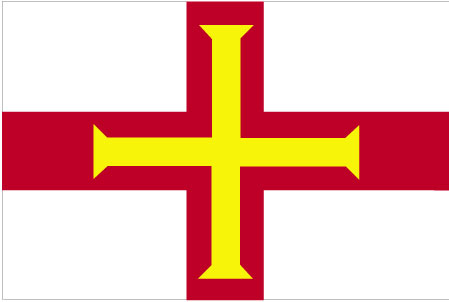
Guernsey
Declare Your Relationship to Guernsey
CountryReports Community
- Studying0
- From Guernsey0
- Guernsey heritage0
- Visited0
- Want to visit0
Customs and Culture
Customs and Culture
Cultural Attributes
Guernsey's cultural identity is shaped by its unique position as a self-governing Crown dependency situated just off the Normandy coast of France, yet closely tied to British traditions. This dual heritage has produced a culture that blends English and Norman French influences in ways rarely found elsewhere in the world. The island's native language, Guernésiais (also known as Guernsey French or Dgernesiais), is a form of Norman French that developed over centuries of relative isolation. Although fewer than 2,000 fluent speakers remain — primarily among older generations — there are active efforts to preserve and revive the language through schools and cultural organizations. Place names, family surnames, and local expressions across the island still reflect this deep Norman linguistic heritage. Guernsey's folk traditions include distinctive dairy farming practices, most notably associated with the world-famous Guernsey cattle breed, which has become a symbol of island identity. The famous Guernsey sweater, a thick woolen garment originally worn by fishermen, is another cultural emblem with roots dating back to at least the 15th century and was historically knitted by islanders during long winter months. The island observes Liberation Day on May 9th each year, commemorating the end of the German Occupation during World War II (1940–1945). This annual public holiday is one of the most emotionally significant cultural events in Guernsey, featuring parades, community gatherings, and ceremonies that reinforce a strong collective memory of resilience and identity. Occupation-era history permeates public life, with several museums, bunkers, and monuments dedicated to preserving this chapter of the island's past. The arts are supported through institutions such as the Guernsey Arts Commission, and the island has produced notable literary figures, including the French Romantic author Victor Hugo, who lived in exile on Guernsey from 1855 to 1870 and wrote several major works there, including "Les Misérables." His former residence, Hauteville House, remains a cultural landmark open to visitors. Community life is centered on parish governance, with ten parishes each maintaining distinct local identities, traditions, and annual events that reinforce a strong sense of belonging among residents.

Island of Writers and Exile
Get More Customs and Culture
2 more cultural topics for members
Social Customs & Etiquette · Dating Customs
Holidays
Liberation Day
5/9Independence
Dates of Interest
- May 9th
Is there any traditional dress in Guernsey?
The Guernsey sweater is a cultural emblem of the island—a thick woolen garment originally worn by fishermen, with roots dating back to at least the 15th century.
Good to know
- The sweater was historically knitted by islanders during long winter months
What cultural sites and traditions can travelers experience in Guernsey?
Guernsey offers rich cultural experiences rooted in its Norman French heritage, Occupation-era history, and literary connections, including Victor Hugo's former residence.
Do
- Visit Hauteville House, Victor Hugo's former residence and a cultural landmark open to visitors
- Explore museums, bunkers, and monuments dedicated to the German Occupation (1940–1945)
- Look for the world-famous Guernsey cattle breed, a symbol of island identity
Good to know
- The arts are supported through institutions such as the Guernsey Arts Commission
- Note place names, surnames, and expressions reflecting the native Guernésiais language
- Ten parishes each maintain distinct local identities, traditions, and annual events
What should travelers know before visiting Guernsey?
Guernsey is a self-governing Crown dependency off the Normandy coast of France, blending English and Norman French influences, with Liberation Day on May 9th as its most emotionally significant cultural event.
Good to know
- Liberation Day (May 9th) commemorates the end of the German Occupation and features parades, community gatherings, and ceremonies
- The native language, Guernésiais (Guernsey French), survives among fewer than 2,000 fluent speakers, mostly older generations
- Community life centers on parish governance across ten parishes
Last updated: 2026-07-12 · Sources: CountryReports
Photos of Guernsey
Photos of Guernsey
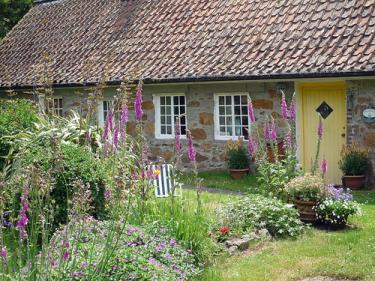
A house and garden
View
Street view
St. Peter Port
Guernsey, Strand kids on the beach
Harbor St Peter Port - Guernsey
Graveyard St Peter Port - Guernsey
Prisoner’s Walk Castle Cornet St Peter Port - Guernsey
Table des pions or Fairy ring Pleinmont - Guernsey
View of sea from Clifpath Soldiers Bay - Guernsey
Pleinmont - Guernsey
Guernsey fruit cake


Travel and Tourism
Travel and Tourism
- Currency
- British pound (GBP); note - there is also a Guernsey pound
- Time Difference
- UTC 0 (5 hours ahead of Washington, DC, during Standard Time)
- Climate
- Temperate with mild winters and cool summers; about 50% of days are overcast
- Airports
- 2
Read the full travel guide — health, safety, vaccinations, disease risk, sanitation, and transit details.
View full travel guideRecipes
Recipes
History
History
Historical Eras
Prehistoric & Roman
6000 BCE – 933
Guernsey was inhabited from at least the Neolithic period, evidenced by megalithic monuments such as the La Varde passage grave. The Romans held a presence in the Channel Islands, and subsequent centuries saw Viking raids and Norse settlement shape the island's population and culture before formal incorporation into the Norman realm.
Norman & Medieval
933 – 1483
Guernsey became part of the Duchy of Normandy in 933 AD. When Duke William conquered England in 1066, the island remained a ducal possession, and after King John lost continental Normandy to France in 1204, Guernsey chose loyalty to the English Crown in exchange for the preservation of Norman customary law, its own judiciary, and distinct constitutional liberties.
Early Modern & Civil War
1483 – 1700
Royal charters from successive English monarchs confirmed Guernsey's unique autonomy. The English Civil War brought sharp divisions — Parliament dissolved the Royal Court in 1642 — while Castle Cornet held out for the Crown until 1651, making it one of the last Royalist strongholds in the British Isles.
Georgian Expansion
1700 – 1815
Guernsey experienced significant construction of defensive works, public buildings, and infrastructure. The Napoleonic threat prompted coastal Martello towers and the fortification programme overseen by Sir John Doyle after 1803, who also developed the island's road network. Granite quarrying and shipbuilding emerged as major industries alongside a growing maritime trade economy.
Victorian & Industrial Growth
1815 – 1940
The nineteenth century brought commercial prosperity through granite exports, shipbuilding, and expanding tourism aided by regular steamship services. Cultural life flourished, most notably during Victor Hugo's exile on the island from 1855 to 1870. The introduction of local coinage and civic improvements reflected a confident, self-governing community managing its distinct constitutional status.
Occupation & Modern Era
1940 – present
German forces occupied Guernsey from 1940 to 1945, making it the only British soil under Nazi occupation during World War II; Liberation Day on 9 May 1945 remains the island's most significant public commemoration. Post-war Guernsey developed into a prosperous offshore financial centre while retaining its Crown dependency status, distinct legal system, and cultural identity, symbolised by the adoption of its own flag in 1985.
Overview
Although Guernsey is geographically closer to the Normandy coast than to the south coast of England it is a dependency of the British Crown.
Timeline of Key Events
1642
English Civil War starts. Guernsey’s Royal Court is dissolved by Parliament.
English Civil War starts. Guernsey’s Royal Court is dissolved by Parliament. Guernsey backs Parliamentarians but Royalist forces hold out in Castle Cornet.
1700
A lot of building work in Guernsey as defensive, domestic and public structures began to spring up.
The start of the 1700s saw a lot of building work in Guernsey as defensive, domestic and public structures began to spring up. The islands were in the front line again as war errupted throughout the mainland of Europe.
1736
Alderney’s Braye Harbor is established.
Alderney’s Braye Harbor is established.
1780
Construction of Fort George begins. It is built to replace Castle Cornet as a garrison fort.
Construction of Fort George begins. It is built to replace Castle Cornet as a garrison fort.
1787
Duke of Richmond commissions a survey of the Island and a map is produced.
Duke of Richmond commissions a survey of the Island and a map is produced.
1789
Martello towers start appearing on Guernsey’s coast under the threat of attack by Napoleon.
Martello towers (as called locally but are actually loophole towers) start appearing on Guernsey’s coast under the threat of attack by Napoleon.
1803
Sir John Doyle arrives. He develops new roads and fortified towers against the French.
Sir John Doyle arrives. He develops new roads and fortified towers against the French.
Read the full history profile — narrative overview, defining eras, and the complete timeline in one place.
View expanded historyInteresting Facts
Interesting Facts
Guernsey bailiwick (2005 est. pop. 65,000) includes Alderney, Sark, Herm, Brechou, Jethou, and smaller islands.
In the 1800’s, wealthy French residents fleeing the revolution, set up home in the islands and many of the Town houses one sees today were built during this era. In St Peter Port, much of the harbor had been built by 1865.
The French writer Victor Hugo wrote some of his best-known works while in exile in Guernsey, including Les Misérables. His home in St. Peter Port, Hauteville House, is now a museum.
See every fact — trivia, oddities, and curious tidbits gathered from across the country.
View all interesting factsGeography and Environment
Geography and Environment
- Terrain
- mostly level with low hills in southwest
- Climate
- temperate with mild winters and cool summers; about 50% of days are overcast
- Natural Hazards
- NA
- Current Environmental Issues
- NA
Read the full geography and environment profile — terrain, climate, natural resources, hazards, land use, and international agreements.
View full geographyPeople & Demographics
People & Demographics
Languages Spoken
English, French, Norman-French dialect spoken in country districts
- English
- French
Population
- Population
- 67,491
- Nationality Noun
- Channel Islander(s)
- Ethnic Groups
- UK and Norman-French descent
Health Information
- Life Expectancy at Birth
- Life expectancy at birth in Guernsey is notably high, reflecting the island's strong healthcare infrastructure, relatively affluent population, and quality of life. Residents of Guernsey can expect to live an average of approximately 83 years, placing the island among the longer-lived populations in the Western world. Women generally outlive men, with female life expectancy reaching around 85–86 years compared to approximately 81–82 years for males. These figures are broadly consistent with those seen in other prosperous Channel Island jurisdictions and comparable to leading nations such as Switzerland, Japan, and Australia. The island benefits from a well-funded healthcare system administered through the States of Guernsey, which provides residents with access to modern medical facilities, preventive care, and specialist services. The island's general hospital, Princess Elizabeth Hospital, serves as the primary healthcare center, while more complex cases are often referred to hospitals in the United Kingdom. Several factors contribute to Guernsey's favorable life expectancy outcomes. The island has a relatively low population density, a clean environment, and low crime rates — conditions broadly associated with longer, healthier lives. Guernsey also enjoys a high standard of living supported by a robust financial services sector, which contributes to individual wealth levels and access to quality nutrition, housing, and healthcare. The island's outdoor culture, including access to coastal walks and recreational activities, also encourages active lifestyles among residents. The aging population is an important consideration for Guernsey's policymakers. With life expectancy remaining high and birth rates relatively modest, the proportion of older residents is increasing over time, placing growing demand on pension systems, social services, and healthcare capacity. The States of Guernsey has acknowledged these demographic trends in long-term strategic planning, recognizing that supporting an aging population will be one of the island's significant policy challenges in coming decades. Overall, Guernsey's life expectancy statistics reflect a community that prioritizes health and well-being, supported by capable governance, economic stability, and a high standard of public services.
- Infant Mortality Rate
- Guernsey maintains one of the lowest infant mortality rates in the world, reflecting the island's high standard of living, well-developed healthcare infrastructure, and strong public health practices. The infant mortality rate for Guernsey is estimated at approximately 3 to 4 deaths per 1,000 live births, a figure consistent with other highly developed Western European jurisdictions and comparable to nations such as Sweden, Japan, and Finland. This low rate is largely attributable to Guernsey's robust healthcare system, which includes the Princess Elizabeth Hospital as the island's primary acute care facility. Antenatal and postnatal care services are widely accessible to residents, ensuring that expectant mothers receive consistent medical monitoring before and after childbirth. High rates of skilled birth attendance and access to neonatal intensive care when necessary contribute significantly to positive outcomes for newborns. Socioeconomic factors also play an important role. Guernsey enjoys a high per capita income, low poverty levels, and strong social support systems, all of which correlate with better maternal and infant health outcomes. Nutritional standards are generally high, and public health education around prenatal care, breastfeeding, and infant welfare is well established on the island. As a Crown Dependency of the United Kingdom rather than an independent sovereign state, Guernsey does not always appear in major international health databases as a standalone entry. Estimates for the island are often drawn from regional data or administrative health records published by the States of Guernsey, the island's governing body. Despite this, the available figures consistently indicate that infant mortality in Guernsey is exceptionally low by global standards. For context, the global average infant mortality rate remains significantly higher — around 27 to 28 deaths per 1,000 live births — making Guernsey's performance a strong indicator of the island's overall health and development status. Ongoing investment in healthcare services and public health programs ensures that this favorable trend is likely to continue.
Life Expectancy
- Life Expectancy at Birth
- Life expectancy at birth in Guernsey is notably high, reflecting the island's strong healthcare infrastructure, relatively affluent population, and quality of life. Residents of Guernsey can expect to live an average of approximately 83 years, placing the island among the longer-lived populations in the Western world. Women generally outlive men, with female life expectancy reaching around 85–86 years compared to approximately 81–82 years for males. These figures are broadly consistent with those seen in other prosperous Channel Island jurisdictions and comparable to leading nations such as Switzerland, Japan, and Australia. The island benefits from a well-funded healthcare system administered through the States of Guernsey, which provides residents with access to modern medical facilities, preventive care, and specialist services. The island's general hospital, Princess Elizabeth Hospital, serves as the primary healthcare center, while more complex cases are often referred to hospitals in the United Kingdom. Several factors contribute to Guernsey's favorable life expectancy outcomes. The island has a relatively low population density, a clean environment, and low crime rates — conditions broadly associated with longer, healthier lives. Guernsey also enjoys a high standard of living supported by a robust financial services sector, which contributes to individual wealth levels and access to quality nutrition, housing, and healthcare. The island's outdoor culture, including access to coastal walks and recreational activities, also encourages active lifestyles among residents. The aging population is an important consideration for Guernsey's policymakers. With life expectancy remaining high and birth rates relatively modest, the proportion of older residents is increasing over time, placing growing demand on pension systems, social services, and healthcare capacity. The States of Guernsey has acknowledged these demographic trends in long-term strategic planning, recognizing that supporting an aging population will be one of the island's significant policy challenges in coming decades. Overall, Guernsey's life expectancy statistics reflect a community that prioritizes health and well-being, supported by capable governance, economic stability, and a high standard of public services.
- Infant Mortality Rate
- Guernsey maintains one of the lowest infant mortality rates in the world, reflecting the island's high standard of living, well-developed healthcare infrastructure, and strong public health practices. The infant mortality rate for Guernsey is estimated at approximately 3 to 4 deaths per 1,000 live births, a figure consistent with other highly developed Western European jurisdictions and comparable to nations such as Sweden, Japan, and Finland. This low rate is largely attributable to Guernsey's robust healthcare system, which includes the Princess Elizabeth Hospital as the island's primary acute care facility. Antenatal and postnatal care services are widely accessible to residents, ensuring that expectant mothers receive consistent medical monitoring before and after childbirth. High rates of skilled birth attendance and access to neonatal intensive care when necessary contribute significantly to positive outcomes for newborns. Socioeconomic factors also play an important role. Guernsey enjoys a high per capita income, low poverty levels, and strong social support systems, all of which correlate with better maternal and infant health outcomes. Nutritional standards are generally high, and public health education around prenatal care, breastfeeding, and infant welfare is well established on the island. As a Crown Dependency of the United Kingdom rather than an independent sovereign state, Guernsey does not always appear in major international health databases as a standalone entry. Estimates for the island are often drawn from regional data or administrative health records published by the States of Guernsey, the island's governing body. Despite this, the available figures consistently indicate that infant mortality in Guernsey is exceptionally low by global standards. For context, the global average infant mortality rate remains significantly higher — around 27 to 28 deaths per 1,000 live births — making Guernsey's performance a strong indicator of the island's overall health and development status. Ongoing investment in healthcare services and public health programs ensures that this favorable trend is likely to continue.
Read the full people and society profile — demographics, health, education, religion, languages, and notable people.
View full people and societyGovernment & Politics
Government & Politics
Country Identity
- Country Name
- Guernsey
- Full Country Name
- Bailiwick of Guernsey
Government Structure
- Government Type
- NA
- Legal System
- English law and local statute; justice is administered by the Royal Court
- Executive Branch
- chief of state: King CHARLES III (since 8 September 2022), represented by Lieutenant Governor Vice Admiral Sir Ian CORDER (since 15 February 2020) head of government: Chief Minister Lyndon TROTT (since 5 May 2023) cabinet: Policy Council elected by the States of Deliberation elections: the monarch is hereditary; lieutenant governor appointed by the monarch; chief minister is elected by the States of Deliberation election results: Lyndon TROTT elected chief minister by the States of Deliberation following the 2023 general election
- Legislative Branch
- Unicameral States of Deliberation (38 seats; members are elected by popular vote to serve 4-year terms); note - Alderney and Sark have their own legislatures, the States of Alderney and the Chief Pleas of Sark, respectively Elections: last held on 27 April 2022 (next to be held in 2026) Election results: percent of vote - NA; seats - all independents
- Judicial Branch
- Royal Court
- Suffrage
- 18 years of age; universal
- Constitution
- unwritten; partly statutes, partly common law and practice
- Independence
- none (British crown dependency)
- National Holiday
- Liberation Day, 9 May (1945)
Capital City
- Capital Name
- Saint Peter Port
- Capital - geographic coordinate
- 49 27 N, 2 32 W
- Capital Time Difference
- UTC 0 (5 hours ahead of Washington, DC, during Standard Time)
Saint Peter Port is the name of the town and its surrounding parish; the "port" distinguishes this parish from that of Saint Peter on the other side of the island
Read the full government profile — flag symbolism, national anthem, and other national symbols.
View full government detailsEconomy
Economy
Financial services—including banking, fund management, insurance, and fiduciary services—remain the cornerstone of Guernsey's economy, accounting for approximately 40% of GDP and around a quarter of total employment in this small Channel Island jurisdiction.
Snapshot
- Currency Name and Code
- Pound Sterling (GBP)
- GDP Real Growth Rate
- 2%
News & Weather
News & Weather
Current Weather
Latest News
Candidate forum rescheduled in Guernsey - Platte County Record-Times
Platte County Record-Times · 14h ago
Water levels sufficient for boating through August 9 - Guernsey Gazette
Guernsey Gazette · 14h ago
Short story contest returns after successful debut - BBC
BBC · 2d ago
Cambodia's BirdieJet secures Guernsey AOC with Learjet 55 - ch-aviation
ch-aviation · 18h ago
Ctrl Alt secures Guernsey licences for fiduciary and digital transfer agency services - channeleye.media
channeleye.media · 12h ago
Hottest July for Guernsey since records began - Yahoo News Australia
Yahoo News Australia · 1d ago
Guernsey’s first same-day delivery service launched with Snappy Shopper - Talking Retail
Talking Retail · 8h ago
'Jump Start Days' scheduled for incoming Guernsey-Sunrise students - Guernsey Gazette
Guernsey Gazette · 14h ago
News via Google News
Climate Overview
Temperate with mild winters and cool summers; about 50% of days are overcast
Frequently Asked Questions
Frequently Asked Questions
What is the population of Guernsey?
Is there any traditional dress in Guernsey?
What cultural sites and traditions can travelers experience in Guernsey?
What should travelers know before visiting Guernsey?
What is the capital of Guernsey?
Where is Guernsey located?
What are the sea borders of Guernsey?
What currency is used in Guernsey?
What languages are spoken in Guernsey?
What is the geography of Guernsey like?
What is Guernsey's historical connection to Normandy?
What is Guernsey known for?
Last reviewed 2026