Gabon — (gA bôn) |
About The People
Did You Know...... Gabon gained independence from France 17 August 1960. »» More
Fashion... Western style clothing is worn in the urban areas with women wearing modern dresses and skirts in tr »» More
Family... Families are large with women having five or more children. »» More
Sports & Recreation... Soccer is the national sport and the most common form of entertainment is visiting with family and f »» More
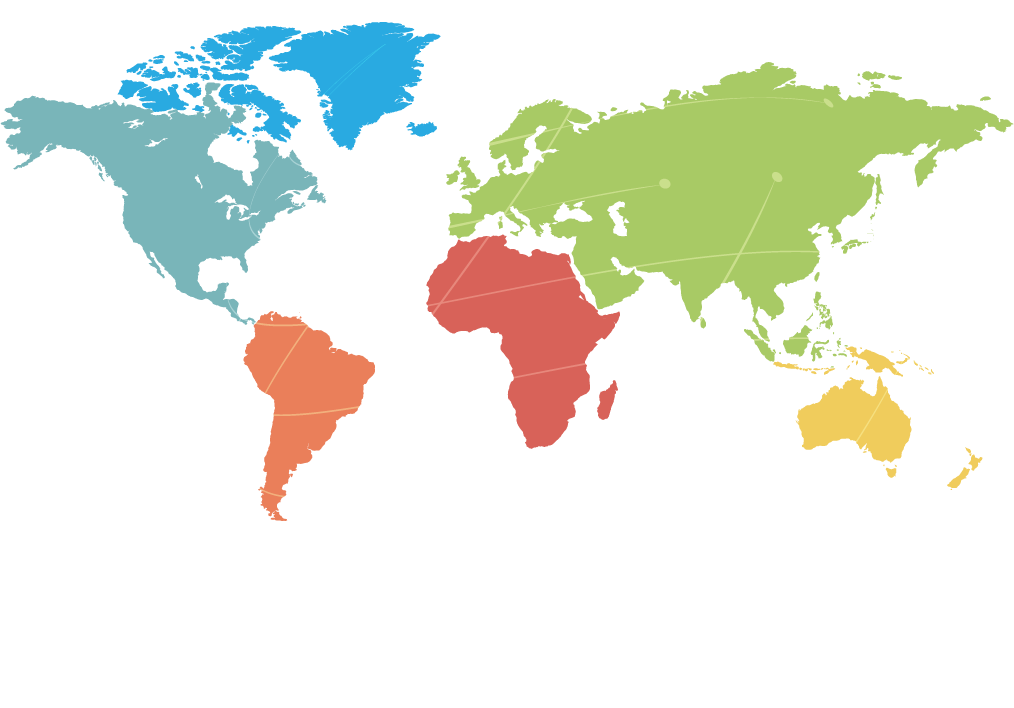
| World Region: Africa

View More Maps of Gabon
|
Gabon History
During the last seven centuries, Bantu ethnic groups arrived in the area from several directions to escape enemies or find new land. Little is known of tribal life before European contact, but tribal art suggests rich cultural heritages. Gabon’s first European visitors were Portuguese traders who arrived in the 15th century and named the country after the Portuguese word "gabao," a coat with sleeve and hood resembling the shape of the Komo River estuary. The coast became a center of the slave trade. Dutch, British, and French traders came in the 16th century. France assumed the status of protector by signing treaties with Gabonese coastal chiefs in 1839 and 1841. American missionaries from New »» More | Statistics, Graphs, Charts, & Data Tables
Capital Cities... Libreville »» History of Libreville Population: 1,514,993 GDP: $21,440,000,000 (USD) Total Area: 267,667 (sq km) 103,346 (sq mi) Currency: Communaute Financiere Africaine franc (XAF); note - responsible authority is the Bank of the Central African States
|