Bolivia — (bə liv´ē ə) |
About The People
Did You Know...... Bolivia is named after Simón Bolivar, the great South American liberator. Bolivar led the struggle t »» More
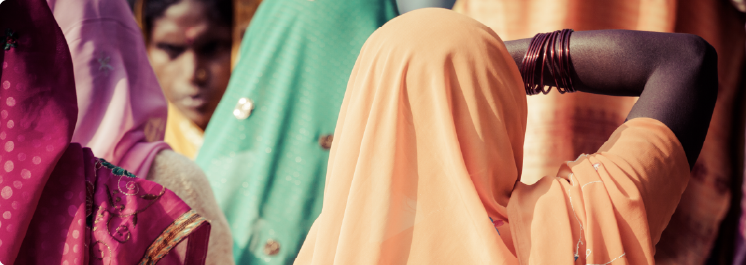
Fashion... Dress in Bolivia varies according to ethnic group, social class, and place of residence. Those in ur »» More
Socializing... In Bolivia, scheduled events begin late since arriving on time is not expected. Bolivians maintain l »» More
Family... Bolivian families, especially those in rural areas, may include grandparents as well as parents and »» More
Sports & Recreation... Bolivians love soccer, which is called “fútbol” in Spanish. Many Bolivians enjoy playing »» More
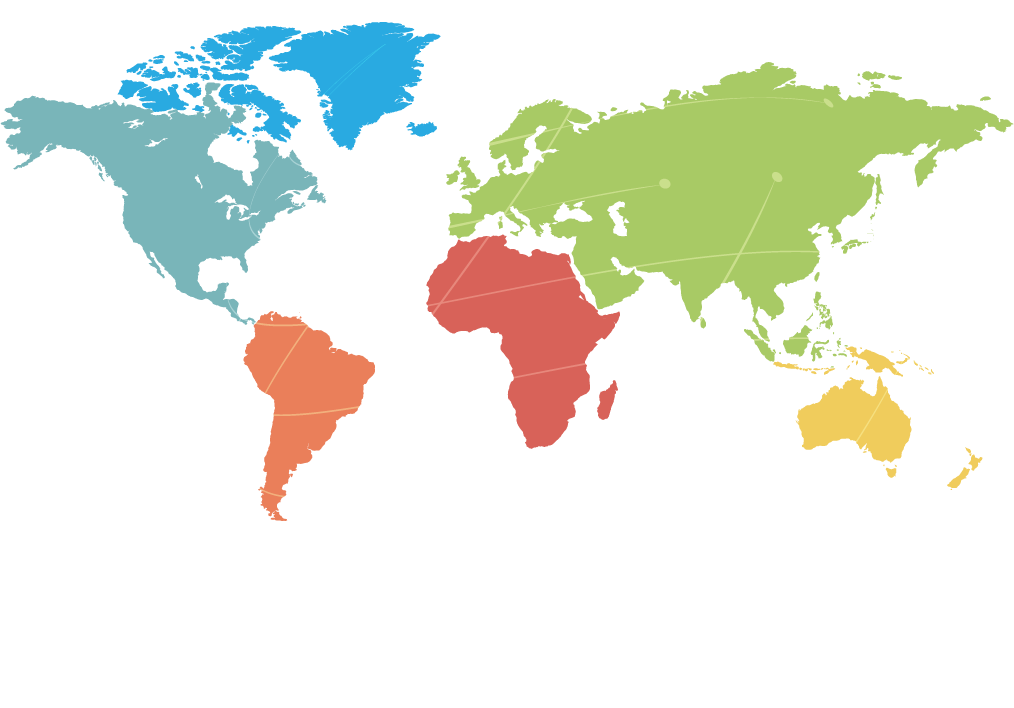
| World Region: South America

View More Maps of Bolivia
|
Bolivia History
Symbolism on the front of the Great Idol of Tiwanaku
THE HISTORY OF THE REPUBLIC OF Bolivia reflects both
its pre-Columbian and its colonial heritage. The ruins of
Tiahuanaco
testify to the first great Andean empire. Bolivians still
speak
the languages of the Aymara kingdoms and of their Quechua
conquerors; the society remains predominantly Indian and
rural,
and only a minority is monolingual in Spanish.
Nevertheless,
Spain also left its imprint in the political, economic,
and
social spheres. During 300 years of colonial rule, Spain
imposed
its institutions on the colony and concentrated on »» More | Statistics, Graphs, Charts, & Data Tables
Capital Cities... La Paz (seat of government); Sucre (legal capital and seat of judiciary) »» History of La Paz (seat of government); Sucre (legal capital and seat of judiciary) Population: 9,775,246 GDP: $43,080,000,000 (USD) Total Area: 1,098,580 (sq km) 424,162 (sq mi) Currency: boliviano
|