
 English
 Español
 中文
中文 हिन्दी
 Français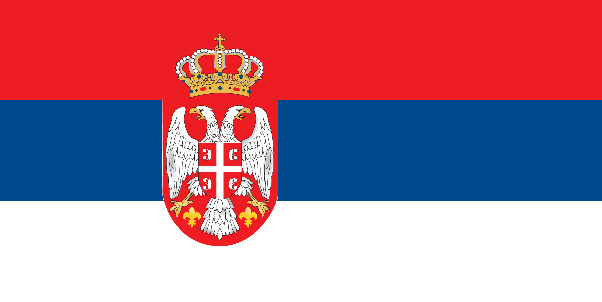
Serbia
Srbija
Declare Your Relationship to Serbia
CountryReports Community
- Studying6
- From Serbia4
- Serbia heritage0
- Visited2
- Want to visit3
Customs and Culture
Customs and Culture
Cultural Attributes
People in Serbia and Montenegro are incredibly patriotic and highly value family and kinship networks. As the turbulent recent history has wreaked havoc on the economic and social structures, people have turned inward and become more suspicious of outsiders. Unemployment is still nearly 30%, and a large gap exists between the wealthy and the poor.
Serbia and Montenegro have separate governance, each with its own president, legislation, and court system.
Yugoslavia was once admired for its diverse and integrated society and will no doubt strive to return to everyday commerce with its neighbors. The social order is patriarchal, although this is slowly changing as women increasingly need to be breadwinners alongside men.

Heartland of the Balkans
Get More Customs and Culture
6 more cultural topics for members
Social Customs & Etiquette · Diet · Family · Dating Customs · Recreation · Student Life
Every country, every topic, all activities & recipes
✓ Instant access on this device · ✓ No subscription
Holidays
National Day
4/27Independence
Dates of Interest
- January 7th
The Srem Wine Festival takes place in the town of Sremska Mitrovica in the Srem region of Serbia. It celebrates the local wine production with wine tastings, cultural performances, culinary delights, and traditional crafts.
How do people greet each other in Serbia?
Greetings vary by familiarity: firm handshakes with eye contact in formal settings, and two kisses on the cheek among friends and family (usually starting with the right cheek). Common verbal greetings include "Zdravo," "Dobar dan," and "Dobro jutro."
Do
- Offer a firm handshake with direct eye contact when meeting someone for the first time
- Use titles and last names in formal or professional situations
- Show deference and use formal language when greeting elders
- Maintain eye contact and use warm, friendly body language
Good to know
- Two cheek kisses are typical among friends and family, though the number can vary by region
- Serbians are known for warmth and hospitality, so greetings often include expressions of goodwill
What are the dining customs in Serbia?
Serbians eat continental style, with the fork in the left hand and knife in the right. Lunch is the main meal, usually taken at 3 PM, followed by a light supper around 8 PM.
Do
- Hold your fork in the left hand and knife in the right (continental style)
- Try national dishes like cevapcici (spiced grilled meat patties), gibanica, proja, sarma, and palacinke
Good to know
- Breakfast usually includes bread, eggs, meat, and kajmak (a dairy sour cream dip)
- The staple diet relies on bread, fruit, meat, and dairy such as yogurt and cottage cheese
- Coffee is prepared Turkish style, and the fruit juice sok is very popular
What should I know about visiting and hospitality in Serbia?
Serbians frequently visit one another to maintain close ties with family and friends, and visitors may bring gifts on special occasions like birthdays.
Do
- Bring a gift when visiting on special occasions like birthdays
Don’t
- Don't open a gift while the guest who gave it is still present
How should I dress in Serbia?
Modern Western clothing such as jeans, shirts, dresses, and suits is prevalent in urban areas and among younger generations. Traditional folk costumes are reserved for cultural events, festivals, and weddings.
Good to know
- Formal attire like suits and dresses is expected for weddings, parties, and business functions
- Warm outerwear such as coats, wool sweaters, and insulated boots is common in winter
- Casual and sportswear is common for everyday activities and leisure
Which gestures should I avoid in Serbia?
Several gestures can be seen as offensive in Serbia, so be mindful of your body language and hand signs.
Don’t
- Don't show the sole of your foot or shoe toward someone
- Don't use the "OK" gesture, which may carry a vulgar meaning
- Don't point directly at someone with your finger
- Don't whistle indoors, as it is considered impolite and unlucky
Good to know
- Crossing your fingers may be interpreted as a sign of dishonesty
- Avoid negative body language like rolling eyes, sighing loudly, or crossing arms defensively
What is family life like in Serbia?
The extended family remains strong, though young people prefer their own apartments and typical families have one or two children. The social order is patriarchal, though this is slowly changing as more women become breadwinners.
Good to know
- Grandparents often help look after grandchildren and are cared for by their adult children when frail or ill
- Young people select their own marriage partners; arranged marriages are not practiced
- The age of marriage is moving up to the late twenties
What do people do for fun in Serbia?
Football is immensely popular, along with basketball and tennis, while socializing over meals and drinks is a common pastime. Serbia's diverse landscapes make outdoor activities like hiking, camping, and cycling popular.
Good to know
- Explore outdoor areas like Tara National Park, Kopaonik Mountain, and along the Danube River
- Enjoy cultural activities such as museums, theaters, concerts, and traditional festivals
- Belgrade and other urban centers have vibrant nightlife with bars, clubs, and cafes
Last updated: 2026-07-12 · Sources: CountryReports
Photos of Serbia
Photos of Serbia
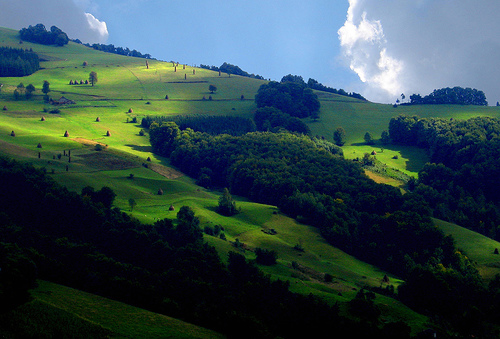
Povlen Mountain, Serbia
Sunset over Belgrade as seen from Serbia.
Farmland near Vojvodina, Serbia
Farmland near Vojvodina, Serbia
Wooden town of Mecavnik, Serbia
A Banatian house in the countryside of Serbia
Countryside near Zlatibor mountain, Serbia
Knez Mihailo’s monumnet, Belgrade, Serbia
Vegetables grown in Serbia and being sold at market.
Countryside home near Vojvodinian, Serbia
Belgrade
Belgrade


Travel and Tourism
Travel and Tourism
- Travel Alert Status
- Level 2: Exercise Increased Caution
- Time Difference
- UTC+1 (6 hours ahead of Washington, DC, during Standard Time)
- Airports
- 45
Read the full travel guide — health, safety, vaccinations, disease risk, sanitation, and transit details.
View full travel guideRecipes
Recipes
History
History
Historical Eras
Medieval Serbian Kingdom
814 – 1459
Stefan Nemanja founded the Nemanjić dynasty around 1170, establishing the first cohesive Serbian state and laying the foundations of the Serbian Orthodox Church, canonized through his son St. Sava in 1219. The realm reached its territorial apex under Stefan Dušan (1331–1355), who styled himself Emperor of the Serbs and Greeks. Decline followed swiftly; the catastrophic defeat at the Battle of Kosovo in 1389 broke Serbian noble power, and the fall of Smederevo in 1459 ended Serbian statehood.
Ottoman Rule
1459 – 1817
For nearly four centuries, Serbian lands were administered as Ottoman provinces, with the Serbian Orthodox Church serving as the principal institution preserving Serbian language, identity, and cultural memory despite periodic suppressions. Two major uprisings punctuated this era: Karađorđe Petrović led the First Serbian Uprising (1804–1813) and Miloš Obrenović the Second (1815–1817), founding rival dynasties that would shape Serbian politics for a century. These revolts won limited autonomy and set Serbia irreversibly on the path toward independence.
Principality & Independence
1817 – 1918
Serbia gained formal international recognition as an autonomous principality under Ottoman suzerainty following the Russo-Turkish War of 1828–1829, and achieved full independence at the Congress of Berlin in 1878, largely through Russian diplomatic support. The Obrenović and Karađorđević dynasties alternated in power amid constitutional struggles and foreign entanglements. Serbia emerged as a regional military power after the Balkan Wars of 1912–1913, but the assassination of Archduke Franz Ferdinand in Sarajevo in 1914 by Bosnian Serb Gavrilo Princip ignited World War I, ultimately destroying the old European order.
Yugoslavia
1918 – 1992
The Kingdom of Serbs, Croats, and Slovenes — renamed Yugoslavia in 1929 — united South Slavic peoples under Serbian royal leadership, though Croatian resentment of Belgrade's dominance created persistent tensions. Axis occupation during World War II was met by both royalist Chetnik and communist Partisan resistance; Marshal Josip Broz Tito's Partisans prevailed, establishing the Socialist Federal Republic of Yugoslavia in 1945. Tito's independent brand of communism, including expulsion from the Soviet bloc in 1948 and leadership of the Non-Aligned Movement, defined Yugoslavia until his death in 1980, after which ethnic nationalism rapidly destabilized the federation.
Post-Yugoslav Transition
1992 – 2006
Following the secession of Slovenia, Croatia, Bosnia-Herzegovina, and Macedonia in 1991–1992, Serbia and Montenegro proclaimed the Federal Republic of Yugoslavia under Slobodan Milošević, whose exploitation of Serbian nationalism fueled devastating wars across the former federation and triggered NATO's 1999 bombing campaign over Kosovo. Milošević was ousted in the democratic revolution of October 2000 and later extradited to the International Criminal Tribunal at The Hague. The state union of Serbia and Montenegro, established in 2003 under EU mediation, dissolved peacefully in 2006 when Montenegro voted for independence.
Modern Serbia
2006 – present
As an independent republic for the first time in its modern history, Serbia pursued European integration while navigating the deeply contentious unilateral declaration of independence by Kosovo in 2008, which Belgrade refuses to recognize. Democratic consolidation proceeded unevenly, marked by the dominance of the Serbian Progressive Party under Aleksandar Vučić from 2012 onward and ongoing negotiations over EU accession. Serbia's geopolitical position — balancing EU candidacy with close economic and cultural ties to Russia and China — remains the defining tension of its contemporary politics.
Overview
The first Serbian kingdom was created in 1170 A.D. by Stefan Nemanja,
Every country, every topic, all activities & recipes
✓ Instant access on this device · ✓ No subscription
Timeline of Key Events
814
Formation of Serbia.
Formation of Serbia.
1182
Serbia allies itself with Hungary to gain independence.
Serbia allies itself with Hungary to gain independence.
1330
The Bulgars under Michael III are beaten by the Serbs at Velbuzhd.
The Bulgars under Michael III are beaten by the Serbs at Velbuzhd, and large parts of Bulgaria fall to Serbia.
1389
Serb nobility decimated in battle of Kosovo Polje as Ottoman Empire expands.
Serb nobility decimated in battle of Kosovo Polje as Ottoman Empire expands.
1400 – 1800
Serbia absorbed by Ottoman Empire.
Serbia absorbed by Ottoman Empire.
1403
Belgrade became capital of Serbia for the first time.
Belgrade became capital of Serbia for the first time.
1878
Serbian independence recognized by international treaties.
Serbian independence recognized by international treaties.
Read the full history profile — narrative overview, defining eras, and the complete timeline in one place.
View expanded historyInteresting Facts
Interesting Facts
1389-1815 Ottoman Empire rules Serbia
If someone requests a song, the musicians are tipped in an amusing way. The person places a bill on the neck of the instrument, or sticks the money onto the perspiring forehead of the musician.
Egg tapping: Serbian Easter includes a special ritual with Easter eggs. Children and adults tap their eggs together to see which egg is strongest. One person holds an egg in his fist with only the tip showing while another person taps it with the tip of her own egg. The winner is the one whose egg does not crack.
When you are introduced to someone in Serbia, you shake hands and both you and the other person say your own first and last names,
2 more facts for members
Every country, every topic, all activities & recipes
✓ Instant access on this device · ✓ No subscription
Geography and Environment
Geography and Environment
- Terrain
- extremely varied; to the north, rich fertile plains; to the east, limestone ranges and basins; to the southeast, ancient mountains and hills; to the southwest, extremely high shoreline with no islands off the coast
- Climate
- A continental climate predominates in Serbia with cold winters and warm summers. Montenegro is largely the same, but with alpine conditions in the mountains and a Mediterranean climate on the Adriatic coast. The Belgrade climate is moderate continental with four, distinct seasons. Autumn is longer than spring, with lengthy sunny and warm periods. Winter is not particularly harsh, and averages 21 days with below freezing temperatures. January is the coldest month of the year with an average temperature of -0.2°C/31.6°F. Spring is rather short and rainy. Summer starts abruptly. The average daily temperature in the hottest month of July is 34.2°C/93°F, but it is not uncommon for highs to reach the upper 30s and lower 40s Celsius (90s, 100s Fahrenheit) in the summertime. Average humidity is 70%. Belgrade has a characteristic southeastern and eastern wind called "košava," which brings fair and dry weather. It is most frequent in the fall and winter, lasting for 2-3 days. The average košava speed is 25-43 km/h. The capital has an annual average of 139 days with precipitation, including 27 days of snow. The most intense precipitation occurs in May and June, when 1-day rains are most frequent. February is the driest month. The annual average precipitation is 701mm / 27.6.''
- Natural Hazards
- destructive earthquakes
- Current Environmental Issues
- pollution of coastal waters from sewage outlets, especially in tourist-related areas such as Kotor; air pollution around Belgrade and other industrial cities; water pollution from industrial wastes dumped into the Sava which flows into the Danube
Read the full geography and environment profile — terrain, climate, natural resources, hazards, land use, and international agreements.
View full geographyPeople & Demographics
People & Demographics
Religion
Languages Spoken
Serbian 95%, Albanian 5%
- Albanian
- Serbian
- Serbo-Croatian
Population
- Population
- 6,641,197
- Population in Major Urban Areas
- BELGRADE (capital) 1.135 million
- Nationality Noun
- Serb(s); Montenegrin(s)
- Ethnic Groups
- Serb 62.6%, Albanian 16.5%, Montenegrin 5%, Hungarian 3.3%, other 12.6%
Education
- Literacy Definition
- age 15 and over can read and write
Health Information
- Major Infectious Diseases — degree of risk
- intermediate
Life Expectancy
- Life Expectancy at Birth
- Life expectancy at birth in Serbia stands at approximately 74 to 75 years overall, with notable differences between men and women. Serbian women can expect to live to around 77 to 78 years, while Serbian men have a life expectancy of roughly 72 to 73 years — a gap consistent with broader European and global trends in which women generally outlive men by several years. These figures place Serbia in a moderate position relative to Western European nations, where life expectancies commonly exceed 81 to 82 years, but reflect meaningful improvements achieved over recent decades. During the post-World War II period, life expectancy in Serbia was considerably lower, and gains made through expanded access to healthcare, improved sanitation, and public health education have been substantial. Progress did stall somewhat during the economic disruptions of the 1990s, but a general upward trend has resumed in the years since. Cardiovascular disease remains the leading cause of death in Serbia, accounting for a large share of overall mortality and exerting significant downward pressure on life expectancy compared to countries where such conditions are better managed or less prevalent. Cancer, cerebrovascular disease, and respiratory conditions also rank among the primary causes of death. Lifestyle factors play a meaningful role in shaping health outcomes in the country. Serbia has one of the higher rates of tobacco use in Europe, and rates of obesity and sedentary behavior have increased in recent decades. These trends pose ongoing challenges to improving longevity and reducing the burden of chronic non-communicable diseases. Regional disparities within Serbia are also worth noting. Urban areas, particularly Belgrade, tend to have somewhat better health indicators and access to medical services compared to rural and economically disadvantaged regions in the south and east of the country, where access to specialized care can be more limited. Serbia's public healthcare system is universal in principle, covering all citizens, and the country has made continued investments in modernizing hospital infrastructure and expanding preventive health programs. International health organizations have encouraged further reforms, particularly in the areas of primary care, mental health services, and addressing the high prevalence of risk factors associated with cardiovascular disease. Reducing tobacco use and improving early detection and management of chronic conditions remain among the most pressing public health priorities.
- Infant Mortality Rate
- Serbia has made significant progress in reducing infant mortality over recent decades, reflecting improvements in healthcare infrastructure, prenatal care, and public health programs. The country's infant mortality rate stands at approximately 4 to 5 deaths per 1,000 live births, placing it broadly in line with other middle-income European nations and well below the global average of roughly 27 deaths per 1,000 live births. This improvement represents a dramatic shift from earlier periods. In the early 1990s, Serbia's infant mortality rate was considerably higher, exceeding 15 deaths per 1,000 live births. The sustained decline since then reflects investments in neonatal care, expanded access to skilled birth attendants, and stronger public health monitoring systems. The Serbian healthcare system provides universal access to maternal and child health services, including free prenatal check-ups, hospital deliveries, and postnatal care. The vast majority of births in Serbia take place in hospitals or medical facilities, contributing to better outcomes for both mothers and newborns. Neonatal care units have been developed in major medical centers, including in Belgrade, Novi Sad, and Niš, allowing for specialized treatment of premature and high-risk infants. Disparities do exist within the country. Rural areas and certain marginalized communities, including parts of the Roma population, face higher rates of infant mortality due to limited healthcare access, lower rates of health literacy, and socioeconomic challenges. These inequalities remain a focus of ongoing public health efforts supported by international organizations and government initiatives. Serbia has aligned many of its child health policies with European Union standards as part of its broader EU accession process. Programs targeting nutrition, vaccination coverage, and maternal education have helped sustain downward pressure on infant mortality figures. UNICEF and the World Health Organization recognize Serbia's progress as a positive example within the broader Eastern European region, though continued investment in healthcare equity and rural health services will be essential to maintain and improve upon these outcomes in the years ahead.
Read the full people and society profile — demographics, health, education, religion, languages, and notable people.
View full people and societyGovernment & Politics
Government & Politics
Country Identity
- Country Name
- Serbia
- Full Country Name
- Republic of Serbia
- Local - Long
- Republika Srbija
- Local - Short
- Srbija
- Former Name
- People's Republic of Serbia, Socialist Republic of Serbia
Government Structure
- Government Type
- republic
- Legal System
- based on civil law system
- Executive Branch
- chief of state: President Aleksandar VUCIC (since 31 May 2017); note - the president serves as chief of state head of government: Prime Minister Milos VUCEVIC (since 2 May 2024); note - the prime minister serves as head of government cabinet: Government (cabinet) elected by the National Assembly elections: president elected by direct popular vote for a five-year term, eligible for a second term; election last held on 3 April 2022 (next to be held in 2027); prime minister elected by the National Assembly election results: Aleksandar VUCIC reelected president in the first round; percent of vote - Aleksandar VUCIC (SNS) 59.8%, Zdravko PONOS (NADA coalition) 18.9%, Milos JOVANOVIC (NADA) 6.1%, other 15.2%
- Legislative Branch
- Unicameral National Assembly (Narodna skupština) with 250 seats. Members are elected by proportional representation from a single nationwide constituency, with a 3 percent electoral threshold required for parties representing national minorities and a 5 percent threshold for all other parties. Members serve four-year terms. Elections: The most recent parliamentary elections were held on June 2, 2024. Early elections have been called periodically, reflecting the fluid nature of Serbian coalition politics. Election results: The ruling Serbian Progressive Party (SNS)-led coalition "Serbia Must Not Stop" won the largest share of seats, maintaining its dominant position in the legislature. Opposition coalitions, including the Serbia Against Violence bloc, also secured representation. The Assembly is presided over by a Speaker elected from among its members. The National Assembly holds legislative authority, ratifies international treaties, adopts the state budget, and oversees the work of the government. Serbia transitioned to its current unicameral parliamentary system following the dissolution of the State Union of Serbia and Montenegro in 2006, when Montenegro declared independence and Serbia became a fully independent republic under its own constitutional framework, formalized by the 2006 Constitution.
- Judicial Branch
- The Court of Serbia and Montenegro; judges are elected by the Serbia and Montenegro Parliament for six-year terms note: since the promulgation of the 2003 Constitution, the Federal Court has constitutional and administrative functions; it has an equal number of judges from each republic
- Suffrage
- 16 years of age, if employed; 18 years of age, universal
- Constitution
- 4-Feb-03
- Independence
- 27 April 1992 (Federal Republic of Yugoslavia or FRY - now Serbia and Montenegro - formed as self-proclaimed successor to the Socialist Federal Republic of Yugoslavia or SFRY)
- National Holiday
- National Day, 27 April
Capital City
- Capital Name
- Belgrade (Beograd)
- Capital - geographic coordinate
- 44 50 N, 20 30 E
- Capital Time Difference
- UTC+1 (6 hours ahead of Washington, DC, during Standard Time)
the Serbian "Beograd" means "white fortress" or "white city" and dates back to the 9th century; the name derives from the white fortress wall that once enclosed the city
Military
Branches: Serbian Armed Forces (Vojska Srbije, VS): Land Forces Command (includes Riverine Component, consisting of a river flotilla on the Danube), Air and Air Defense Forces Command
Embassy / Diplomatic Mission
U.S. Embassy Belgrade
Bulevar kneza Aleksandra Karadordevica 92
11040 Belgrade
Serbia
Telephone: 381-11-7064-000
Email: belgradeacs@state.gov
Read the full government profile — flag symbolism, national anthem, and other national symbols.
View full government detailsEconomy
Economy
Serbia operates an upper-middle-income economy that has undergone significant transformation since the end of the Milosevic era.
Snapshot
- Currency Name and Code
- Serbia Dinar (CSD)
- GDP — official exchange rate
- $19,190,000,000 (USD)
- GDP Real Growth Rate
- 3.8%
Every country, every topic, all activities & recipes
✓ Instant access on this device · ✓ No subscription
News & Weather
News & Weather
Current Weather
Latest News
Serbia ties overseas voting to local time, a move likely to spark backlash ahead of a key election - ABC News - Breaking News, Latest News and Videos
ABC News - Breaking News, Latest News and Videos · 2d ago
How UW volleyball improved by placing a Zoom call to Serbia - The Seattle Times
The Seattle Times · 3h ago
Video. This Serbian cafe lets you enjoy your coffee alongside alpacas - Euronews.com
Euronews.com · 16h ago
A Captured Field, an Open Contest: Serbia’s Upcoming Elections - Stanford University
Stanford University · 3d ago
Finland vs Serbia: Women's WC Qualification Europe stats & head-to-head - BBC
BBC · 6h ago
In Serbia, Male Survivors of Sexual Abuse Invariably Suffer in Silence - Balkan Insight
Balkan Insight · 1d ago
Air Serbia to restore limited winter Pula service - EX-YU Aviation News
EX-YU Aviation News · 1d ago
Serbia Opposition Cries Foul Weeks Before Tense Early Elections - Bloomberg.com
Bloomberg.com · 1d ago
News via Google News
Videos
Videos
1 curated YouTube videos.
Source: YouTube
Frequently Asked Questions
Frequently Asked Questions
What is the population of Serbia?
What is the capital of Serbia?
Where is Serbia located?
What countries border Serbia?
What is the predominant religion in Serbia?
What is the currency of Serbia?
What language is spoken in Serbia?
What is Serbia known for?
What is the historical background of Serbia as a modern state?
Last reviewed 2026