
 English
 Español
 中文
中文 हिन्दी
 Français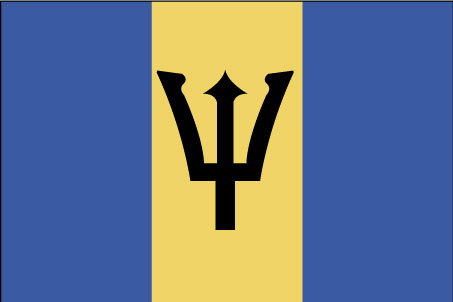
Barbados
Declare Your Relationship to Barbados
CountryReports Community
- Studying15
- From Barbados3
- Barbados heritage5
- Visited5
- Want to visit7
Customs and Culture
Customs and Culture
Cultural Attributes
Informal English phrases are common.

Island of Rum, Root, and Resilience
Get More Customs and Culture
5 more cultural topics for members
Social Customs & Etiquette · Diet · Family · Dating Customs · Recreation
Every country, every topic, all activities & recipes
✓ Instant access on this device · ✓ No subscription
Holidays
Independence Day
11/30Independence Day
Dates of Interest
- August
Kadooment is Barbados's biggest street carnival, held on the first Monday in August. Kadooment means fun and good times.
How do people communicate in Barbados?
Informal English phrases are commonly used in everyday communication.
Good to know
- Expect casual, informal English phrasing in conversation
What foods should I try in Barbados?
Bajan cuisine blends African and English traditions, with Steamed Flying Fish and Cou-Cou considered the national dish.
Do
- Try Steamed Flying Fish with Cou-Cou, the national dish
Good to know
- Salt cod (codfish preserved with salt) is a staple food
- Fast foods and pizza are becoming popular
What gestures should I be aware of in Barbados?
Certain gestures clearly signal negative emotions, so be mindful of body language.
Don’t
- Don't use Chupse or Kiss-Teeth, which shows disgust
- Don't stand with hands on hips and arms turned outward (Abimbo), a gesture of defiance or anger
What is family life like in Barbados?
Extended family is important, with members often living with or near one another; the mother's role in rearing children is considered most important while the father is regarded as the head of the family.
Good to know
- Many young people choose not to marry until after starting their careers
- About 50% of women work outside the home in recent years
What do people do for fun in Barbados?
Cricket is the national sport and a key occasion for friends and family to gather, while Sundays and holidays are usually spent at the beach.
Do
- Watch or join a cricket match to connect with locals
- Explore coral reefs and nearby sunken ships for diving
Good to know
- Dominoes is the national table game
- Bajans usually visit on weekends, with men favoring Sunday mornings to gather
Last updated: 2026-07-12 · Sources: CountryReports
Photos of Barbados
Photos of Barbados


Travel and Tourism
Travel and Tourism
- Travel Alert Status
- Level 1: Exercise Normal Precautions
- Currency
- 2
- Time Difference
- UTC-4 (1 hour ahead of Washington, DC during Standard Time)
- Climate
- The temperature in Barbados varies little during the year, averaging about 77°F (25°C) and rarely rising above 89°F (32°C) or falling below 65°F (18°C). However, the intensity of the sun this near to the Equator often makes it seem much hotter, especially when combined with high humidity. During July through October, the rainy season as well as the hurricane season, high humidity levels make the weather quite uncomfortable. During the dry winter months from November through May, which is the tourist season, it is more comfortable and can even become cool in the evenings. However, even in these months a significant amount of rain can fall.
- Airports
- 1
- Recommended Vaccinations
- How important is it to do your research about vaccinations? It might just save your life! Make yourself aware of the different types of vaccinations and which ones you may need to travel to your destination. Schedule an appointment with your doctor at least four to six weeks before you travel to ensure you receive all important shots. Be sure that you and your family are up to date on your routine vaccinations. Which vaccinations you need will depend on a number of factors including your destination, whether you will be spending time in rural areas, the season of the year you are traveling, your age, health status, and previous immunizations.
Read the full travel guide — health, safety, vaccinations, disease risk, sanitation, and transit details.
View full travel guideRecipes
Recipes
History
History
Historical Eras
Indigenous Settlement
500 – 1492
Barbados was first inhabited by Barrancoid Indians around 500 CE, followed by Arawak settlers around 800 CE who established farming and fishing communities. Later Carib incursions from neighboring islands are believed to have displaced or annihilated the Arawak population, leaving the island largely uninhabited by the time Europeans arrived. This pre-colonial period left few lasting material traces but established Barbados's place in the broader Amerindian Caribbean world.
Early European Contact
1492 – 1627
Spanish sailors claimed Barbados following Columbus's 1492 voyages, and Portuguese explorers visited in 1536, reportedly naming the island 'Os Barbados' after its bearded fig trees. Neither Spain nor Portugal established a permanent settlement, leaving the island effectively unclaimed by European powers. This brief interlude of transient contact set the stage for English colonization in the following decade.
English Colonial Plantation Era
1627 – 1834
Captain Henry Powell landed the first English settlers in 1627, and the introduction of sugar cane around 1630 transformed Barbados into one of the most profitable plantation colonies in the Caribbean. The House of Assembly, established in 1639, gave the planter class substantial local autonomy even as Barbados became an English Crown possession in 1663. Hundreds of thousands of enslaved Africans were transported to work the sugar estates, and a major slave revolt in 1816 underscored the deep tensions within this brutally exploitative system.
Post-Emancipation & Reform
1834 – 1966
The abolition of slavery in 1834 formally ended forced labor but left the Afro-Barbadian majority economically marginalized under a planter-merchant elite for nearly a century. Political consciousness grew in the 1930s, driven by leaders such as Sir Grantley Adams, who founded the Barbados Labour Party in 1938. Universal adult suffrage was introduced in 1951, internal self-government achieved in 1961, and a brief membership in the West Indies Federation (1958–1962) preceded the final push toward full sovereignty.
Independence & Modern Barbados
1966 – present
Barbados became an independent state within the British Commonwealth on November 30, 1966, with Errol Barrow as its first prime minister, establishing a stable parliamentary democracy modeled on the Westminster system. The economy gradually diversified away from sugar, with tourism and manufacturing surpassing the sugar industry in importance by the 1990s. In 2021, Barbados became a republic, removing the British monarch as head of state and installing Dame Sandra Mason as its first president.
Overview
British sailors who landed on Barbados in the 1620s at the site of present-day Holetown on the Caribbean coast found the island uninhabited. As elsewhere in the eastern Caribbean, Arawak Indians may have been annihilated by invading Caribs, who are believed to have subsequently abandoned the island.
Every country, every topic, all activities & recipes
✓ Instant access on this device · ✓ No subscription
Timeline of Key Events
500
The Barrancoid Indians arrived on the island.
The Barrancoid Indians arrived on the island.
800
The Arawak Indians arrived on the island.
The Arawak Indians arrived on the island.
1492
The island was taken over by the Spanish in 1492.
The island was taken over by the Spanish in 1492.
1536
Portuguese explores visit Barbados.
Portuguese explores visit Barbados, but they did not settle the island. They named the island Barbados because of the bearded men found on the island.
1627
Captain Henry Powell lands a party of English settlers who establish a colony.
Captain Henry Powell lands a party of English settlers who establish a colony, which they then develop as a sugar plantation economy using slaves brought in from Africa.
1630
Sugar cane was introduced to the agriculture
During the 1630s, sugar cane was introduced to the agriculture.
1639
The colonists established a House of Assembly.
The colonists established a House of Assembly.
Read the full history profile — narrative overview, defining eras, and the complete timeline in one place.
View expanded historyInteresting Facts
Interesting Facts
Barbados was given its name by a group of Portuguese sailors who landed on the island on their way to Brazil in 1536. Here they found huge banyan trees with roots hanging like beards from the branches. They called the island “Los Barbados” meaning “ the bearded ones.”
Barbados was the first island in the West Indies to have piped drinking water. It has many underground wells and caves that provide a plentiful supply of pure drinking water filtered through the porous coral of the land.
For the past 358 years, the Barbados parliament has functioned without interruption. This makes it the third oldest parliament in the world.
Parents warn their children to be careful with the saying, “ The sea ain't got no back door.” This means, “ Don't go out too far into the sea, you may not be able to get back.”
2 more facts for members
Every country, every topic, all activities & recipes
✓ Instant access on this device · ✓ No subscription
Geography and Environment
Geography and Environment
- Terrain
- relatively flat; rises gently to central highland region
- Climate
- Temperatures in Barbados vary little during the year, averaging about 77°F (25°C) and rarely rising above 89°F (32°C) or falling below 65°F (18°C). However, the intensity of the sun this near to the Equator often makes it seem much hotter, especially when combined with high humidity. During July through October, the rainy season as well as the hurricane season, high humidity levels make the weather quite uncomfortable. During the dry winter months from November through May, which is the tourist season, it is more comfortable and can even become cool in the evenings. However, even in these months a significant amount of rain can fall.
- Natural Hazards
- infrequent hurricanes; periodic landslides
- Current Environmental Issues
- pollution of coastal waters from waste disposal by ships; soil erosion; illegal solid waste disposal threatens contamination of aquifers
Read the full geography and environment profile — terrain, climate, natural resources, hazards, land use, and international agreements.
View full geographyPeople & Demographics
People & Demographics
Religion
Languages Spoken
English
- English
Population
- Population
- 281,995
- Population in Major Urban Areas
- BRIDGETOWN (capital) 122,000
- Nationality Noun
- Barbadian(s) or Bajan (colloquial)
- Ethnic Groups
- Black 90%, white 4%, Asian and mixed 6%
Education
- Literacy Definition
- Age 15 and over has ever attended school
Life Expectancy
- Life Expectancy at Birth
- Life expectancy at birth in Barbados stands among the highest in the Caribbean region, reflecting the island nation's relatively strong public health infrastructure, accessible medical care, and overall quality of life. As of the most recent available data, the average life expectancy at birth in Barbados is approximately 79 years, with women typically living longer than men — around 81 years for females compared to roughly 77 years for males. This figure places Barbados well above the global average and compares favorably with many other small island developing states. The country's achievements in longevity are closely tied to its well-established healthcare system, which includes the Queen Elizabeth Hospital as the primary public hospital, along with a network of polyclinics spread across the island that provide free or subsidized care to residents. Several factors contribute to the relatively high life expectancy. Barbados has made sustained investments in primary healthcare, maternal and child health services, and disease prevention programs. The island has seen significant reductions in infant and child mortality over the decades, which positively affects overall life expectancy figures. Additionally, access to clean water, sanitation, and a generally stable socioeconomic environment support longer, healthier lives for the population. Chronic non-communicable diseases, however, remain a notable public health challenge. Conditions such as diabetes, hypertension, and cardiovascular disease are prevalent among the Barbadian population and are leading causes of morbidity and premature death. The government and health authorities have implemented national programs targeting lifestyle-related risk factors including obesity, physical inactivity, and poor diet in response to these pressures. Barbados has consistently ranked among the more developed nations in the Caribbean, and its Human Development Index score reflects a society with strong educational attainment, economic stability, and health outcomes. While the island faces ongoing pressures from an aging population and the growing burden of chronic illness, its life expectancy figures remain a point of national pride and a testament to decades of sustained public health progress.
- Infant Mortality Rate
- Barbados maintains one of the lowest infant mortality rates in the Caribbean and Latin American region, reflecting the island's strong public health infrastructure, accessible healthcare system, and relatively high standard of living. The infant mortality rate in Barbados stands at approximately 11 to 12 deaths per 1,000 live births, a figure that compares favorably not only with its regional neighbors but also with many developed nations worldwide. This achievement is largely the result of decades of investment in maternal and child health services. Barbados operates a universal healthcare system that provides residents with access to prenatal care, skilled birth attendants, and postnatal support at little to no direct cost. The Queen Elizabeth Hospital, the island's primary public medical facility, along with a network of polyclinics distributed across the island's parishes, ensures that expectant mothers receive consistent monitoring and care throughout pregnancy and delivery. Key factors contributing to the low infant mortality rate include high rates of antenatal care attendance, well-trained medical personnel, and strong immunization coverage. The island achieves near-universal vaccination rates for common childhood diseases such as measles, polio, and diphtheria, which significantly reduces infant deaths from preventable illnesses. Breastfeeding promotion campaigns and nutritional guidance programs further support infant health outcomes during the critical early months of life. Barbados has shown a sustained downward trend in infant mortality over the past several decades, mirroring improvements in overall life expectancy and maternal health indicators. The government continues to monitor and refine health policies through collaboration with international organizations, targeting further reductions in neonatal mortality — deaths occurring within the first 28 days of life — which represent the most persistent challenge even in well-resourced health systems. While the overall outlook for infant survival in Barbados is positive, health authorities remain attentive to disparities related to socioeconomic status and continue to expand community-level health education to sustain and improve upon current outcomes.
Read the full people and society profile — demographics, health, education, religion, languages, and notable people.
View full people and societyGovernment & Politics
Government & Politics
Country Identity
- Country Name
- Barbados
- Full Country Name
- Barbados
Government Structure
- Government Type
- parliamentary democracy; independent sovereign state within the Commonwealth
- Legal System
- English common law; no judicial review of legislative acts
- Executive Branch
- chief of state: President Dame Sandra MASON (since 30 November 2021); Barbados became a republic on 30 November 2021, removing the British monarch as head of state and transitioning from a constitutional monarchy to a parliamentary republic head of government: Prime Minister Mia Amor MOTTLEY (since 25 May 2018); she was re-elected following the January 2022 general elections, in which her Barbados Labour Party won all 30 seats in the House of Assembly, marking a historic clean sweep; Mottley was subsequently sworn in for her second term as prime minister cabinet: Cabinet appointed by the president on the advice of the prime minister elections/appointments: president elected by an electoral college consisting of both houses of Parliament for a four-year term; following legislative elections, the leader of the majority party or the leader of the majority coalition is usually appointed prime minister by the president; the prime minister recommends the deputy prime minister to the president for appointment
- Legislative Branch
- Barbados has a bicameral Parliament consisting of the Senate (21 members appointed by the Governor General) and the House of Assembly (30 seats; members are elected by direct popular vote to serve five-year terms). Elections: House of Assembly — last held on January 19, 2022 (next to be held by January 2027). Election results: House of Assembly — percent of vote by party: Barbados Labour Party (BLP) approximately 56.1%, Democratic Labour Party (DLP) approximately 33.7%, other/independents approximately 10.2%; seats by party — BLP 30, DLP 0. The 2022 election marked the second consecutive landslide victory for the BLP under Prime Minister Mia Mottley, with the party sweeping all 30 seats in the House of Assembly.
- Judicial Branch
- Supreme Court of Judicature (judges are appointed by the Service Commissions for the Judicial and Legal Services)
- Suffrage
- 18 years of age; universal
- Constitution
- 30-Nov-66
- Independence
- 30 November 1966 (from UK)
- National Holiday
- Independence Day, 30 November (1966)
Capital City
- Capital Name
- Bridgetown
- Capital - geographic coordinate
- 13 06 N, 59 37 W
- Capital Time Difference
- UTC-4 (1 hour ahead of Washington, DC during Standard Time)
named after a bridge constructed over the swampy area (known as the Careenage) around the Constitution River that flows through the center of Bridgetown
Military
Branches: Royal Barbados Defense Force: Troops Command, Barbados Coast Guard
Embassy / Diplomatic Mission
U.S. Embassy in Bridgetown
Wildey Business Park
Wildey
St. Michael, Barbados
Telephone: (246) 227-4399
Emergency after-hours telephone: (246) 227-4000
Facsimile: (246) 431-0179
Email: BridgetownACS@state.gov
Hours of operation are 8:30 a.m. – 4:30 p.m. Monday through Friday, except Barbadian and U.S. holidays.
Read the full government profile — flag symbolism, national anthem, and other national symbols.
View full government detailsEconomy
Economy
Barbados has successfully transitioned from an economy historically dependent on sugarcane cultivation to one driven primarily by tourism, international business, and financial services. While sugar production still exists, it plays a minimal role in the broader economy today.
Snapshot
- Currency Name and Code
- Barbadian dollars (BBD)
- GDP — official exchange rate
- $2,964,000,000 (USD)
- GDP Real Growth Rate
- 4%
- GDP by Sector
- agriculture: 6% industry: 16% services: 78%
Every country, every topic, all activities & recipes
✓ Instant access on this device · ✓ No subscription
News & Weather
News & Weather
Current Weather
Latest News
Father recalls last seeing son alive - Barbados Today
Barbados Today · 1d ago
Childhood obesity rate in Barbados rises to 42%, education minister warns - Caribbean National Weekly
Caribbean National Weekly · 3h ago
Barbados presses case for fairer global climate financing - Jamaica Observer
Jamaica Observer · 3h ago
Magistrate warns cannabis still illegal - Barbados Today
Barbados Today · 5h ago
Two remanded on aggravated burglary charge - Barbados Today
Barbados Today · 22h ago
Mum forfeits $50k bail bond for son who murdered brother - Barbados Today
Barbados Today · 2d ago
Bakery trespasser jailed for six months - Barbados Today
Barbados Today · 2d ago
Firms to decide whether to remain VAT-registered - Barbados Today
Barbados Today · 2d ago
News via Google News
Climate Overview
The temperature in Barbados varies little during the year, averaging about 77°F (25°C) and rarely rising above 89°F (32°C) or falling below 65°F (18°C). However, the intensity of the sun this near to the Equator often makes it seem much hotter, especially when combined with high humidity. During July through October, the rainy season as well as the hurricane season, high humidity levels make the weather quite uncomfortable. During the dry winter months from November through May, which is the tourist season, it is more comfortable and can even become cool in the evenings. However, even in these months a significant amount of rain can fall.
Videos
Videos
1 curated YouTube videos.
Source: YouTube
Frequently Asked Questions
Frequently Asked Questions
What is the population of Barbados?
What is the capital of Barbados?
Where is Barbados located?
What are the ocean borders of Barbados?
What religion is practiced in Barbados?
What currency is used in Barbados?
What language is spoken in Barbados?
What is the geography of Barbados like?
What is Barbados known for?
Last reviewed 2026