
 English
 Español
 中文
中文 हिन्दी
 Français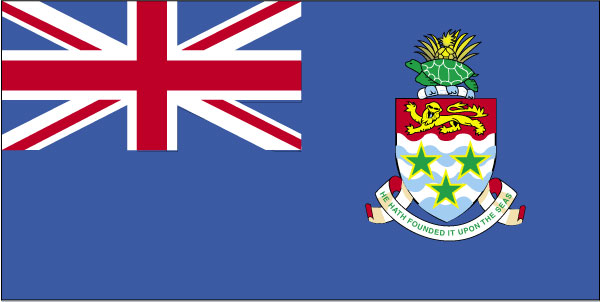
Cayman Islands
Declare Your Relationship to Cayman Islands
CountryReports Community
- Studying4
- From Cayman Islands0
- Cayman Islands heritage0
- Visited1
- Want to visit1
Customs and Culture
Customs and Culture
Cultural Attributes
The Cayman Islands possess a cultural identity shaped by the convergence of British colonial heritage, Caribbean traditions, and the influences of a highly international resident population. As a British Overseas Territory, the islands maintain strong ties to the United Kingdom, evident in their legal system, governance structures, and educational framework, which follows a British-influenced curriculum. English is the official language, spoken with a distinctive Caymanian accent that reflects the islands' seafaring history and Caribbean roots. The indigenous Caymanian culture traces its origins to the 17th and 18th centuries, when the islands were settled by a mix of British sailors, shipwrecked mariners, African enslaved peoples, and settlers from Jamaica. This blended ancestry gave rise to a unique cultural tradition, particularly in music, storytelling, and craftsmanship. The art of thatch weaving, once a practical necessity for making ropes and hats, is now recognized as a cherished cultural heritage practice and is celebrated annually during events such as Pirates Week, a national festival held each November that honors the islands' seafaring past. Caymanians hold a deep connection to the sea, historically expressed through the tradition of turtle hunting and the building of wooden schooners known as Caymanian catboats. While turtle hunting is now heavily regulated for conservation reasons, the cultural reverence for the ocean remains central to the national identity. Religion plays a significant role in Caymanian social life. Christianity is widely practiced, with a high density of churches across the islands relative to the population, which numbered approximately 68,000 as of recent estimates. Sunday observance remains culturally important in many communities. The islands' status as a global financial center has made them home to a remarkably diverse expatriate community, with over 100 nationalities represented among residents. This diversity enriches the cultural landscape through food, music, and community events, while also creating a sometimes complex dynamic between long-standing Caymanian traditions and the rapid pace of modernization and development. The National Museum and the Cayman National Cultural Foundation actively work to preserve and promote Caymanian heritage amid these changes.

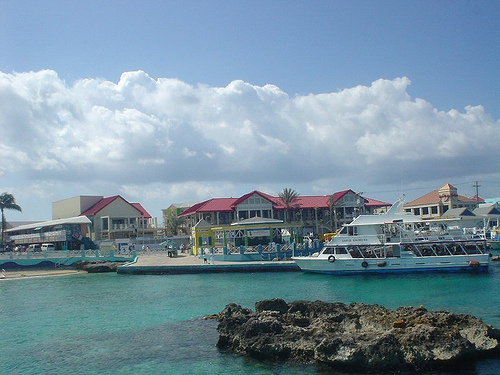
Crystal Waters, Endless Horizons
Get More Customs and Culture
3 more cultural topics for members
Social Customs & Etiquette · Dating Customs · Recreation
Every country, every topic, all activities & recipes
✓ Instant access on this device · ✓ No subscription
Dates of Interest
- Untitled date
What language is spoken in the Cayman Islands?
English is the official language, spoken with a distinctive Caymanian accent that reflects the islands' seafaring history and Caribbean roots.
What cultural customs should travelers be aware of in the Cayman Islands?
The Cayman Islands blend British colonial heritage, Caribbean traditions, and a highly international population, with Christianity playing a significant role in social life.
Good to know
- Sunday observance remains culturally important in many communities
- Over 100 nationalities are represented among residents, making the community very diverse
- Thatch weaving and the seafaring heritage are celebrated during Pirates Week each November
- Visit the National Museum or the Cayman National Cultural Foundation to learn about Caymanian heritage
What do people do for fun in the Cayman Islands?
Residents are very active, enjoying sports like soccer, cricket, basketball, sailing, rugby, tennis, floor hockey, squash, and golf, along with abundant water activities.
Do
- Try diving, snorkeling, swimming, sailing, or fishing
- Take a dive certification course, available year-round
- Book a half- or full-day game fishing charter
- Watch or join events like the Pirates Week Triathlon or the Flowers sea swim in July
Good to know
- Sporting complexes include Truman Bodden, Ed Bush, Kings, and the Lions Center
- Sporting organizations and clubs are open to all
- Commercial gyms are available with a membership
- There is an 18-hole championship golf course and an executive course
Last updated: 2026-07-12 · Sources: CountryReports
Photos of Cayman Islands
Photos of Cayman Islands


Travel and Tourism
Travel and Tourism
- Travel Alert Status
- Level 1: Exercise Normal Precautions
- Currency
- 0.82
- Time Difference
- UTC-5 (same time as Washington, DC, during Standard Time)
- Airports
- 3
- Recommended Vaccinations
- How important is it to do your research about vaccinations? It might just save your life! Make yourself aware of the different types of vaccinations and which ones you may need to travel to your destination. Schedule an appointment with your doctor at least four to six weeks before you travel to ensure you receive all important shots. Be sure that you and your family are up to date on your routine vaccinations. Which vaccinations you need will depend on a number of factors including your destination, whether you will be spending time in rural areas, the season of the year you are traveling, your age, health status, and previous immunizations.
Read the full travel guide — health, safety, vaccinations, disease risk, sanitation, and transit details.
View full travel guideHistory
History
Historical Eras
Discovery & Early Contact
1503 – 1670
Christopher Columbus sighted the Cayman Islands in 1503, initially naming them 'Las Tortugas' for the abundant sea turtles. The islands remained largely uninhabited by European settlers, though visited by fishermen, pirates, and passing mariners. Spain claimed nominal sovereignty but made no permanent settlement, leaving the Caymans as a stopover for provisioning ships with turtles and timber.
British Claim & Early Settlement
1670 – 1734
The Treaty of Madrid in 1670 formally ceded the Cayman Islands, along with Jamaica, to Great Britain. Early inhabitants included pirates, shipwrecked sailors, deserters from Cromwell's army in Jamaica, and refugees from the Spanish Inquisition. Despite these sporadic arrivals, no stable permanent community was established during this period, and the islands functioned largely as an informal refuge.
Permanent Settlement
1734 – 1863
Permanent settlement took hold from the 1730s, with families establishing plantations worked by enslaved Africans, whose descendants form a major part of the modern Caymanian population. The 1794 'Wreck of the Ten Sails' at Gun Bay, during which islanders heroically rescued merchant sailors, gave rise to the legend of King George III's promise to never tax Caymanians. Emancipation in 1834 reshaped the social order, and the islands developed a distinct seafaring and maritime culture.
Jamaican Dependency
1863 – 1959
In 1863 the Cayman Islands were formally constituted as a dependency of Jamaica, administered by a commissioner appointed from Kingston. The islands remained economically modest, with residents relying on seafaring, rope-making, and turtle fishing. Limited infrastructure and governance tied the Caymans closely to Jamaican administration while preserving distinct local customs and a largely self-sufficient community.
Separate Crown Colony
1959 – 1962
The Cayman Islands gained the status of a separate Crown Colony in 1959, acquiring their own constitution and distinct administrative identity. When Jamaica achieved independence in 1962 and the Federation of the West Indies dissolved, Caymanians chose to remain under British sovereignty rather than join the new Jamaican state. This pivotal moment set the Caymans on a different trajectory from their Caribbean neighbors.
British Overseas Territory
1962 – present
As a self-governing British Overseas Territory, the Cayman Islands transformed into one of the world's leading offshore financial centers and tax havens, attracting major international banks and corporations. The British Overseas Territories Act of 2002 granted full British citizenship to all Caymanians. Hurricane Ivan in 2004 caused catastrophic damage but the islands rebuilt swiftly, reflecting the resilience and prosperity of their modern economy.
Overview
The Cayman Islands remained largely uninhabited until the 17th century. A variety of people settled on the islands, including pirates, refugees from the Spanish Inquisition, shipwrecked sailors, deserters from Oliver Cromwell’s army in Jamaica, and slaves. The majority of Caymanians are of African and British descent, with considerable interracial mixing.
Every country, every topic, all activities & recipes
✓ Instant access on this device · ✓ No subscription
Timeline of Key Events
1503
Navigator Christopher Columbus sights the islands.
Navigator Christopher Columbus sights the islands.
1670
Spain cedes the islands.
Spain cedes the islands, along with Jamaica, to the English under the terms of the Treaty of Madrid.
1700
First permanent settlers arrive.
First permanent settlers arrive.
1794
Legendary “Wreck of the Ten Sails”.
Legendary “Wreck of the Ten Sails”: A ship hits a reef off Grand Cayman, closely followed by its convoy of nine vessels.
1863
Caymans become a Jamaican dependency, administered by an appointed commissioner.
Caymans become a Jamaican dependency, administered by an appointed commissioner.
1962
Federation of the West Indies dissolves.
Federation of the West Indies dissolves. Jamaica declares independence. Caymans stay under British rule; a separate administrator is appointed.
2002
British Overseas Territories Act grants British citizenship to all Caymanians.
British Overseas Territories Act grants British citizenship to all Caymanians.
Read the full history profile — narrative overview, defining eras, and the complete timeline in one place.
View expanded historyInteresting Facts
Interesting Facts
The name 'Cayman' derives from the Carib word for crocodile and appeared in the log of Sir Francis Duke , the first English visitor to the islands, in 1586. Prior to that, they were called 'Las Tortugas' ('turtles', in Spanish) by Columbus, who discovered the islands in 1503. 'Brac' ('craggy bluff', in Gaelic), was named for the limestone bluff running down the middle of the island
See every fact — trivia, oddities, and curious tidbits gathered from across the country.
View all interesting factsGeography and Environment
Geography and Environment
- Terrain
- low-lying limestone base surrounded by coral reefs
- Climate
- tropical marine; warm, rainy summers (May to October) and cool, relatively dry winters (November to April)
- Natural Hazards
- hurricanes (July to November)
- Current Environmental Issues
- no natural fresh water resources; drinking water supplies must be met by rainwater catchments
Read the full geography and environment profile — terrain, climate, natural resources, hazards, land use, and international agreements.
View full geographyPeople & Demographics
People & Demographics
Religion
Languages Spoken
English
- English
Population
- Population
- 68,706
- Population in Major Urban Areas
- GEORGE TOWN (capital) 28,000
- Nationality Noun
- Caymanian(s)
- Ethnic Groups
- Mixed 40%, white 20%, black 20%, expatriates of various ethnic groups 20%
Education
- Literacy Definition
- Age 15 and over has ever attended school
Life Expectancy
- Life Expectancy at Birth
- Life expectancy at birth in the Cayman Islands is among the highest in the Caribbean region, reflecting the territory's high standard of living, well-developed healthcare infrastructure, and relatively affluent population. Residents can expect to live, on average, into their early to mid-80s, with women typically outliving men by several years. Female life expectancy hovers around 84 to 85 years, while male life expectancy generally falls in the range of 80 to 82 years. These figures place the Cayman Islands well above many of its Caribbean neighbors and broadly comparable to highly developed nations in North America and Western Europe. The territory's strong economic base, driven largely by financial services and tourism, enables significant public and private investment in healthcare. The Cayman Islands Health Services Authority operates modern medical facilities, including the George Town Hospital on Grand Cayman, and residents have access to quality primary, specialist, and emergency care. Several factors contribute to the territory's favorable longevity outcomes. The Cayman Islands benefits from a relatively high per capita income, low rates of extreme poverty, clean water and sanitation infrastructure, and a stable political environment as a British Overseas Territory. Additionally, the population has access to health education programs and preventive care services that help manage chronic conditions such as cardiovascular disease and diabetes, which remain among the leading causes of mortality in the territory. It is worth noting that the Cayman Islands has a relatively small and somewhat transient population, which can cause statistical fluctuations from year to year. A significant portion of the workforce consists of expatriate residents, many of whom are working-age adults, which can influence overall demographic health statistics. Nevertheless, the sustained trend of high life expectancy reflects genuine strengths in the territory's healthcare system and overall quality of life. For travelers and prospective residents, the Cayman Islands presents a health environment that is reassuringly well-resourced by regional standards, with emergency medical services and modern clinical facilities readily accessible across Grand Cayman in particular.
- Infant Mortality Rate
- The Cayman Islands maintains one of the lowest infant mortality rates in the Caribbean region, reflecting the territory's high standard of living, well-developed healthcare infrastructure, and access to quality medical services. The infant mortality rate for the Cayman Islands is estimated at approximately 5 to 6 deaths per 1,000 live births, a figure comparable to many developed nations and significantly lower than the regional average for the Caribbean and Latin America. This favorable outcome is largely attributable to the territory's robust healthcare system, which includes the Cayman Islands Hospital (Health City Cayman Islands) and a network of clinics that provide comprehensive prenatal and postnatal care. Expectant mothers have reliable access to trained medical professionals, modern obstetric facilities, and neonatal intensive care services, all of which contribute to positive birth outcomes and reduced infant deaths. The Cayman Islands benefits from its status as a British Overseas Territory, which has historically supported investment in public health services, sanitation infrastructure, and clean water supply — all critical factors in reducing infant mortality. The territory's high per capita income also enables residents to access private healthcare options, further reinforcing the overall quality of maternal and child health services available. Compared to broader global benchmarks, the Cayman Islands performs well above the world average infant mortality rate, which hovers around 27 to 28 deaths per 1,000 live births. The territory's rate also compares favorably with neighboring Caribbean nations, many of which face considerably greater challenges in maternal and infant healthcare due to limited resources and infrastructure gaps. While the small population size of the Cayman Islands means that year-to-year figures can fluctuate based on just a handful of cases, the long-term trend reflects consistent progress in child health outcomes. Continued investment in healthcare facilities, skilled birth attendance, and public health education positions the Cayman Islands to maintain and potentially improve upon its already strong infant mortality statistics in the coming years.
Read the full people and society profile — demographics, health, education, religion, languages, and notable people.
View full people and societyGovernment & Politics
Government & Politics
Country Identity
- Country Name
- CaymanIslands
Government Structure
- Government Type
- British crown colony
- Legal System
- British common law and local statutes
- Executive Branch
- Chief of state: King CHARLES III (since 8 September 2022); Governor Jane OWEN (since 22 April 2023) Head of government: Premier Wayne PANTON (since 14 April 2021) Cabinet: The Cabinet consists of the governor, the premier, and seven ministers, with members drawn from the elected Parliament (formerly the Legislative Assembly, renamed following constitutional updates). Elections: None; the monarch is hereditary; the governor is appointed by the monarch; following parliamentary elections, the leader of the majority party or coalition is appointed by the governor as Premier.
- Legislative Branch
- Unicameral Parliament (21 seats; 19 members directly elected in multi-seat constituencies by simple majority vote and 2 ex officio members — the Speaker and the Deputy Speaker — who are appointed; members serve four-year terms) Elections: last held on 14 April 2021 (next to be held in 2025) Election results: percent of vote by party — NA; seats by party — PACT coalition 12 (including independents aligned with PACT), People's Progressive Movement (PPM) 7, independent 2
- Judicial Branch
- Summary Court; Grand Court; Cayman Islands Court of Appeal
- Suffrage
- 18 years of age; universal
- Constitution
- 1959, revised 1972 and 1992
- Independence
- none (overseas territory of the UK)
- National Holiday
- Constitution Day, first Monday in July
Capital City
- Capital Name
- George Town (on Grand Cayman)
- Capital - geographic coordinate
- 19 18 N, 81 23 W
- Capital Time Difference
- UTC-5 (same time as Washington, DC, during Standard Time)
named after English King GEORGE III (1738-1820)
Military
Branches: No regular military forces; Royal Cayman Islands Police Force
Embassy / Diplomatic Mission
U.S. Embassy Kingston
142 Old Hope Road
Kingston, Jamaica
Telephone: (876) 702-6000
Facsimile: (876) 702-6018
E-mail: KingstonACS@state.gov
U.S. Consular Agency Cayman Islands
Cayman Centre Unit B-1, 118 Dorcy Drive
George Town, Grand Cayman
Public Hours are M-F, from 8:00 a.m.-2:00 p.m.
Telephone: (345) 945-8173
E-Mail: CaymanACS@state.gov
Read the full government profile — flag symbolism, national anthem, and other national symbols.
View full government detailsEconomy
Economy
With no direct taxation, the Cayman Islands are one of the world's leading offshore financial centers.
Snapshot
- Currency Name and Code
- Caymanian dollars (KYD)
- GDP Real Growth Rate
- 3.5%
Every country, every topic, all activities & recipes
✓ Instant access on this device · ✓ No subscription
News & Weather
News & Weather
Current Weather
Latest News
Cayman Islands digital assets - October 2026 update - JD Supra
JD Supra · 1d ago
IMAC reports continued growth following CIMA’s Q3’26 licensing stats - Reinsurance News
Reinsurance News · 6h ago
Bahamas, Cayman Islands and TCI sign declaration to protect Sargasso Sea - Caribbean National Weekly
Caribbean National Weekly · 1d ago
Eightpoint Commits to One Year of Grocery Support for the Cayman Islands Crisis Centre - EIN News
EIN News · 1d ago
Cayman issues eight new international insurer licences in third quarter - Captive Insurance Times
Captive Insurance Times · 1d ago
Cayman Brac’s brown boobies face extinction - Cayman Compass
Cayman Compass · 13h ago
Prison officer injured in fire suing the CIG - Cayman News Service
Cayman News Service · 12m ago
IMAC: Cayman gets boost from Q3 2026 numbers - Captive International
Captive International · 1d ago
News via Google News
Videos
Videos
1 curated YouTube videos.
Source: YouTube
Frequently Asked Questions
Frequently Asked Questions
What is the population of Cayman Islands?
What is the capital of the Cayman Islands?
Where are the Cayman Islands located?
What are the ocean and sea borders of the Cayman Islands?
What religion is practiced in the Cayman Islands?
What currency is used in the Cayman Islands?
What language is spoken in the Cayman Islands?
What is the name 'Cayman' derived from?
What is the Cayman Islands known for?
Last reviewed 2026